Sequencing Skills Easy Worksheets for 3-Year-Olds
4 filtered results
-
From - To
Boost your child's cognitive development with our "Sequencing Skills Easy Worksheets for 3-Year-Olds." These engaging and colorful activities are designed to help young children grasp the concept of order and sequence through fun, age-appropriate tasks. Perfectly tailored for preschoolers, these worksheets foster critical thinking and problem-solving skills, laying the foundation for future academic success. Children will delight in connecting images in logical sequence and seeing stories unfold in simple, easily understandable steps. Discover the joy of learning and enhance your child's early educational journey with our expertly crafted resources, specially designed for their developmental stage.
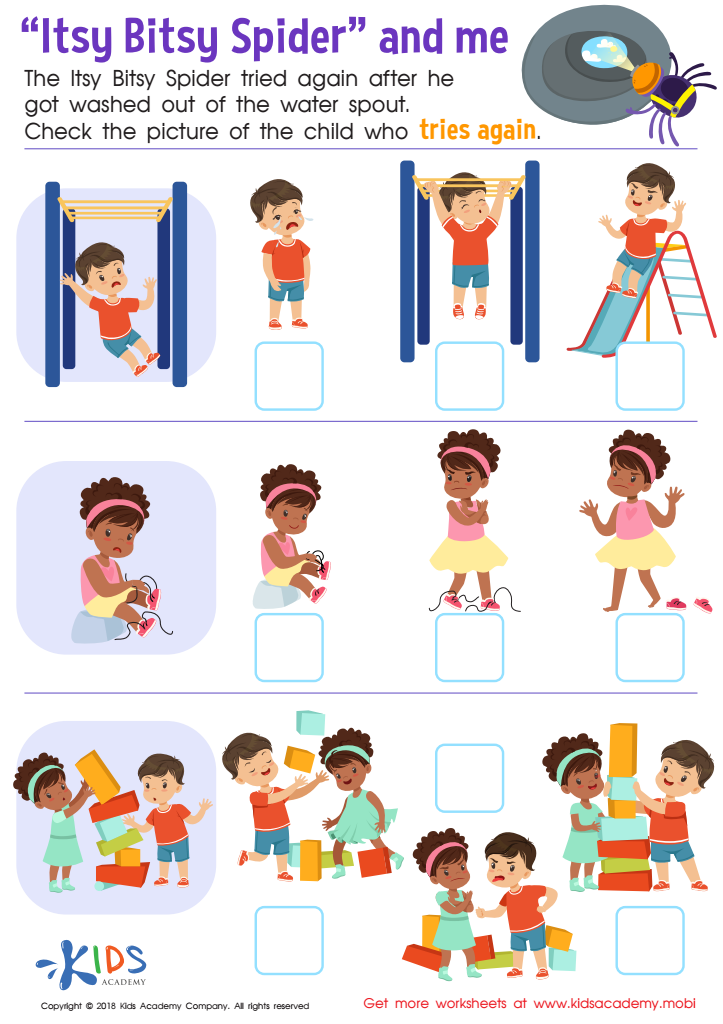
Itsy Bitsy Spider and Me Worksheet
 Assign to My Students
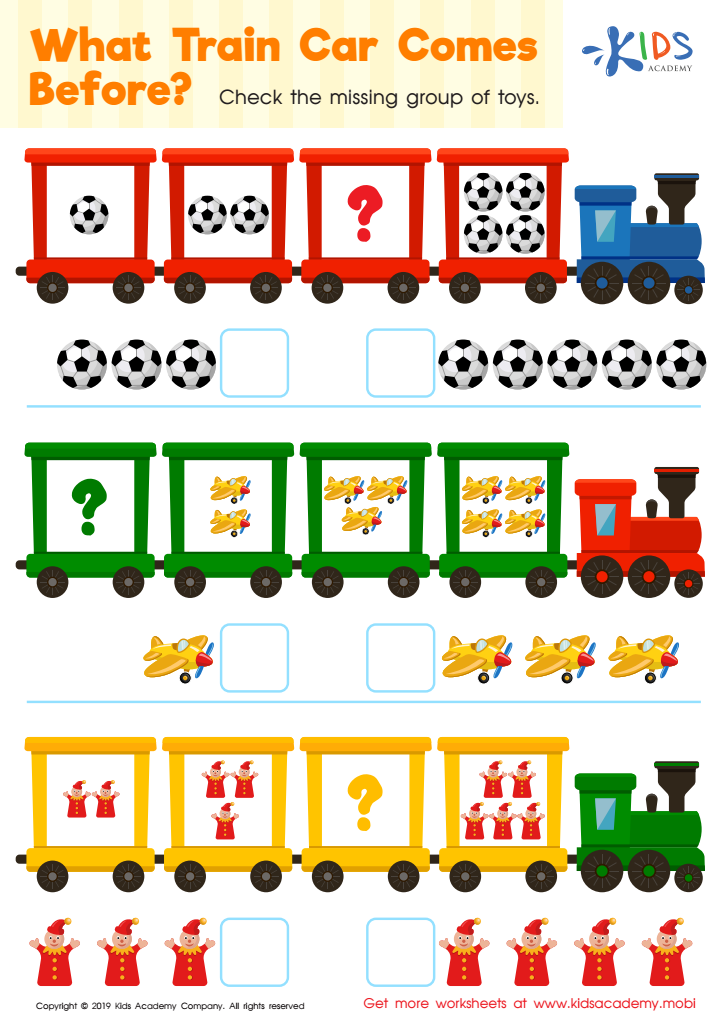
What Train Car Comes Before? Worksheet
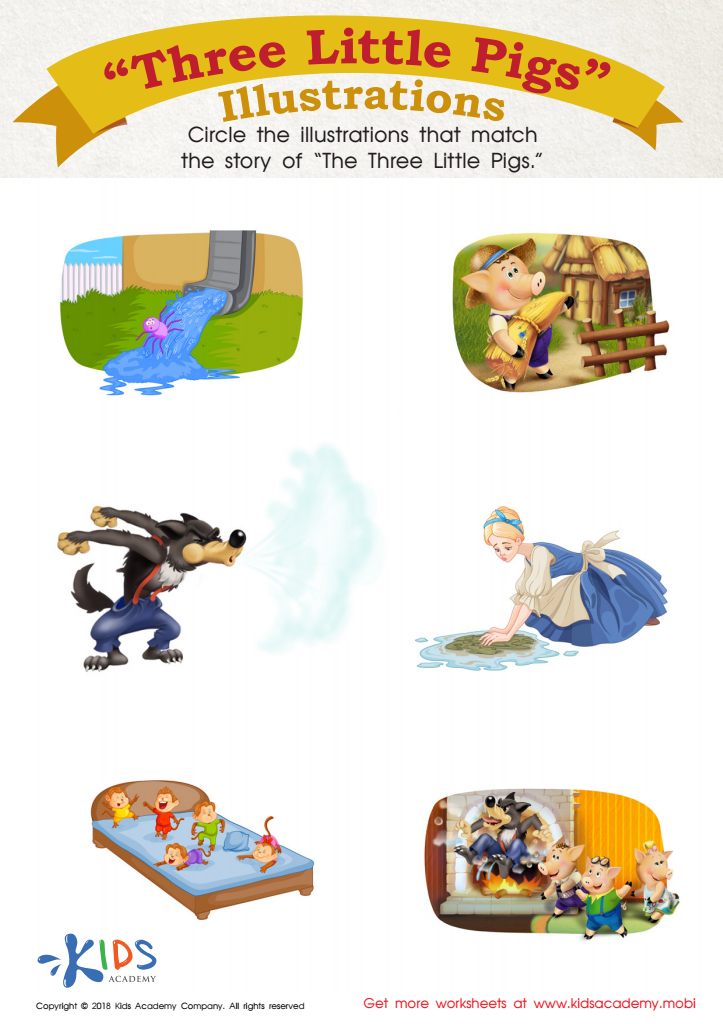
Three Little Pigs: Illustrations Worksheet
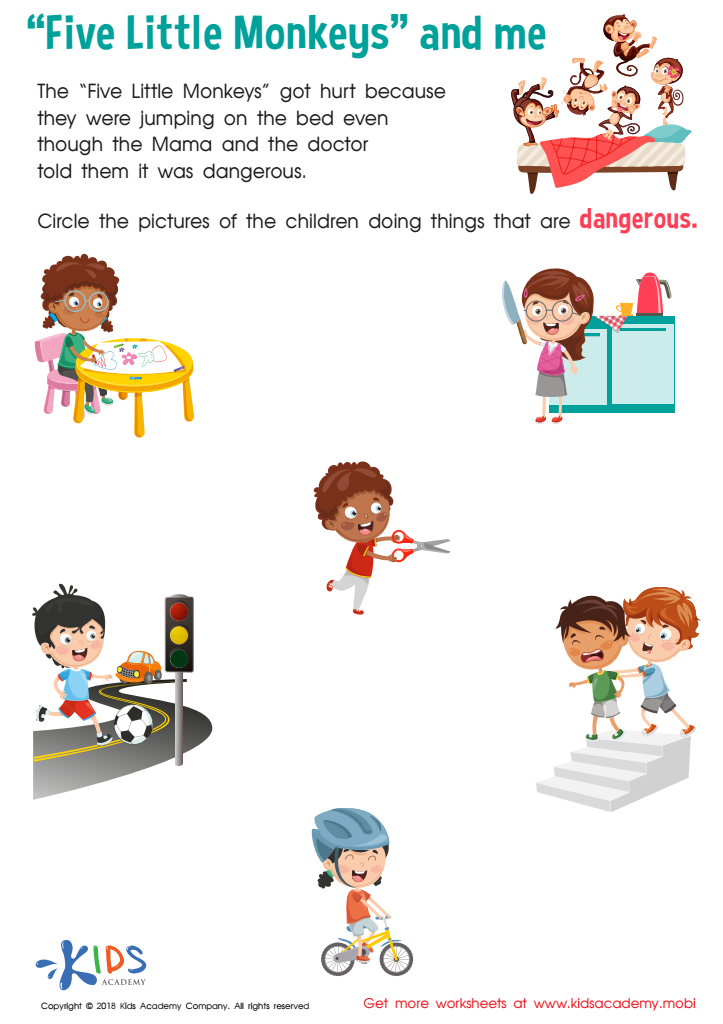
Five Little Monkeys and Me Worksheet



.jpg)




Sequencing skills are crucial for 3-year-olds as they lay the foundation for cognitive development, language, and literacy. At this age, the ability to understand and organize information in a logical order helps children make sense of the world around them. These skills enable children to follow daily routines, comprehend stories, and eventually, understand complex concepts.
For parents and teachers, focusing on sequencing skills can significantly enhance a child's developmental trajectory. When children engage in activities that involve sequencing, like arranging pictures in a story or following steps in an activity, they are developing critical thinking and problem-solving skills. These abilities are essential for later academic success, particularly in reading and mathematics.
Moreover, sequencing skills support language development. As children learn to put events in order, they also improve their narrative abilities, enriching their vocabulary and communication skills. This can lead to better interactions with peers and adults, fostering social and emotional development.
Practicing sequencing is often fun and engaging for young children, involving playful activities like storytelling, cooking, or simple crafts. Parents and teachers can introduce sequencing through everyday tasks, promoting a supportive learning environment. Investing time in nurturing these skills ensures that children build a robust cognitive framework, paving the way for future learning experiences.








