Story sequencing Easy Reading Fiction Worksheets for 3-Year-Olds
3 filtered results
-
From - To
Introduce your little ones to the delightful world of story sequencing with our Easy Reading Fiction Worksheets designed specifically for 3-year-olds. These engaging worksheets foster early literacy skills by encouraging children to arrange story elements in the correct order, enhancing their comprehension and narrative skills. Featuring colorful illustrations and simple text, every activity promotes critical thinking while keeping learning fun and interactive. Ideal for home or classroom use, our worksheets will captivate young minds, spark creativity, and support the development of essential reading skills. Start your child’s literary journey today with our charming story sequencing resources!
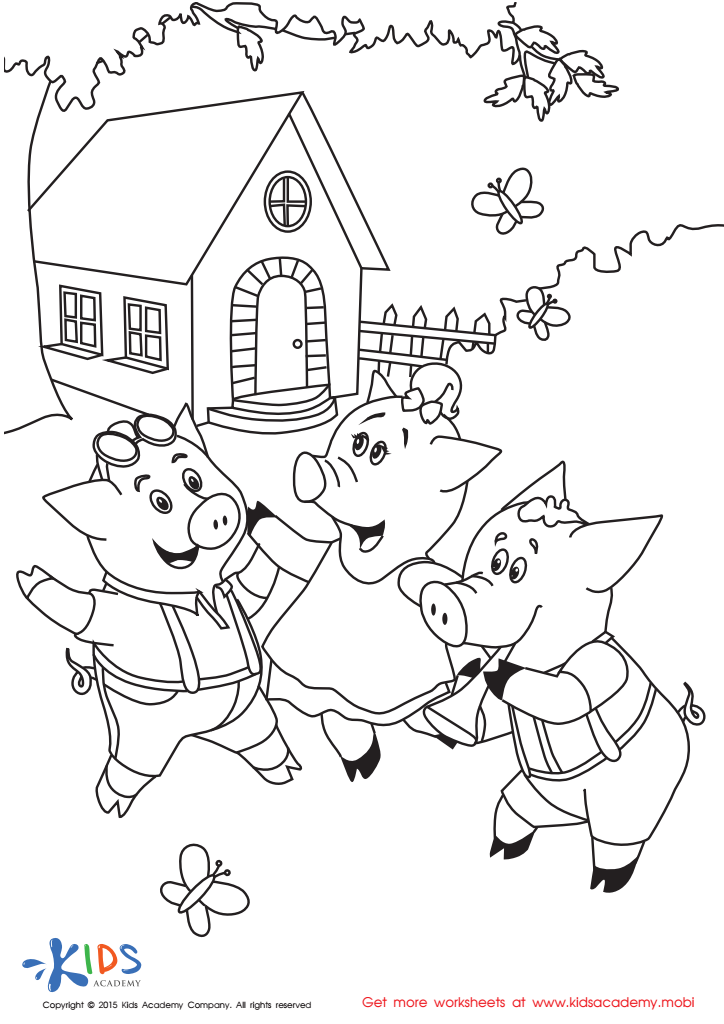
Folktales Printable PDF Worksheet: The 3 Little Pigs
 Assign to My Students
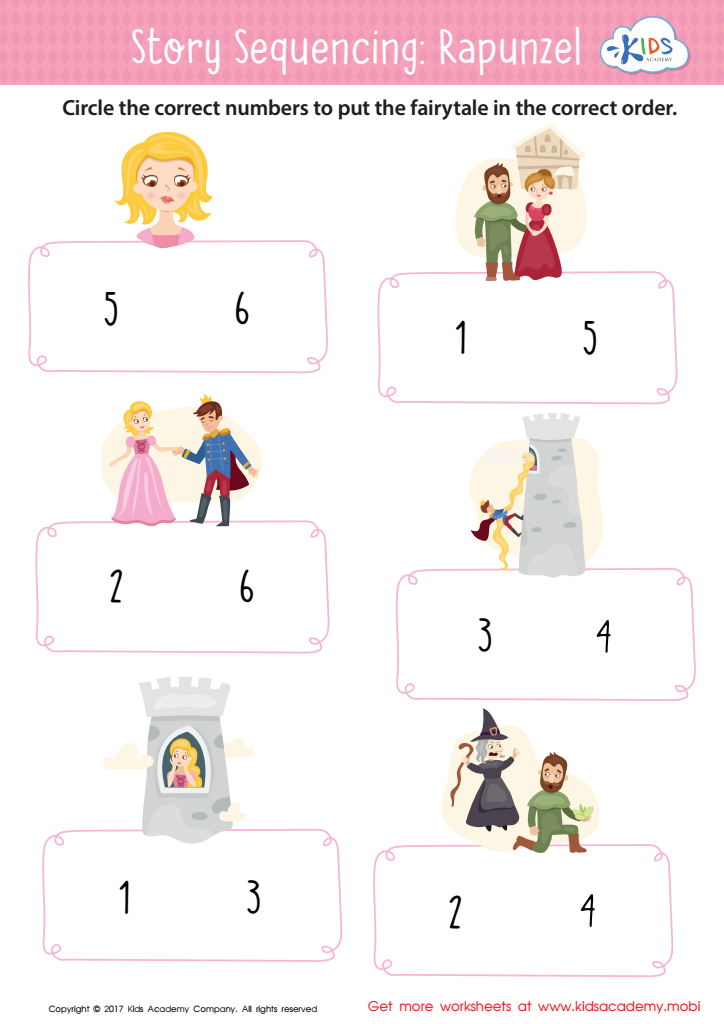
Rapunzel Story Sequencing Worksheet
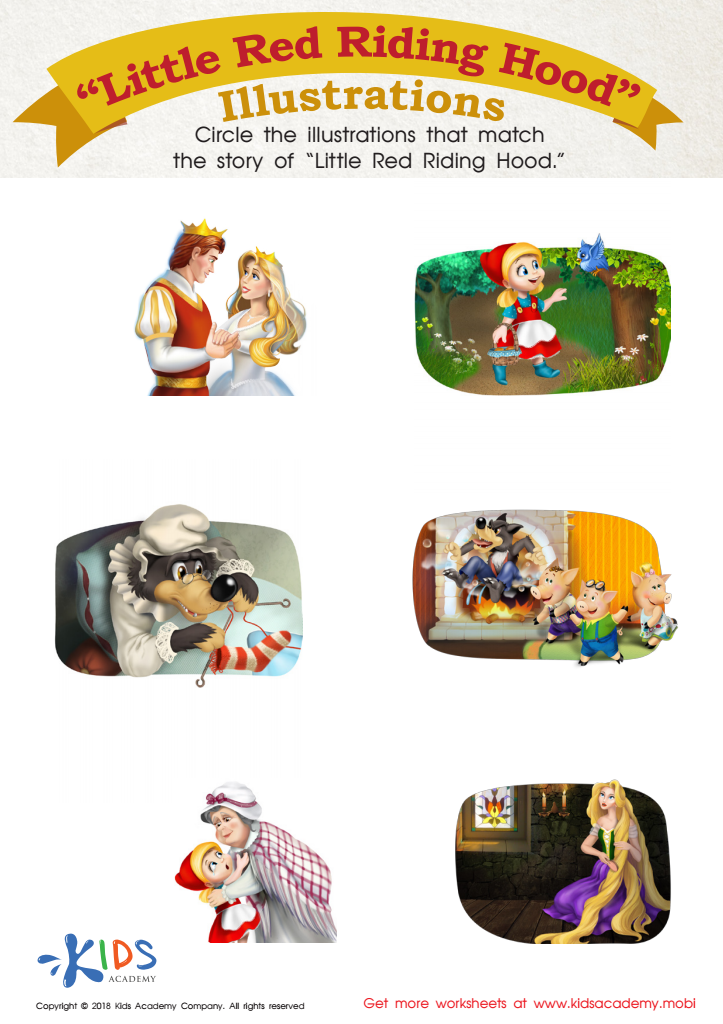
Little Red Riding Hood: Illustrations Worksheet







.jpg)
Parents and teachers should care about story sequencing in easy reading fiction for 3-year-olds because it lays the foundation for essential cognitive and language skills. Story sequencing helps young children understand narrative structure, which enhances their comprehension abilities. When kids grasp the order of events, they improve their ability to follow along, anticipate outcomes, and recall details, benefiting both their reading and storytelling skills.
Moreover, engaging with stories aids vocabulary development and encourages expressive language use. When adults ask children to sequence events, it promotes critical thinking and fosters creativity as they explore different outcomes or perspectives. Additionally, reading stories together promotes bonding, making learning a more enjoyable experience.
Furthermore, story sequencing fosters emotional awareness as children learn to empathize with characters and relate to their feelings within various scenarios. By encouraging young learners to predict what happens next, we boost their confidence, making them more willing to engage in discussions and share ideas.
Ultimately, story sequencing in early childhood helps cultivate a lifelong love for reading. Investing in these narrative skills today will set the stage for future academic success, paving the way for effective communication, problem-solving, and enriched imagination as they grow.