Alphabet Recognition Easy Phonics Worksheets for Ages 4-5
4 filtered results
-
From - To
Develop vital reading skills with our Alphabet Recognition Easy Phonics Worksheets, designed for children ages 4-5. These engaging printable activities help young learners identify, trace, and form letters, boosting early literacy. Perfect for preschoolers and kindergarteners, our worksheets use fun illustrations and simple exercises to make learning the alphabet interactive and enjoyable. Each worksheet builds upon the last, progressively improving phonics skills, and promoting confidence in reading and writing. Ideal for both classroom and home use, these resources lay a solid foundation for your child’s educational journey. Start using our easy phonics worksheets today!
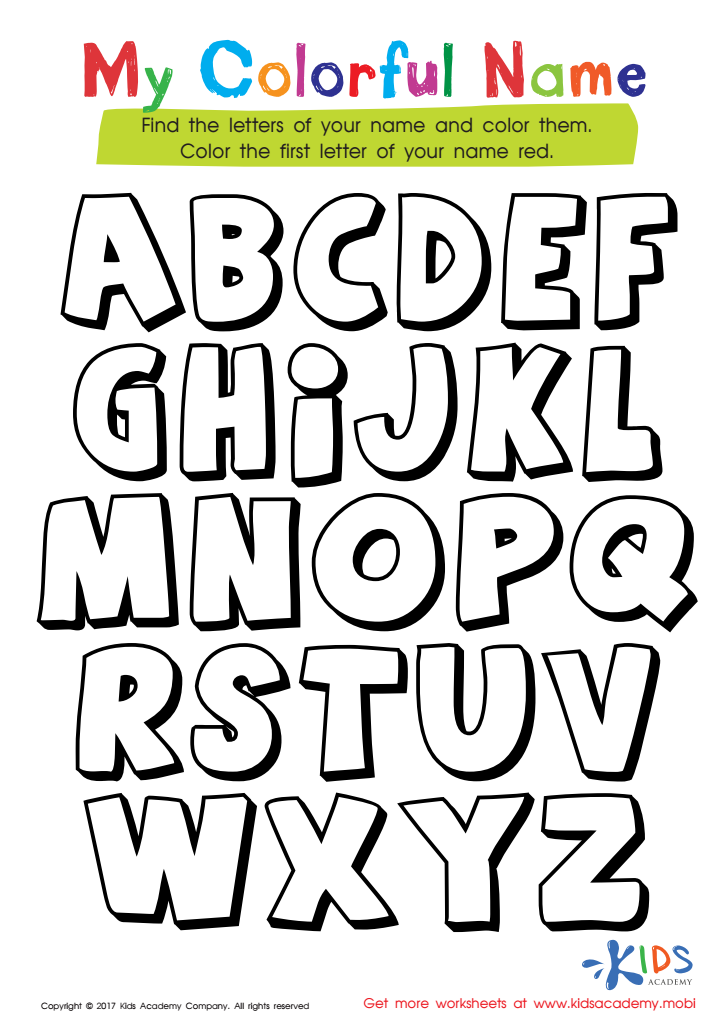
My Colorful Name Worksheet
 Assign to My Students
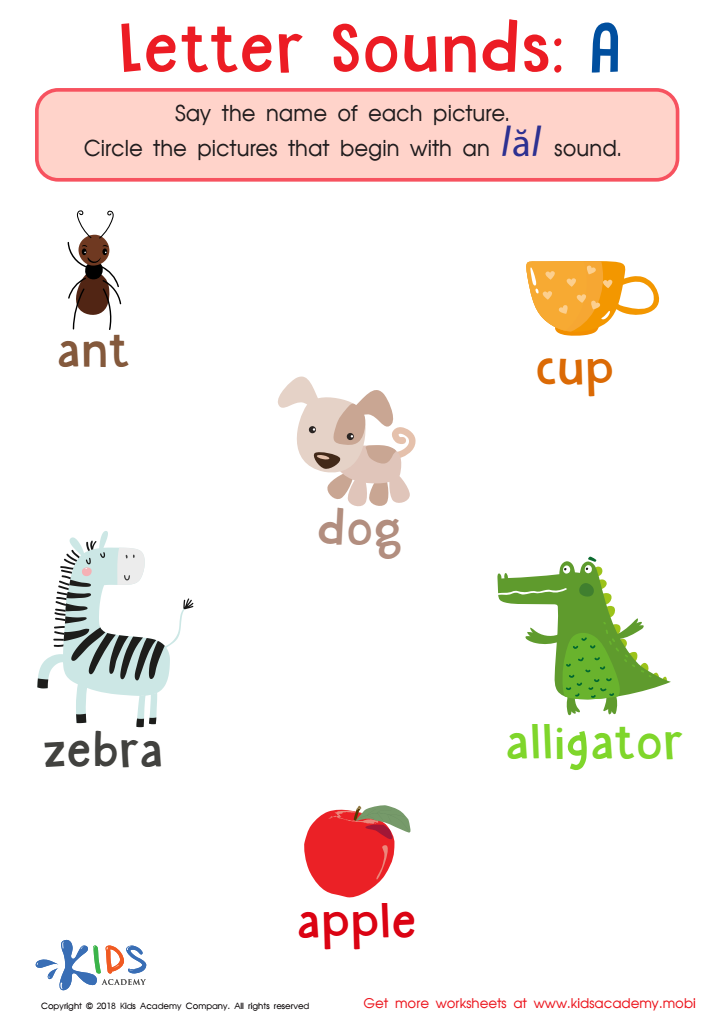
Letter A Sounds Worksheet
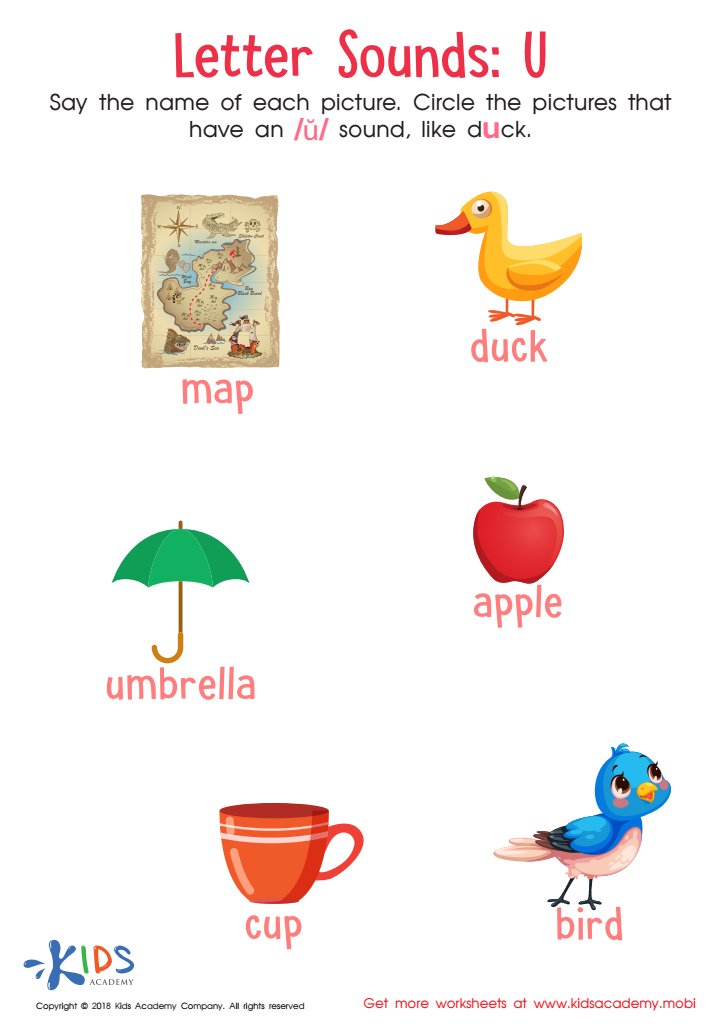
Letter U Sounds Worksheet
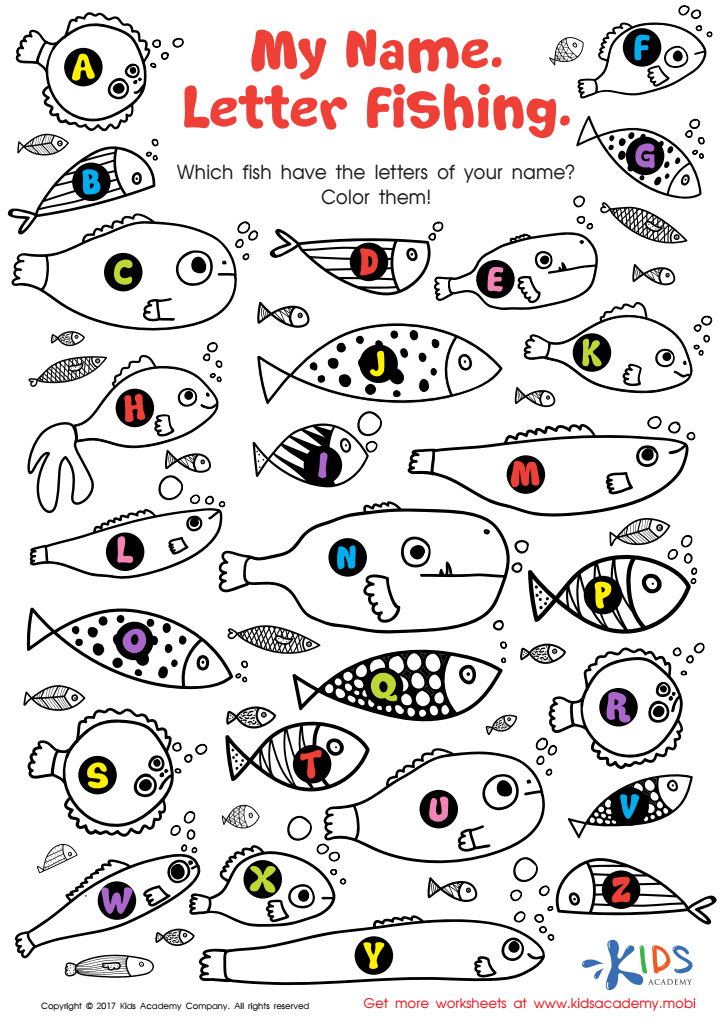
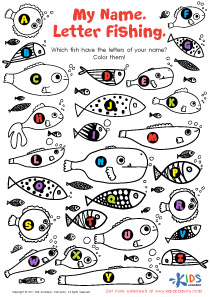
My Name: Letter Fishing Worksheet
Assign to My Students








Alphabet recognition and phonics are foundational skills critical for successful reading development in young children. Alphabet Recognition Easy Phonics for Ages 4-5 is vital for several reasons:
First, it enables children to identify letters and understand their corresponding sounds, which is crucial for decoding words. This foundational ability gives children the tools needed to sound out new words independently, fostering early reading success.
Second, early exposure to phonics supports not just reading fluency but also spelling skills. As children learn the association between sounds and letter patterns, they become proficient in writing and recognizing more words.
Moreover, strong alphabet recognition and phonics skills contribute to improved language comprehension and vocabulary growth. When kids understand the relationship between letters and sounds, they can connect spoken language with written text, enhancing their overall literacy.
Additionally, engaging in phonics-based activities tailored for ages 4-5 ensures that learning is developmentally appropriate and enjoyable. Helping young children develop these skills through play-based and hands-on activities promotes a positive attitude towards learning to read.
Ultimately, prioritizing Alphabet Recognition Easy Phonics at an early age equips children with essential tools for lifelong literacy, fostering both academic and personal growth. Parents and teachers play a pivotal role in nurturing these critical early skills to set the foundation for future educational success.