Understanding Quantities Easy Math Worksheets for Ages 4-5
6 filtered results
-
From - To
Discover the joy of learning with our "Understanding Quantities Easy Math Worksheets" tailored specifically for children ages 4-5. Designed to enhance early numeracy skills, these engaging worksheets introduce young learners to basic concepts of quantity, comparison, and counting. Each activity is thoughtfully crafted to encourage hands-on practice and interactive learning, helping children develop confidence in their mathematical abilities. With colorful illustrations and fun exercises, these worksheets make understanding quantities not only accessible but also enjoyable! Perfect for home or classroom use, our materials provide a solid foundation for future math success. Start your child's journey into the world of numbers today!
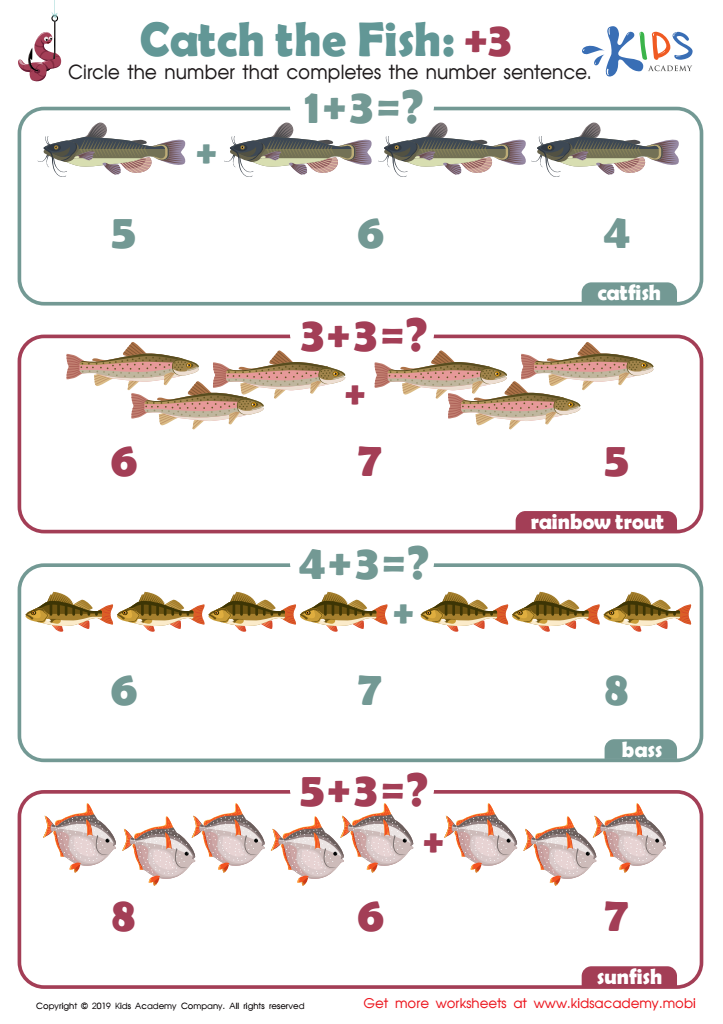
Catch the Fish: +3 Worksheet
 Assign to My Students
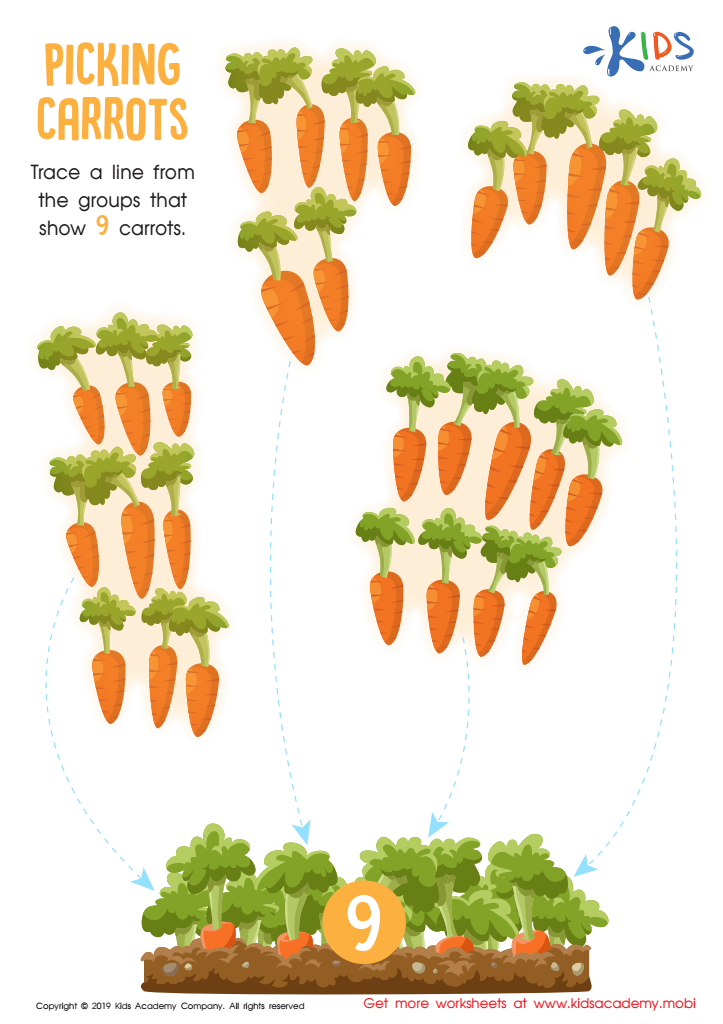
Picking Carrots Worksheet
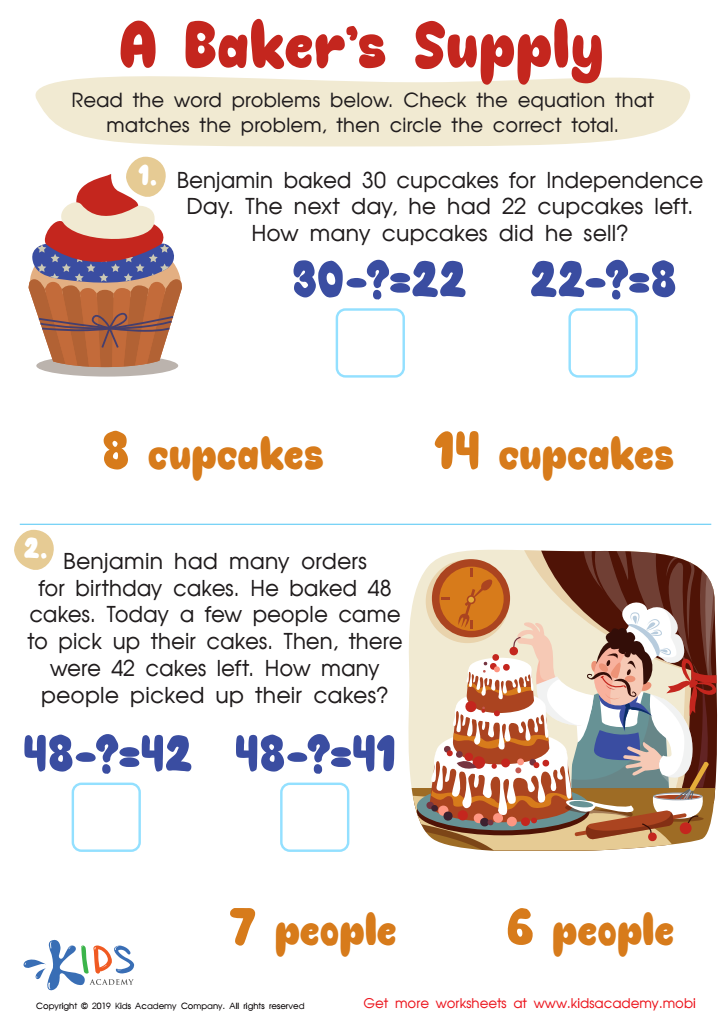
A Baker's Supply Worksheet
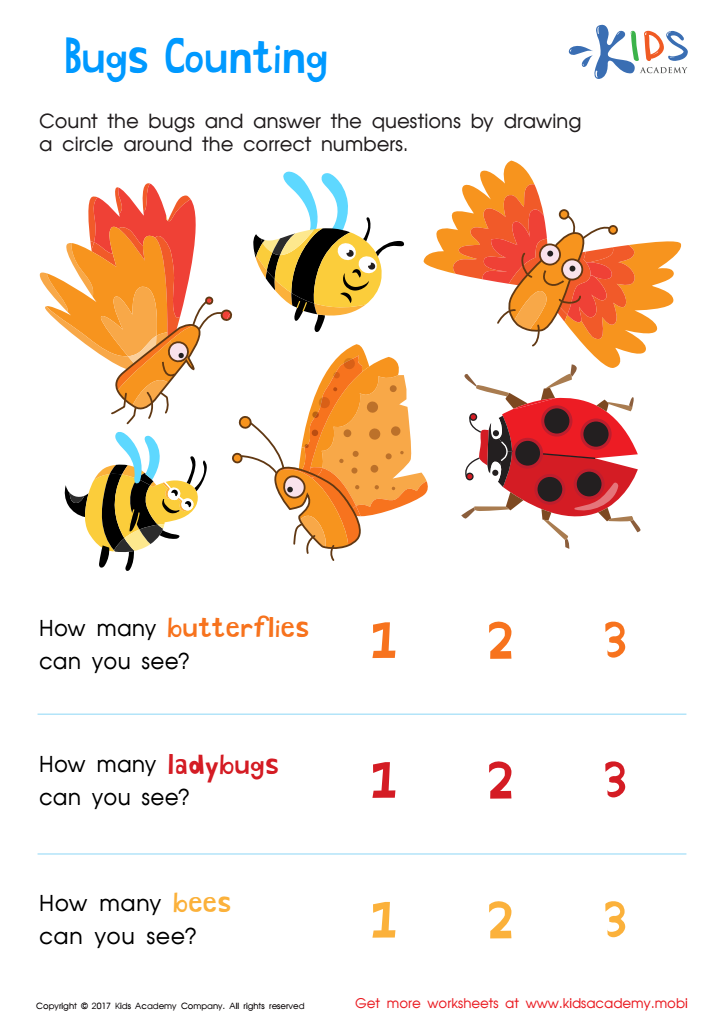
Bugs Counting Worksheet
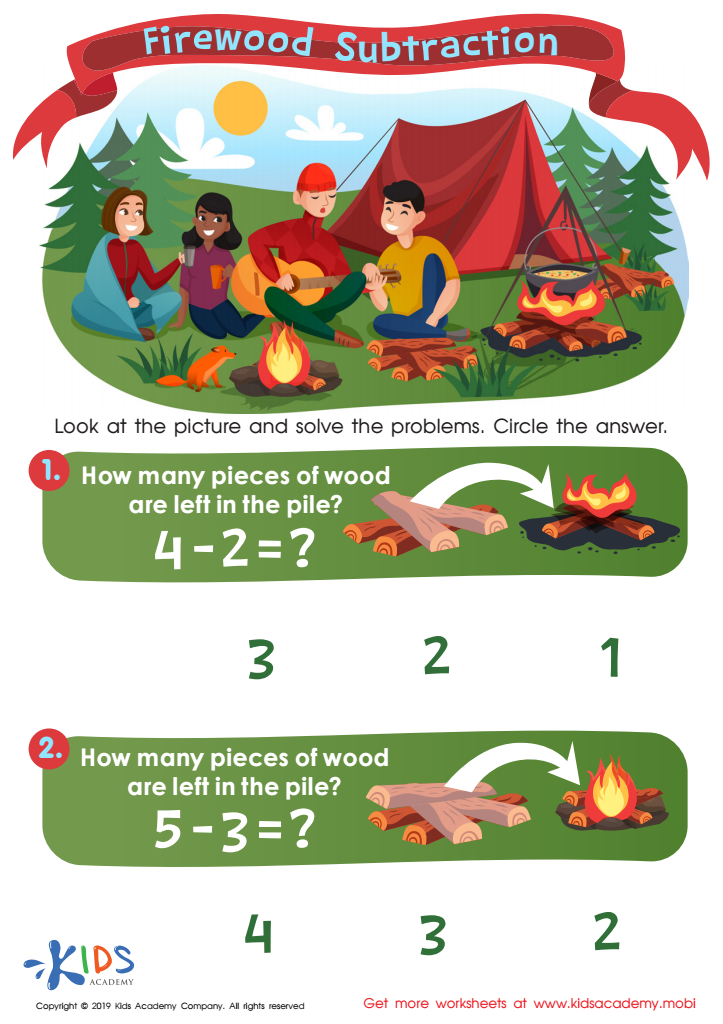
Firewood Subtraction Worksheet
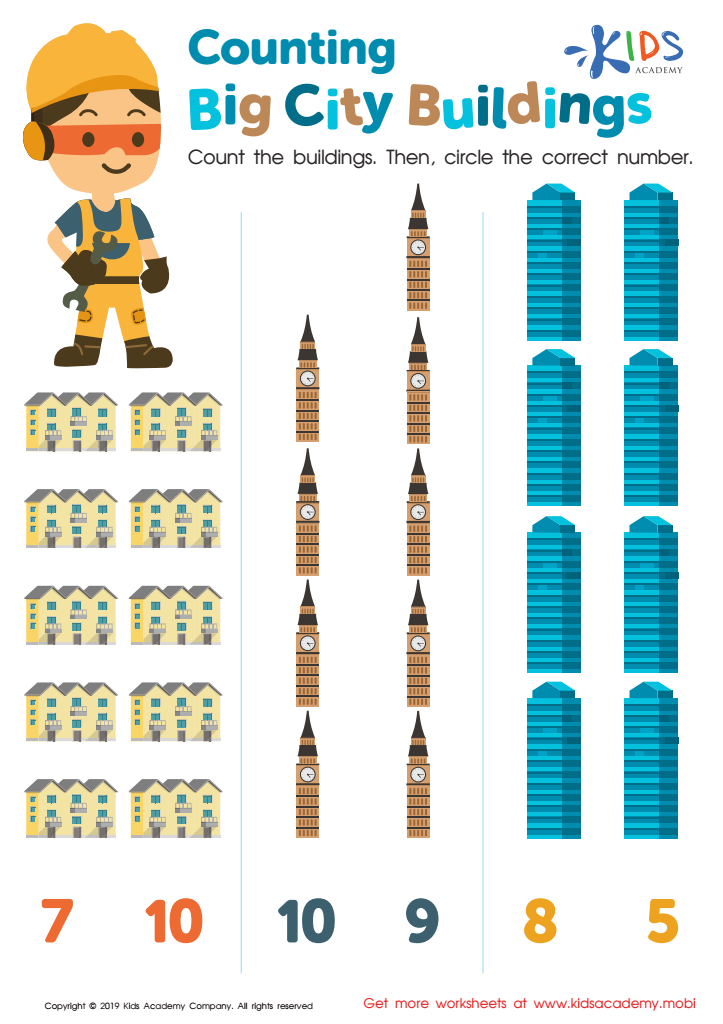
Counting Big City Buildings Worksheet








Parents and teachers should care about teaching "Understanding Quantities, Easy Math" for ages 4-5 because it lays the foundational skills necessary for future mathematical concepts. At this age, children are naturally curious and eager to learn, making it an ideal time to introduce basic math concepts through playful and engaging activities.
This program helps children develop number sense, which is critical in later mathematical learning. By understanding quantities, children learn to compare, group, and manipulate numbers, forming essential skills for addition and subtraction. Moreover, mastering these concepts enhances children's cognitive development, promotes critical thinking, and encourages problem-solving abilities.
Furthermore, early exposure to mathematics fosters positive attitudes toward the subject, making children less likely to develop math anxiety as they progress in their education. Encouraging adaptability through different math experiences also caters to varied learning styles, ensuring that each child can integrate mathematical thinking in everyday life.
Ultimately, investing in early math skills through understanding quantities equips children with lifelong tools necessary for academic achievement, practical knowledge, and a strong sense of confidence in their abilities. This emphasis on foundational skills ensures a smooth transition to more complex mathematical concepts, paving the way for future successes.








