Alphabet Recognition Easy Letter Recognition Worksheets for Ages 4-6
5 filtered results
-
From - To
Alphabet Recognition Easy Letter Recognition Worksheets for Ages 4-6
Our Alphabet Recognition worksheets are tailored for children ages 4-6, creating a fun and engaging way to master the alphabet. These printables make learning letters easy with vibrant illustrations and interactive exercises. Each worksheet focuses on different letter recognition skills, enhancing children's ability to identify both upper and lower case letters. Designed by educational experts, these resources will support your child’s early literacy and pave the way for reading success. Perfect for home or classroom use, provide your young learners with the foundation they need with our easy-to-use worksheets!
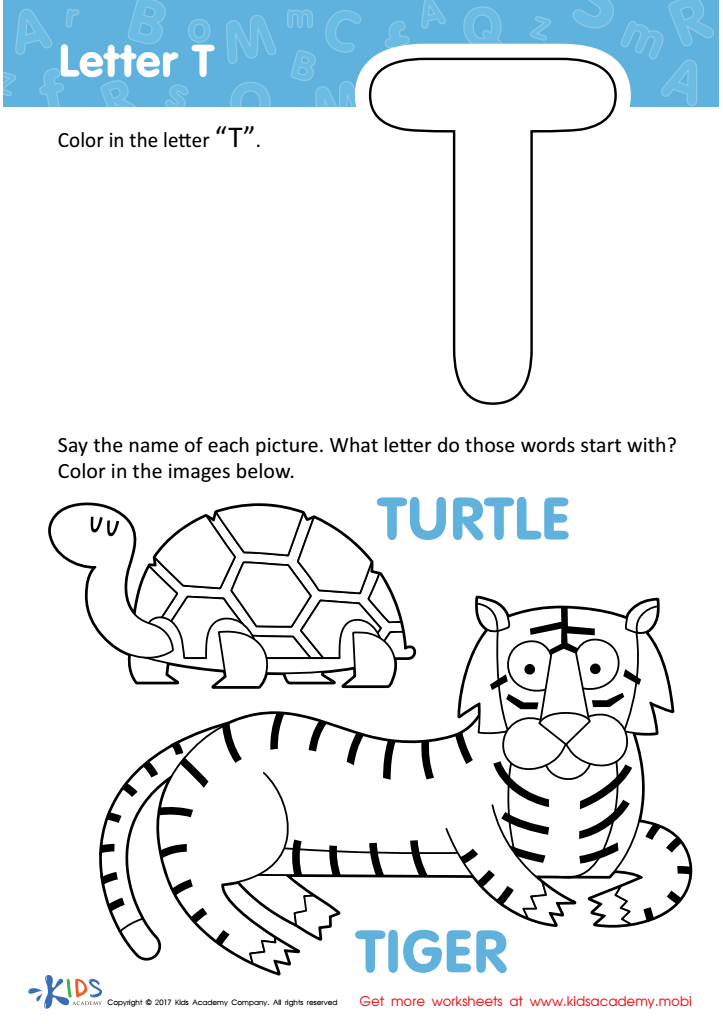
Letter T Coloring Sheet
 Assign to My Students
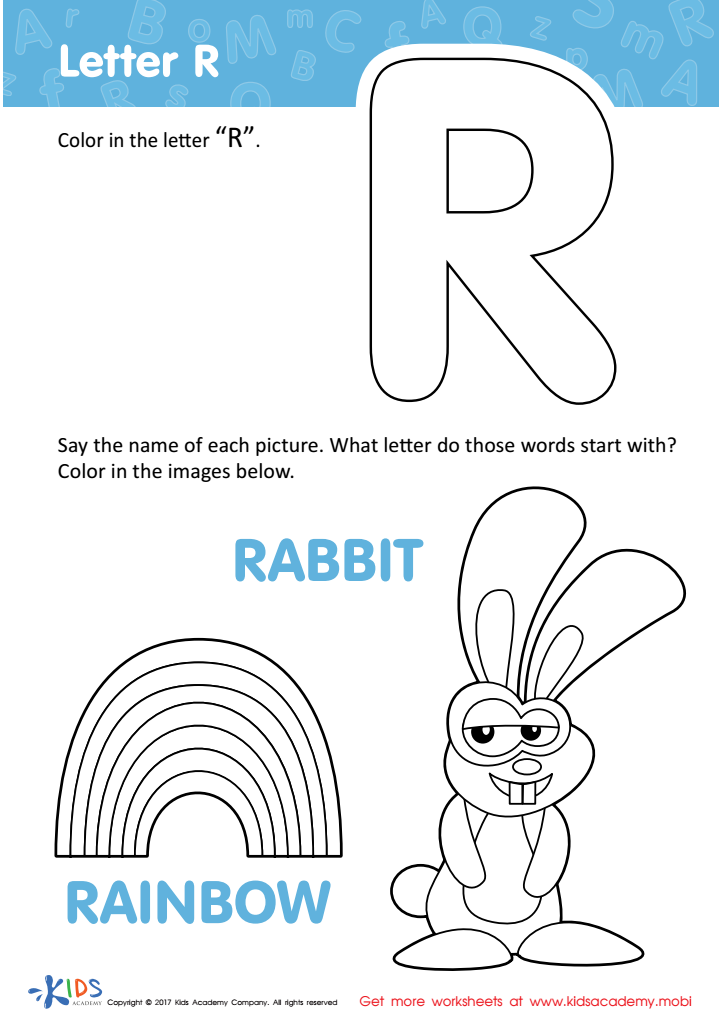
Letter R Coloring Sheet
Assign to My Students
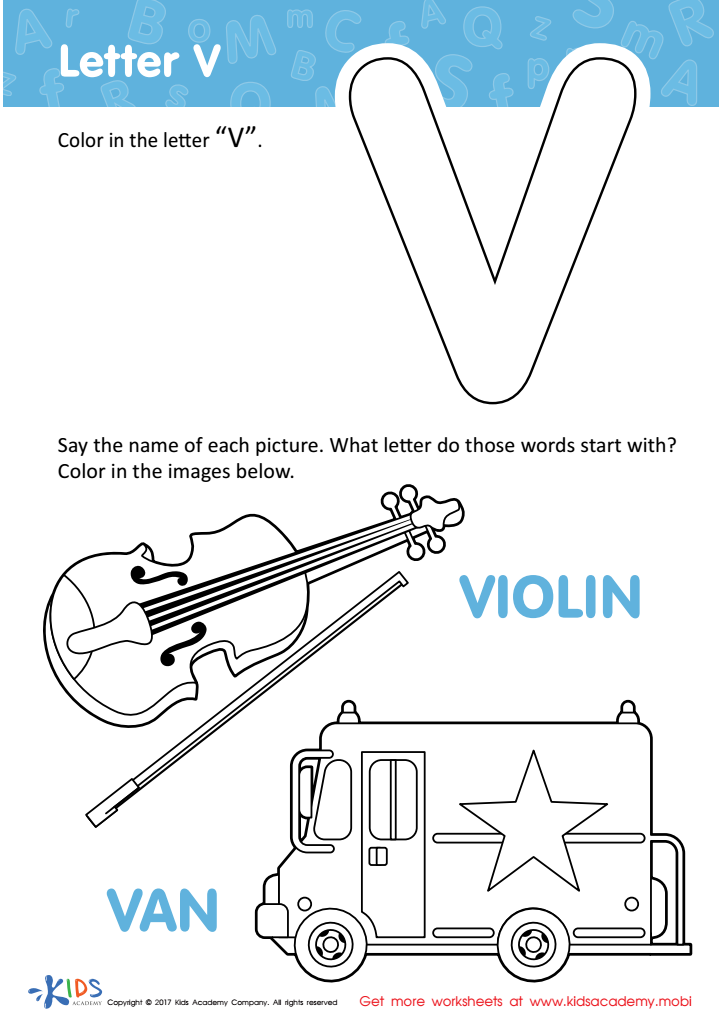
Letter V Coloring Sheet
Assign to My Students
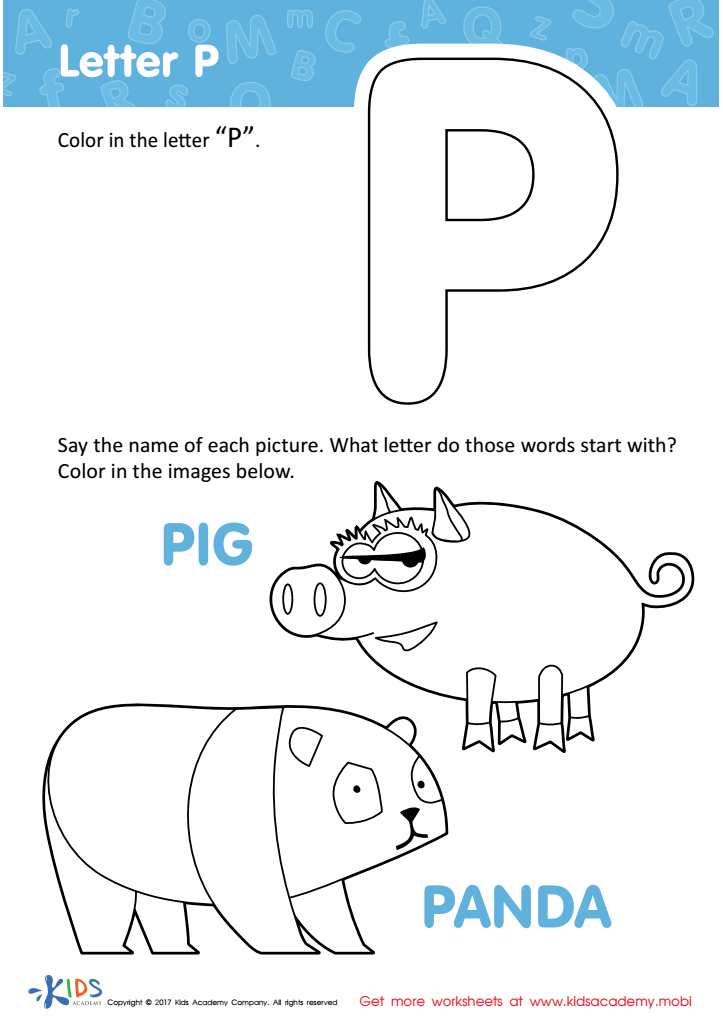
Letter P Coloring Sheet
Assign to My Students
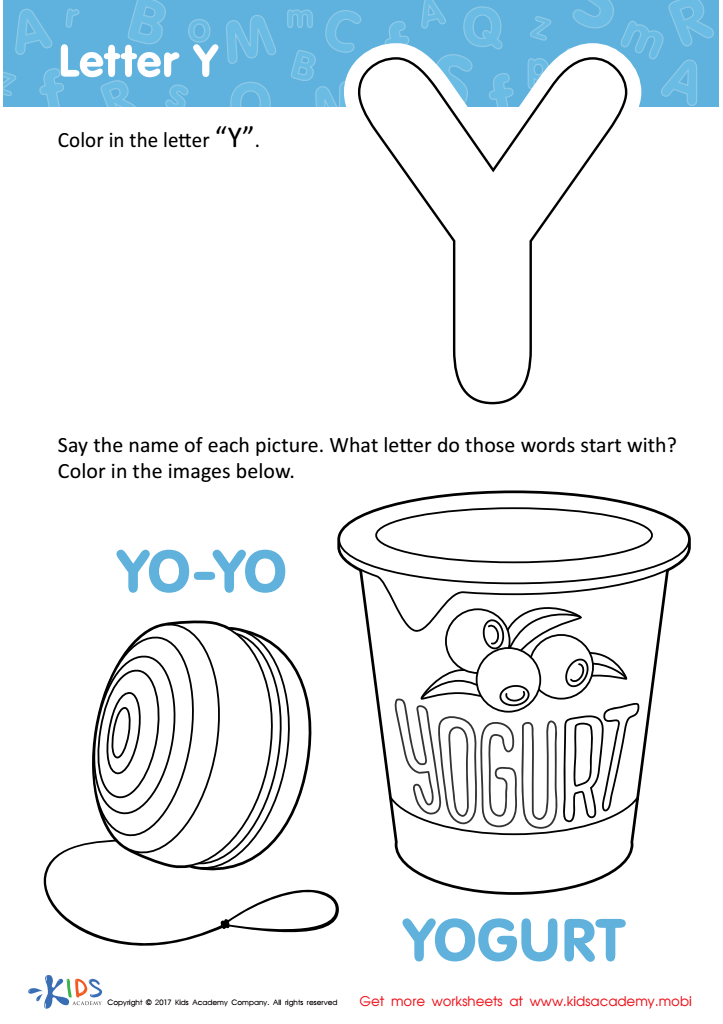
Letter Y Coloring Sheet
Assign to My Students








Alphabet recognition forms the cornerstone of early literacy, making it vital for parents and teachers to prioritize it for children aged 4-6. During these formative years, young minds are highly adaptive, and grasping the basics of language can set the stage for future academic success. Recognizing letters is the first step in learning to read and write, which are essential skills for virtually all subjects in school.
When children become proficient in letter recognition early on, they become more confident and motivated to learn. This early exposure helps them identify letters in various contexts, such as in books or on signs, which enhances their understanding of their environment and cultural literacy. Beyond just memorizing shapes, this skill involves associating letters with specific sounds, which is crucial for phonemic awareness—a foundational element of reading proficiency.
Additionally, letter recognition activities strengthen cognitive and fine motor skills. Sorting and manipulating letters bolster hand-eye coordination and primary motor controls, which are imperative for writing. Early success in these areas can lead to a positive attitude towards learning and school in general.
Finally, early literacy skills are strong indicators of later reading achievement. Investing time in alphabet recognition offers long-term benefits by laying a solid foundation on which all subsequent literacy skills—reading comprehension, writing, and even analytical thinking—are built.