Reading comprehension Easy Phonics Worksheets for Ages 4-6
5 filtered results
-
From - To
Discover our engaging "Easy Phonics Worksheets" designed for children ages 4-6, focusing on enhancing reading comprehension skills. These worksheets combine phonics exercises with whimsical illustrations to capture young learners' attention and foster a love for reading. Each activity encourages kids to decode, recognize, and understand words in fun and interactive ways. Tailored to support early literacy development, our printable resources help strengthen foundational skills while making learning enjoyable. Perfect for homeschoolers and classroom settings, these worksheets provide an excellent opportunity for children to practice phonics, improve comprehension, and build confidence in their reading abilities. Start your child's reading journey today!
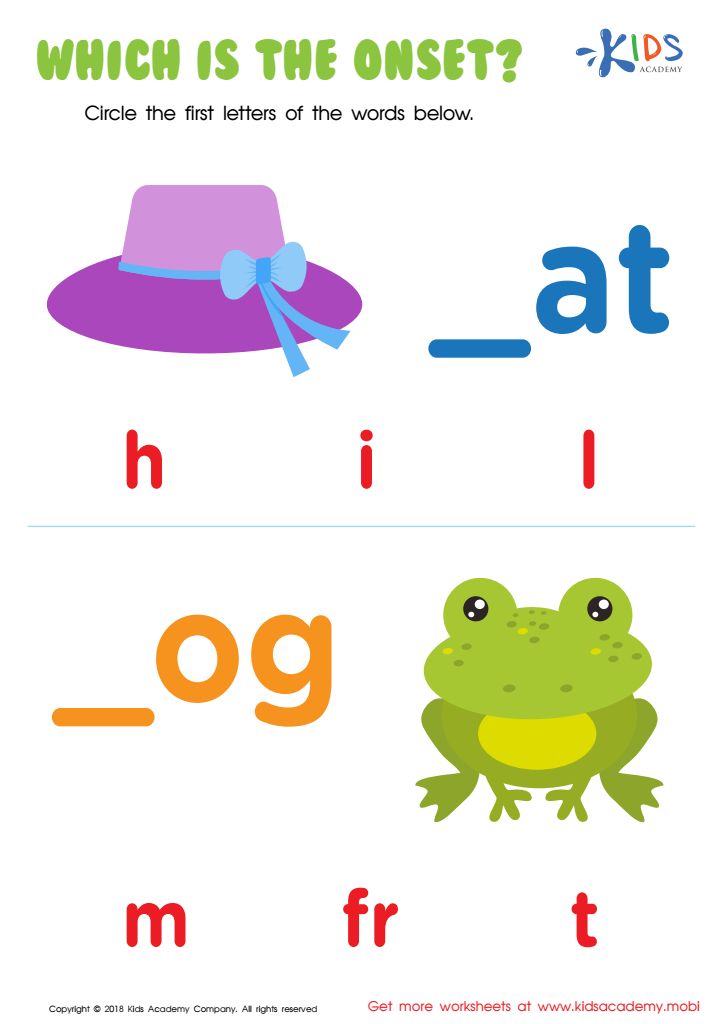
Which Is the Onset? Worksheet
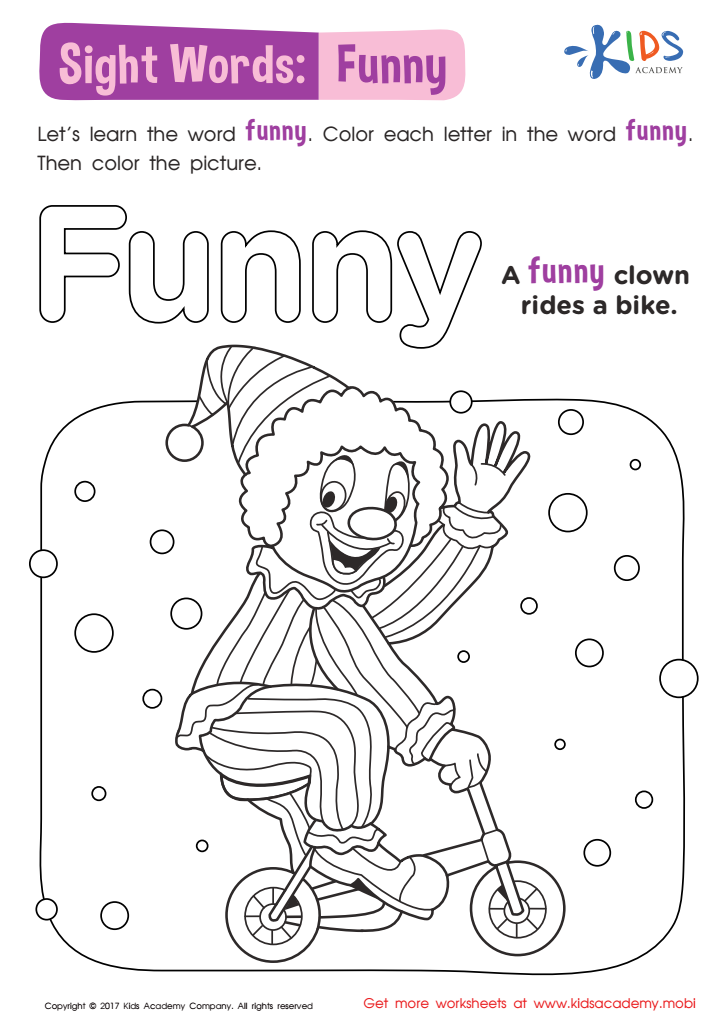
Funny Worksheet Sight Words Worksheet
 Assign to My Students
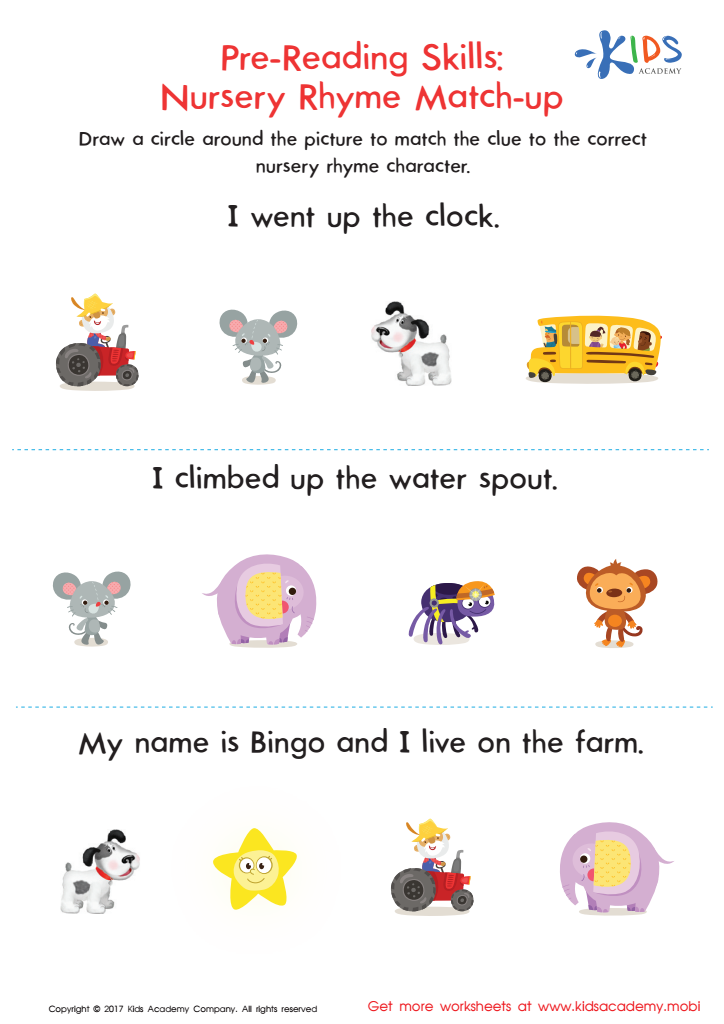
Nursery Rhyme Match–Up Worksheet
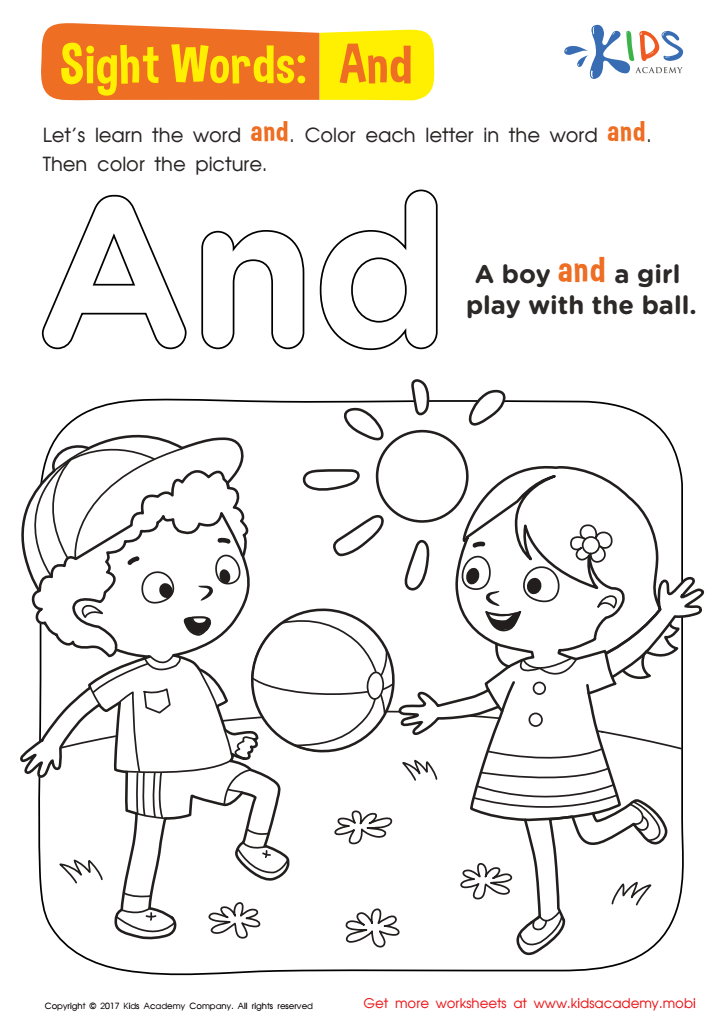
And Worksheet Sight Words Worksheet
Assign to My Students
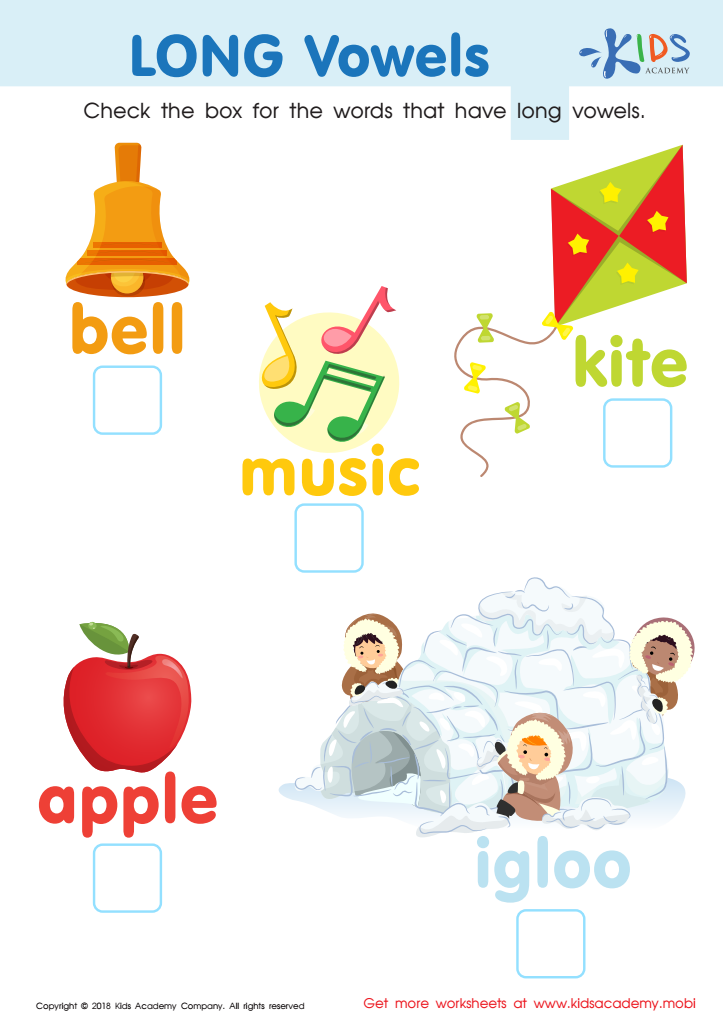
long vowels Worksheet








Reading comprehension is a critical skill that lays the foundation for a child's lifelong learning journey. For parents and teachers, focusing on Easy Phonics for Ages 4-6 is essential, as this early stage is pivotal in developing reading skills. Phonics instruction teaches children the relationship between letters and sounds, allowing them to decode words. Mastering these skills empowers young readers to engage with texts confidently, fostering a love for reading.
Investing in reading comprehension through phonics enhances vocabulary acquisition and enables children to understand and interpret information effectively. Early readers learn to make connections, infer meaning, and answer questions about stories, preparing them for more complex texts in the future. Additionally, solid reading skills can boost self-esteem, as children become more independent learners.
Furthermore, early phonics education aligns with cognitive development milestones, catering to children’s natural curiosity and creativity. When parents and teachers prioritize reading comprehension and phonics, they equip children with essential tools for academic success, enhanced critical thinking, and improved communication skills. In a world driven by information, fostering proficient readers at an early age is not just beneficial—it’s vital for shaping confident, capable, and informed individuals.