Enhancing observation skills Easy Worksheets for Ages 4-6
4 filtered results
-
From - To
Enhance your child's observation skills with our engaging and easy-to-use worksheets, designed for ages 4-6. These activities focus on improving attention to detail through fun and interactive exercises. Each worksheet offers captivating imagery and simple tasks, encouraging young learners to notice patterns, distinguish differences, and recognize various objects in their environment. Perfect for early education, our worksheets make learning enjoyable while fostering critical developmental skills. Give your child a head start in their education journey with Kid's Academy's expertly crafted resources that combine learning with play. Download now and watch their observation skills blossom!
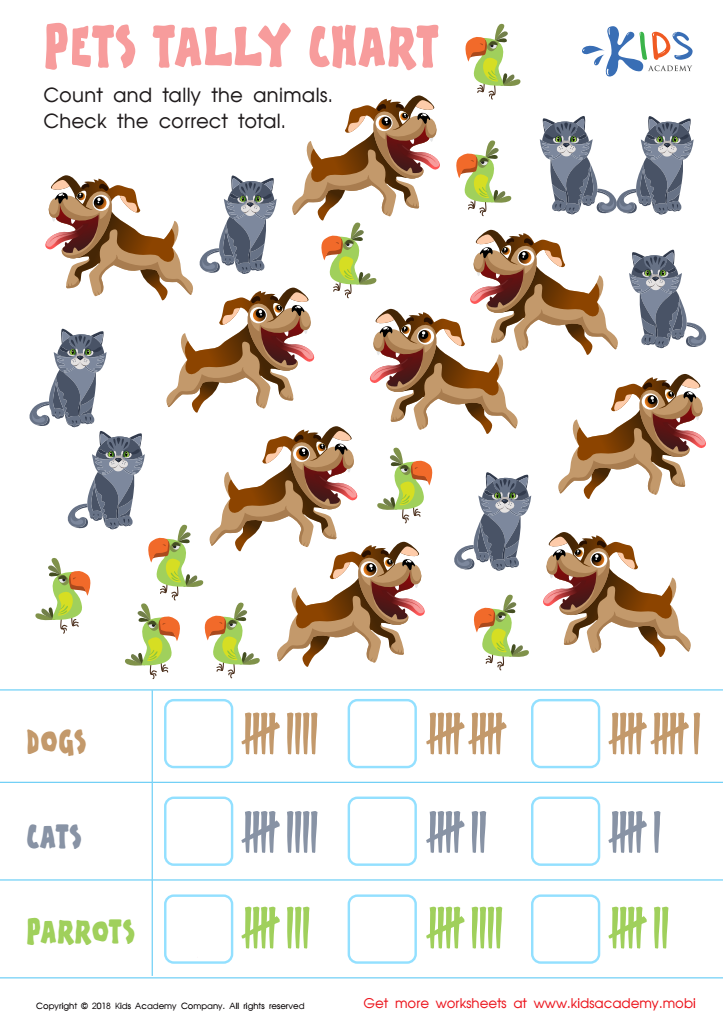
Pets Tally Chart Worksheet
 Assign to My Students
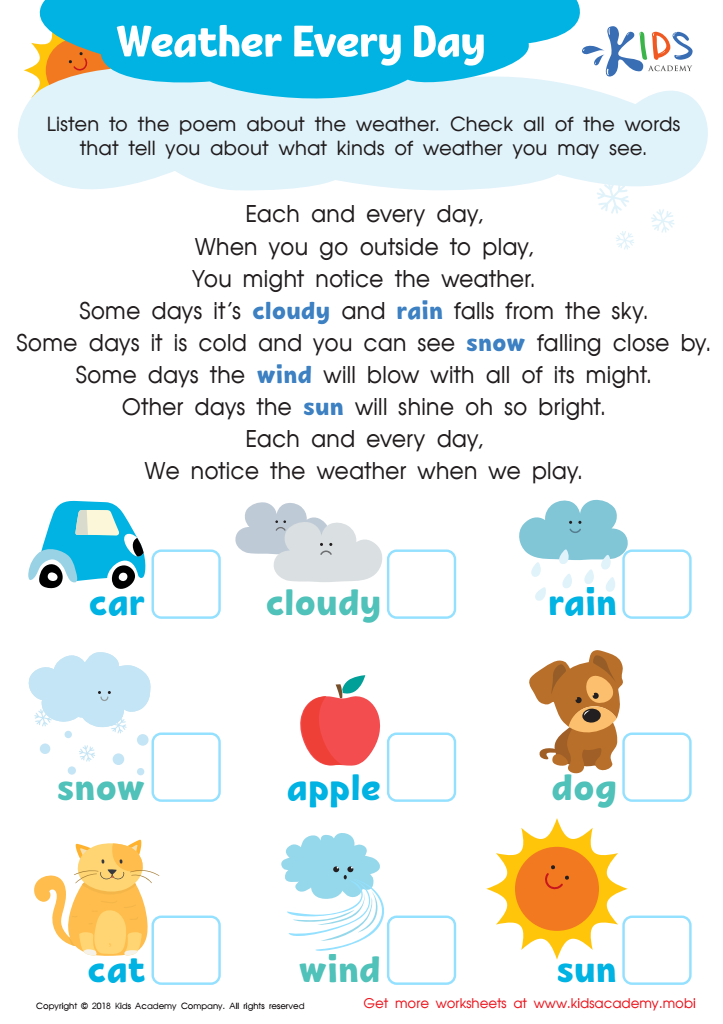
Weather Every Day Worksheet
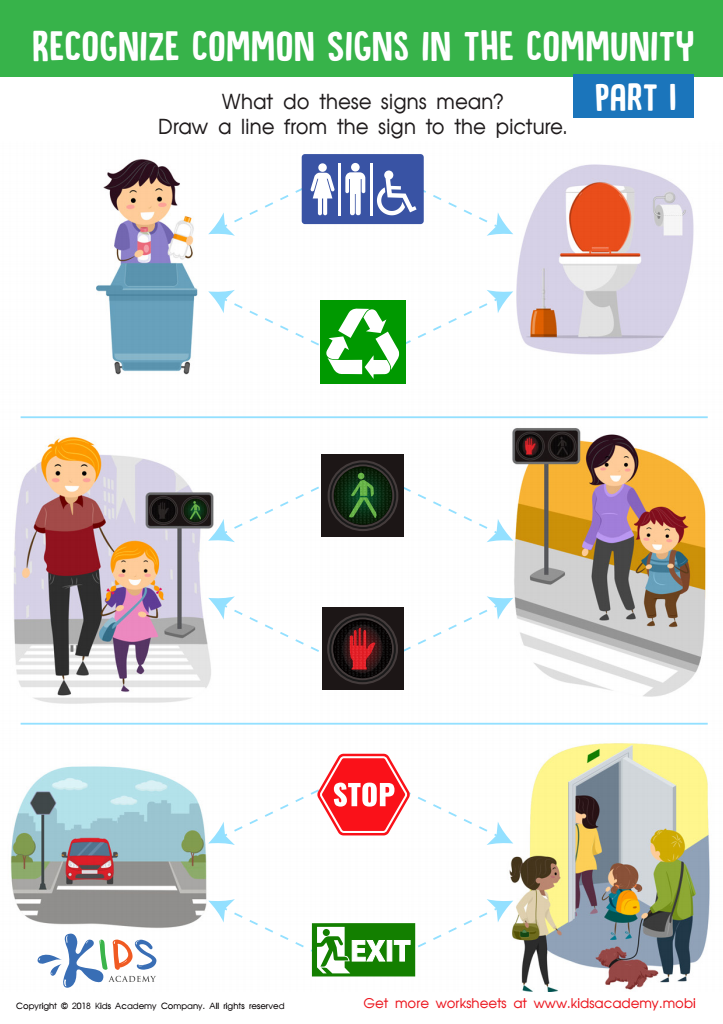
Recognize Common Signs: Part 1 Worksheet
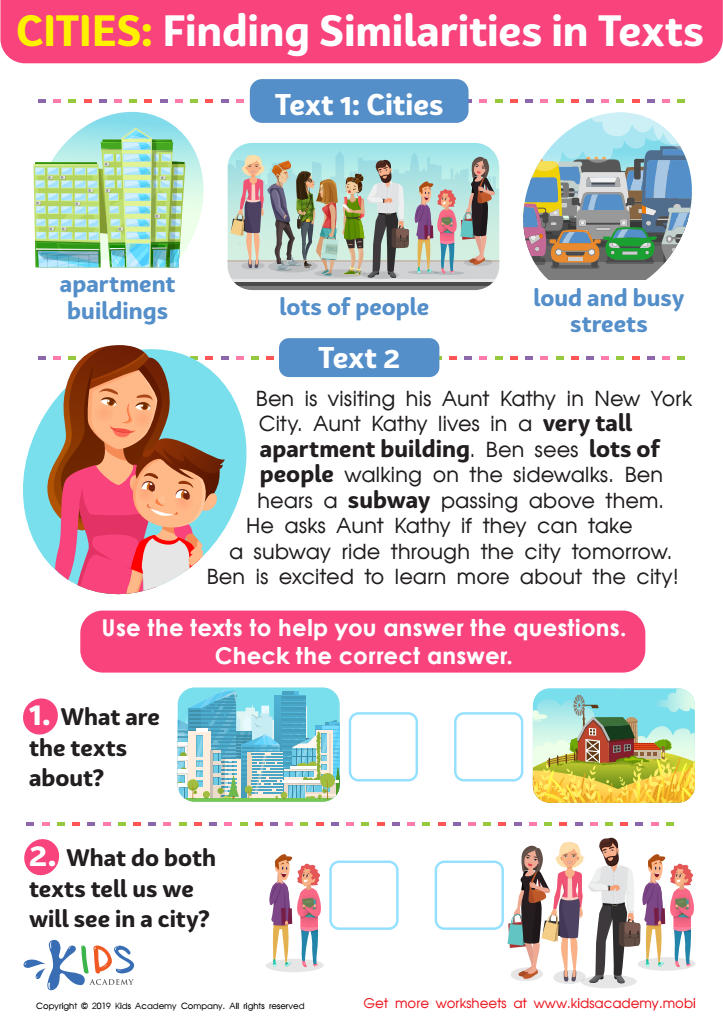
Cities: Finding Similarities Worksheet


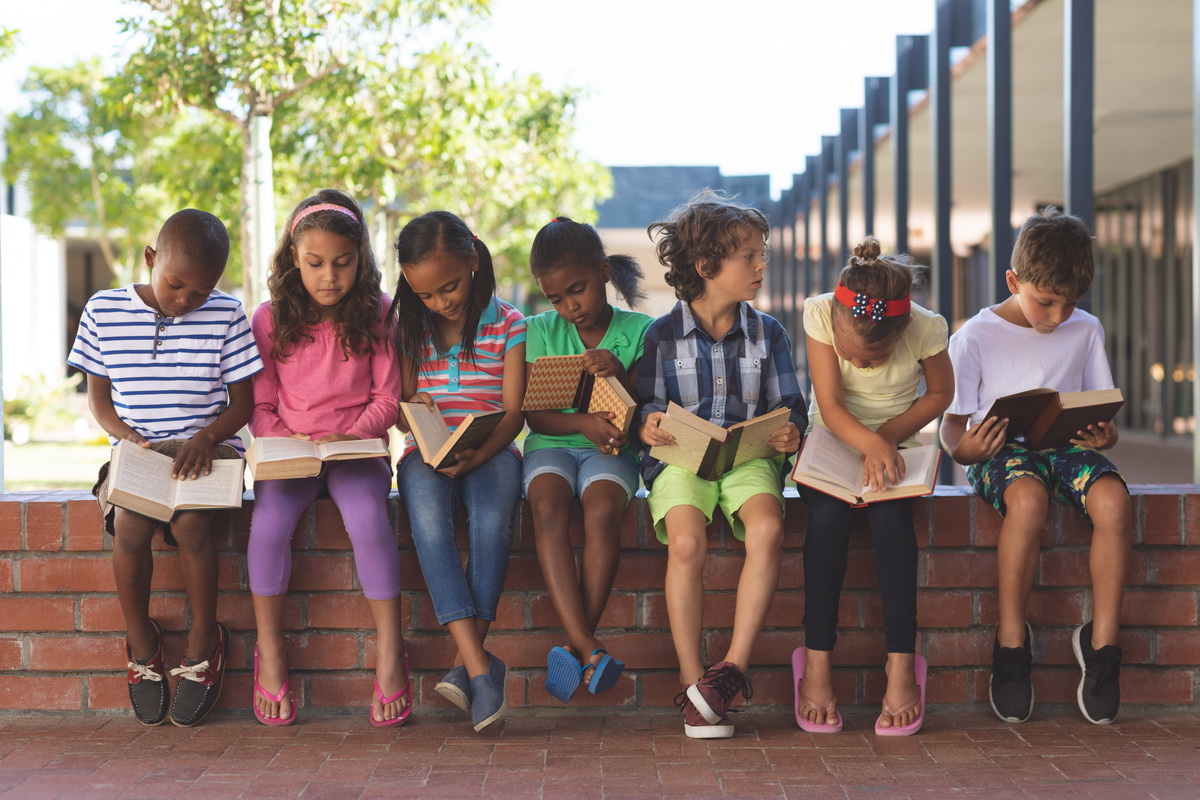



Enhancing observation skills in children ages 4-6 is crucial for their cognitive and emotional development. At this formative stage, young minds are incredibly receptive and curious, soaking in experiences that shape their understanding of the world. Observation skills allow children to notice fine details in their surroundings, fostering a deeper awareness and appreciation of their environment.
For parents, nurturing these skills can empower children to be more independent and self-reliant. When children keenly observe and distinguish between various objects, colors, shapes, and patterns, they develop problem-solving abilities and critical thinking. They start to make connections between different experiences, which is fundamental in learning new concepts and enhancing memory. Moreover, observational skills are linked to improved language abilities, as children learn to describe what they see, thus enriching their vocabulary and communication skills.
Teachers benefit significantly from encouraging observation as it aligns with many educational approaches, such as inquiry-based learning, where students ask questions and investigate. Enhanced observation skills lead to greater focus and attention in class, helping children follow lessons more effectively and boosting their academic performance.
In both settings, fostering observation skills cultivates empathy and social understanding. By observing others, children learn to read facial expressions and body language, leading to better interpersonal relationships and emotional intelligence. Overall, these skills form the bedrock for lifelong learning and personal growth.








