Historical Knowledge Easy Worksheets for Ages 4-6
5 filtered results
-
From - To
Discover engaging Historical Knowledge Easy Worksheets designed specifically for children ages 4 to 6! Our worksheets offer a fun and interactive way for young learners to explore historical events and figures through vibrant illustrations and age-appropriate activities. These resources are perfect for enhancing early educational experiences, sparking curiosity about the past, and making learning enjoyable. Each worksheet is tailored to develop critical thinking and foundational knowledge in history, while also supporting fine motor skills through hands-on tasks. Whether at home or in a classroom, our Historical Knowledge worksheets are a fantastic tool for introducing little ones to the fascinating world of history!
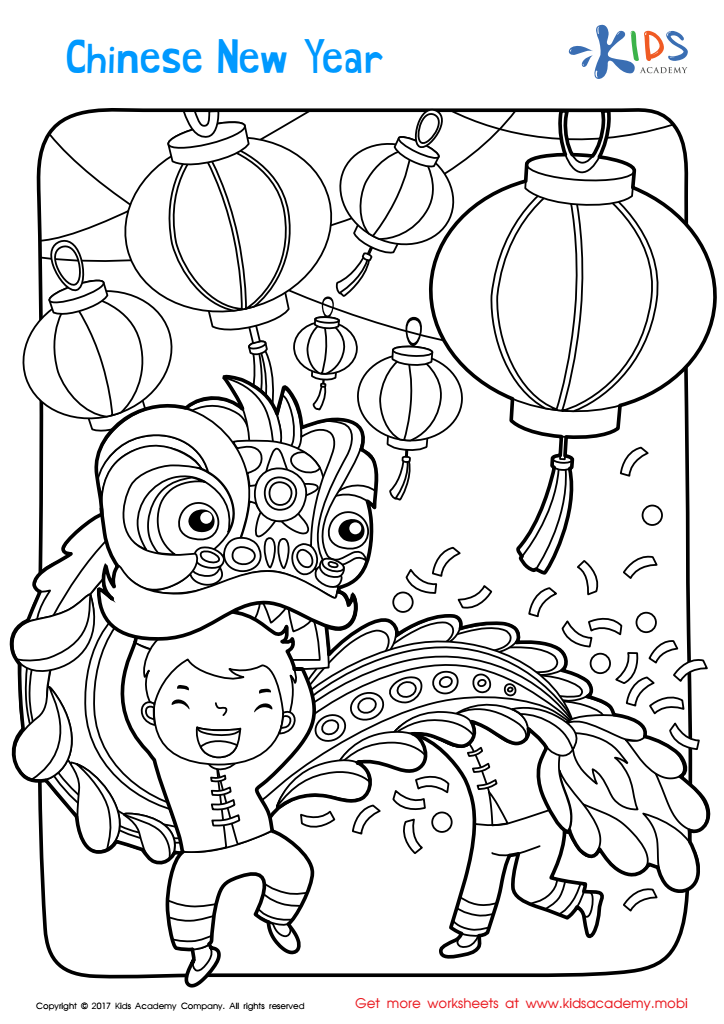
Chinese New Year Worksheet
 Assign to My Students









Parents and teachers should prioritize historical knowledge for children aged 4-6 because it lays the foundation for their understanding of the world. At this early age, children are naturally curious about stories and events, making it an ideal time to introduce them to their cultural heritage and significant figures from the past.
Understanding history enhances language skills and vocabulary as children learn new words associated with historical events or characters. For example, stories of great leaders, inventors, or pioneers can inspire young minds and foster creativity and imagination. History also promotes critical thinking, as children begin to identify differences between the past and their present, cultivating their ability to analyze information.
Moreover, introducing historical concepts can help instill values such as empathy and tolerance by allowing children to relate to diverse experiences and perspectives. When kids learn about various cultures and histories, they become more open-minded and respectful of differences.
Ultimately, early exposure to historical knowledge fosters a sense of identity and belonging, helping children understand their role and responsibility in the world. By prioritizing history in early education, parents and teachers nurture well-rounded individuals equipped to engage thoughtfully with their communities.








