Number Recognition Easy Addition & Subtraction Worksheets for Ages 4-6 - Page 2
28 filtered results
-
From - To
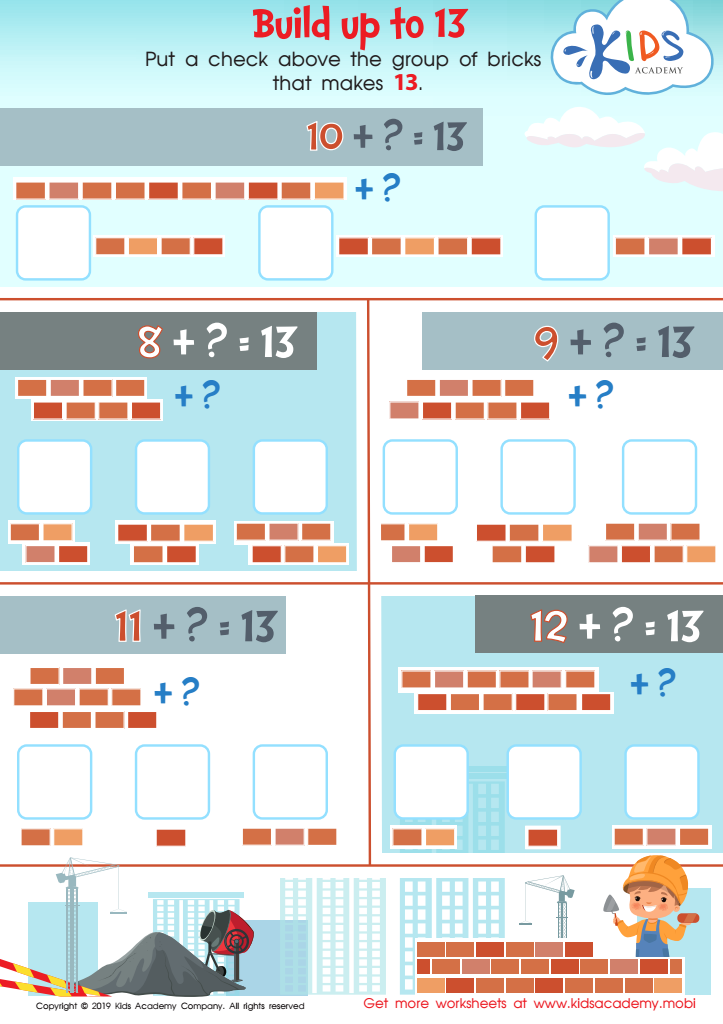
Build up to 13 Worksheet
 Assign to My Students
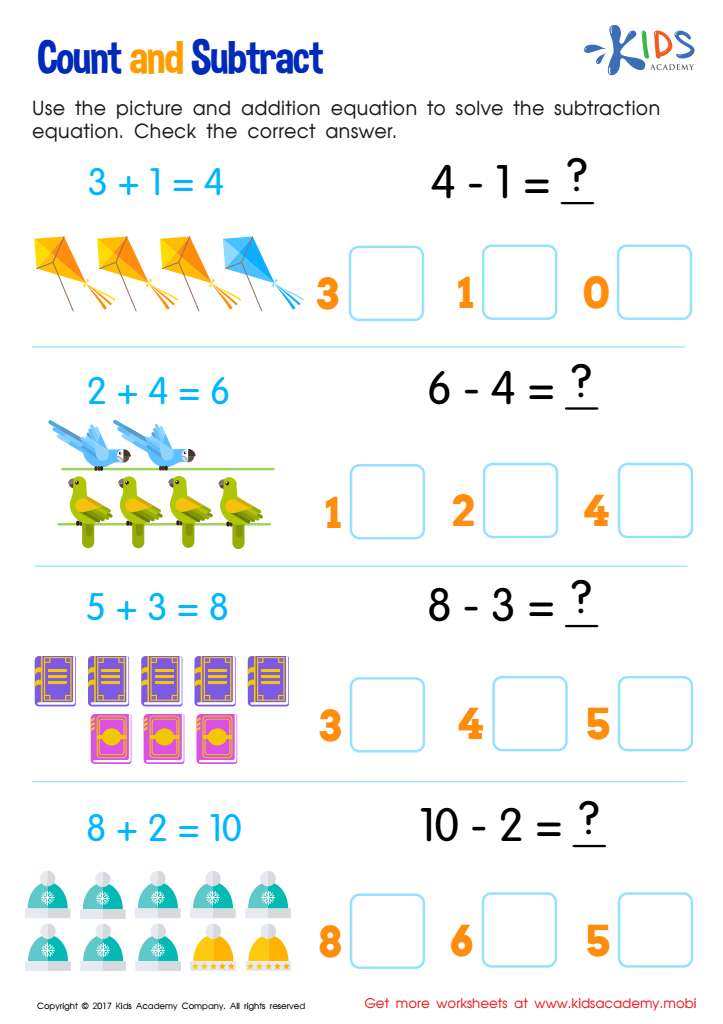
Count and Subtract Worksheet
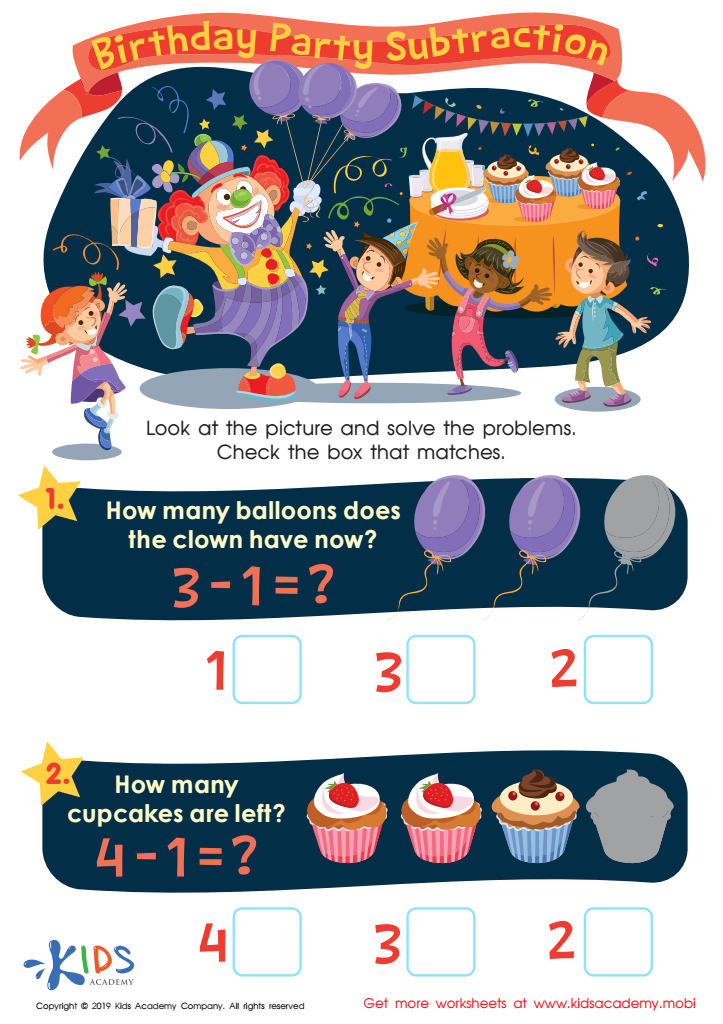
Birthday Party Subtraction Worksheet
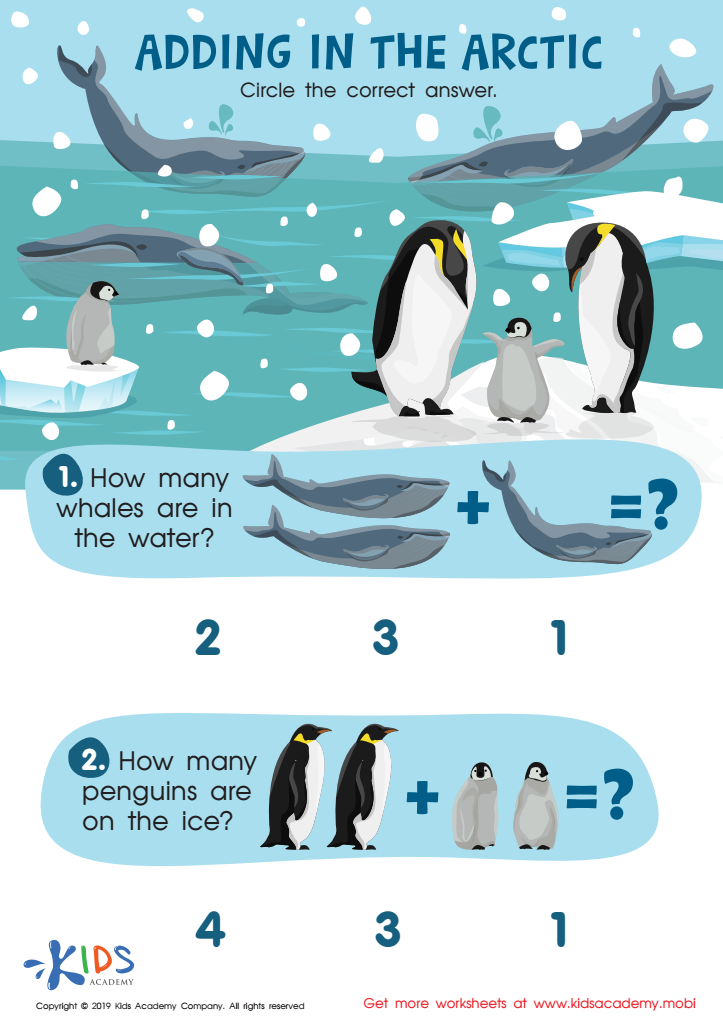
Adding in the Arctic Worksheet








Number recognition and basic addition and subtraction are foundational skills that play a critical role in early childhood education. For children ages 4-6, these skills help pave the way for proficient arithmetic and mathematical thinking, which are essential for everyday problem-solving. When parents and teachers emphasize number recognition, children become more comfortable with numerals, facilitating smoother progress when they encounter more complex math concepts later on.
Additionally, developing early mathematical skills encourages cognitive growth. Engaging children in easy addition and subtraction lays the groundwork for logical reasoning and critical thinking abilities, as they learn to see connections and patterns in numbers. Social skills also benefit as children collaborate in group activities, share answers, and discuss problem-solving techniques.
First experiences with numbers form important attitudes toward math. By fostering a positive environment through playful learning and hands-on activities, adults can help children develop confidence and enjoyment in mathematics. Ultimately, promoting number recognition and early arithmetic skills ensures that children are well-equipped for their future educational journeys, enhancing their overall learning experience and increasing their chances for academic success.








