Problem-Solving Skills Easy Math Worksheets for Ages 4-6 - Page 2
35 filtered results
-
From - To
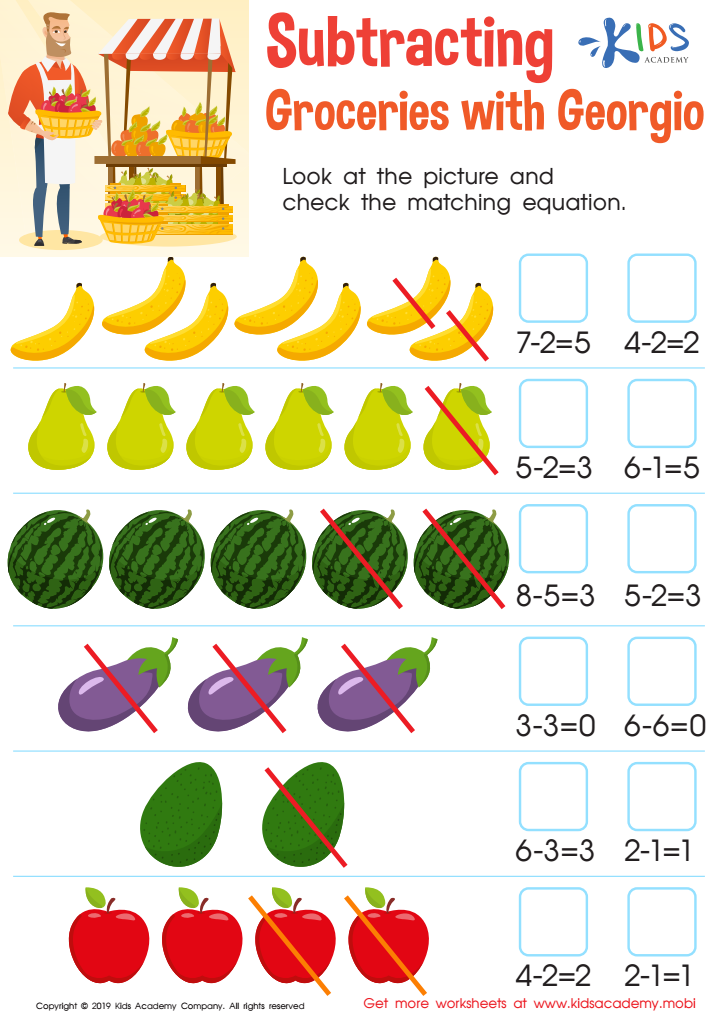
Subtracting: Groceries with Georgio Worksheet
 Assign to My Students
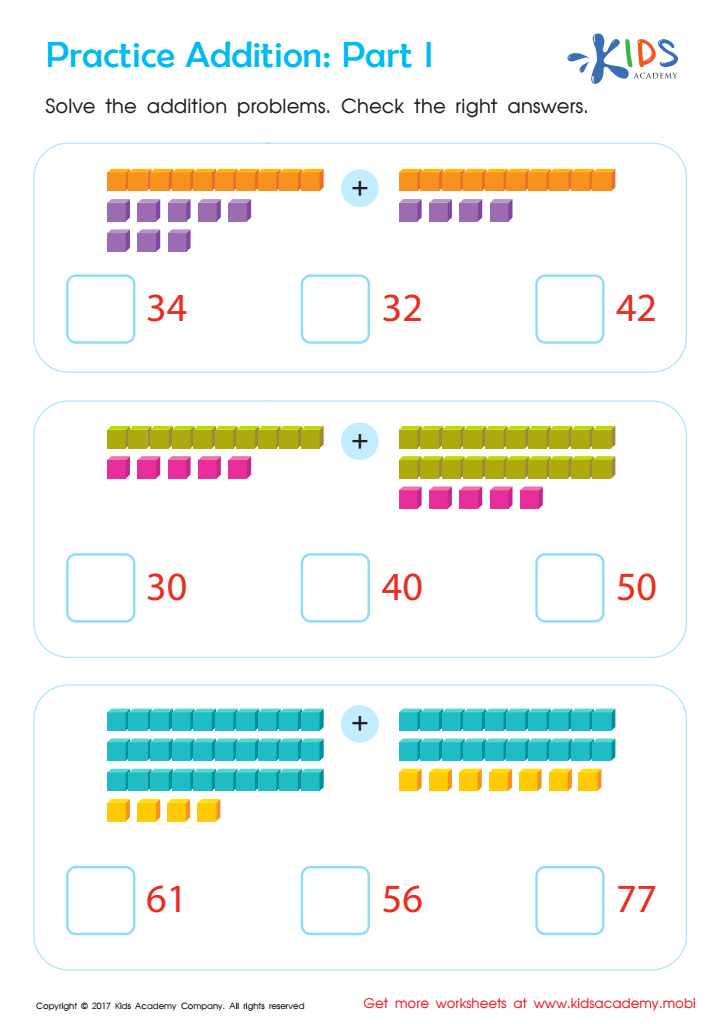
Practice Addition: Part 1 Worksheet
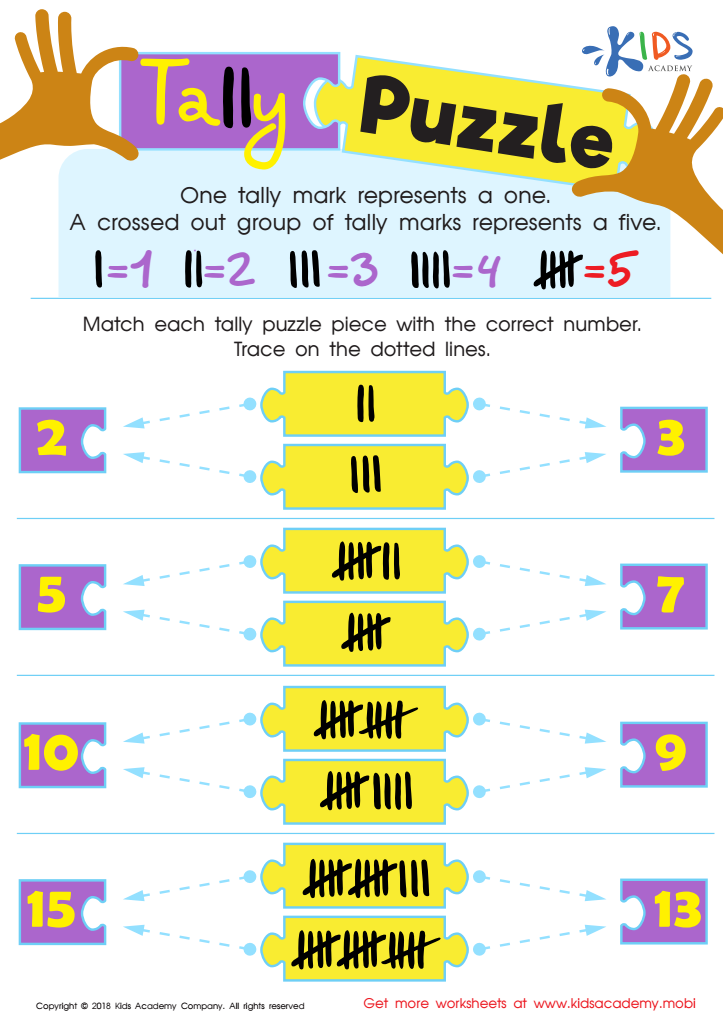
Tally Puzzle Worksheet
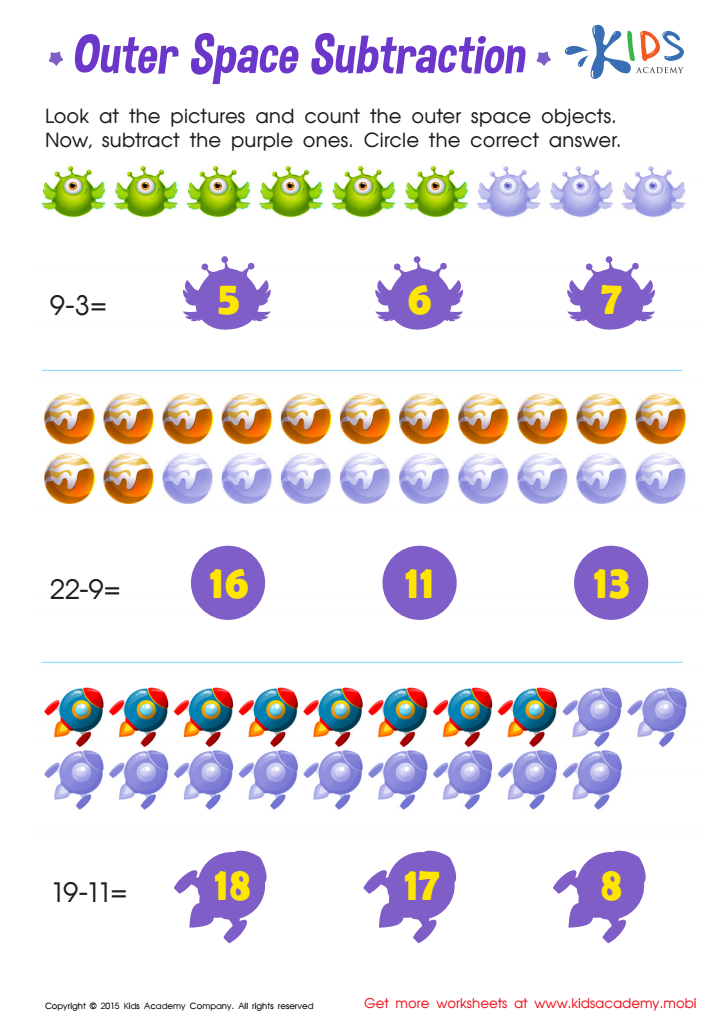
Outer Space Substraction Worksheet

Haystack Steps Worksheet
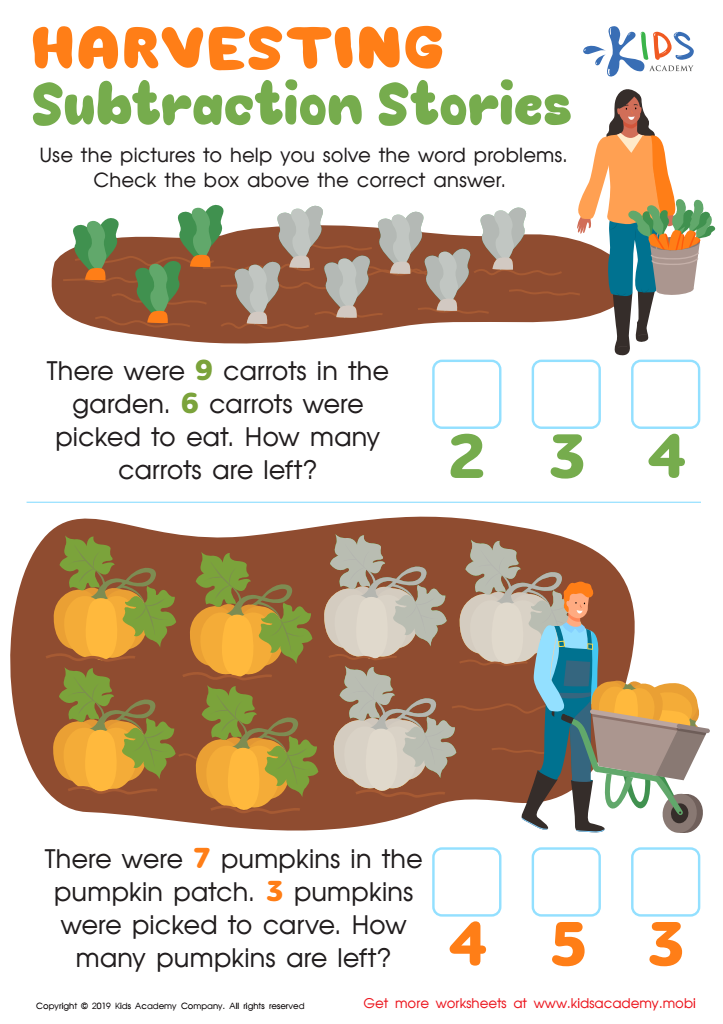
Harvesting Subtraction Stories Worksheet
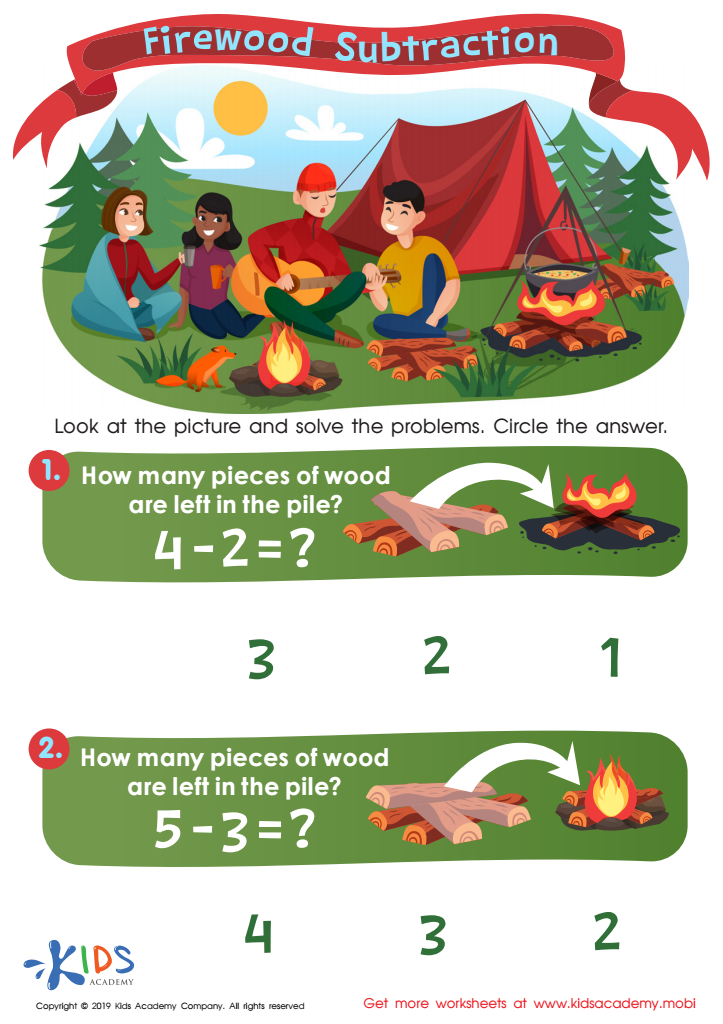
Firewood Subtraction Worksheet
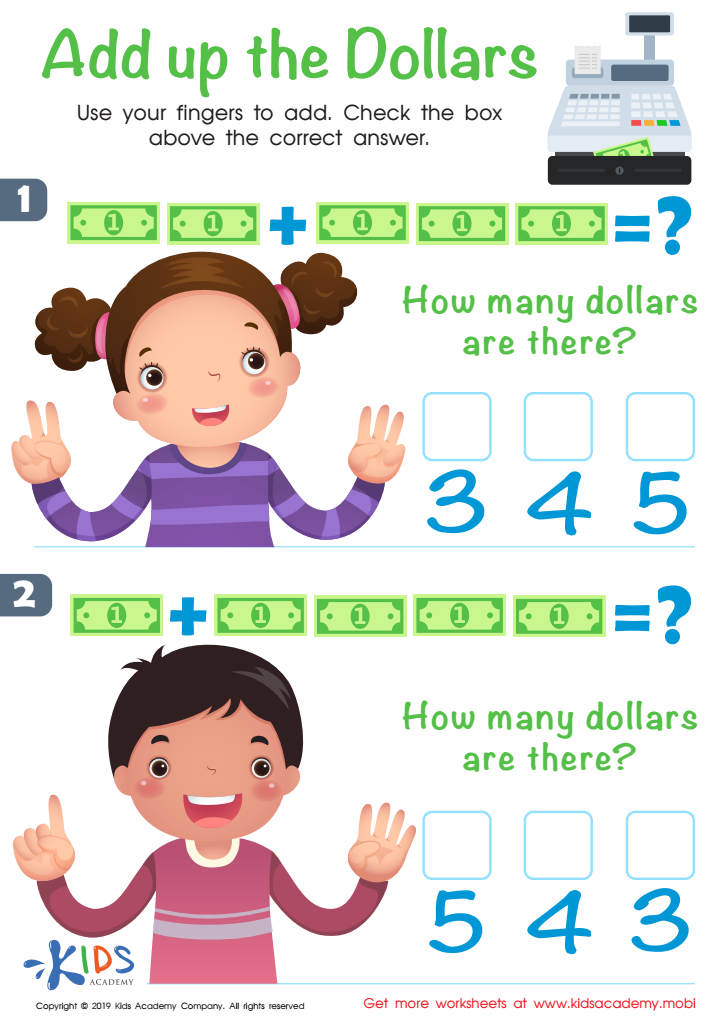
Add up the Dollars Worksheet
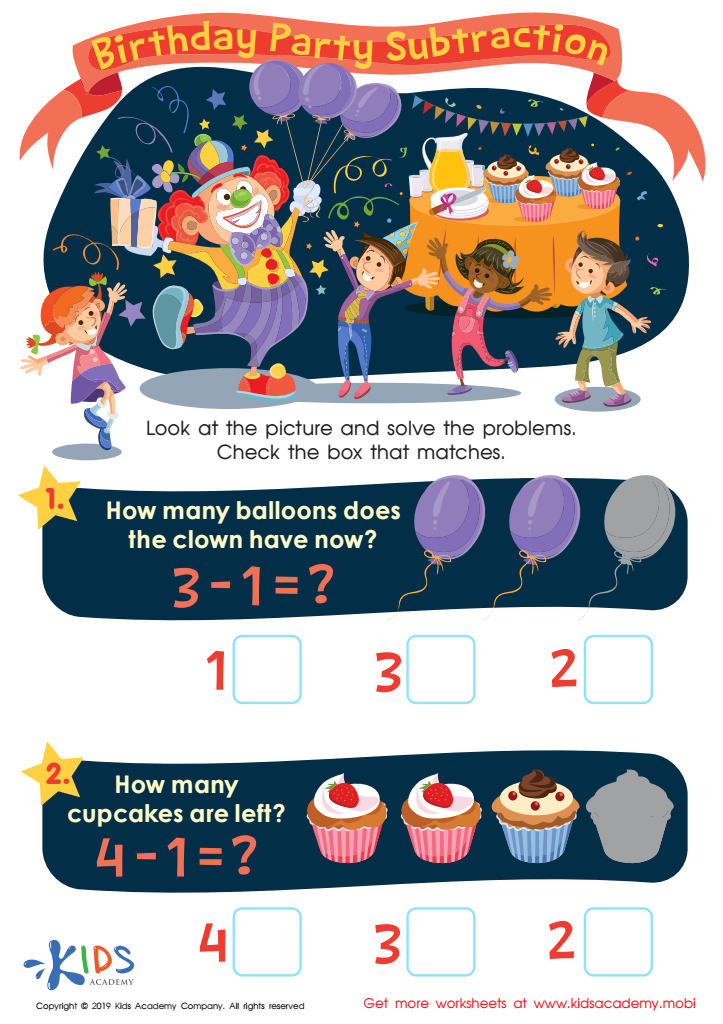
Birthday Party Subtraction Worksheet

Enrichment: Firefighter Ladders Worksheet
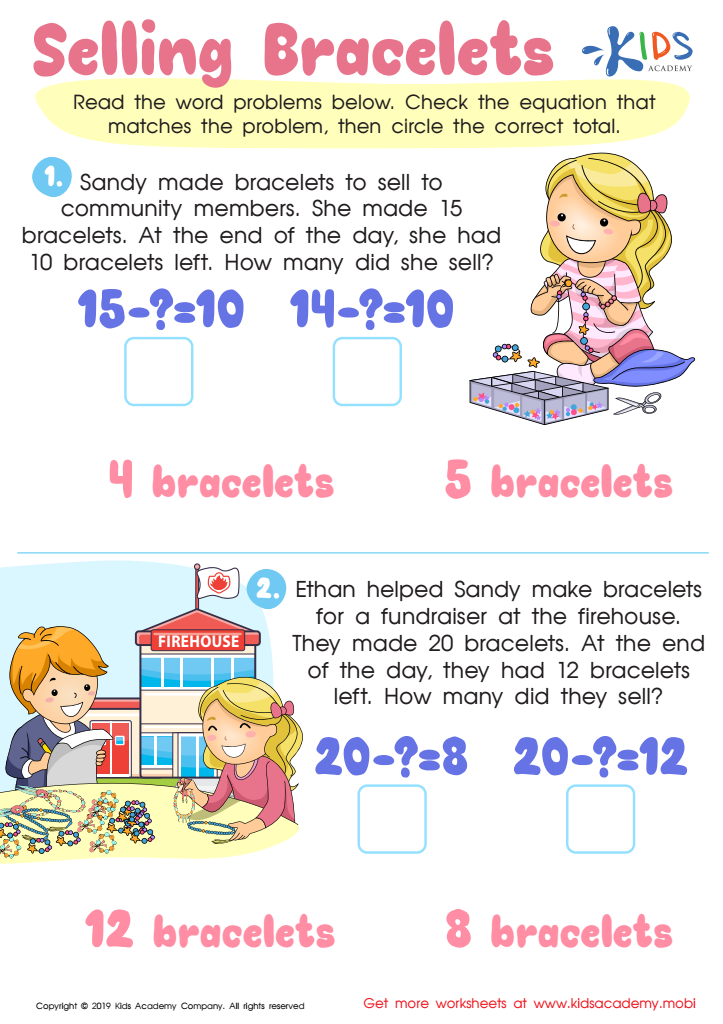
Selling the Bracelets Worksheet








Problem-solving skills are essential for young children, especially for those aged 4-6, as they form a foundation for later academic success and everyday life. Parents and teachers should prioritize these skills because they go beyond basic arithmetic. Engaging in problem-solving activities helps children learn to analyze situations, think critically, and develop a curious mindset.
Encouraging early math problem-solving improves cognitive abilities, as children learn to identify patterns, make connections, and draw logical conclusions. Simple math concepts can be integrated into play, storytelling, and hands-on activities, which make learning fun and memorable. Moreover, these skills support social and emotional development by teaching kids how to approach challenges, stay resilient, and understand the importance of collaboration.
By nurturing problem-solving abilities, educators and parents also help foster innovation and creativity in children. As they grow older, these skills will enable children to tackle more complex problems in school and life, paving the way for academic achievement and lifelong learning. Investing time in developing these essential skills at an early age is crucial, as it empowers children to become confident thinkers and independent learners, ready to explore the world around them.








