Comparing numbers Easy Measurement Worksheets for Ages 4-6
3 filtered results
-
From - To
Discover our "Comparing Numbers Easy Measurement Worksheets" designed specifically for children ages 4-6. These engaging worksheets make learning fun while helping young learners develop essential counting and measurement skills. Through vibrant illustrations and interactive activities, children will master the concept of comparing numbers, building a strong foundation for future math success. Each worksheet encourages critical thinking and improves number recognition, ensuring that kids are excited about learning. Perfect for parents and teachers, these resources provide a delightful way to reinforce math concepts at home or in the classroom. Empower your child's early math journey today with our thoughtfully crafted worksheets!
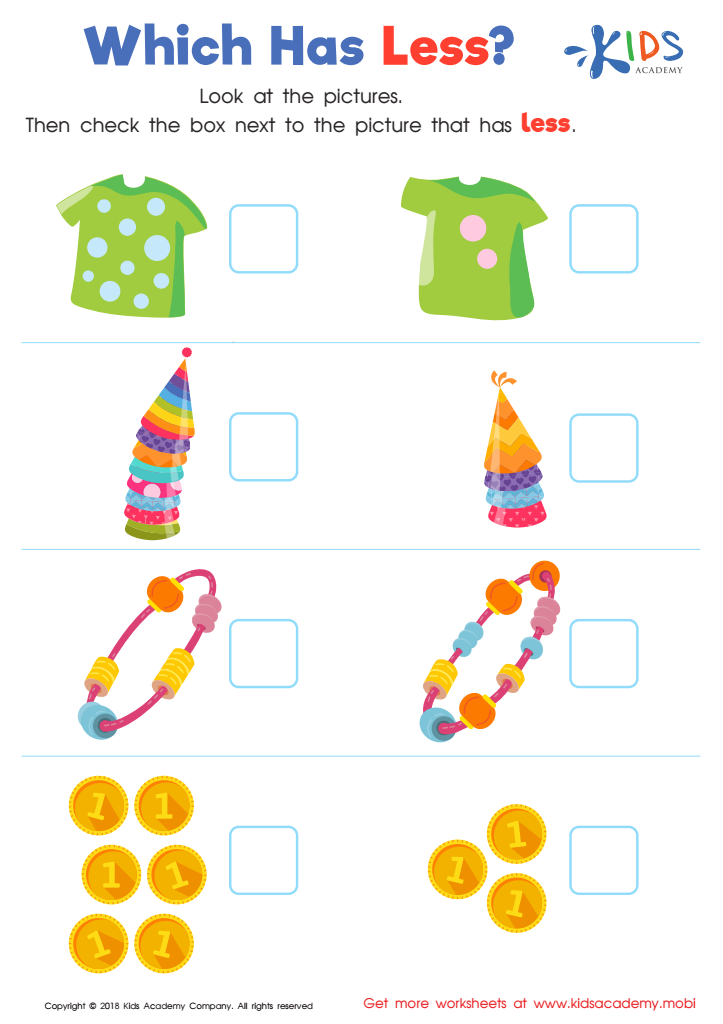
Which Has Less? Worksheet
 Assign to My Students
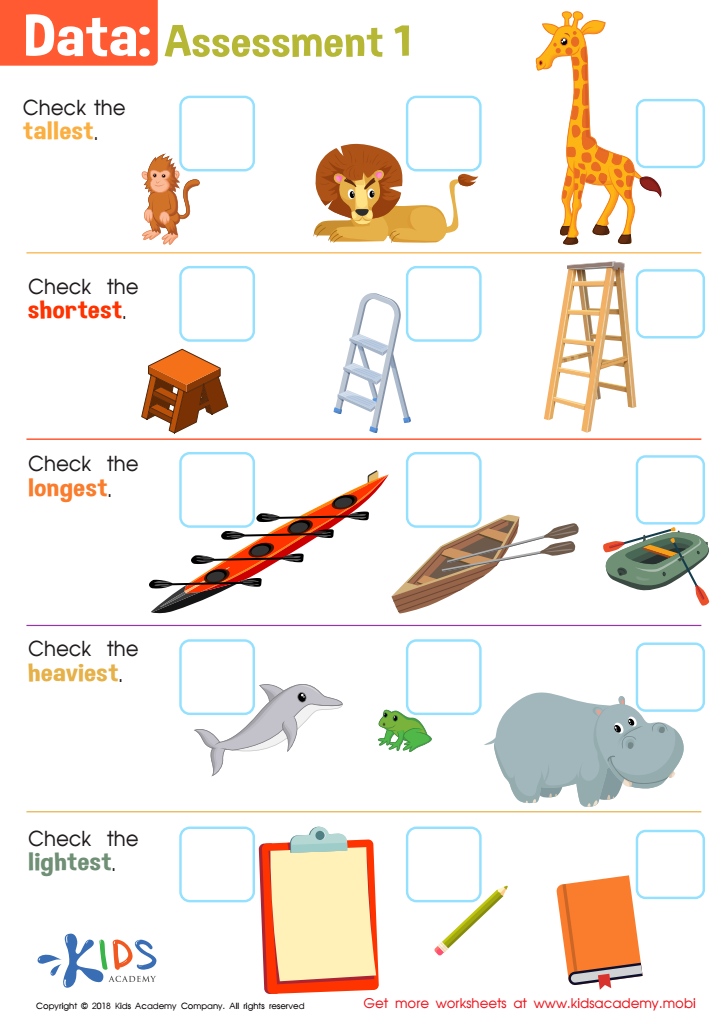
Data: Assessment 1 Worksheet
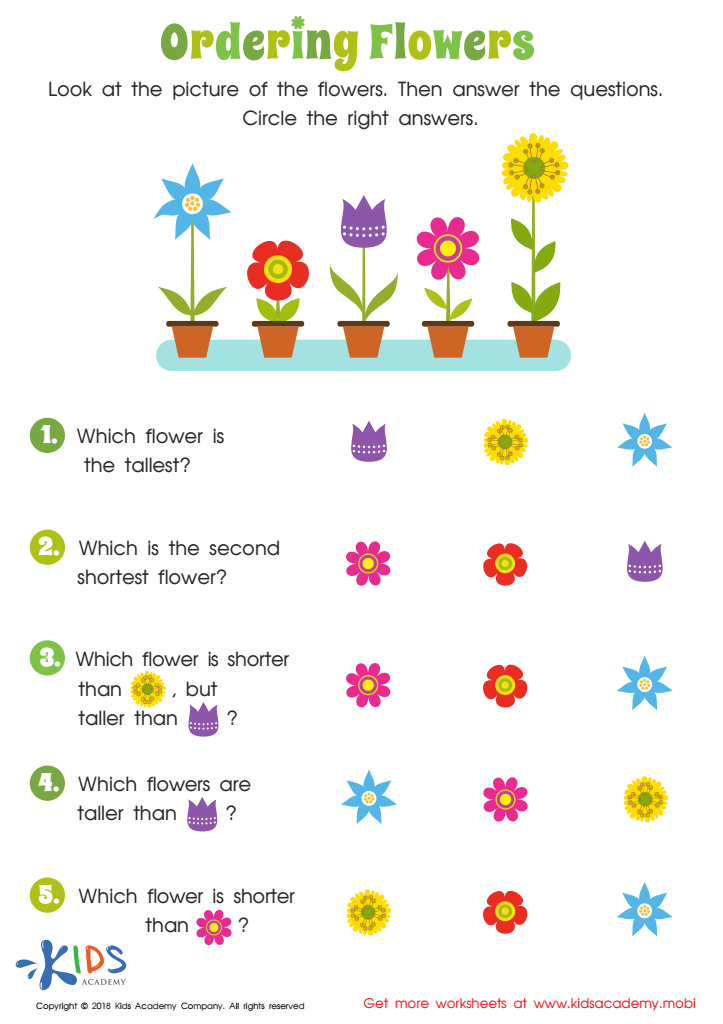
Ordering Flowers Worksheet






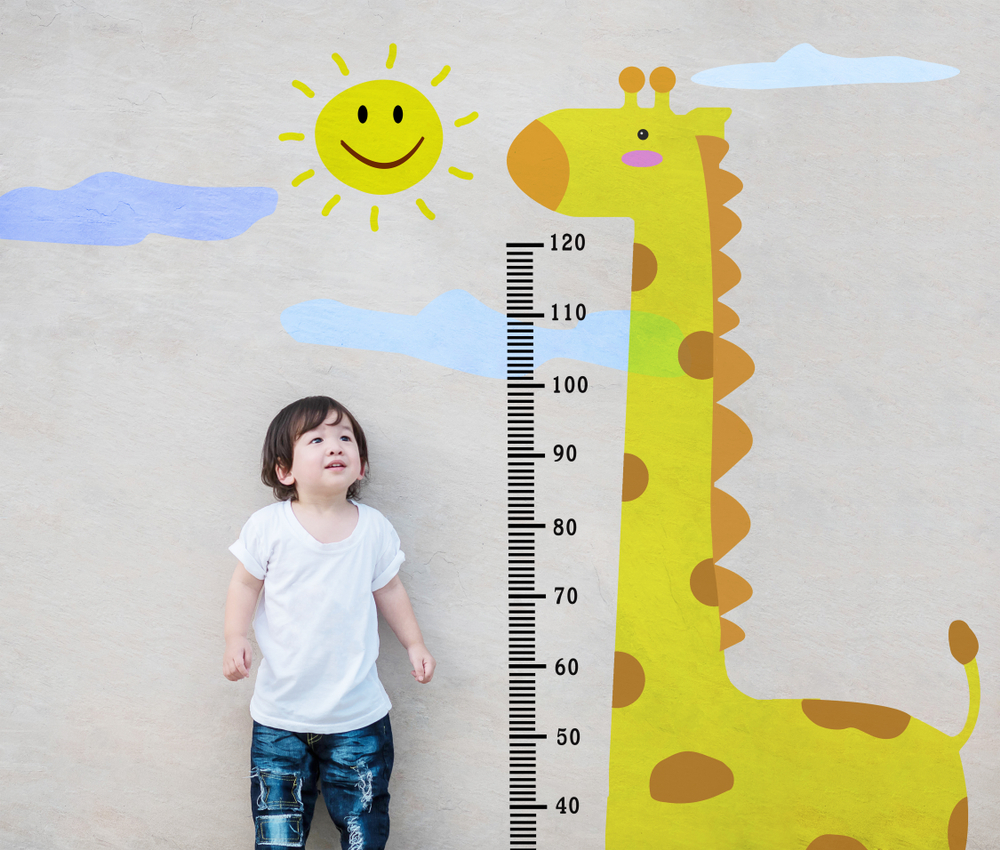

Comparing numbers and understanding measurements are foundational skills for children aged 4-6, making them critical areas for parents and teachers to focus on. At this age, early mathematical concepts lay the groundwork for future academic success. When children learn to compare numbers, they develop foundational skills in critical thinking and problem-solving, which are essential for later mathematical learning.
Moreover, engaging young learners in easy measurement activities, such as using rulers or measuring cups, nurtures their understanding of quantity and size. This not only helps them grasp basic math concepts but also enhances their vocabulary and language skills as they describe what they observe.
Parents and teachers play a vital role in making these concepts engaging and relevant. By incorporating everyday activities, like cooking or playing games, they can create enjoyable experiences that solidify these crucial skills. Early mastery of comparing numbers and measurement prepares children for more complex mathematical challenges as they progress in their education.
Ultimately, nurturing a strong mathematical foundation in young children fosters confidence and a positive attitude towards learning, helping them become enthusiastic learners as they advance through school. Thus, it is imperative for caregivers to emphasize these concepts during this formative stage.








