Categorization skills Easy Numbers 0–10 Worksheets for Ages 4-6
3 filtered results
-
From - To
Enhance your child's learning journey with our "Categorization Skills Easy Numbers 0–10 Worksheets" designed specifically for ages 4-6. These engaging worksheets combine fun and education, helping young learners develop essential categorization skills while working with numbers 0 to 10. By organizing items based on attributes like size, color, or quantity, children will strengthen their critical thinking and comprehension abilities. The worksheets are colorful, easy to navigate, and tailored to bright young minds. Perfect for parents and educators, these resources make math enjoyable and interactive, ensuring your little ones build a solid foundation for future learning. Discover exciting learning experiences today!
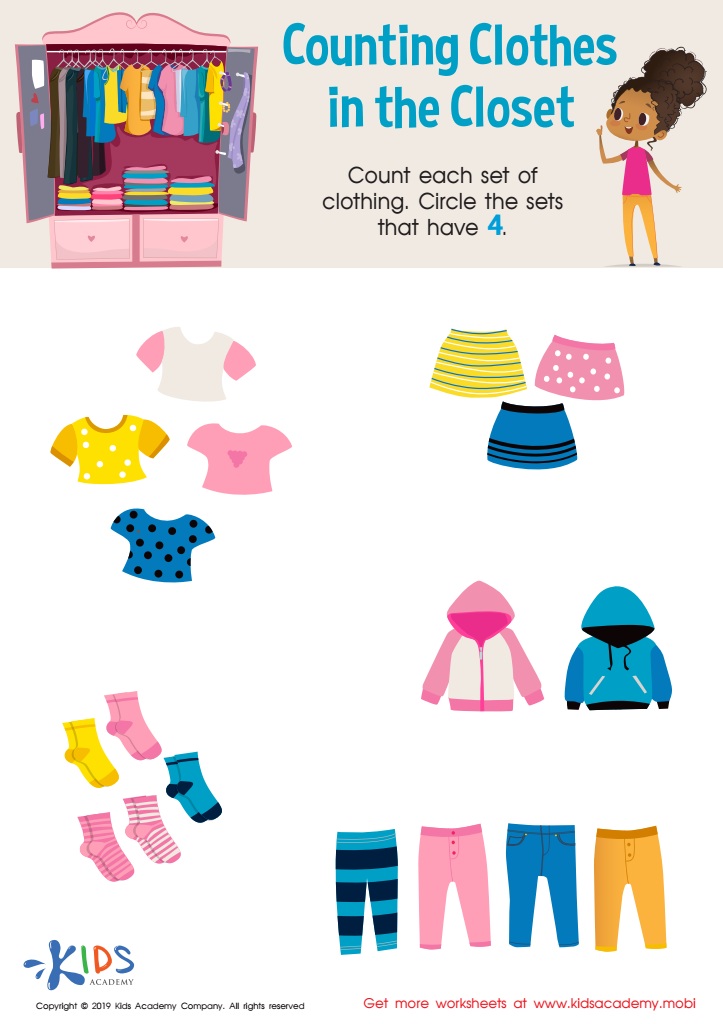
Counting Clothes Worksheet
 Assign to My Students
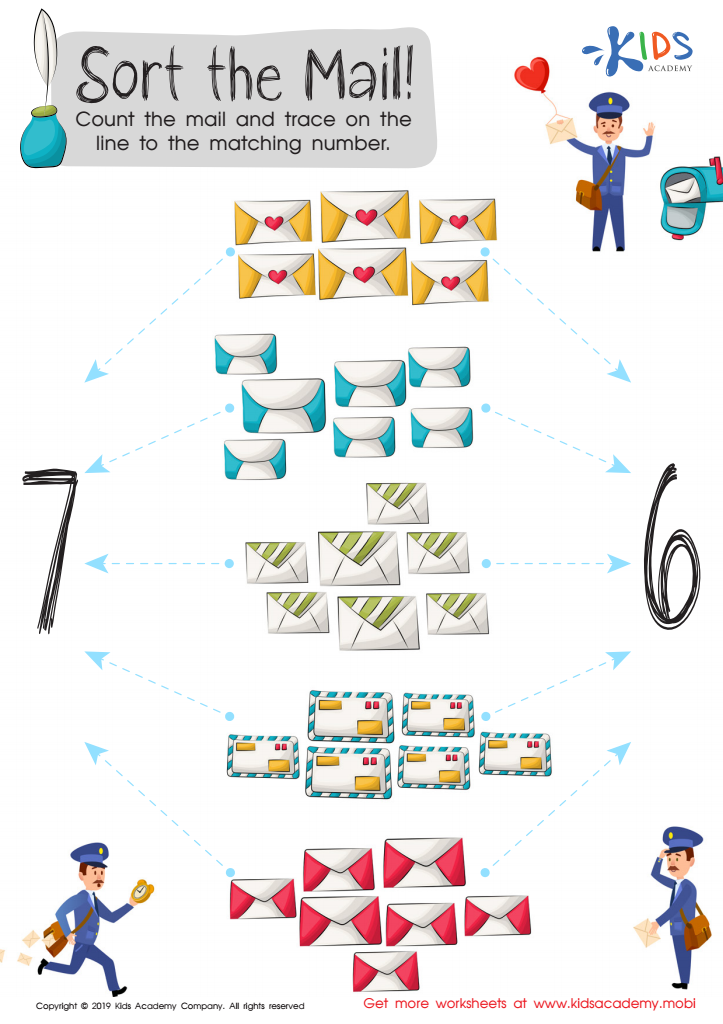
Sort the Mail Worksheet
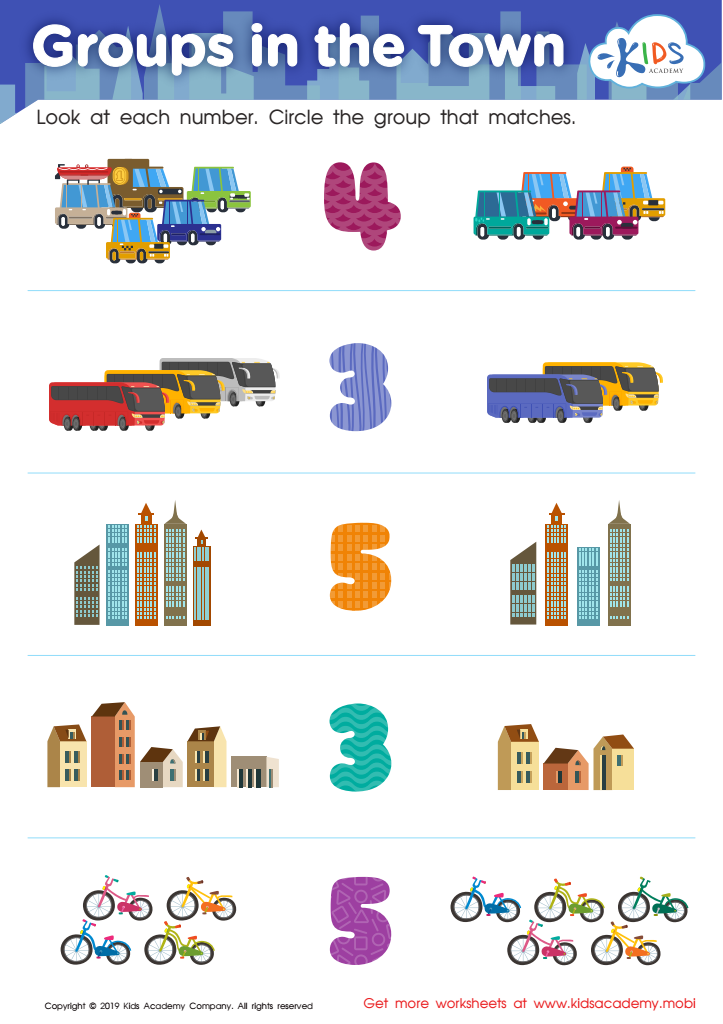
Groups in the Town Worksheet








Categorization skills, particularly with easy numbers from 0-10, are essential for children aged 4-6 as they serve as foundational cognitive skills that promote critical thinking and organization. These early skills help children understand relationships between objects, numbers, and their attributes. Teaching kids to categorize numbers supports their numeracy development, laying the groundwork for more advanced math concepts, such as addition, subtraction, and pattern recognition.
For parents and teachers, nurturing these skills can lead to improved problem-solving abilities, fostering independence in children. By learning to group and distinguish between numbers, children develop essential analytical skills that aid them in everyday situations, such as sorting toys or selecting appropriate quantities when sharing.
Additionally, categorization enhances language development and communication skills. As children articulate their thought processes in class, they build confidence and social skills, preparing them for collaborative group work in school.
Overall, prioritizing categorization of easy numbers not only enriches early childhood education but also helps children create connections in learning, building a strong academic foundation for future success. Investing time in these foundational skills can yield lasting benefits for children as they transition to more complex concepts in mathematics and beyond.