Sorting skills Easy Numbers 0–10 Worksheets for Ages 4-6
3 filtered results
-
From - To
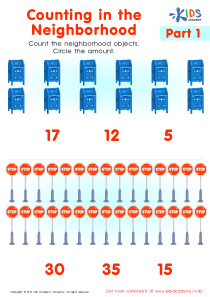
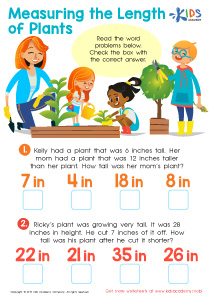
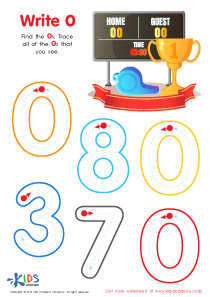
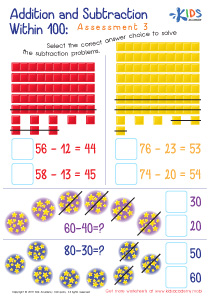
Enhance your child's learning experience with our "Sorting Skills Easy Numbers 0-10 Worksheets" designed specifically for ages 4-6! These engaging printable worksheets help young learners develop essential sorting skills while exploring numbers in a fun and interactive way. Featuring colorful illustrations and age-appropriate activities, children will enjoy categorizing numbers, enhancing their understanding of numerical values, and boosting their cognitive abilities. Our worksheets promote fine motor skills and critical thinking as kids sort and classify numbers easily. Perfect for home or classroom use, these resources help foster a love for learning in early childhood. Get started today and watch your child's confidence grow!
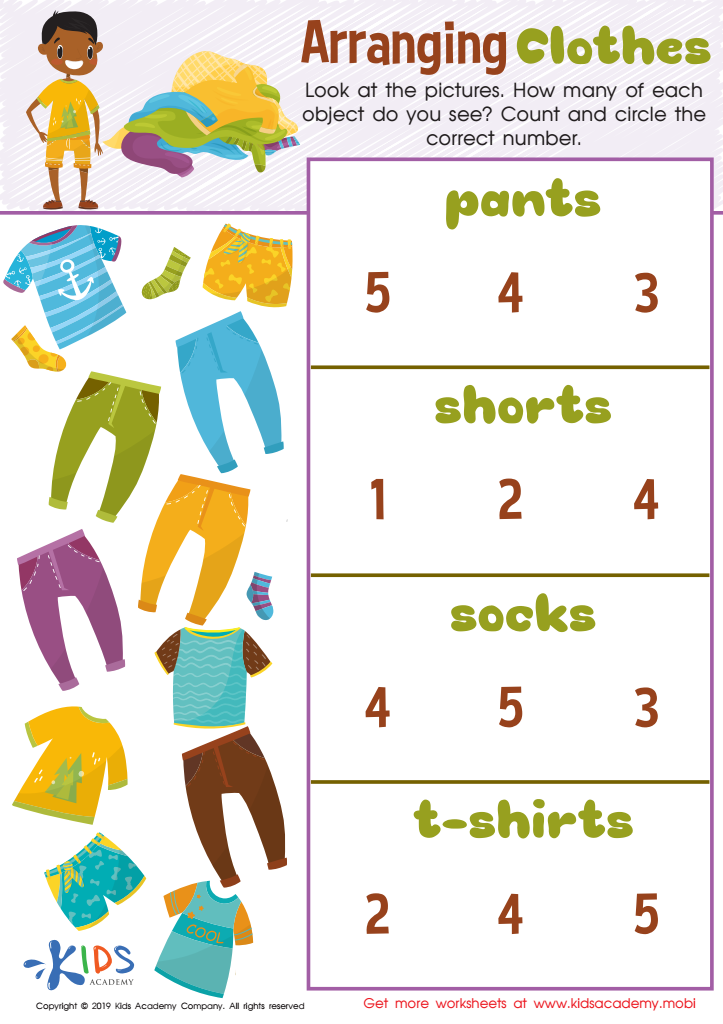
Arranging Clothes Worksheet
 Assign to My Students
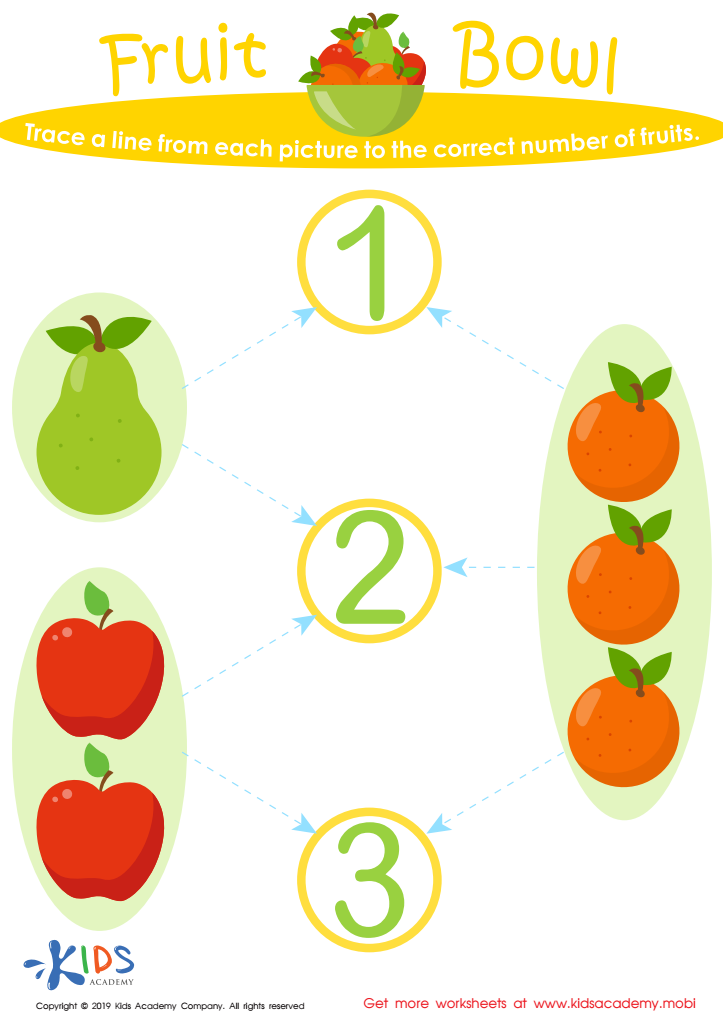
Fruit Bowl Worksheet
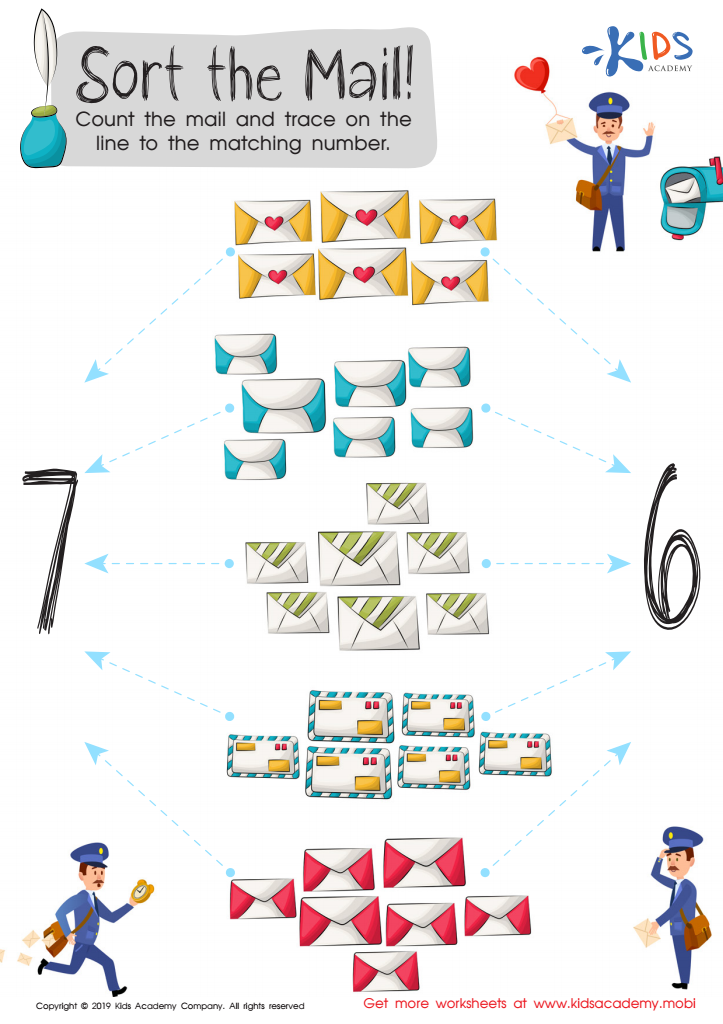
Sort the Mail Worksheet








Sorting skills for numbers 0-10 are crucial for children aged 4-6 as they lay the foundation for essential mathematical concepts. At this early stage in development, children are naturally curious and eager to learn, making it the perfect time for introducing sorting activities that enhance their cognitive abilities.
First, sorting helps children recognize patterns and relationships,-key components of mathematical understanding. Engaging in sorting activities allows young learners to categorize numbers, understand greater than or less than, and develop an early sense of quantity.
Moreover, sorting promotes critical thinking and problem-solving skills. When children sort objects or numbers, they learn to make decisions about how to group items, fostering their independence and analytical capabilities.
Additionally, sorting activities can improve fine motor skills as children manipulate physical objects or engage in digital sorting games, enhancing their hand-eye coordination.
Finally, these activities can encourage cooperative play and language development as children discuss and explain their sorting criteria with peers or caregivers.
In summary, sorting skills for numbers 0-10 not only support early math proficiency but also contribute to broader developmental benefits, making it essential for parents and teachers to prioritize these skills in young learners.