Letter recognition Easy Reading Worksheets for Ages 4-6
3 filtered results
Difficulty Level
Grade
Age
-
From - To
Subject
Activity
Standards
Discover our "Letter Recognition Easy Reading Worksheets" designed specifically for children aged 4-6. These engaging worksheets support early literacy development by helping young learners identify and differentiate letters through fun activities. Our resource features colorful illustrations, interactive exercises, and a variety of formats to cater to different learning styles. Children will practice tracing, matching, and recognizing both uppercase and lowercase letters, setting a solid foundation for reading skills. Foster a love for learning with these easy-to-use worksheets that make letter recognition enjoyable and effective. Perfect for parents, educators, and homeschooling, enriching young minds has never been easier!
Favorites
With answer key
Interactive
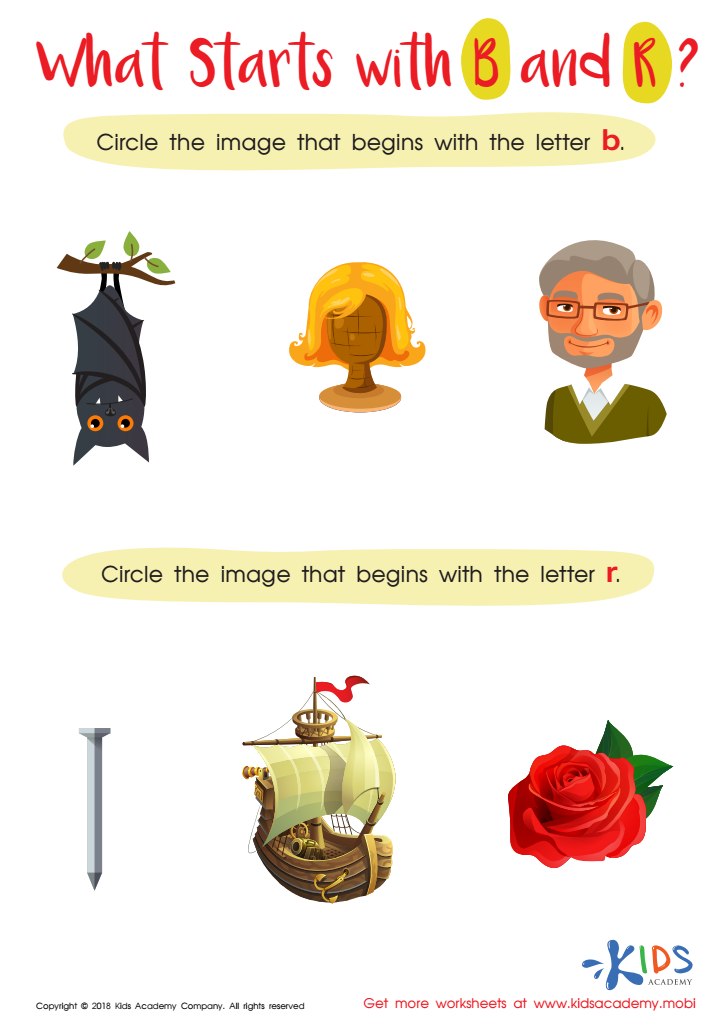
What Starts with B and R? Worksheet
Download this worksheet to help young readers practice visual and motor skills! They'll enjoy matching pictures with "B" and "R" letters while tracing the images. Bright and colorful, this engaging activity will help kids differentiate between words and have fun doing it.
 Assign to My Students
What Starts with B and R? Worksheet
Worksheet
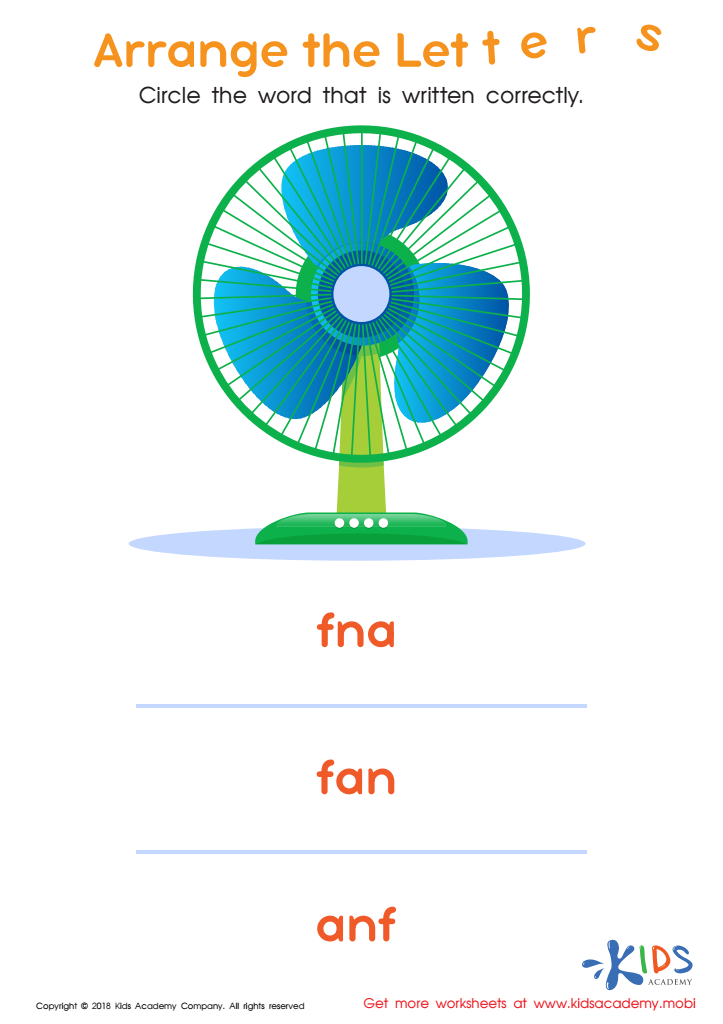
Arrange the Letters Worksheet
Test your kids' spelling skills with this worksheet! Show them the picture and ask what it stands for. Then, have them choose the correct spelling from the options given. Check their answer by circling the right one.
Arrange the Letters Worksheet
Worksheet
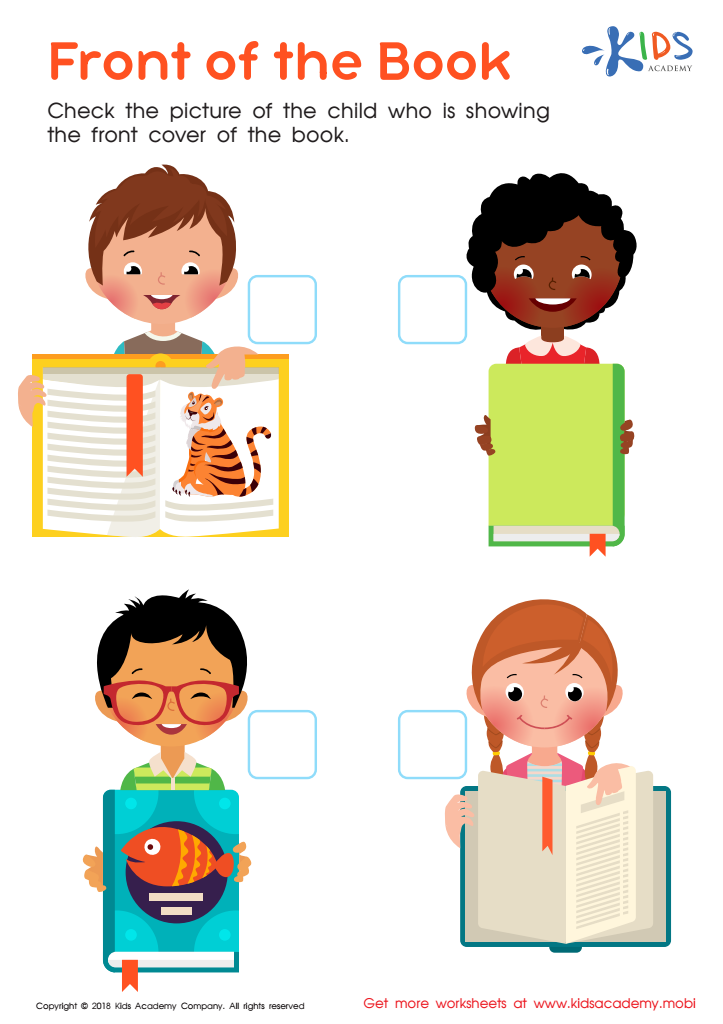
Front of the Book Worksheet
Help your child become a reader with this free worksheet! It's full of fun new friends and is designed to help kids understand concepts about the front of a book. They'll look at each picture and decide which friend is holding the book with the front cover, and check off the correct answer in the given boxes. Get your little one ready to be a reader!
Front of the Book Worksheet
Worksheet
Join Kids Academy for Free
Who is primarily going to use this learning content?








Letter recognition is a foundational skill for early reading development and plays a crucial role in a child's literacy journey, particularly for ages 4-6. Parents and teachers should prioritize this skill because it sets the stage for successful reading and writing. By recognizing letters, children learn to associate them with sounds, which is essential for phonics and decoding words.
When children can quickly identify letters, they feel more confident as they progress towards reading whole words and sentences. This confidence boosts their motivation and enjoyment of reading, helping to develop a lifelong love of literature. Additionally, letter recognition supports vocabulary development; as children encounter familiar letters in different contexts, they expand their understanding of language.
Encouraging letter recognition through fun and engaging activities—such as games, phonetic songs, and interactive storytelling—makes learning enjoyable. This essential skill also helps bridge the gap between spoken language and written symbols, paving the way for effective communication. Ultimately, fostering letter recognition in early learners not only equips them with essential literacy skills but also nurtures their overall cognitive and academic growth, making it a critical focus for both parents and educators.