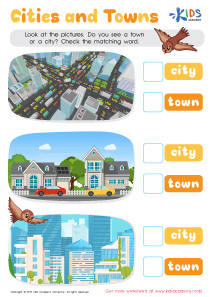
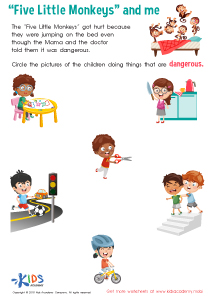
Story sequencing Easy Reading Worksheets for Ages 4-6
3 filtered results
-
From - To
Introduce young learners to the joy of reading with our "Story Sequencing Easy Reading Worksheets for Ages 4-6." These engaging worksheets help children develop essential reading and comprehension skills by arranging story events in the correct order. Ideal for early readers, each activity is designed to enhance understanding of narrative structure while having fun. Perfect for classroom use or at-home practice, our worksheets support reading readiness and critical thinking. Foster a love for stories and build a strong literary foundation with this valuable educational resource, available for easy download. Let your child's reading journey begin with us!
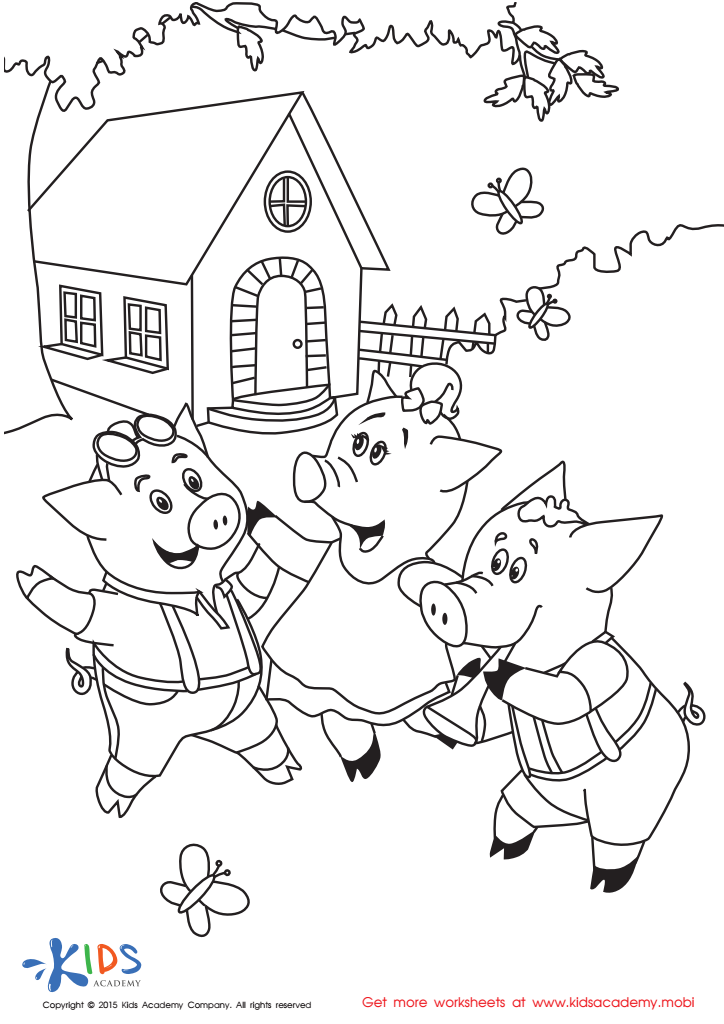
Folktales Printable PDF Worksheet: The 3 Little Pigs
 Assign to My Students
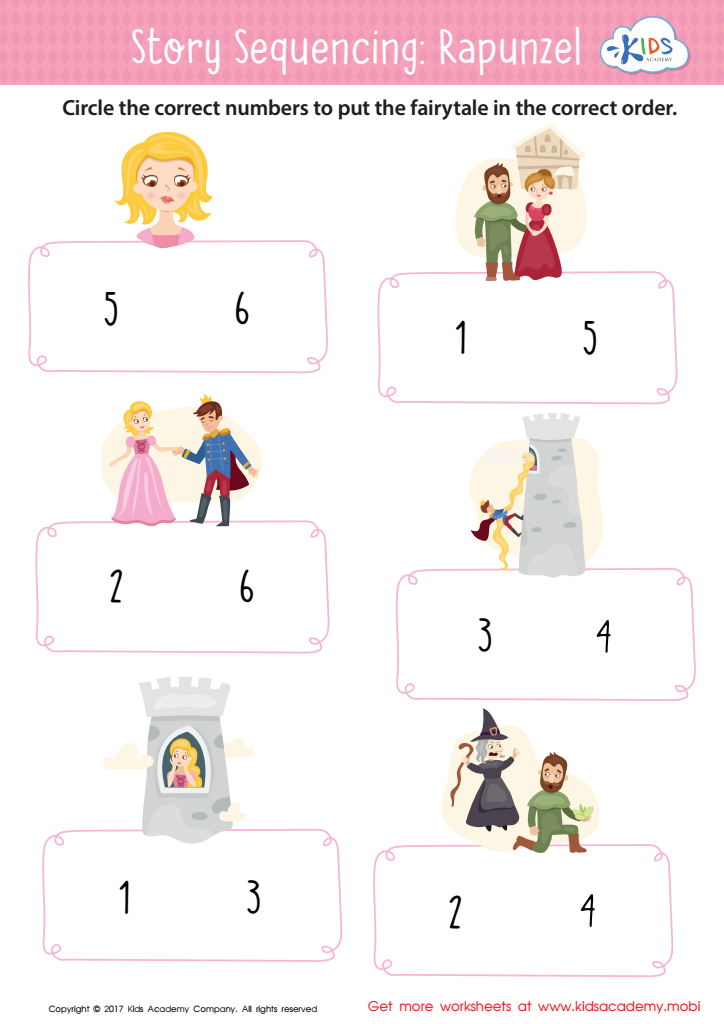
Rapunzel Story Sequencing Worksheet
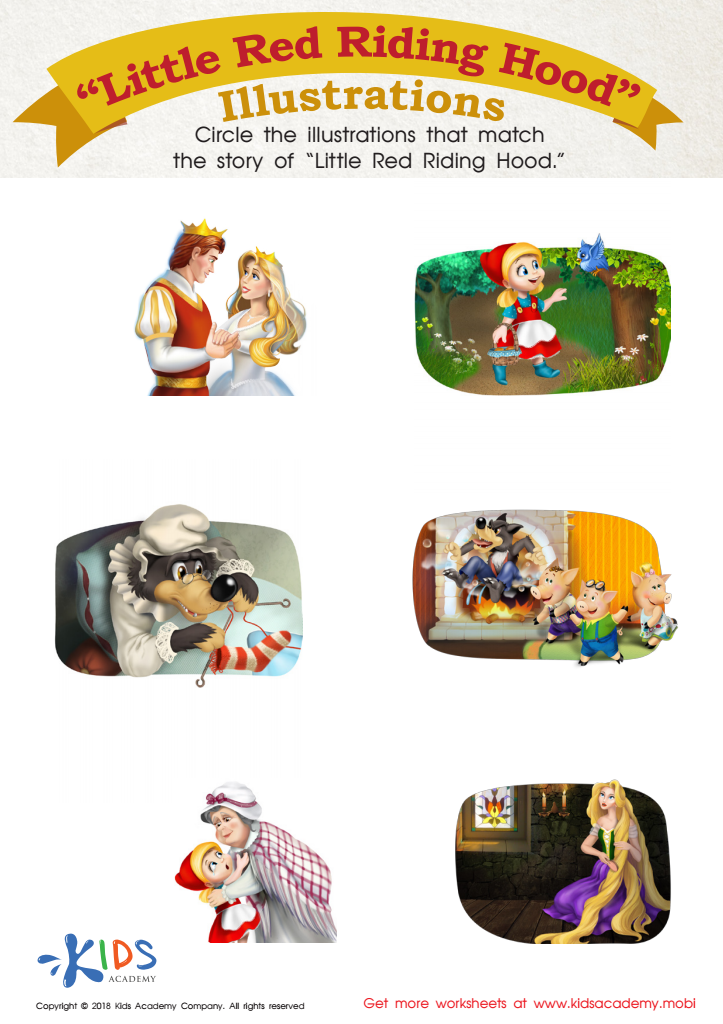
Little Red Riding Hood: Illustrations Worksheet








Story sequencing in easy reading for ages 4-6 is a fundamental component in early childhood education that offers significant advantages for cognitive and linguistic development. Understanding the sequence of events in a story helps children grasp the concepts of order, causality, and chronology, thereby strengthening their ability to comprehend and analyze text critically.
Engaging in story sequencing activities reinforces vocabulary, as children learn to describe actions and events coherently. This practice enhances their speaking and listening skills, which are crucial for effective communication. It also bolsters their ability to predict outcomes and make inferences, thereby sharpening their problem-solving skills.
Parents and teachers should prioritize story sequencing because it nurtures a child's creativity and imagination. By identifying and recalling key story elements (beginning, middle, and end), children learn to construct narratives of their own, a foundational skill in both spoken and written communication.
Moreover, such activities promote patience and attention to detail as children focus on the storyline and notice subtleties they might initially overlook. The sense of achievement they feel when they successfully sequence a story boosts their confidence and encourages a love for reading. Thus, story sequencing is a multifaceted educational tool that lays a strong groundwork for lifelong literacy and cognitive abilities.