Story sequencing Easy Reading Comprehension Worksheets for Ages 4-6
3 filtered results
-
From - To
Enhance your child's reading skills with our "Story Sequencing Easy Reading Comprehension Worksheets" designed for ages 4-6. These engaging worksheets help young readers improve their understanding by arranging story events in the correct order. Through playful and educational exercises, children gain confidence in connecting sequences, recognizing plot structure, and retrieving key details. Perfect for early learners, our printable resources make reading a delightful journey, fostering critical thinking and language development. Ideal for both classroom and at-home activities, these worksheets support and motivate young minds towards successful reading comprehension. Make learning fun and accessible with Kids Academy!
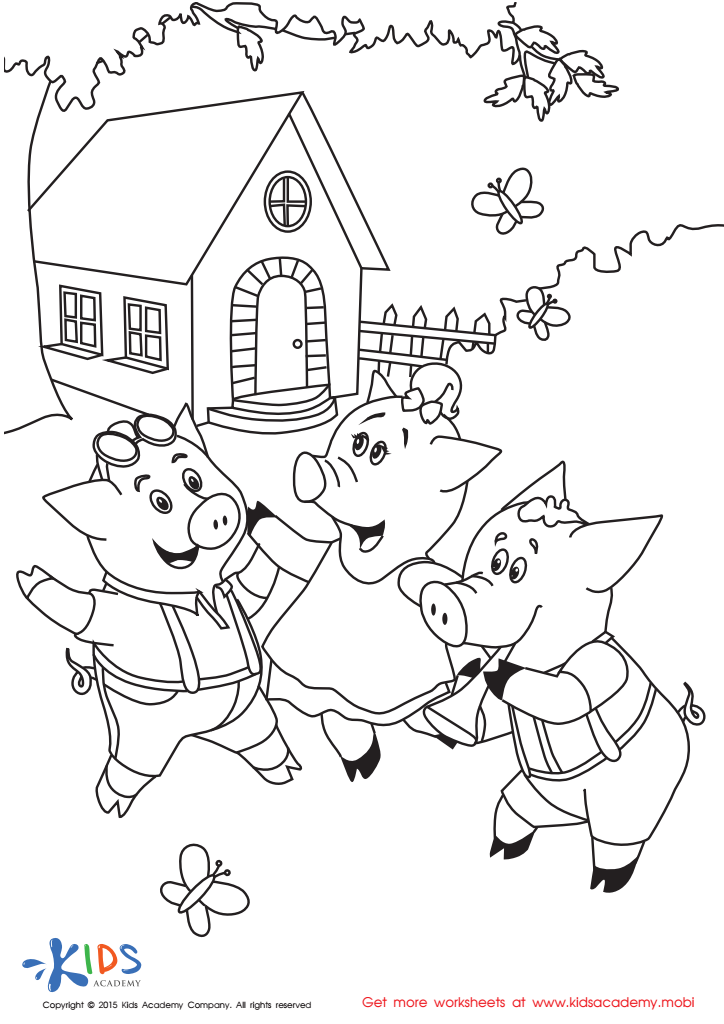
Folktales Printable PDF Worksheet: The 3 Little Pigs
 Assign to My Students
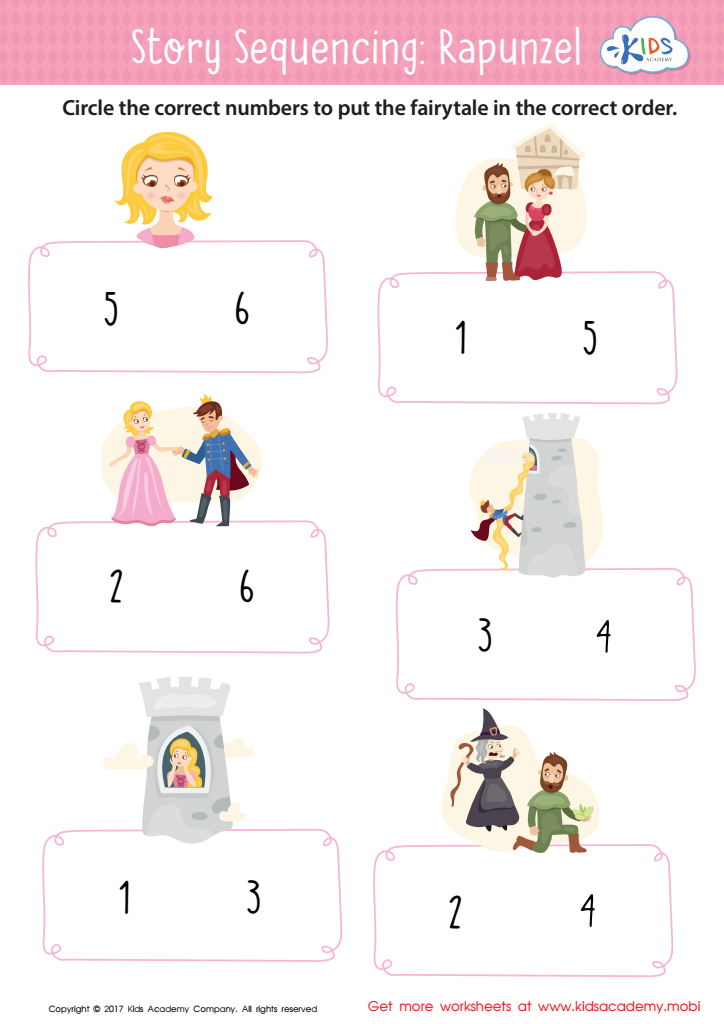
Rapunzel Story Sequencing Worksheet
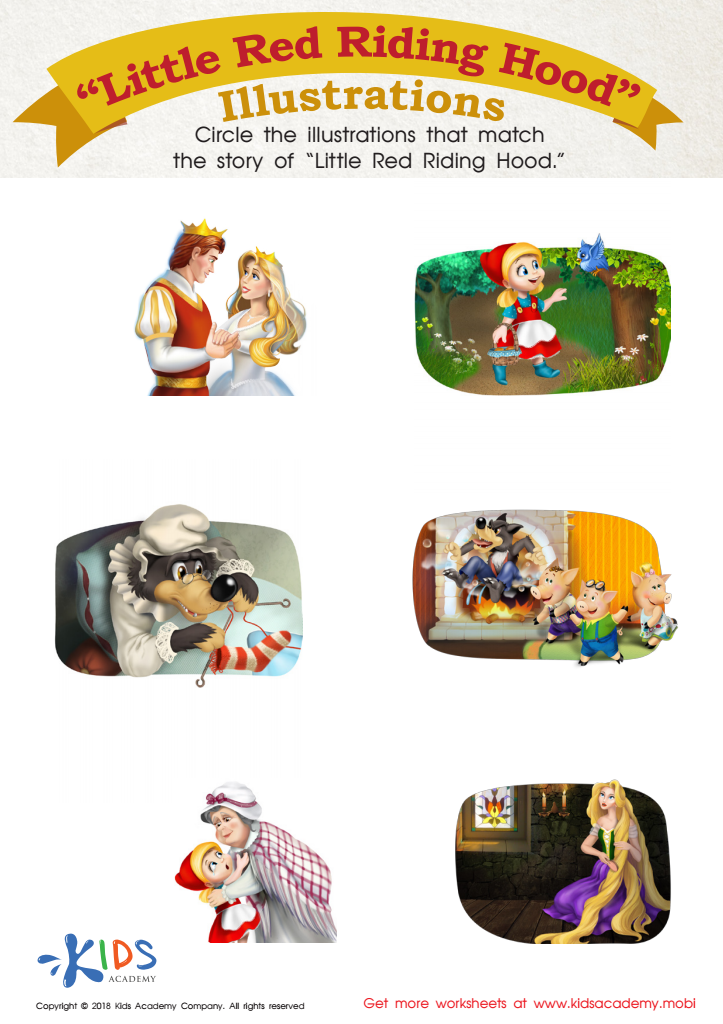
Little Red Riding Hood: Illustrations Worksheet








Story sequencing is crucial for young children’s reading comprehension and overall cognitive development, supporting foundational skills essential for academic success and everyday understanding. For ages 4-6, pictures combined with simple texts can enhance comprehension by enabling children to visually and contextually connect events, promoting narrative skills, both integral to effective communication and learning.
Firstly, story sequencing enhances comprehension by helping children understand the structure of a story – the beginning, middle and end. This understanding improves their ability to predict, retell, and recall information, building memory and attention span. As children grasp sequencing, they become better at following instructions and understand cause-and-effect relationships, core components of logical thinking.
Secondly, engaging with sequenced stories encourages expressive and receptive language skills. Discussing stories fosters vocabulary expansion, sentence formation, and listening skills. Parents and teachers provide opportunities for questioning and discussion, which further clarifies comprehension, encouraging curiosity and interactive learning.
Moreover, story sequencing activities, such as arranging picture cards, honing fine motor skills, critical thinking, and cooperative play, afford hands-on, practical learning experiences. This gradually boosts confidence in reading, leading to a more positive attitude toward learning in general.
By caring about story sequencing, parents and teachers invest in a critical aspect of early literacy, aiding children in becoming proficient readers and effective communicators.