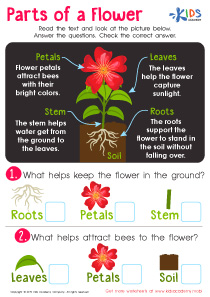
Reading Skills Easy Reading Fiction Worksheets for Ages 4-6
3 filtered results
Difficulty Level
Grade
Age
-
From - To
Subject
Activity
Standards
Discover captivating Easy Reading Fiction Worksheets designed specifically for ages 4-6! These printable activities make learning to read an enjoyable adventure for young minds. Each worksheet aims to bolster reading skills while nurturing a love for stories. With fun narratives and colorful illustrations, kids will develop comprehension, vocabulary, and critical thinking in delightful ways. Created by education experts, these worksheets are perfect for beginners, encouraging independent reading, and fostering a strong foundation in literacy. Ideal for preschoolers and early grade learners, our kid-friendly resources make reading a magical journey. Explore our free worksheets today and see little readers excel!
Favorites
With answer key
Interactive
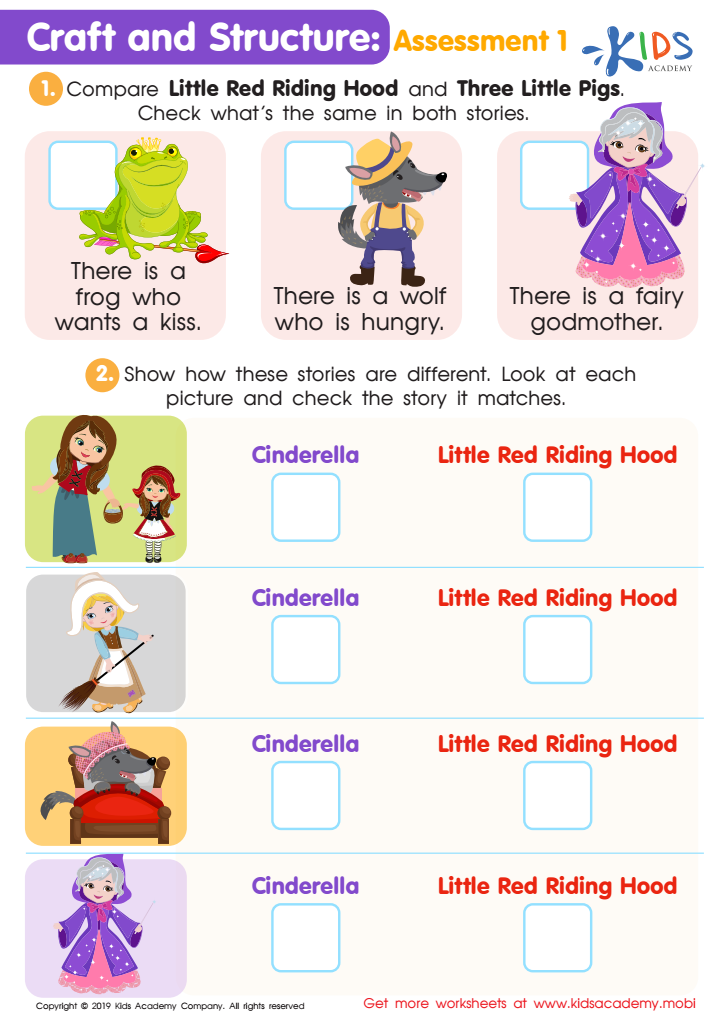
Craft and Structure: Assessment 1 Worksheet
Fairytales are a great way to bond with your kids while teaching them. Popular stories include Little Red Riding Hood and Three Little Pigs. Test how well they understood these two with this assessment worksheet. Ask them to compare the two stories and check what is the same. Doing this will help kids learn new words and sentence construction, as well as teaching them life lessons.
 Assign to My Students
Craft and Structure: Assessment 1 Worksheet
Worksheet
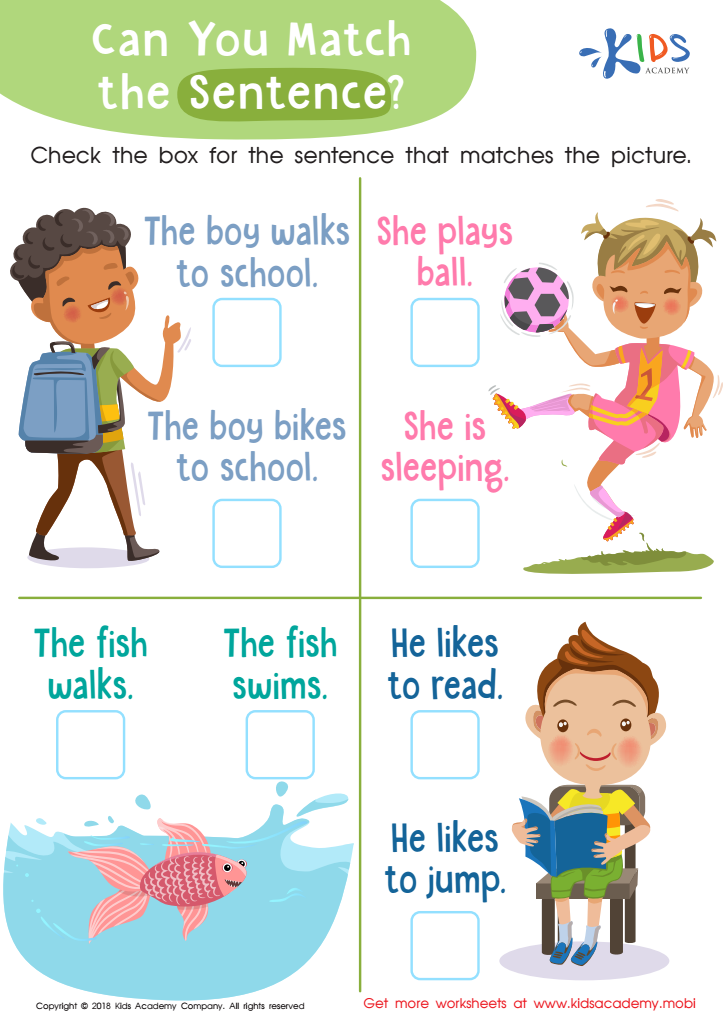
Can You Match the Sentence? Worksheet
Kids gain fluency with this worksheet which uses bright pictures. They select the sentence that matches the image and check the box. This repetition of words and phrases helps them improve their reading skills while having fun.
Can You Match the Sentence? Worksheet
Worksheet
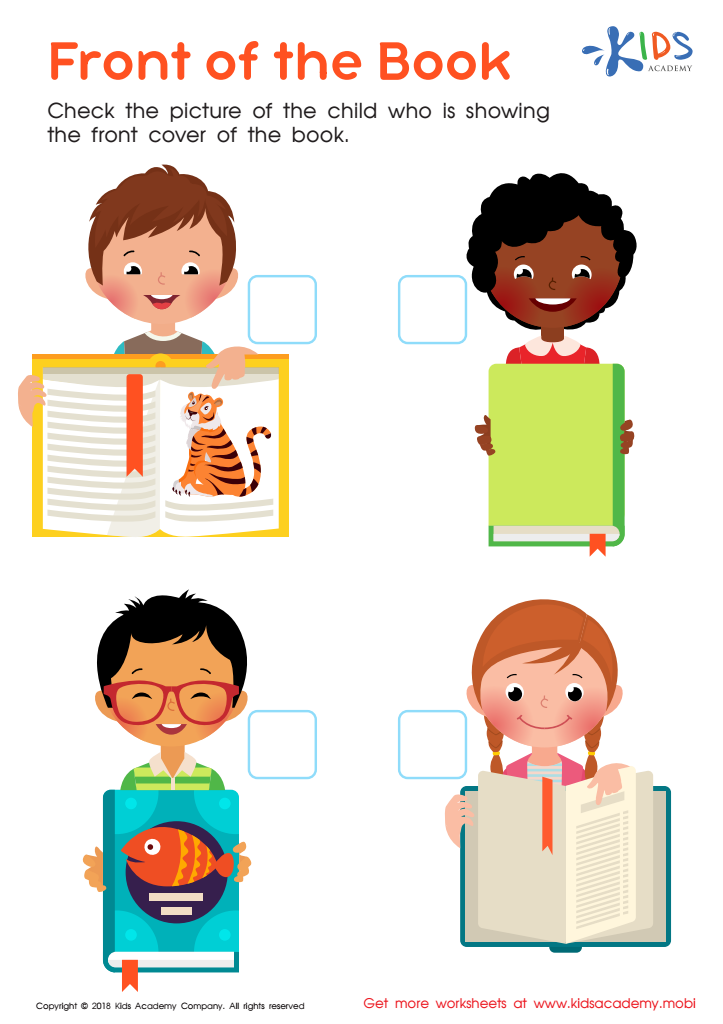
Front of the Book Worksheet
Help your child become a reader with this free worksheet! It's full of fun new friends and is designed to help kids understand concepts about the front of a book. They'll look at each picture and decide which friend is holding the book with the front cover, and check off the correct answer in the given boxes. Get your little one ready to be a reader!
Front of the Book Worksheet
Worksheet
Join Kids Academy for Free
Who is primarily going to use this learning content?






.jpg)

Reading skills are fundamental for young learners, and easy reading fiction for ages 4-6 plays a crucial role in early childhood development. At this pivotal stage, children are just beginning to understand language and communication. Easy reading fiction materials, tailored to their cognitive and linguistic abilities, provide an accessible introduction to reading that can spark their interest and imagination. Engaging stories with simple vocabulary and relatable characters nurture the love for reading, making it a pleasurable rather than intimidating experience.
Moreover, early exposure to reading fiction supports vocabulary expansion, sentence structure comprehension, and pronunciation skills. By encountering words within stories, kids begin to understand context and meaning, building their cognitive framework for language. Storybooks also often include illustrations, aiding in comprehension and keeping attention spans in check.
Socially and emotionally, reading fiction helps children develop empathy and understanding through characters’ experiences. They learn about different perspectives and emotions, which is key for social development. Lastly, early reading proficiency lays the groundwork for academic success across curricular areas by enhancing focus, critical thinking, and analytical skills.
Parents and teachers thus should prioritize easy reading fiction to cultivate foundational literacy, cognitive growth, and emotional intelligence, ultimately setting young learners on a path toward lifelong learning and curiosity.