Reading comprehension Easy Phonics Worksheets for Ages 4-7
6 filtered results
-
From - To
Discover our engaging "Reading Comprehension Easy Phonics Worksheets" designed for children ages 4-7. These worksheets provide a fun and interactive way to boost early literacy skills by blending phonics with reading comprehension activities. Each printable worksheet is tailored to help young learners decode words, enhance vocabulary, and improve their understanding of texts. Featuring colorful illustrations and age-appropriate content, our worksheets make learning enjoyable and effective. Ideal for both home and classroom use, these resources support educators and parents in nurturing a love for reading while building foundational skills. Empower your child’s reading journey today with our easy-to-use worksheets!
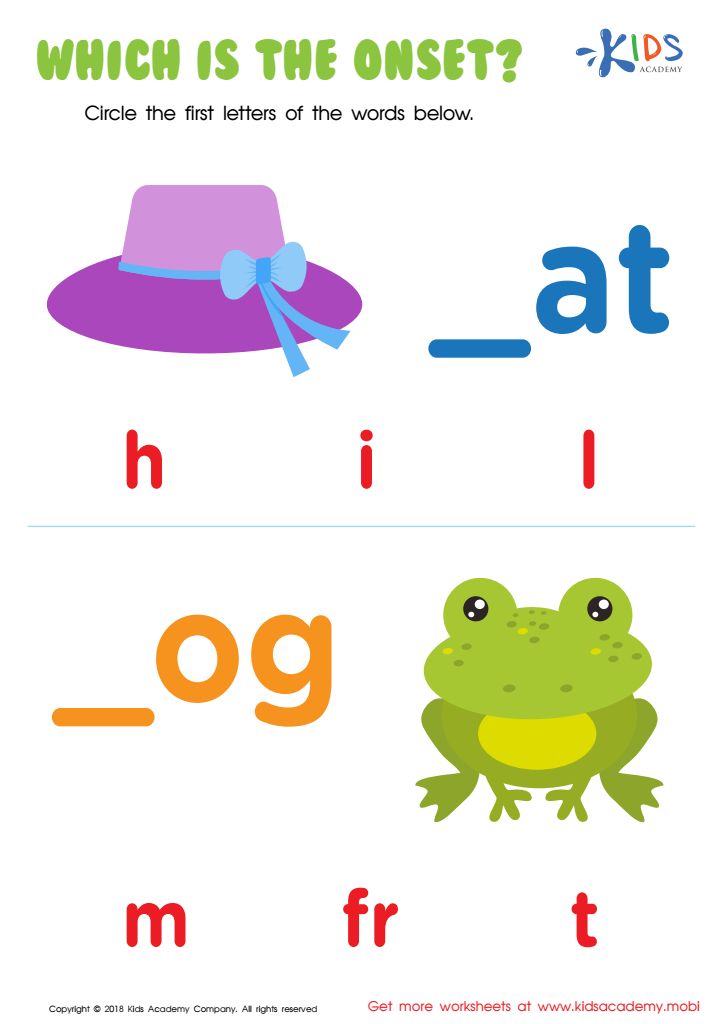
Which Is the Onset? Worksheet
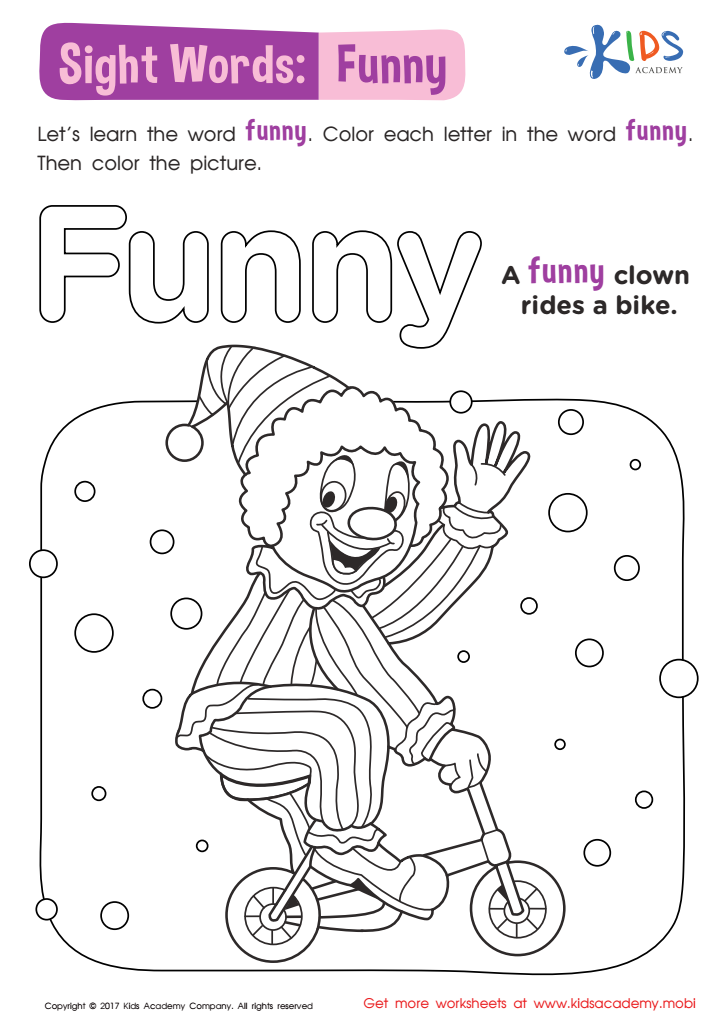
Funny Worksheet Sight Words Worksheet
 Assign to My Students
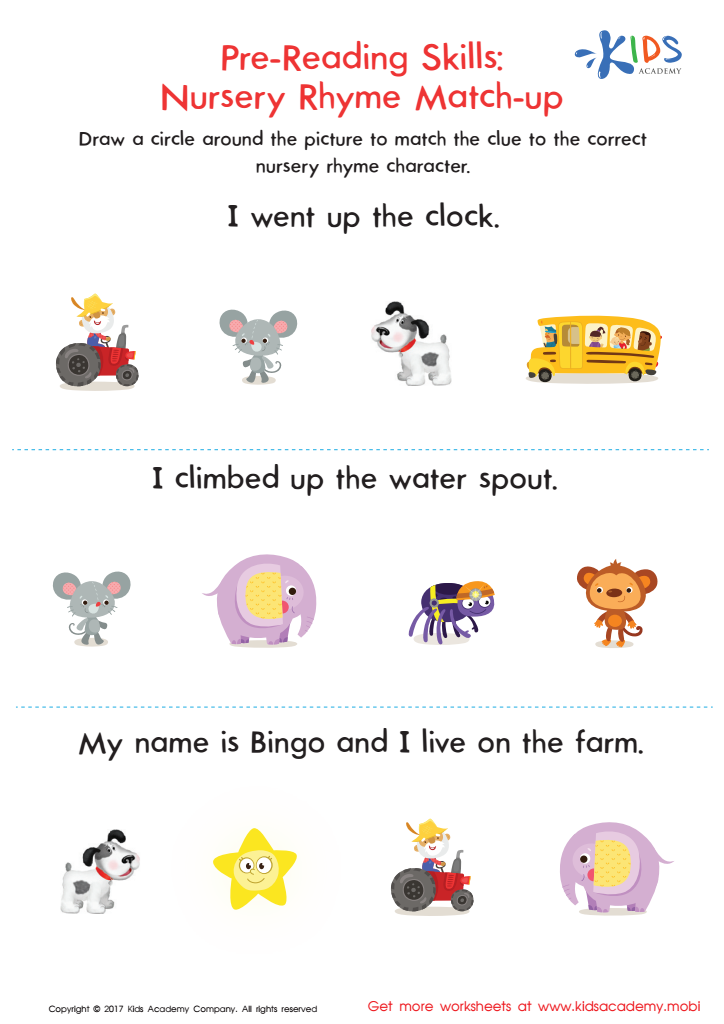
Nursery Rhyme Match–Up Worksheet
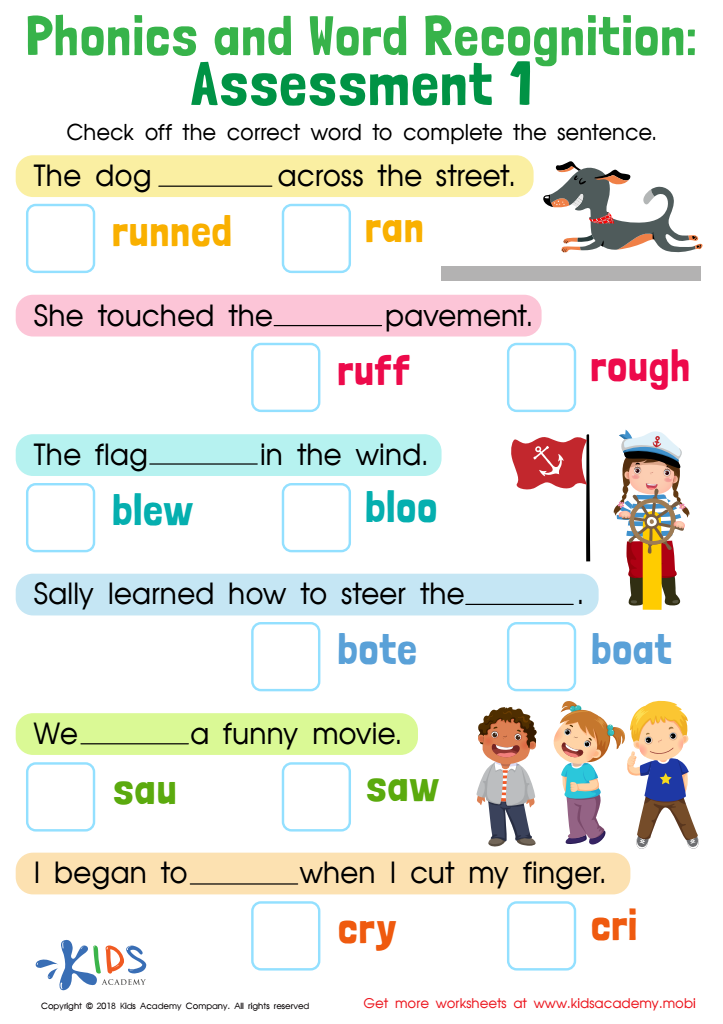
Phonics and Word Recognition: Assessment 1 Worksheet
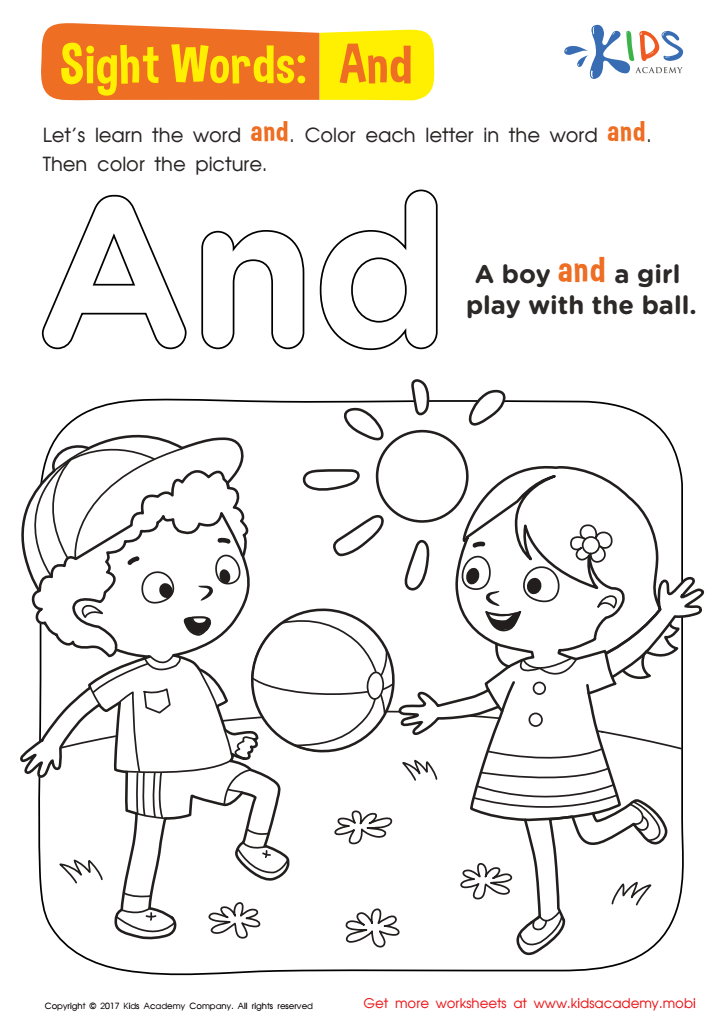
And Worksheet Sight Words Worksheet
Assign to My Students
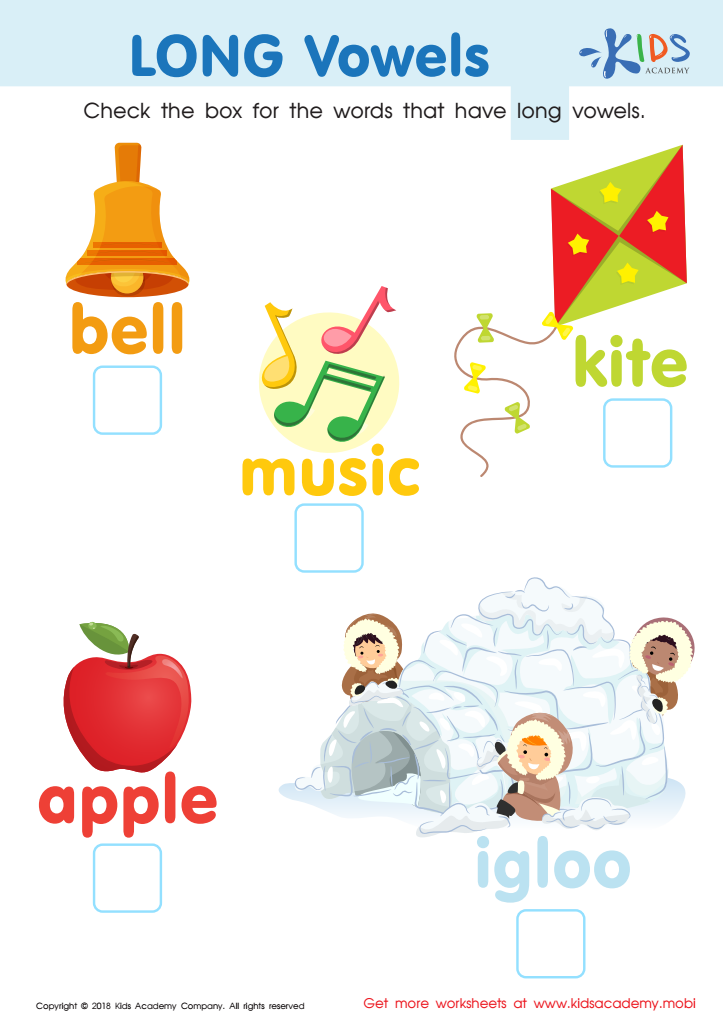
long vowels Worksheet








Parents and teachers should prioritize reading comprehension and easy phonics for children aged 4-7 because these foundational skills are critical for lifelong learning. Reading comprehension helps young learners to understand and engage with texts, which fosters critical thinking and curiosity. When children grasp how to infer meaning and summarize stories, they develop the ability to connect with what they read on a deeper level, enhancing their overall academic performance.
Easy phonics enables children to decode words effectively, building their confidence in reading. Enthusiastic, skilled readers are more likely to explore new topics and genres, widening their educational horizons. Phonics instruction, particularly at this young age, emphasizes the relationship between sounds and letters, helping children form the essential building blocks of language.
Moreover, engaging children with age-appropriate texts and activities promotes a love for reading, which can lead to positive emotional and social development. As they cultivate these skills early on, children are more likely to become proficient readers, setting the stage for future success in school and beyond. By focusing on reading comprehension and phonics, parents and teachers play a crucial role in nurturing a child's literacy journey, paving the way for a brighter, more knowledgeable future.