Color recognition Easy English for Beginners Worksheets for Ages 4-7
9 filtered results
-
From - To
Welcome to our "Color Recognition Easy English for Beginners Worksheets" designed specifically for ages 4-7! These engaging and interactive worksheets are perfect for young learners beginning their journey in English and color recognition. Featuring vibrant images and simple vocabulary, children will enjoy exploring different colors while developing essential language skills. Each worksheet encourages creativity and boosts confidence through fun activities, making learning both enjoyable and effective. Parents and educators can seamlessly integrate these resources into lesson plans or at-home learning activities. Equip your child with foundational skills in a colorful and inspiring way! Start their learning adventure today!
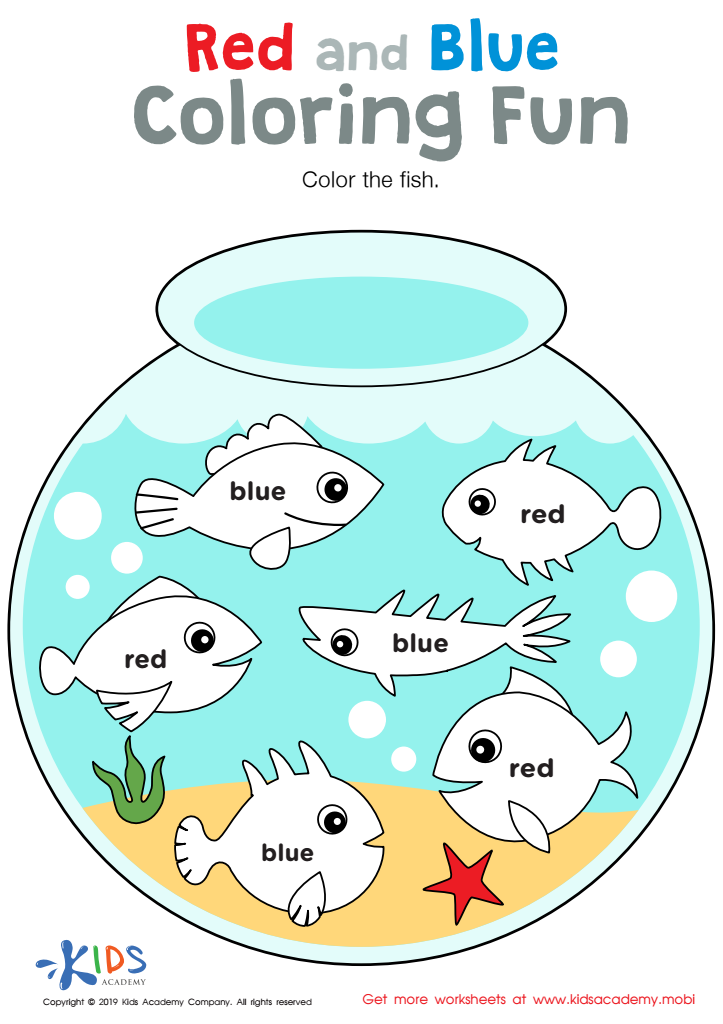
Red and Blue Coloring Fun Worksheet
 Assign to My Students
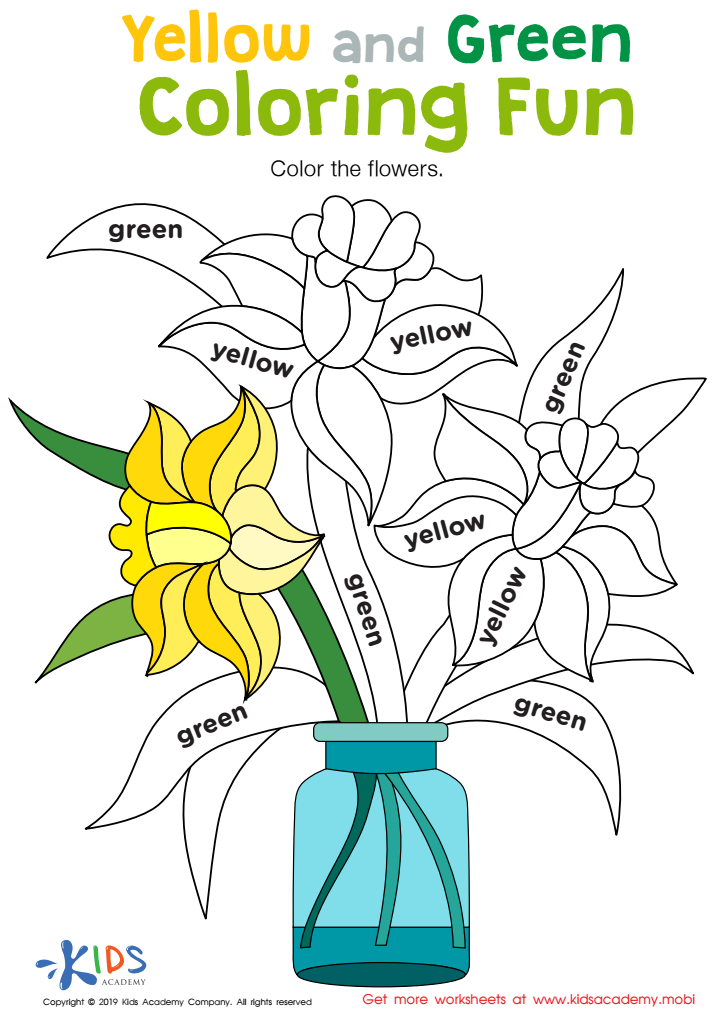
Yellow and Green Coloring Fun Worksheet
Assign to My Students
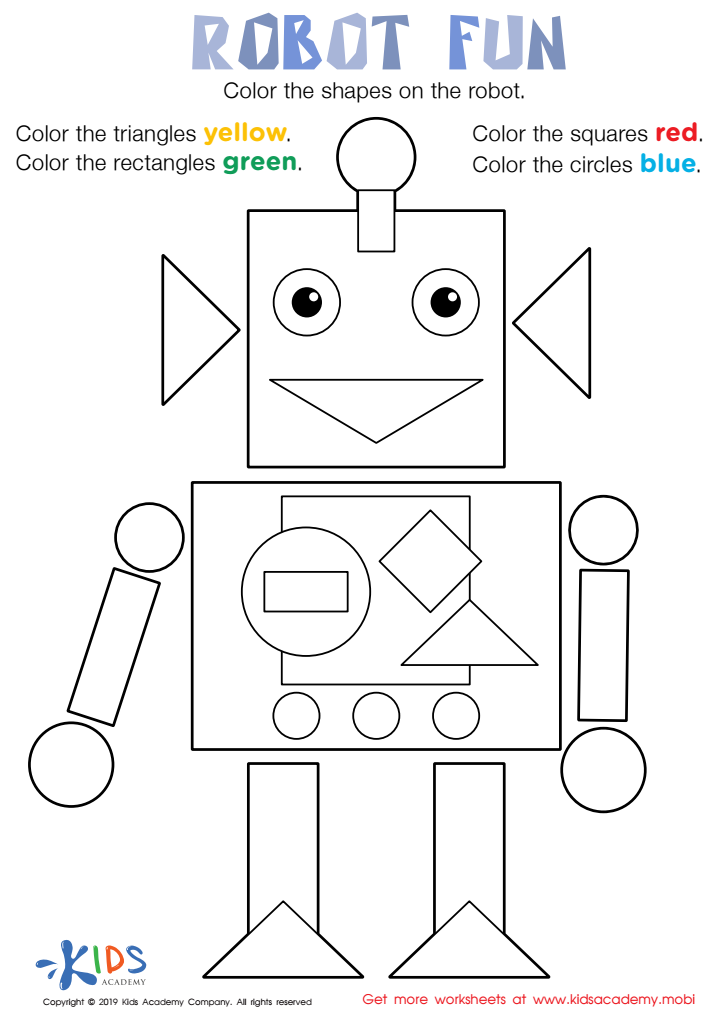
Robot Fun Worksheet
Assign to My Students
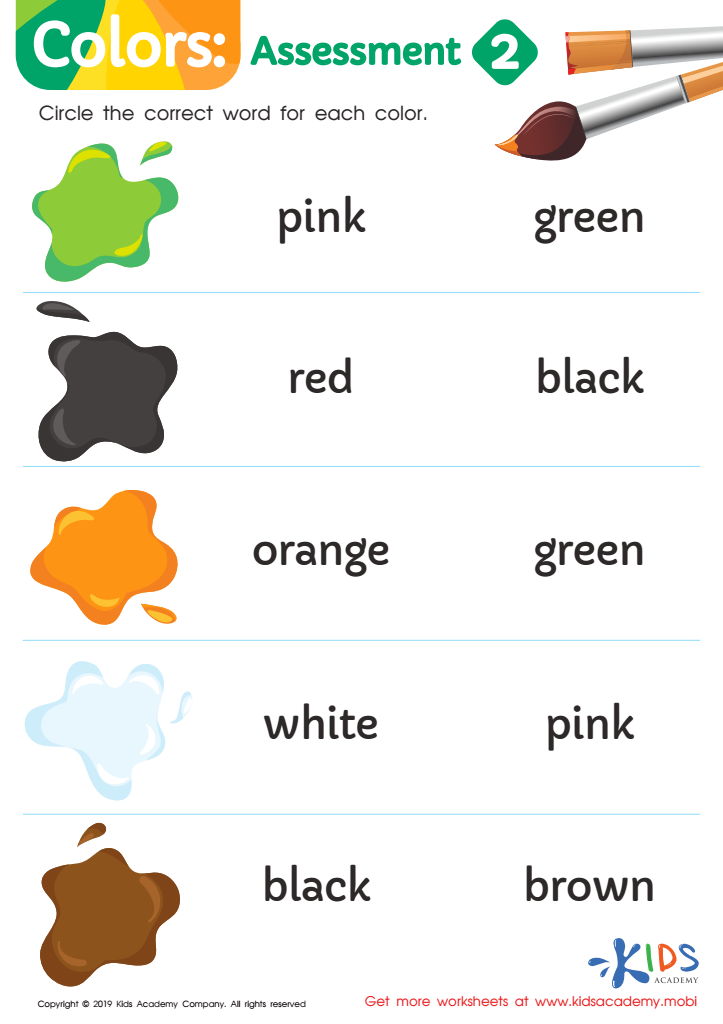
Colors: Assessment 2 Worksheet
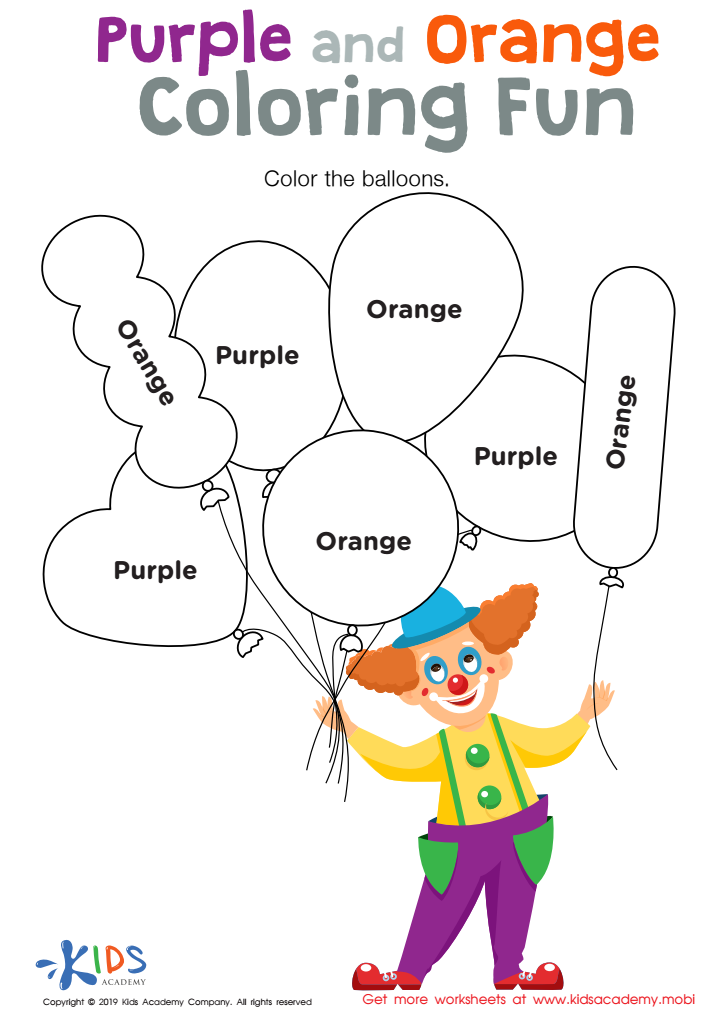
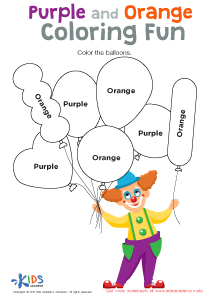
Purple and Orange Coloring Fun Worksheet
Assign to My Students
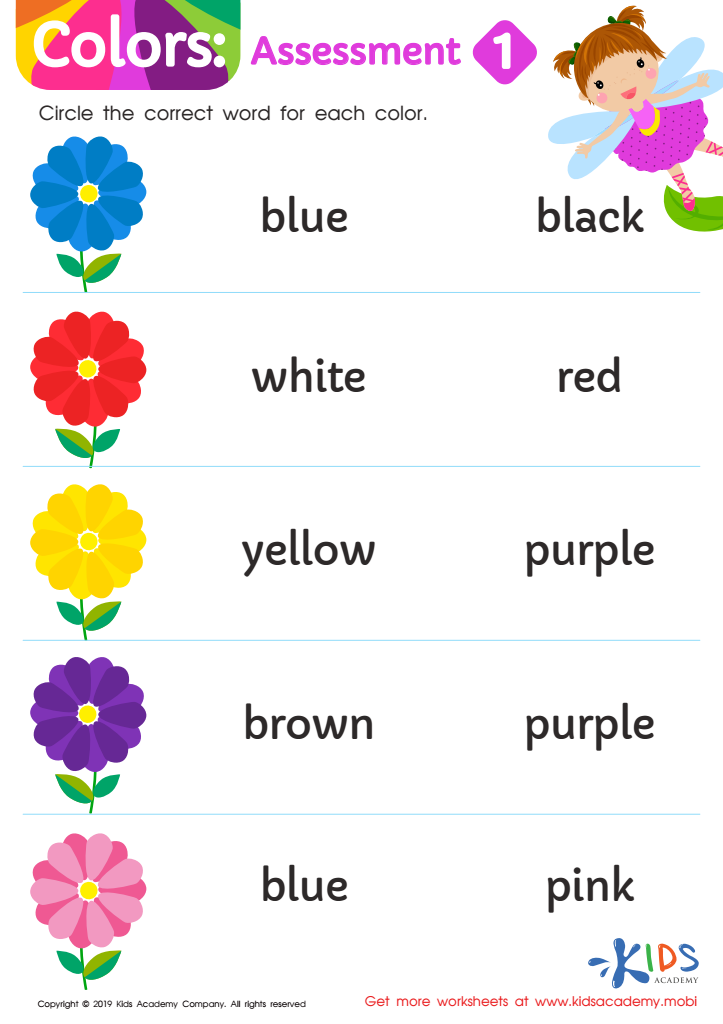
Colors: Assessment 1 Worksheet
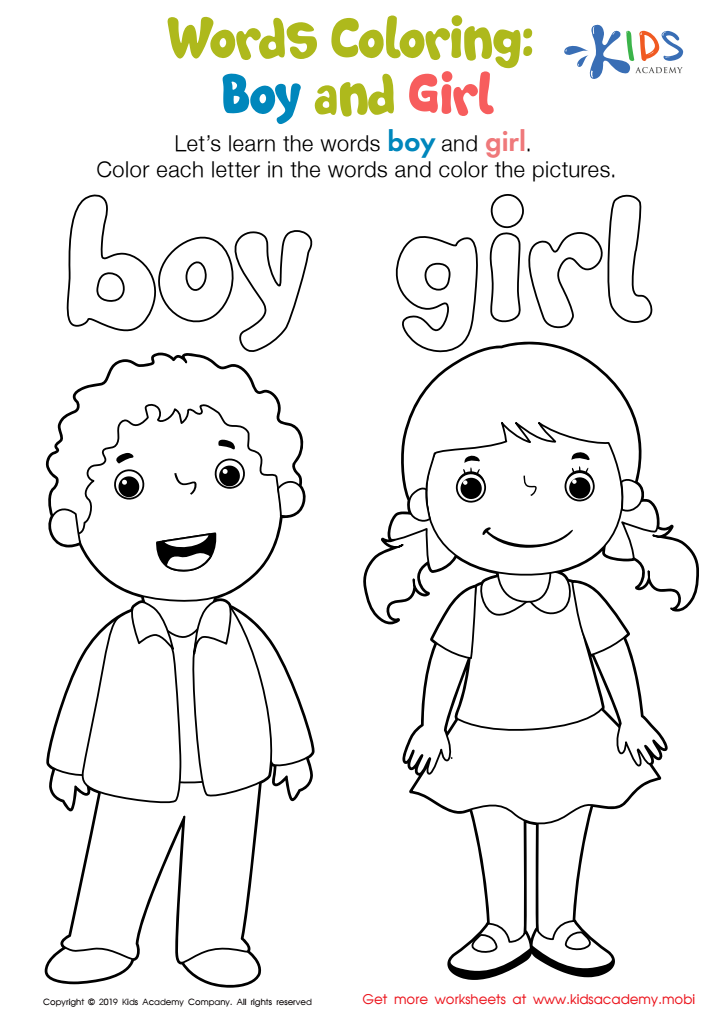
Boy and Girl Words Coloring Worksheet
Assign to My Students
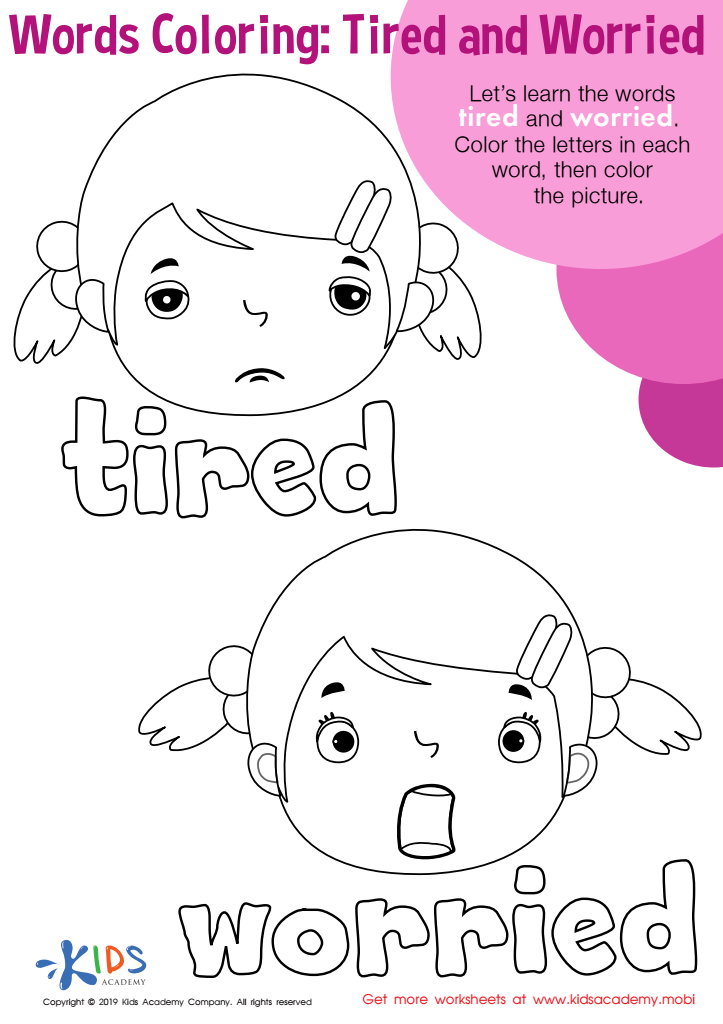
Tired and Worried Words Coloring Worksheet
Assign to My Students
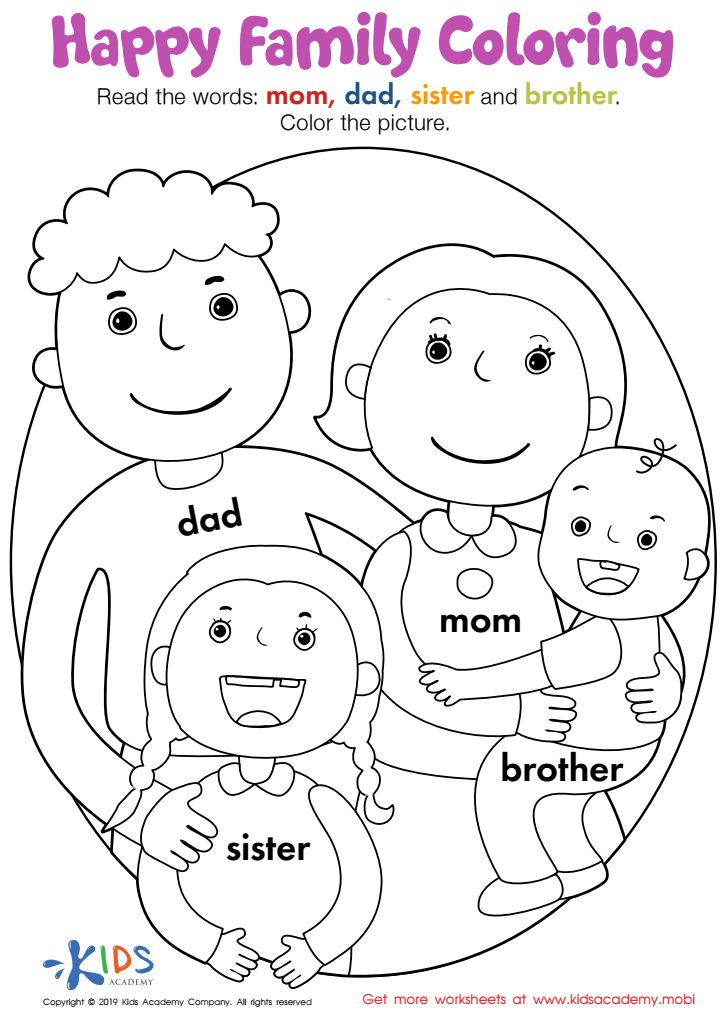
Happy Family Coloring Worksheet
Assign to My Students




Color recognition is an essential skill for young children aged 4-7, and parents and teachers should prioritize it for several reasons. First, recognizing colors helps children develop their communication skills. When they can identify and name colors, they can better describe the world around them, which boosts their vocabulary.
Moreover, color recognition supports children's cognitive development. It enhances their ability to categorize and make connections between different objects. For example, when kids group fruits by color, they begin to understand sorting and classification, which are important math skills.
Additionally, learning colors can be a fun, interactive activity. Using colorful toys, art supplies, or nature can engage children and make learning enjoyable. This positive experience builds a love for learning, encouraging curiosity and exploration.
Finally, color recognition lays the groundwork for other educational concepts, such as patterns, contrasts, and emotional connections to colors. For instance, associating a sunny yellow with happiness or a calming blue with peace can help children articulate their feelings.
By supporting color recognition, parents and teachers equip children with foundational skills that will benefit their overall learning journey. It’s a simple but vital part of early childhood education.