Improving vocabulary Easy Worksheets for Ages 4-7
3 filtered results
-
From - To
Welcome to our "Improving Vocabulary Easy Worksheets" page, designed especially for children aged 4-7! Our engaging and visually appealing worksheets help young learners expand their vocabulary through fun activities that promote language development. Each worksheet focuses on essential skills such as word recognition, association, and usage, making learning both effective and enjoyable. Ideal for parents and educators alike, these resources can effortlessly be incorporated into home or classroom settings. Watch your child gain confidence as they explore new words and enhance their communication skills! Dive into our collection and support your child's language journey today!
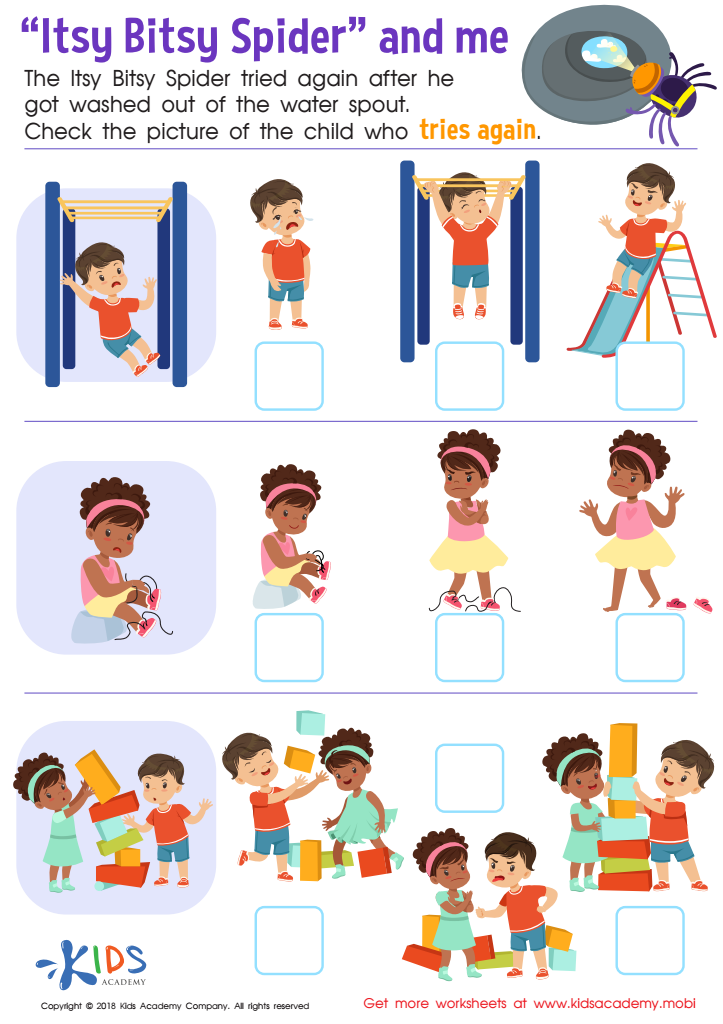
Itsy Bitsy Spider and Me Worksheet
 Assign to My Students
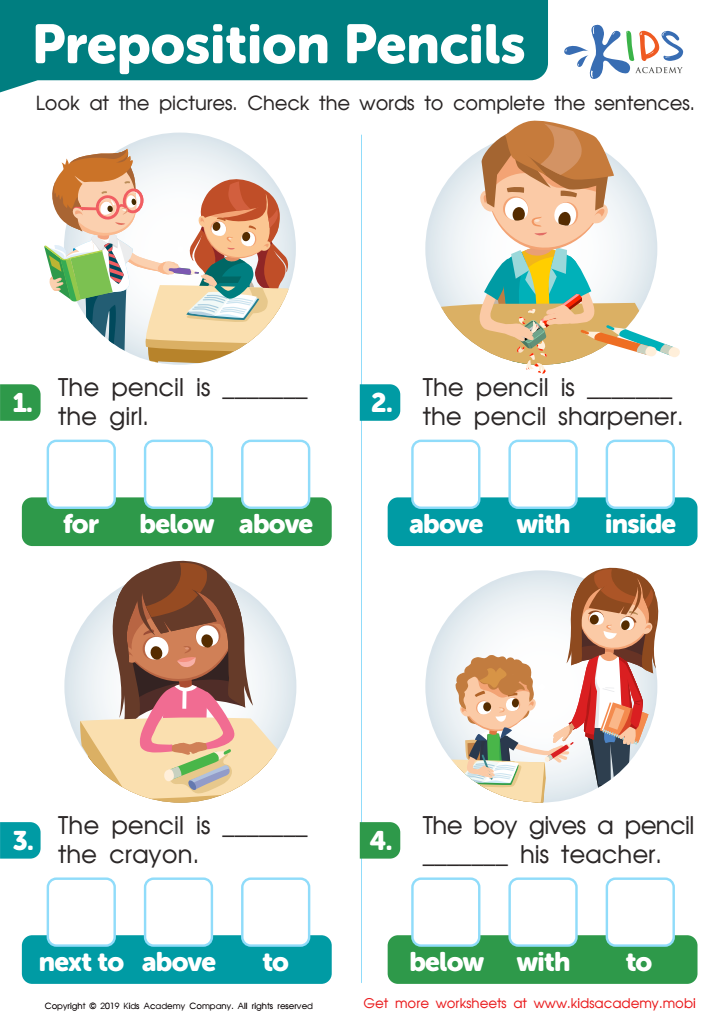
Preposition Pencils Worksheet
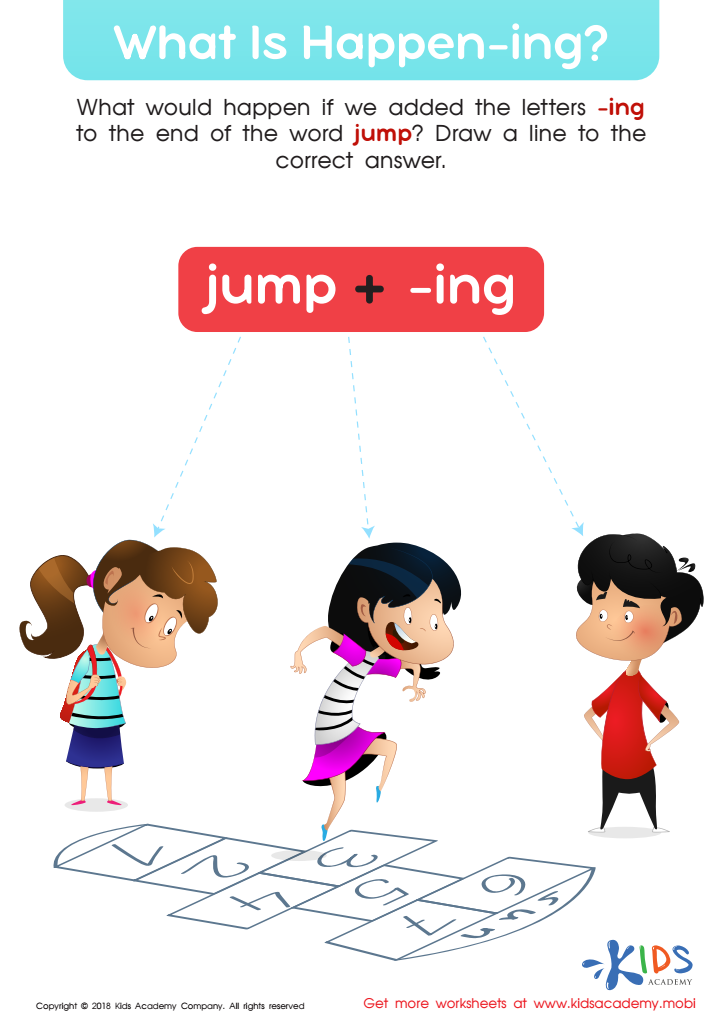
What Is Happen-Ing? Worksheet






Improving vocabulary is crucial for children ages 4-7 as it lays the foundation for their communication skills, comprehension, and future academic success. At this developmental stage, children's brains are highly receptive to language learning, making it an ideal time to expand their vocabulary. A robust vocabulary enhances their ability to express thoughts, needs, and emotions more clearly, fostering better relationships with peers and adults.
When parents and teachers focus on vocabulary building, they also enhance children's reading and writing skills. A larger vocabulary enables kids to understand stories more deeply and becomes a bridge for them to engage with varied texts. This proficiency not only promotes a love for reading but also equips children to become more confident learners.
Moreover, enhanced vocabulary supports critical thinking, as children can articulate their ideas more effectively and engage in discussions. Activities like reading together, engaging in word games, and encouraging conversations can make vocabulary improvement enjoyable and interactive. Ultimately, parents and teachers play a vital role in guiding this aspect of language development, fostering an environment where children can thrive academically and socially throughout their lives. Investing time in vocabulary development now has lifelong benefits, paving the way for academic success and effective communication.








