Reading practice Easy Worksheets for Ages 4-7
4 filtered results
-
From - To
Enhance your child's literacy skills with our "Reading Practice Easy Worksheets for Ages 4-7." These fun and engaging worksheets are designed to build foundational reading abilities in young learners. Each worksheet targets essential skills such as letter recognition, phonics, and basic word formation. With colorful illustrations and interactive exercises, children will enjoy practicing their reading while developing confidence and proficiency. Perfect for classroom use or at-home practice, our worksheets provide valuable resources to support early reading development in children ages 4 to 7. Download now and set the foundation for a lifelong love of reading!
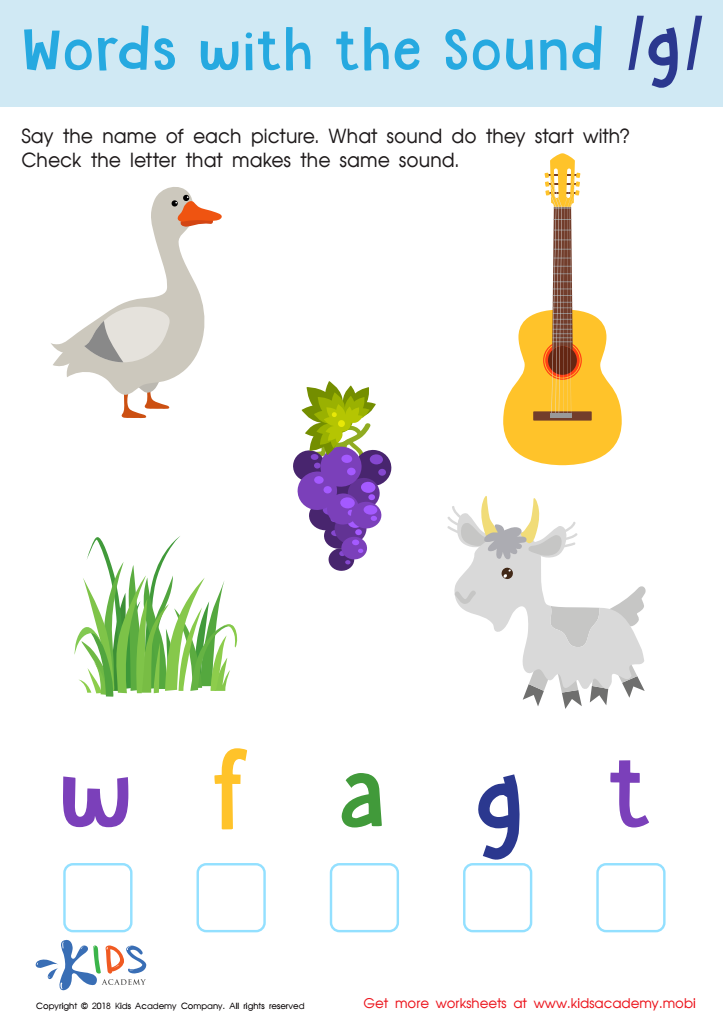
Words with sound g Reading Worksheet
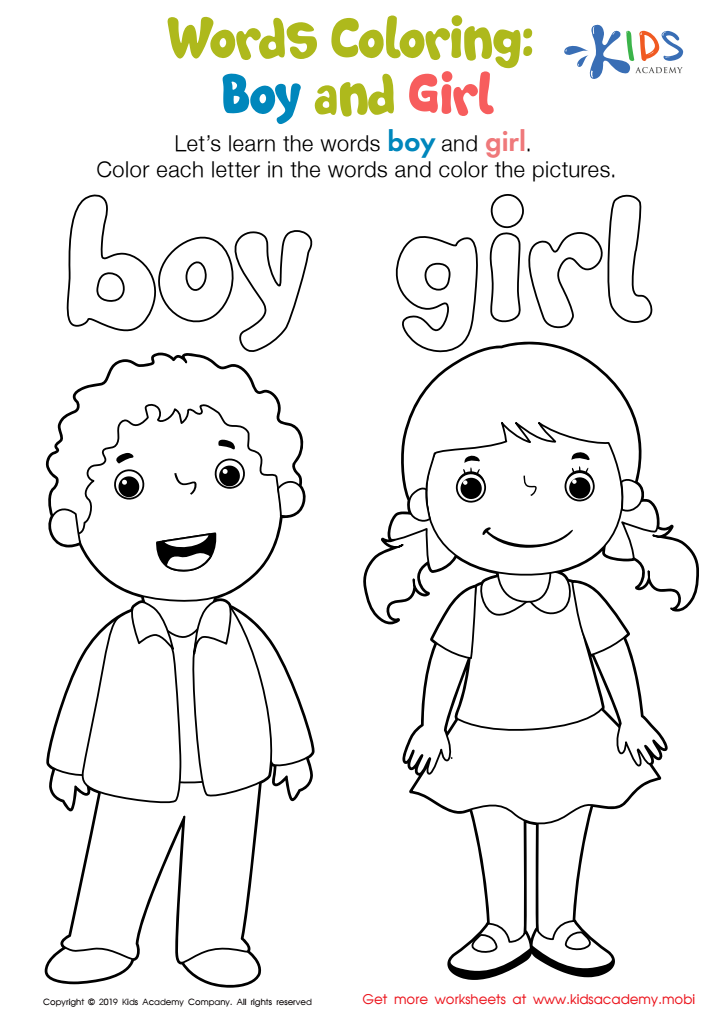
Boy and Girl Words Coloring Worksheet
 Assign to My Students

Nursery Rhymes: Twinkle Little Star Worksheet
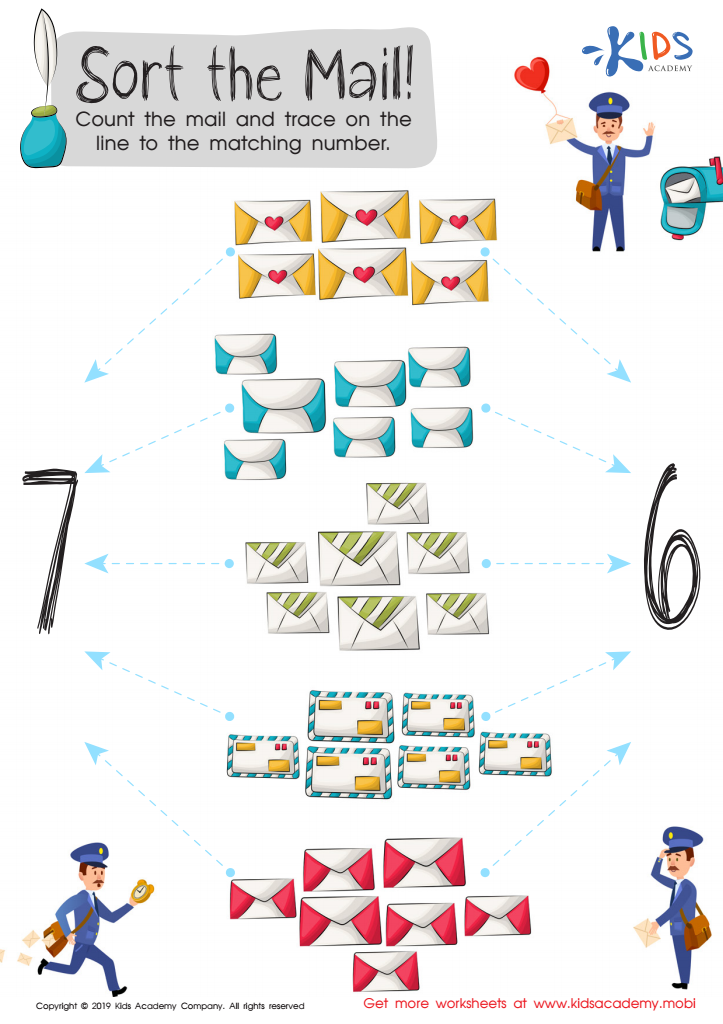
Sort the Mail Worksheet








Reading practice is crucial for children aged 4-7 because this period is essential for developing foundational literacy skills. At this age, children's brains are highly receptive, and engaging with books can significantly enhance their cognitive development. Here’s why parents and teachers should care:
Firstly, early reading helps improve vocabulary and language skills. As children encounter new words in stories, they learn correct pronunciation and context usage, which enriches their communication abilities. Secondly, reading strengthens comprehension skills. By following narratives and understanding plot structures, kids become better at grasping and retaining information.
Additionally, reading cultivates a lifelong love for learning. Fun stories and illustrated books ignite curiosity and imagination, making children look forward to exploring new topics and ideas. This positive attitude towards learning can contribute to better academic performance later on.
Early reading practice also fosters parent-child bonding. When parents read to their children, it creates a nurturing environment filled with emotional warmth and support. This bond further encourages kids to share and discuss what they read, boosting their social and verbal interactions.
In conclusion, incorporating reading into the daily routine for children aged 4-7 sets a strong foundation for their educational journey. It promotes essential skills while opening up avenues for imagination, responsibility, and heartfelt family connections.








