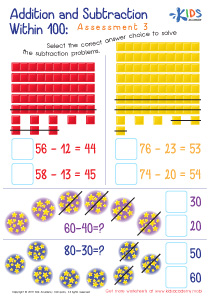
Understanding sequencing Easy Numbers 0–10 Worksheets for Ages 4-7
3 filtered results
-
From - To
Enhance your child's early math skills with our "Understanding Sequencing Easy Numbers 0–10 Worksheets for Ages 4-7". Tailored for young learners, these engaging worksheets make it fun to master number sequences and order. Children will practice identifying and arranging numbers from 0 to 10, building a foundation for essential counting and sequencing skills. Designed with colorful visuals and interactive exercises, these worksheets foster a love for learning and boost confidence. Parents and teachers can easily access and print these resources to support children’s development in a playful yet educational way. Start exploring the world of numbers with us today!
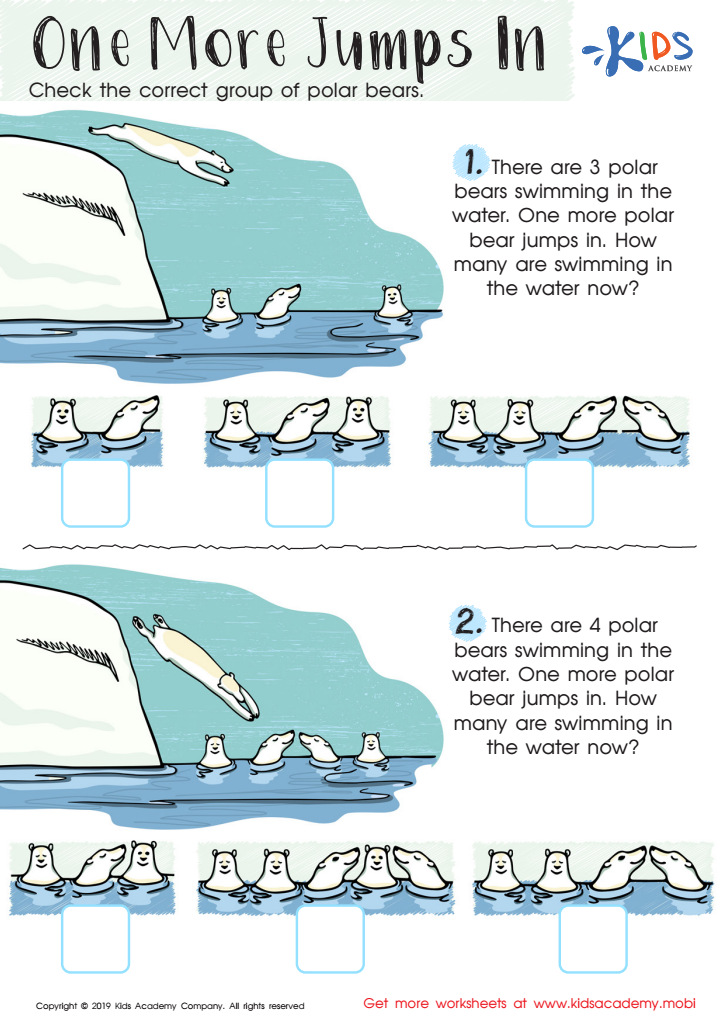
One More Jumps In Worksheet
 Assign to My Students
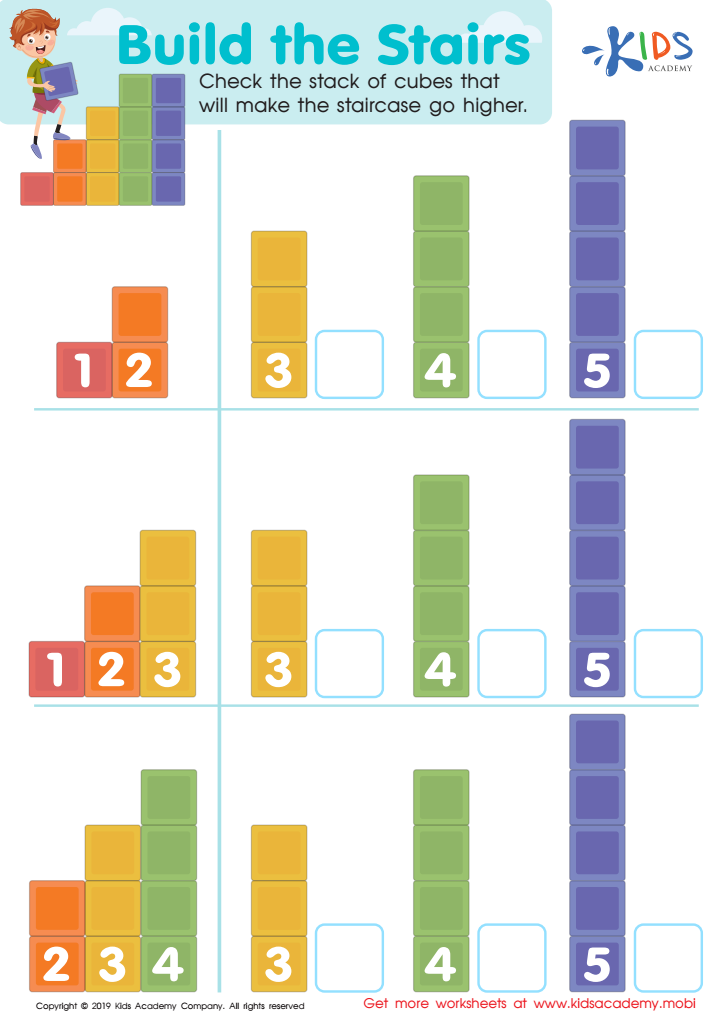
Build the Stairs Worksheet
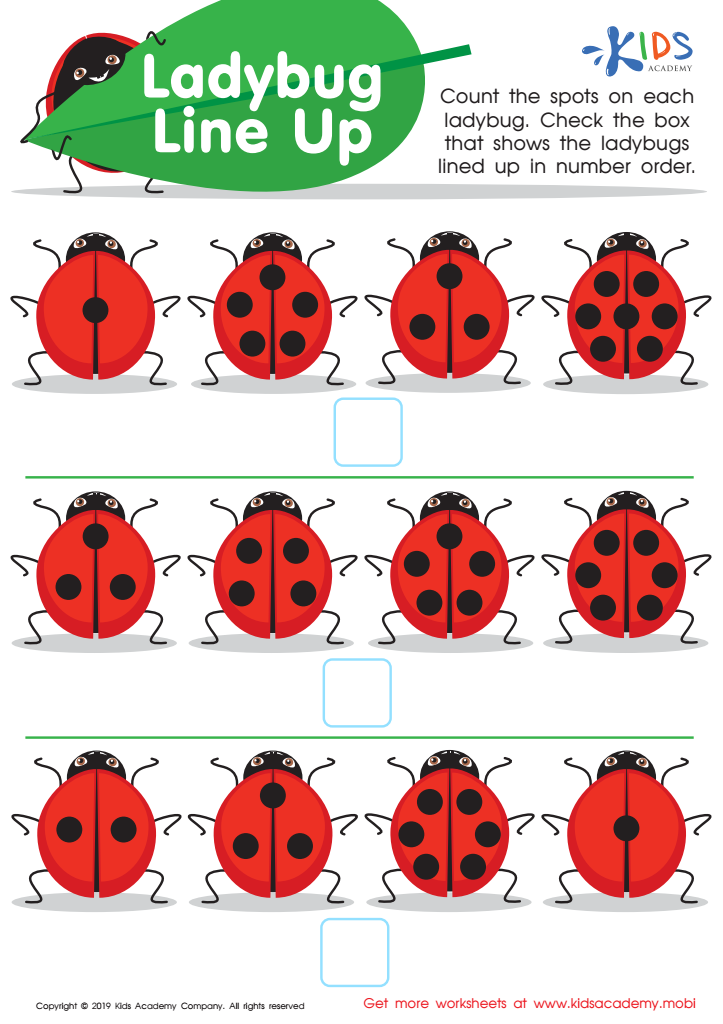
Ladybug Line Up Worksheet








Understanding sequencing of easy numbers 0–10 is crucial for children aged 4-7 because it lays the foundation for essential math skills and cognitive development. During these formative years, kids are typically introduced to basic mathematical concepts. Sequencing helps them develop a grasp of order and patterns, which are fundamental in various areas of learning, including mathematics, reading, and problem-solving.
When children learn to sequence numbers, they enhance their ability to recognize and predict patterns, thus improving logical thinking and reasoning. This skill is vital not only for mathematics but also for daily activities, such as following directions or organizing tasks. For parents and teachers, fostering this understanding promotes confidence and encourages children to engage with math in a positive way.
Furthermore, mastering number sequencing assists in the transition to more complex mathematical concepts, such as addition and subtraction, as they build on this foundational understanding. Additionally, a strong grasp of number sequencing enhances literacy skills, as recognizing numerical order parallels developing reading fluency through understanding the structure of stories. Encouraging young learners to grasp this concept is a critical investment in their overall educational journey and lifelong skills.