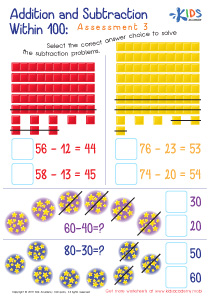
Fine Motor Skills Easy Numbers 11–20 Worksheets for Ages 4-7
4 filtered results
-
From - To
Enhance your child's fine motor skills with our engaging Easy Numbers 11–20 worksheets, specially designed for ages 4-7! These worksheets combine fun activities with essential number recognition, allowing young learners to practice writing and handling numbers 11 through 20. Each engaging exercise encourages the development of hand-eye coordination, dexterity, and control, ensuring your child builds a strong foundation for future learning. Ideal for home or classroom use, our vibrant worksheets make learning numbers an enjoyable experience. Download and explore these creative resources today to help your child master fine motor skills while improving their math abilities!
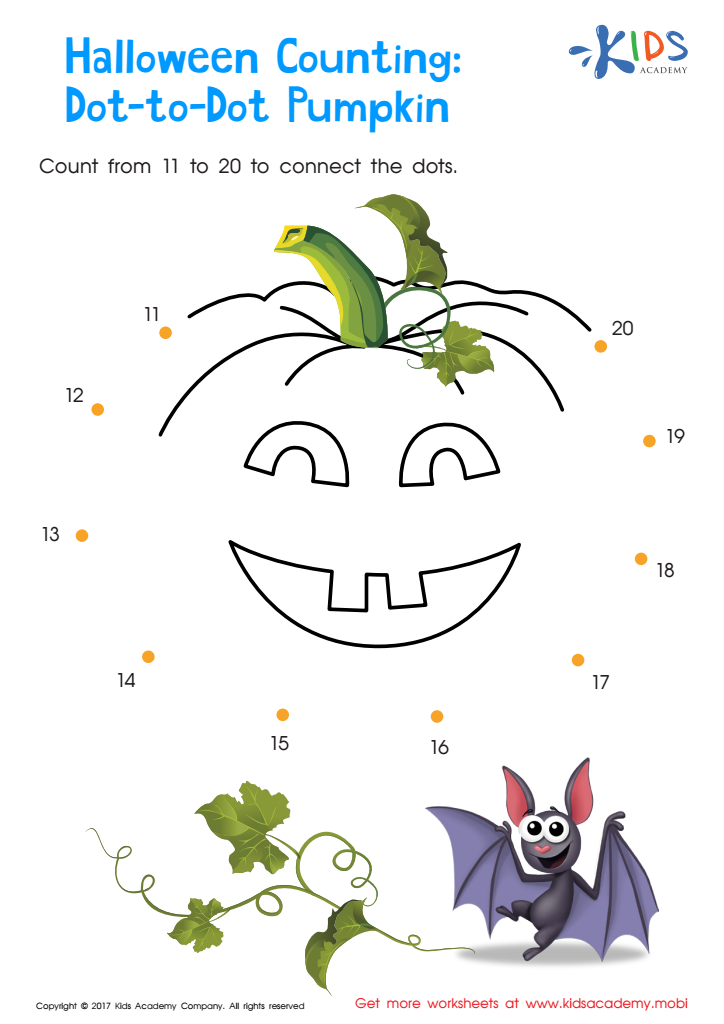
Ordering 11–20: Halloween Counting Worksheet
 Assign to My Students
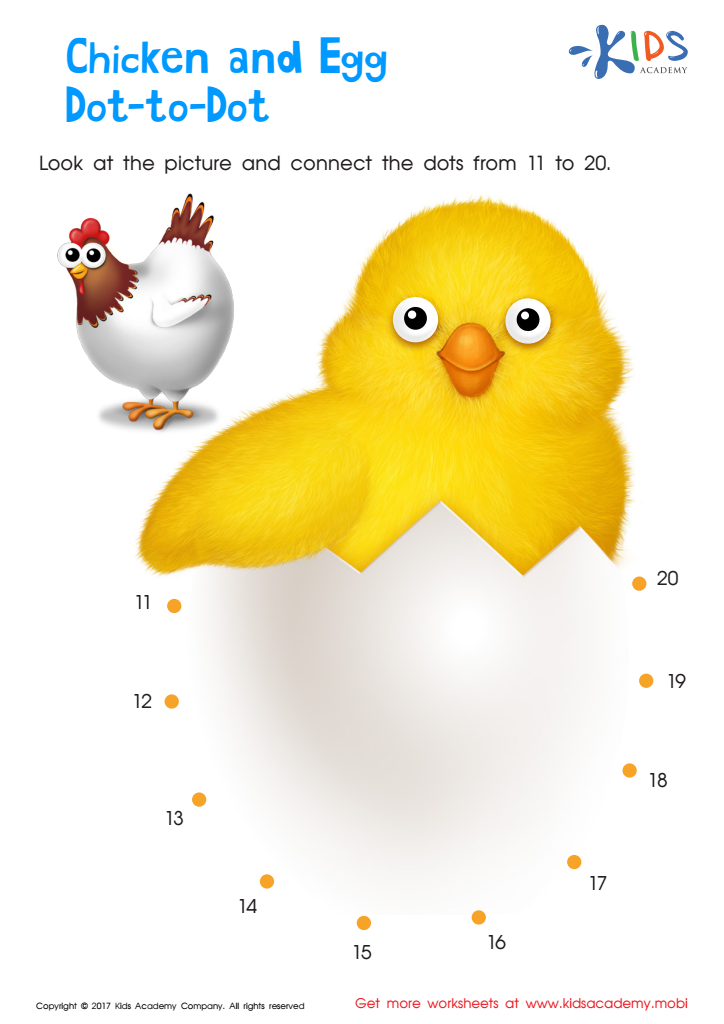
Ordering 11–20: Chicken & Egg Dot–to–dot Worksheet
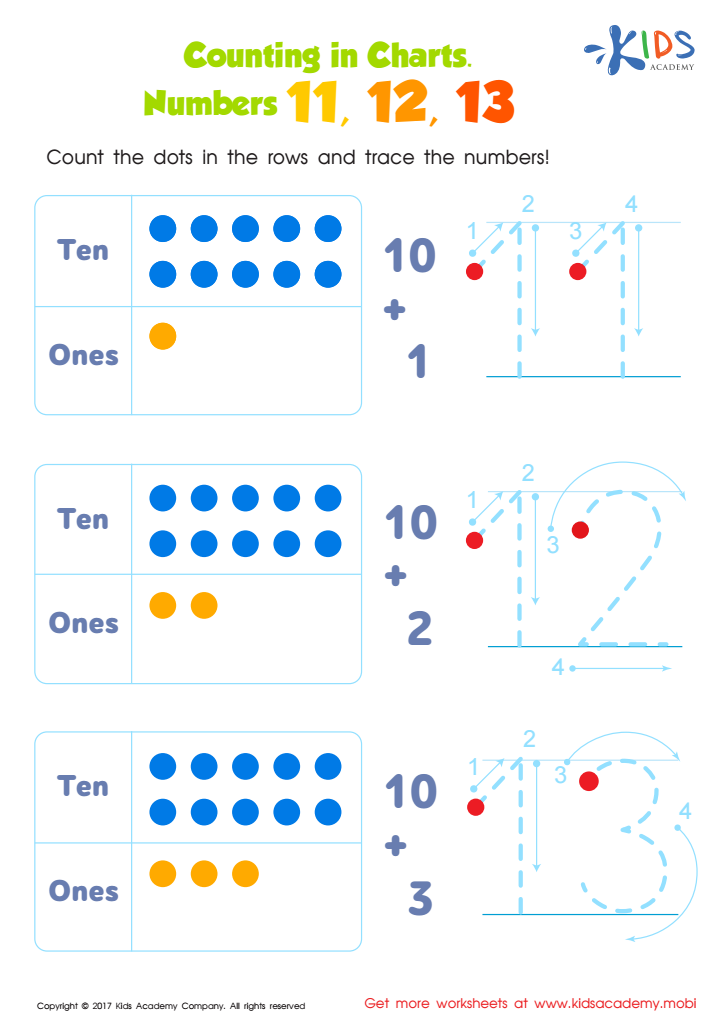
Number Tracing Worksheet For Kindergarten
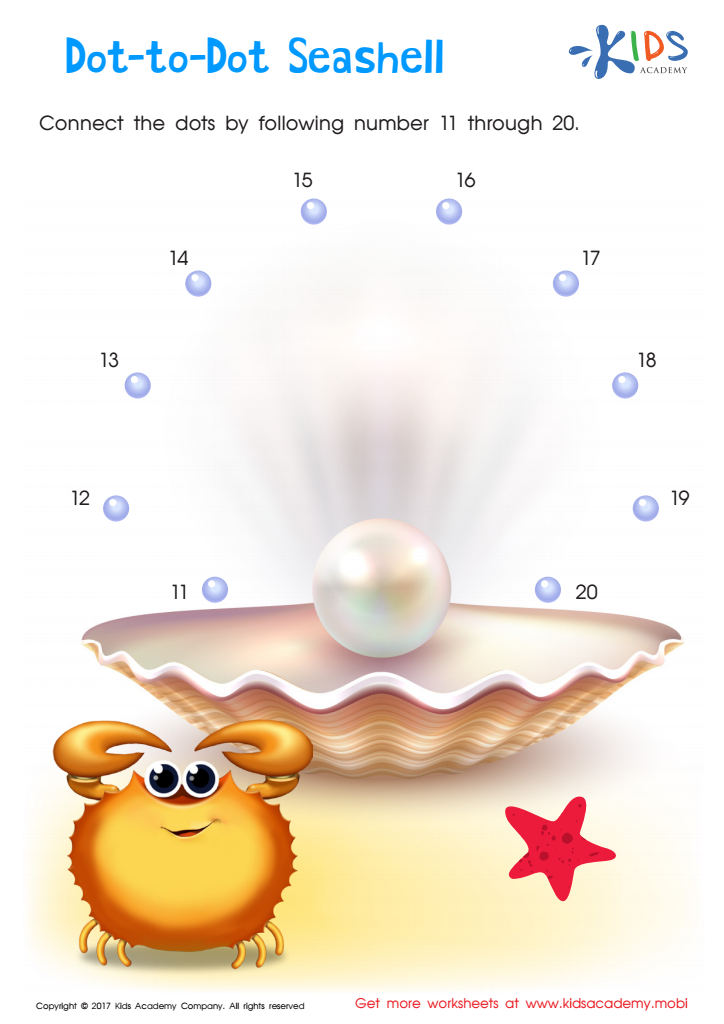
Ordering 11–20: Dot–to–dot Seashell Printable



Fine motor skills, crucial for children's development, are the small movements that involve the coordination of hands and fingers. For children aged 4-7, gaining proficiency in these skills is particularly important as they bridge the gap between early development and the demands of formal schooling.
Specifically, mastering fine motor skills related to numbers 11-20 can significantly enhance a child's mathematical understanding. The ability to manipulate small objects, such as counting blocks, beads, or toys, aids in learning to recognize and write numerals. As children work with these numbers, their fine motor development becomes intertwined with cognitive processes, fostering better problem-solving and analytical skills.
Moreover, these skills enable children to engage more effectively with activities like drawing, coloring, and writing—tasks that are foundational in the early grades. Enhanced fine motor skills lead to greater hand-eye coordination, improved concentration, and increased confidence in academic settings.
In conclusion, parents and teachers should prioritize activities that promote fine motor skills, particularly related to numbers 11-20, as they not only support numeric literacy but also lay the groundwork for future academic success and everyday functioning in young learners. Engaging children in play-based activities can be a productive way to nurture these essential skills.