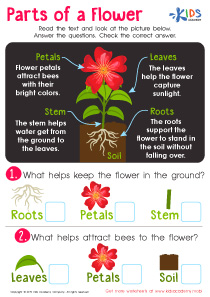
Cognitive Development Easy Reading Fiction Worksheets for Ages 4-7
2 filtered results
-
From - To
Explore our Cognitive Development Easy Reading Fiction Worksheets designed for children ages 4-7. These engaging activities are specifically crafted to enhance your child's critical thinking and comprehension skills. Each worksheet features delightful stories paired with interactive questions that stimulate cognitive growth, make reading enjoyable, and bolster understanding of narrative elements. Perfect for early readers, our resources help kids develop a love for reading while improving vocabulary, memory, and analytical skills. Ignite your child's imagination and support their developmental milestones with our expertly designed, fun, and educational worksheets. Discover the joy of learning today!
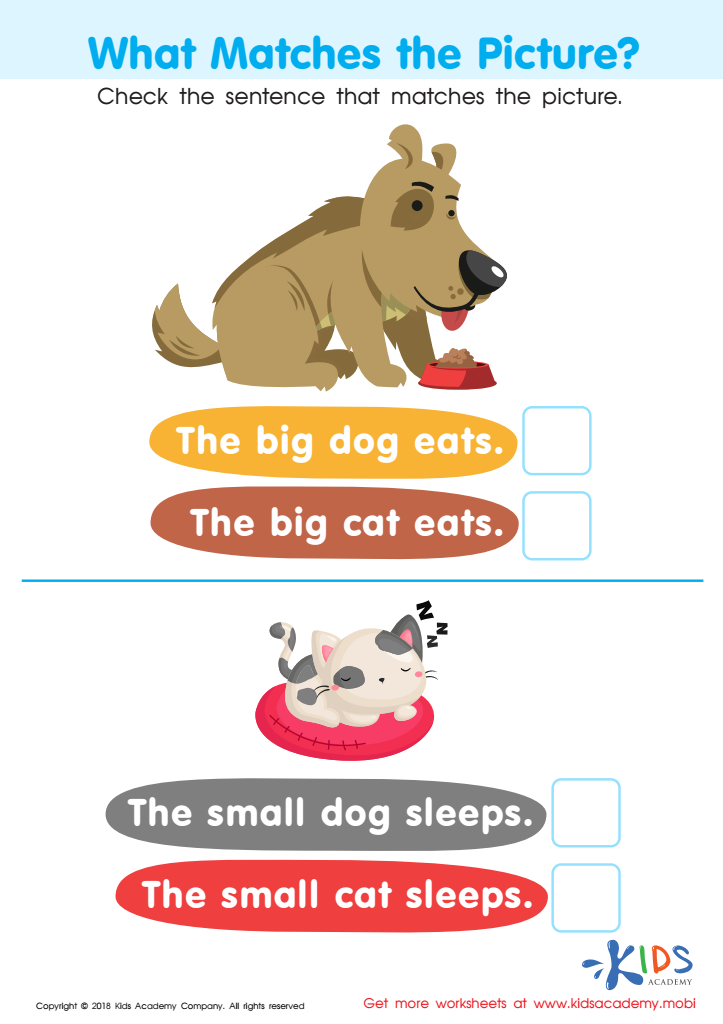
What Matches the Picture? Worksheet
 Assign to My Students
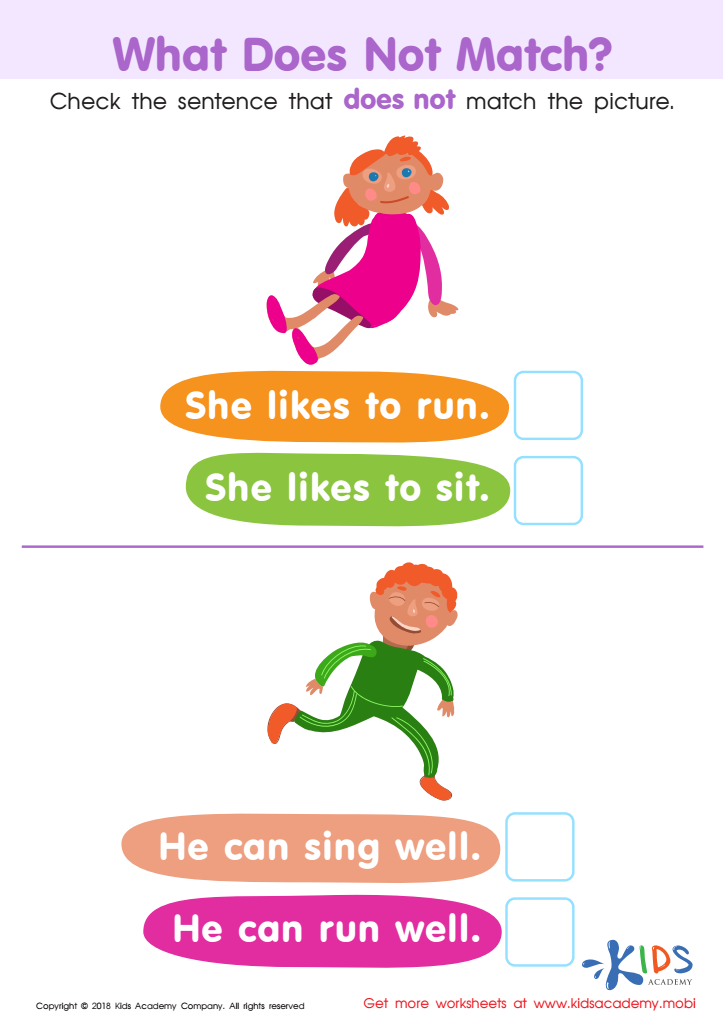
What Does Not Match? Worksheet








Cognitive Development Easy Reading Fiction for ages 4-7 is crucial for multiple reasons. Firstly, this age group undergoes significant cognitive growth and easy reading fiction can enhance their developmental trajectory. These books stimulate imagination and creativity, aiding in conceptual understanding and reasoning. Engaging narratives help improve language skills, expand vocabulary, and foster a love for reading, which is vital for academic success.
Moreover, reading fiction improves comprehension and listening skills, enhancing children's ability to process information and ask meaningful questions. It also encourages on-page exploration and critical thinking as young readers predict, infer, and understand stories’ underlying messages.
For parents and teachers, incorporating such reading materials also plays a pivotal role in social and emotional development. Stories provide relatable scenarios that help children understand emotions, empathy, and different perspectives, aiding psychological development.
Additionally, an early start with easy reading fiction sets a foundation for future literacy, equipping children with the skills they'll need in more advanced academic contexts. By curating engaging, developmentally appropriate fiction, parents and teachers can ensure that children are not only entertained but also acquiring necessary cognitive, linguistic, and socio-emotional skills, forming well-rounded individuals prepared for lifelong learning.