History knowledge Easy 4th of July Worksheets for Ages 4-8
3 filtered results
Difficulty Level
Grade
Age
-
From - To
Subject
Activity
Standards
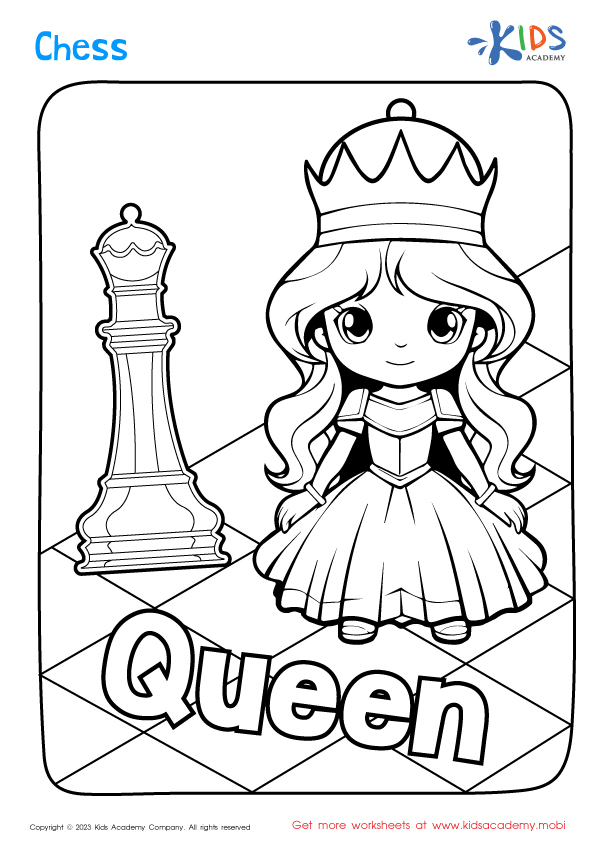
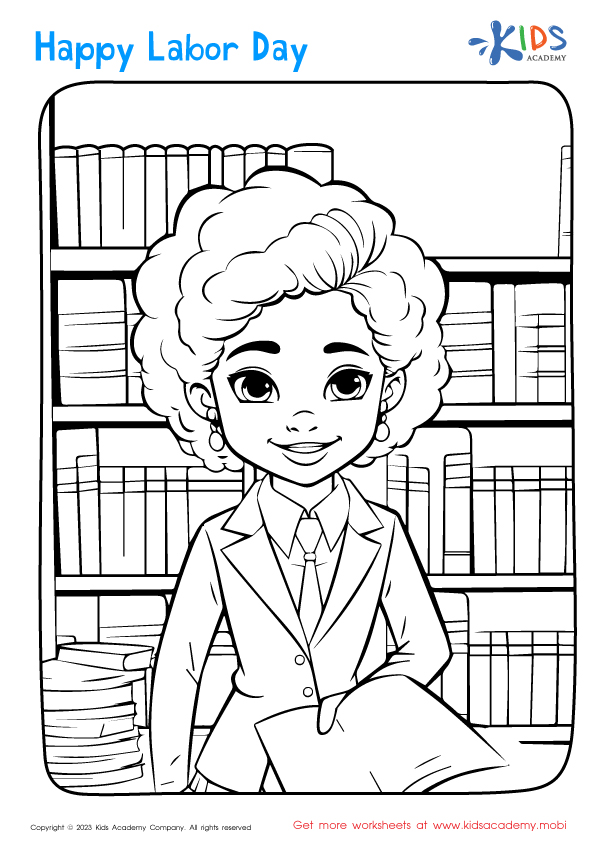
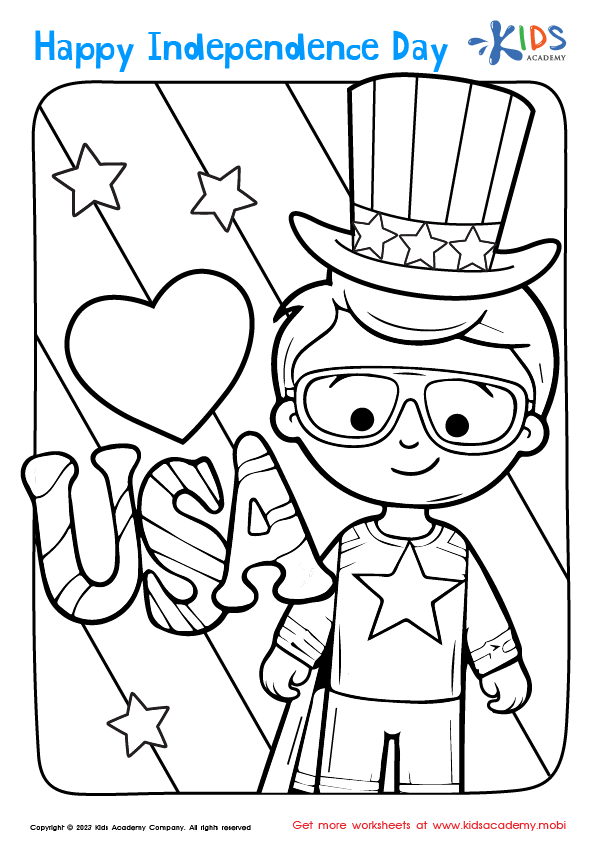
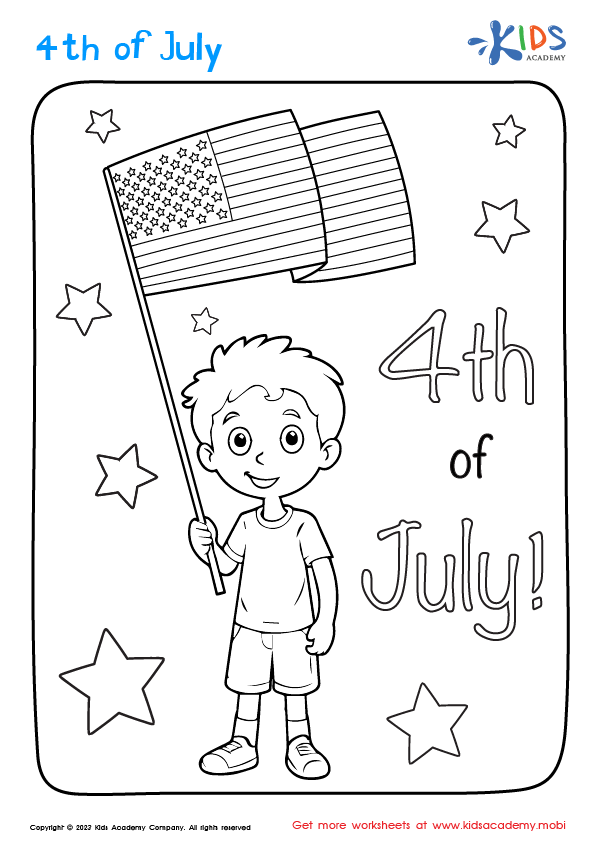
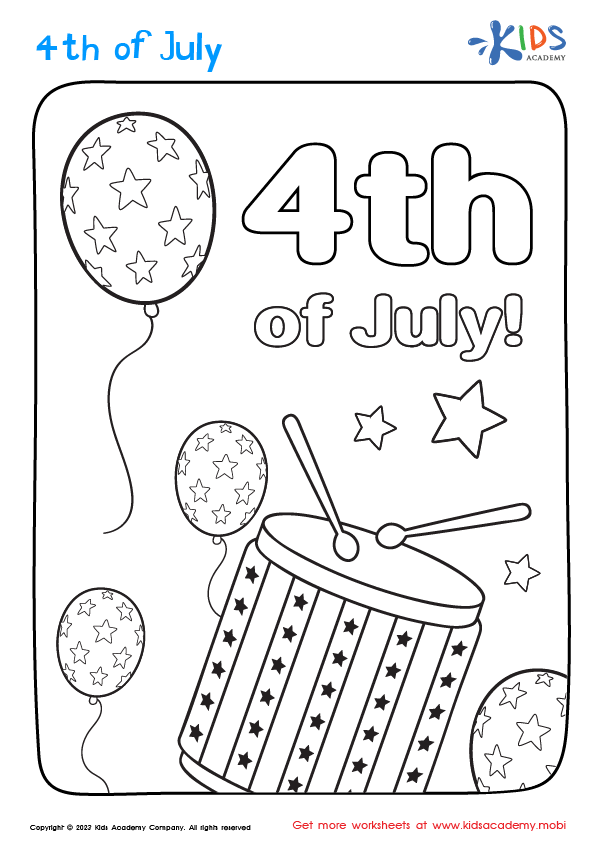
Celebrate the 4th of July with our engaging "History Knowledge Easy Worksheets" designed specifically for children ages 4-8. These worksheets not only spark excitement for Independence Day but also introduce young learners to the significance of this historic event. Featuring vibrant coloring pages and fun activities, children will enjoy exploring the rich history behind America’s freedom. Our resources promote creativity while enhancing knowledge in an interactive manner, making learning both enjoyable and effective. Perfect for homeschooling or classroom use, these worksheets are a fantastic way to spark curiosity about history and instill a sense of patriotism in young minds. Get started today!
Favorites
With answer key
Interactive
Join Kids Academy for Free
Who is primarily going to use this learning content?



Teaching young learners about history, specifically events like the 4th of July, is essential for several reasons. Firstly, understanding historical significance cultivates a sense of identity and belonging. Learning about independence, freedom, and national values can instill pride and awareness of one's heritage, which is especially important for children aged 4-8 as they begin to understand their place in the world.
Additionally, teaching history fosters critical thinking skills. When children explore why the 4th of July is celebrated, they learn to analyze past events, differentiate between rights and responsibilities, and develop opinions based on facts. This early comprehension of cause and effect can contribute to their ability to engage in civic discussions later in life.
Moreover, introducing historical concepts through engaging narratives and activities can enhance literacy and communication skills. Child-friendly approaches to history encourage curiosity, promoting a lifelong love for learning.
Finally, discussing important holidays helps families connect and bond over shared stories and traditions, giving parents and guardians an opportunity to engage in meaningful conversations with their children about values like freedom, unity, and resilience. In essence, addressing history, like the 4th of July, in early education enables impactful lessons that shape well-rounded individuals.