Fine motor development Easy Worksheets for Ages 4-8
3 filtered results
-
From - To
Unlock your child's potential with our "Fine Motor Development Easy Worksheets for Ages 4-8". Designed specifically for young learners, these worksheets enhance essential fine motor skills through engaging activities. Perfect for early education, they include tracing, cutting, and drawing tasks that promote hand-eye coordination, dexterity, and creativity. With a variety of fun and interactive exercises, your child will gain confidence and readiness for more complex tasks ahead. Easily printable and accessible, these worksheets are perfect for home or classroom use. Support your child's development and make learning enjoyable with our carefully crafted resources tailored for ages 4 to 8.
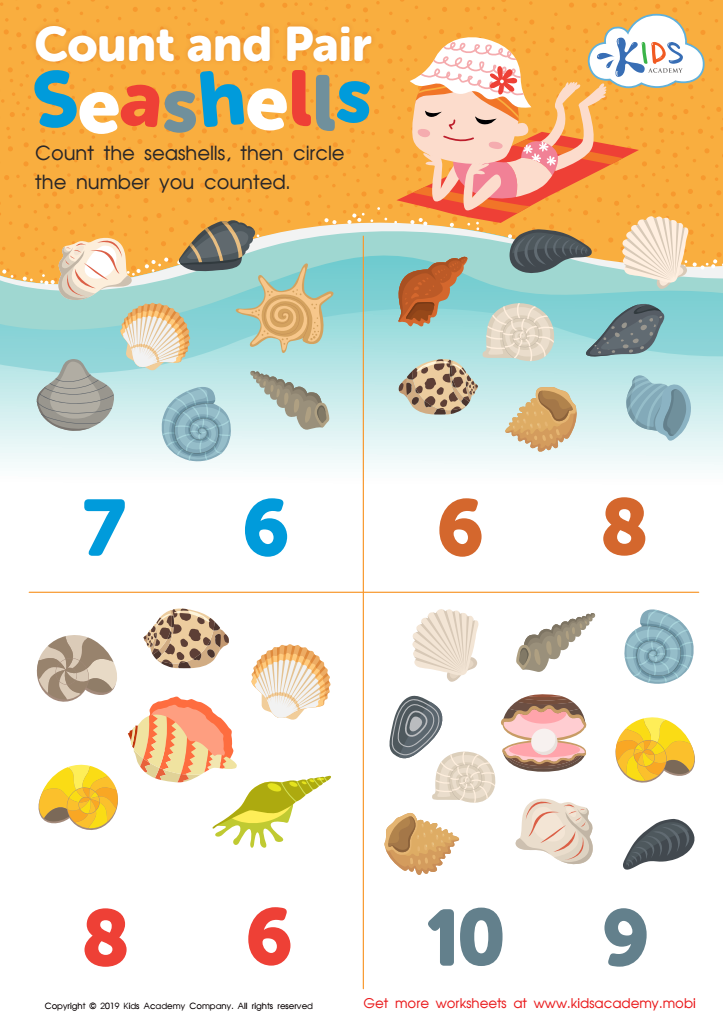
Count and Pair Seashells Worksheet
 Assign to My Students
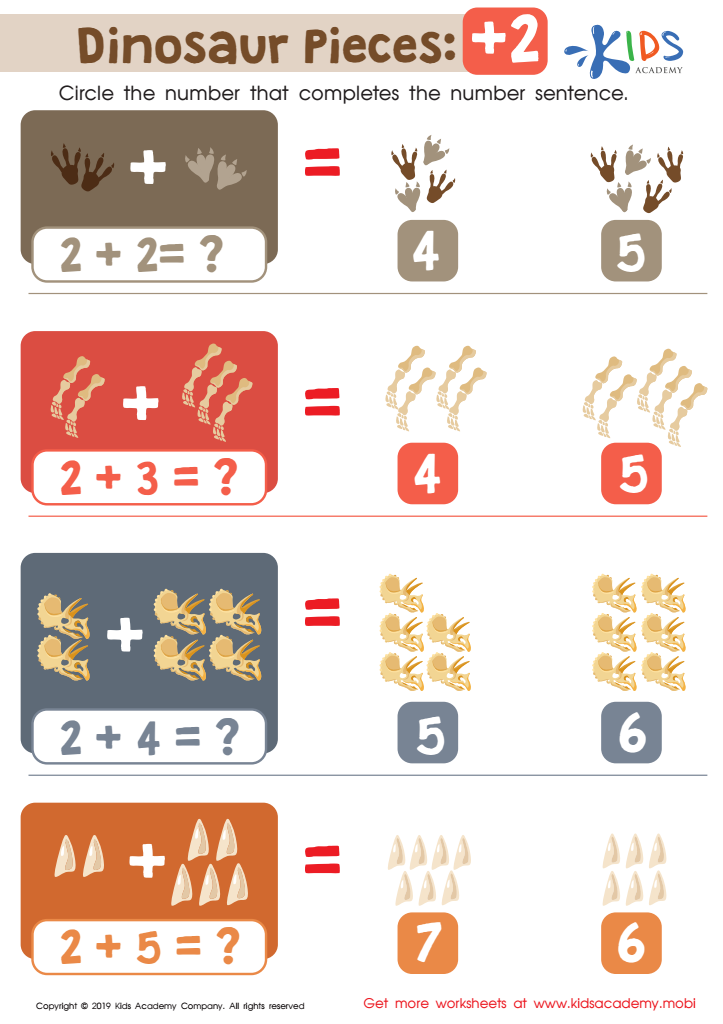
Dinosaur Pieces: +2 Worksheet








.jpg)
Fine motor development is crucial for children aged 4-8 as it impacts their everyday skills and overall growth. This stage is where children refine their hand-eye coordination and dexterity, which are essential for tasks like writing, drawing, and using scissors. When children develop fine motor skills, they gain confidence in their abilities, helping them express creativity and ideas through art and play.
Parents and teachers should care about fine motor development because it lays the groundwork for academic success. Children who struggle with these skills may find writing and other school activities challenging, leading to frustration and decreased motivation. Engaging in fine motor activities like threading beads, building with blocks, or playing with playdough can improve concentration and hand strength.
Additionally, fostering fine motor skills can enhance cognitive abilities. Many of these activities require focus and planning, encouraging problem-solving skills that benefit learning.
Supporting fine motor development at an early age promotes independence, allowing children to take pride in personal accomplishments. By providing opportunities for practice and growth in this area, parents and teachers help children thrive both in and out of the classroom. Investing in fine motor skills contributes significantly to a child's overall development and future success.








