Hand-eye Coordination Easy Worksheets for Ages 4-8 - Page 2
29 filtered results
-
From - To
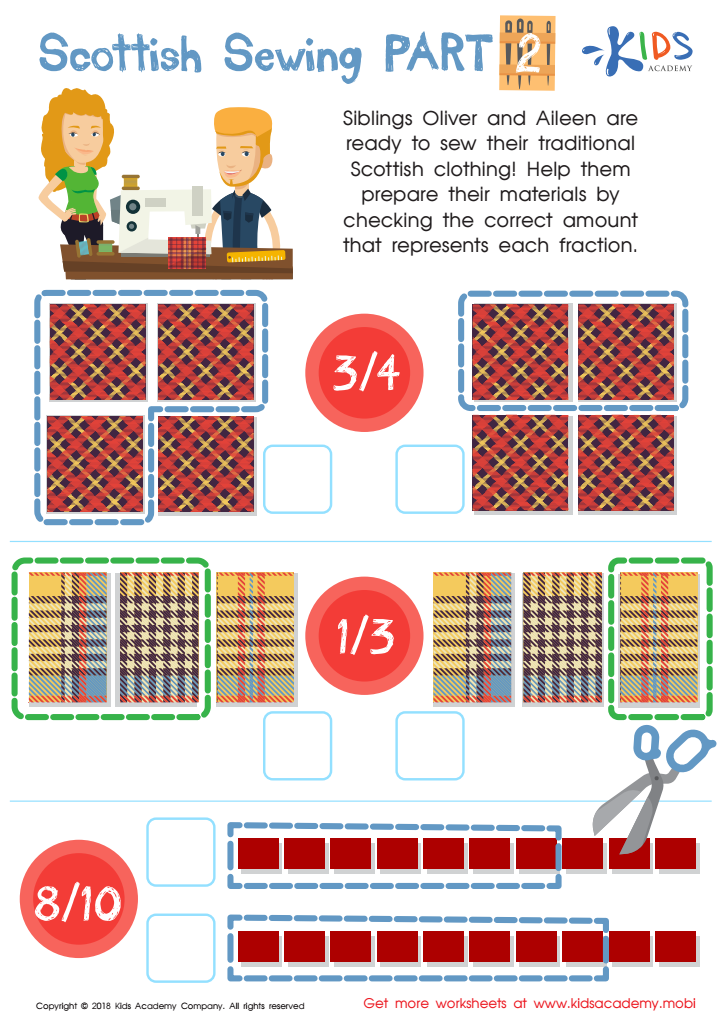
Scottish Sewing Part 2 Worksheet
 Assign to My Students
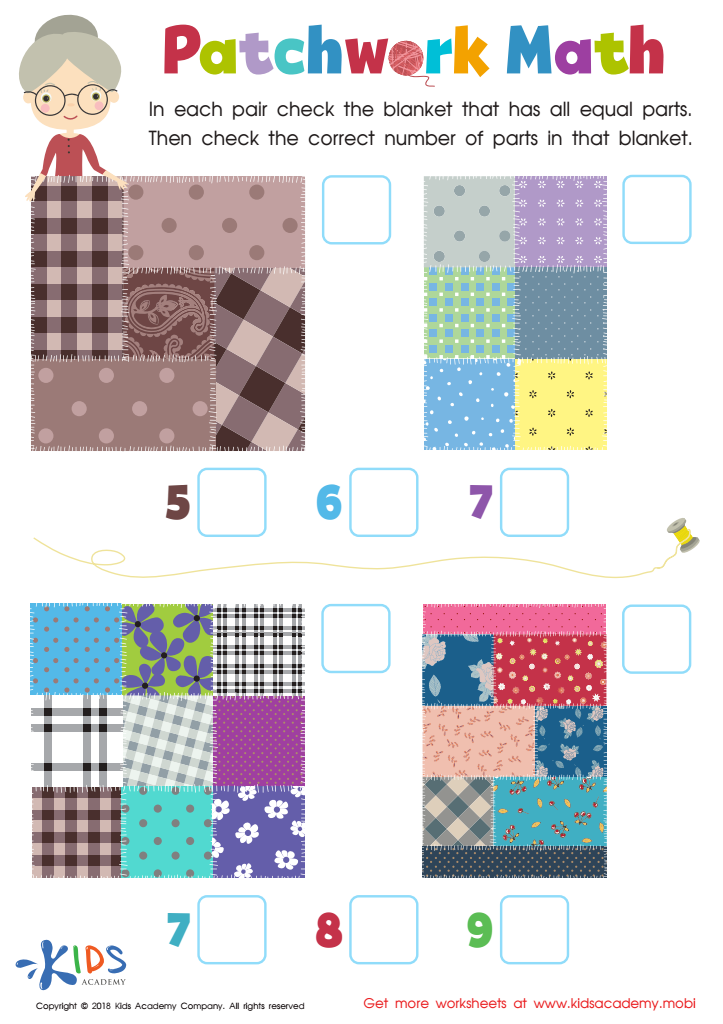
Patchwork Math Worksheet
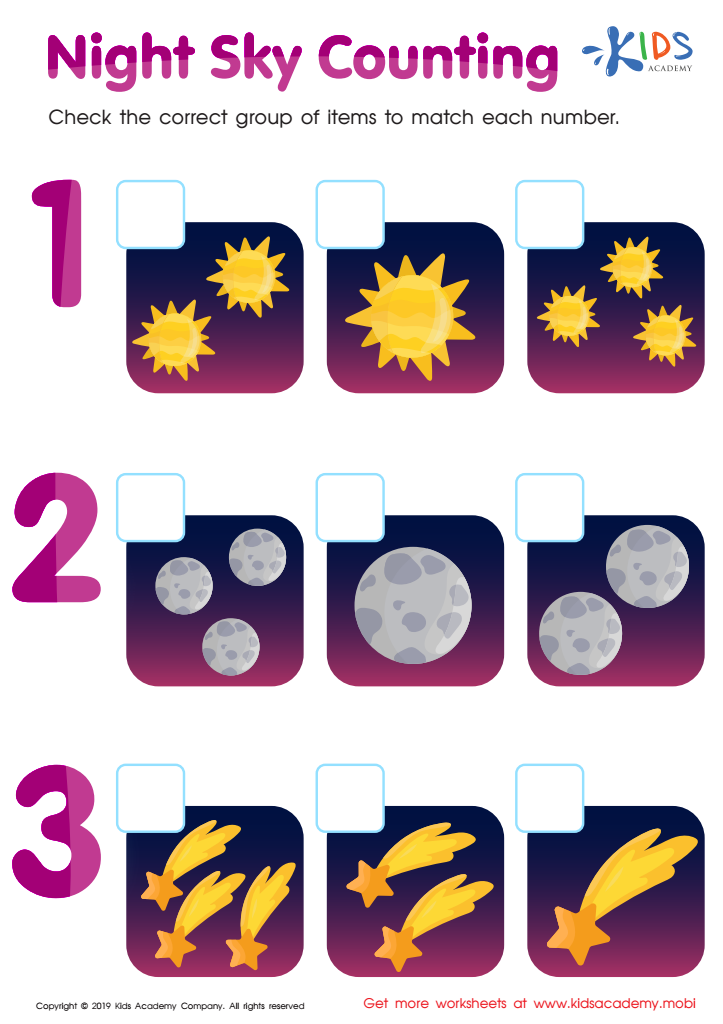
Night Sky Counting Worksheet
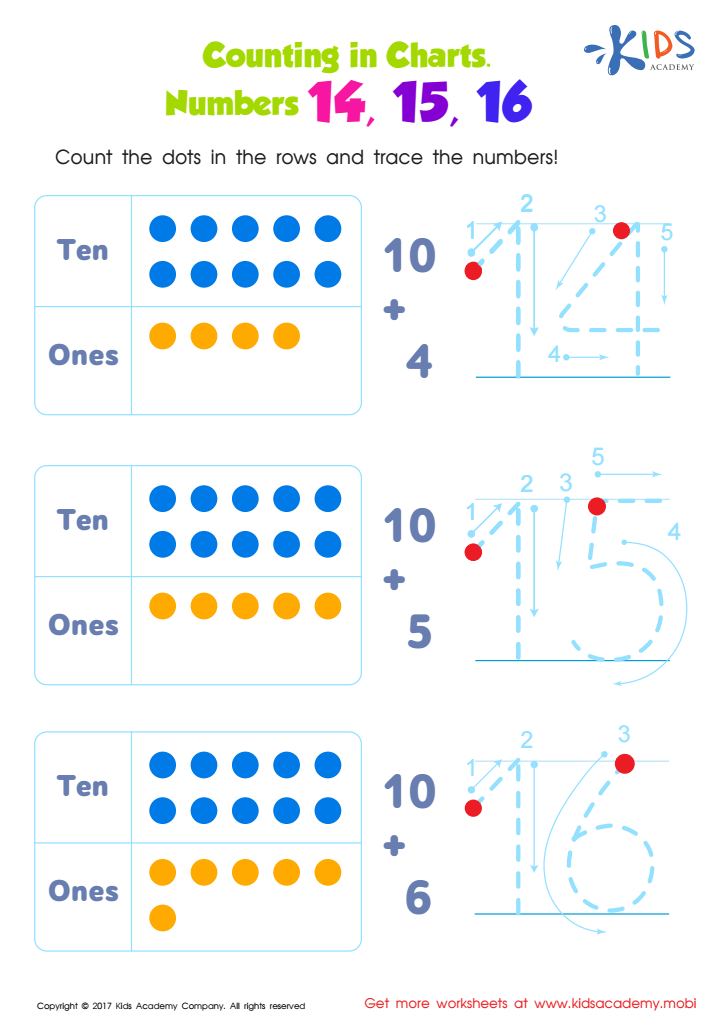
Number Tracing Worksheet
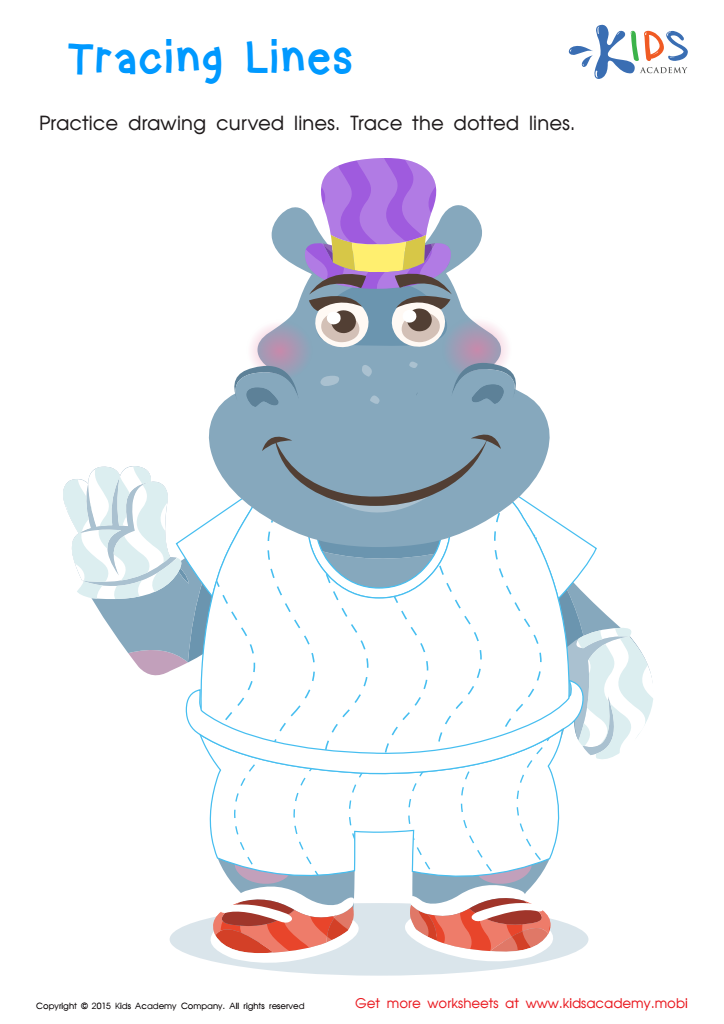
Tracing Lines Worksheet







Hand-eye coordination is a vital skill that significantly impacts children's overall development, particularly in ages 4-8. This period marks critical growth in motor skills, allowing kids to perform everyday tasks like writing, drawing, and tying their shoes. Strong hand-eye coordination not only aids in fine motor skills but also fosters confidence in children as they master new activities.
For parents and teachers, prioritizing this skill is essential because it lays the foundation for more complex tasks in later years, such as sports, arts, and academics. Engaging children in fun activities that enhance hand-eye coordination—such as catching balls, building with blocks, or playing simple video games—can improve their focus, concentration, and spatial awareness.
Furthermore, children with well-developed hand-eye coordination are often more successful in school settings, as they can effectively engage in writing and other productivity tasks. Lack of development in this area might lead to frustration, impacting self-esteem and enthusiasm for learning.
By nurturing this skill through playful and structured activities, parents and teachers can help children build essential abilities that benefit them throughout their lives, promoting well-rounded development and a love for learning.








