Number Recognition Easy Addition Facts Worksheets for Ages 4-8
3 filtered results
-
From - To
Introduce your child to the joy of numbers with our Number Recognition Easy Addition Facts Worksheets, tailored for ages 4-8. Our carefully designed worksheets combine fun and learning, helping young learners grasp number recognition and basic addition. Engaging activities inspire confidence and build foundational math skills, making learning seem like play. Each worksheet is crafted to align with early math education standards, ensuring quality and effectiveness. Perfect for parents and educators, these resources make math accessible and enjoyable. Start your child’s math journey today and watch them thrive with our interactive and educational printable worksheets!
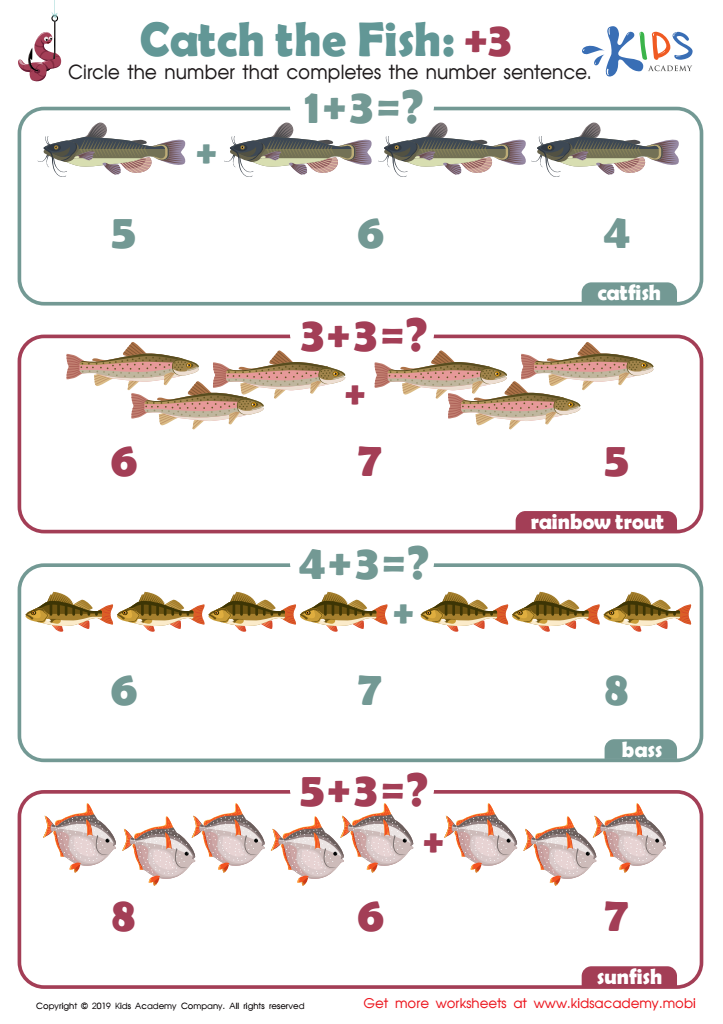
Catch the Fish: +3 Worksheet
 Assign to My Students
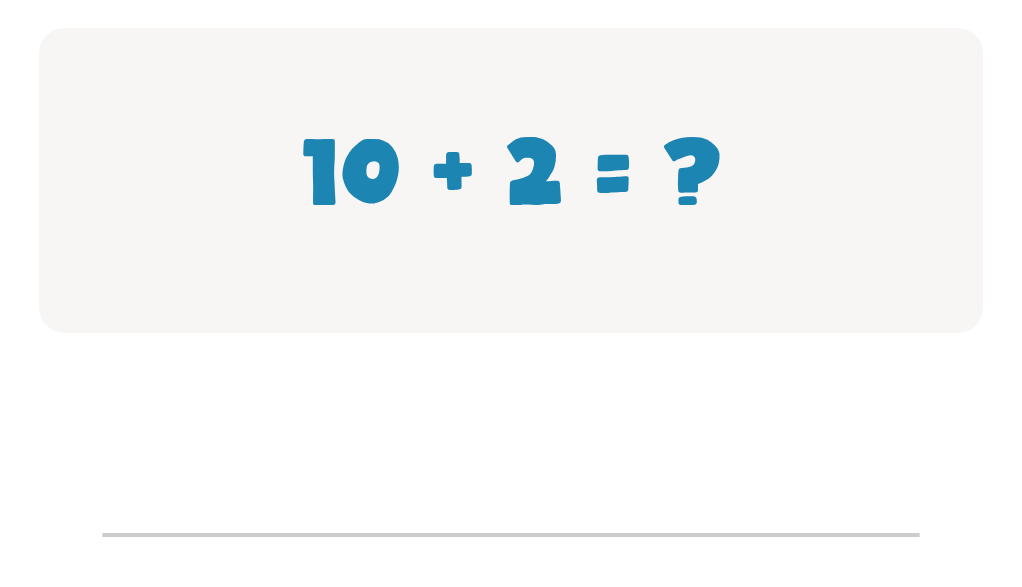

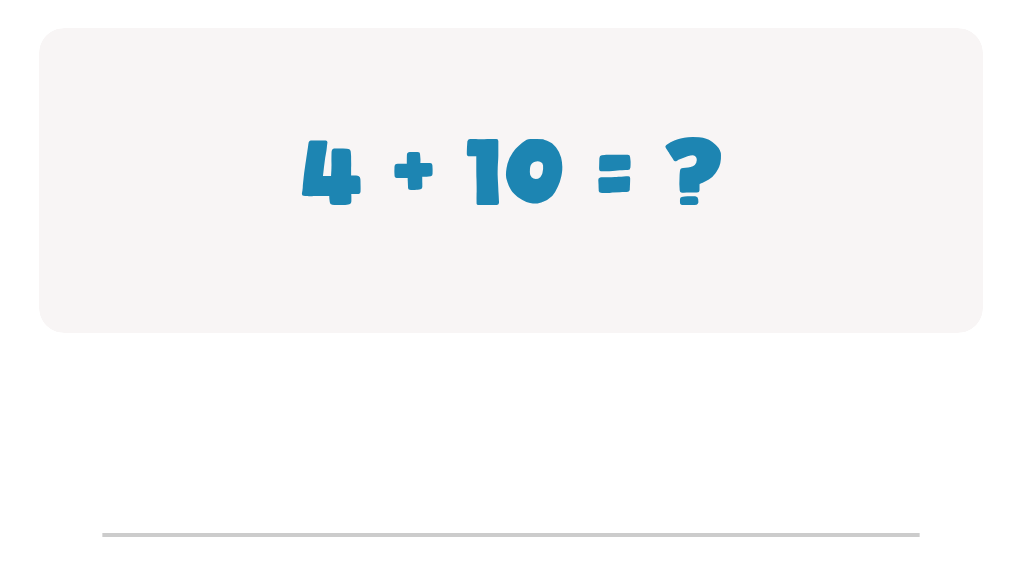
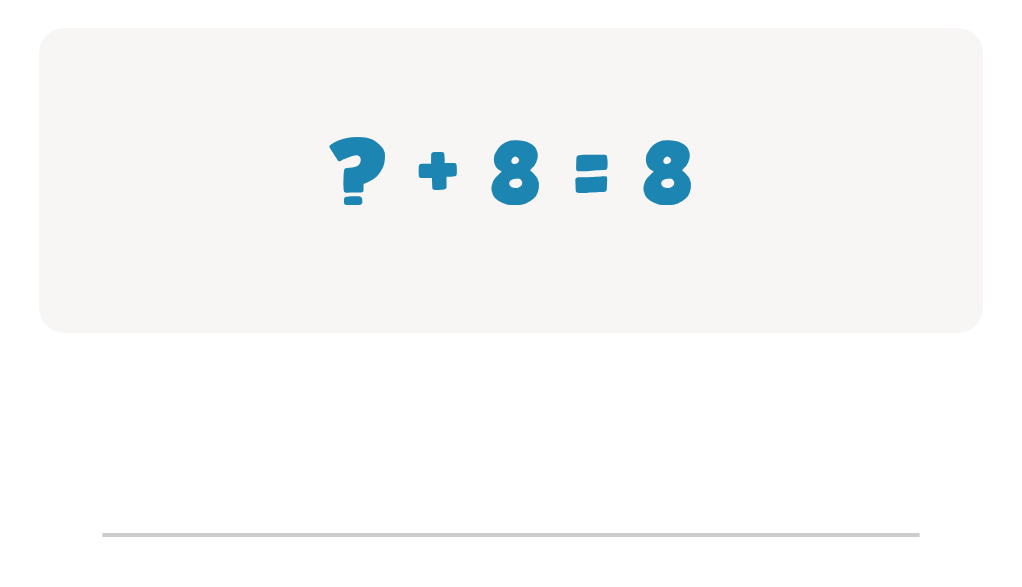
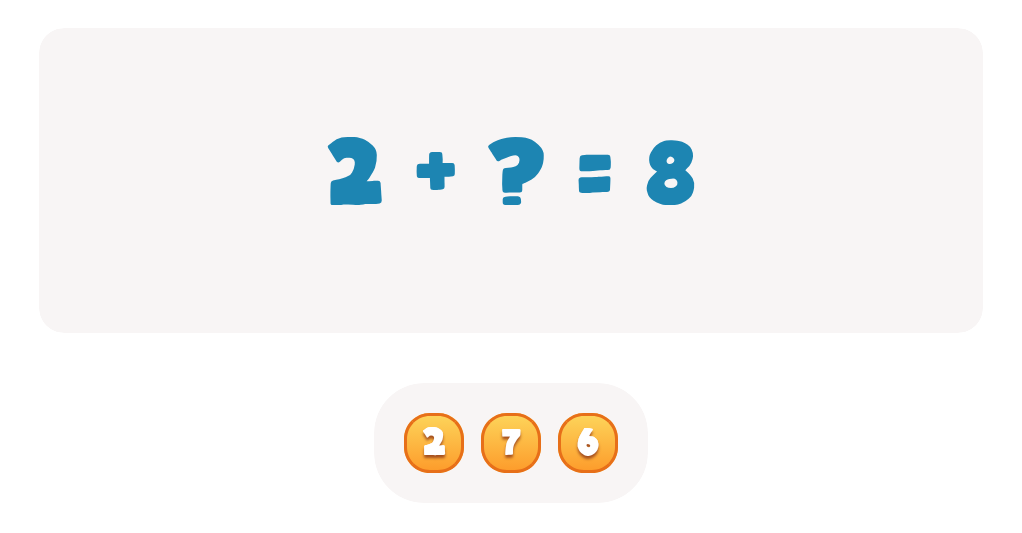
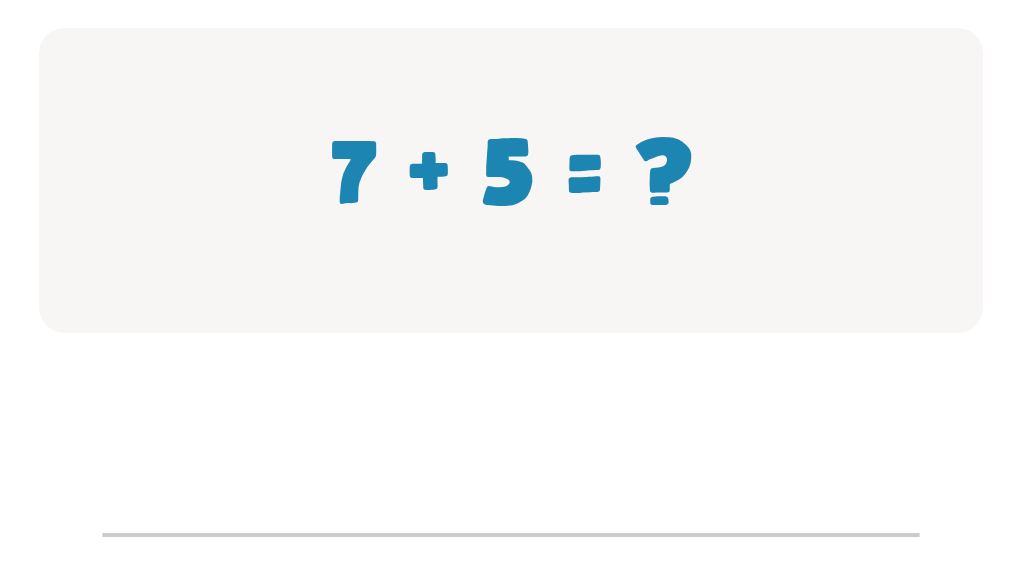
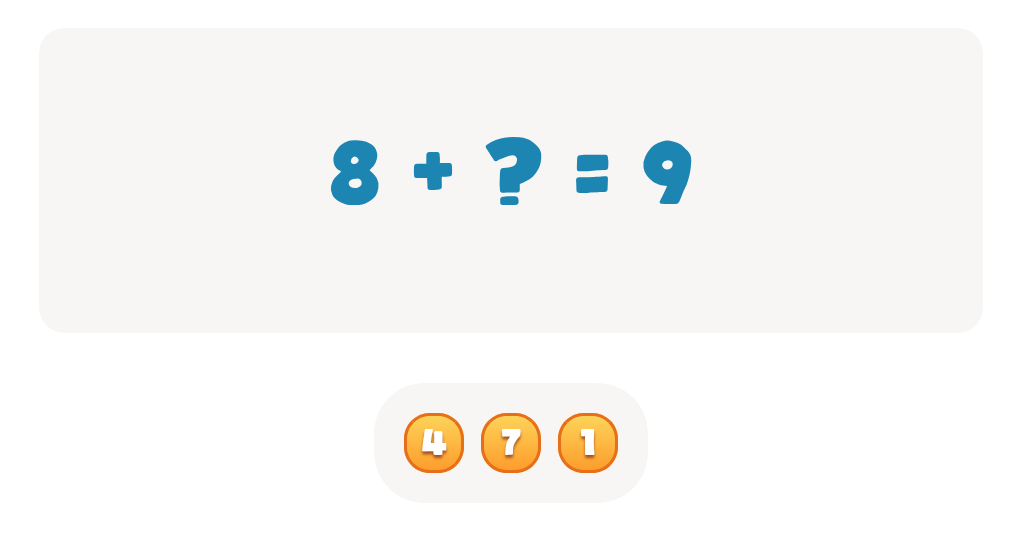

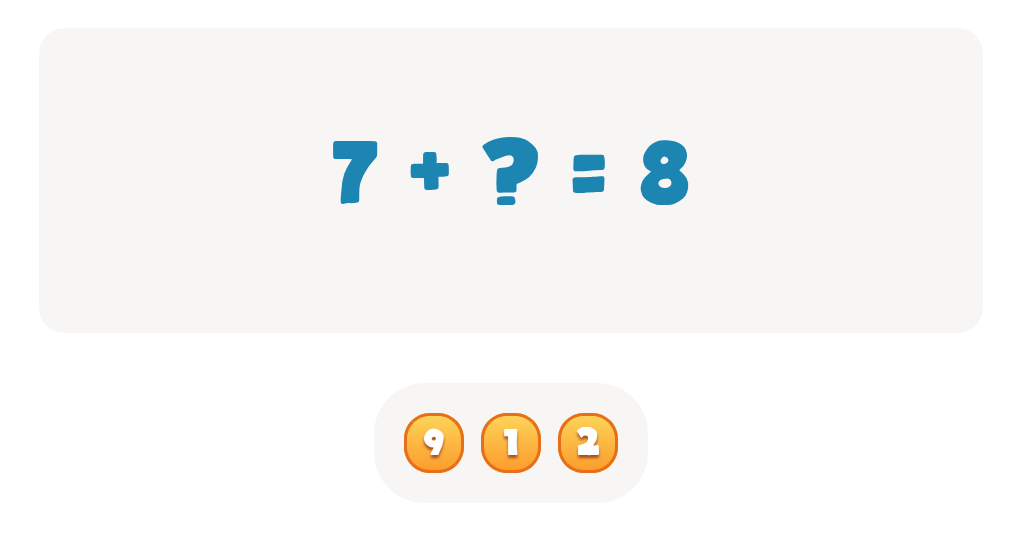
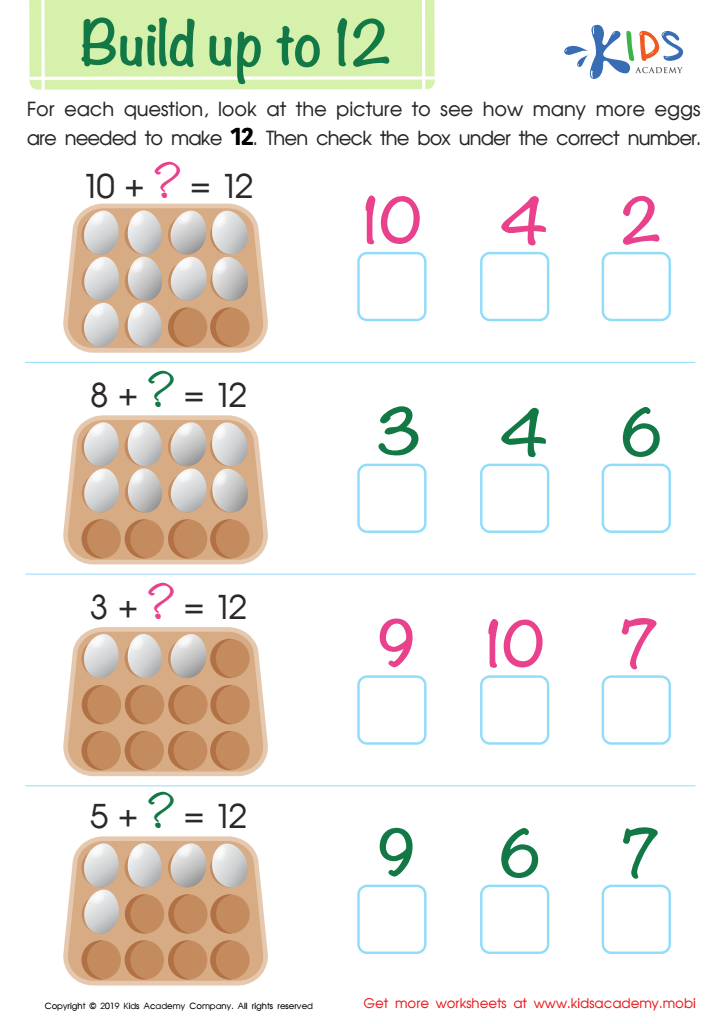
Build up to 12 Worksheet
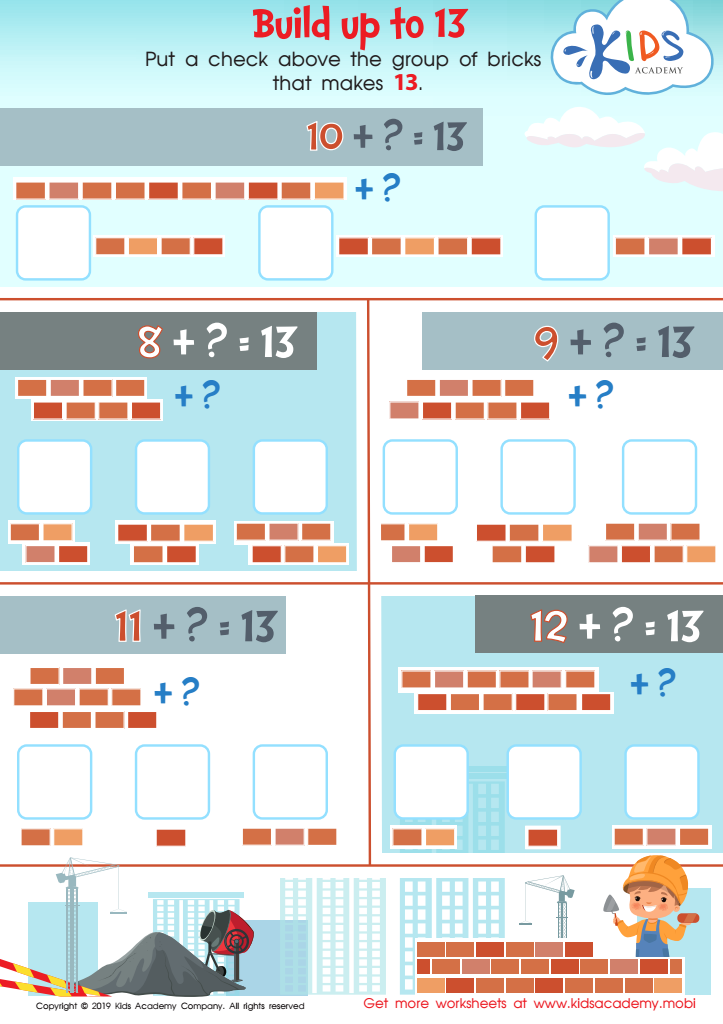
Build up to 13 Worksheet





.jpg)


Number recognition and easy addition facts play a crucial role in the early mathematical development of children aged 4-8, serving as the foundation for more complex mathematical concepts. Parents and teachers should prioritize these skills because they foster numerical literacy, which is essential for everyday life. Recognition of numbers enables children to understand the concept of quantity, providing the groundwork for problem-solving and logical thinking.
Mastering easy addition facts helps children gain confidence and fluency in basic math operations, reducing anxiety and creating a positive learning experience. This fluency is critical for the transition to more advanced math skills, such as subtraction, multiplication, and division. Early proficiency also encourages a child's natural curiosity and enthusiasm for learning, promoting a proactive attitude toward education.
Moreover, early math skills are associated with better performance in later academic pursuits. Research shows that early competence in mathematics is a strong predictor of long-term academic success. Proficiency in these fundamental skills aids in the development of cognitive abilities including memory, attention, and sequencing.
In summary, emphasizing number recognition and easy addition facts sets the stage for a solid mathematical foundation, nurturing both academic success and essential life skills. Parents and teachers play a key role in making this learning experience engaging and enjoyable for young children.








