Problem-Solving Skills Easy Geometry Worksheets for Ages 4-8
6 filtered results
-
From - To
Introduce young learners to the world of geometry with our Problem-Solving Skills Easy Geometry Worksheets for ages 4-8. Designed to be engaging and educational, these printable worksheets help children develop crucial problem-solving abilities through fun and interactive exercises. By tackling shapes, patterns, and basic geometric concepts, kids enhance their logical thinking, spatial awareness, and critical thinking skills. Our worksheets are perfect for young minds eager to explore math in a hands-on way. They provide the foundational skills necessary to succeed in future math challenges, all while inspiring a love for learning. Download and start exploring today!
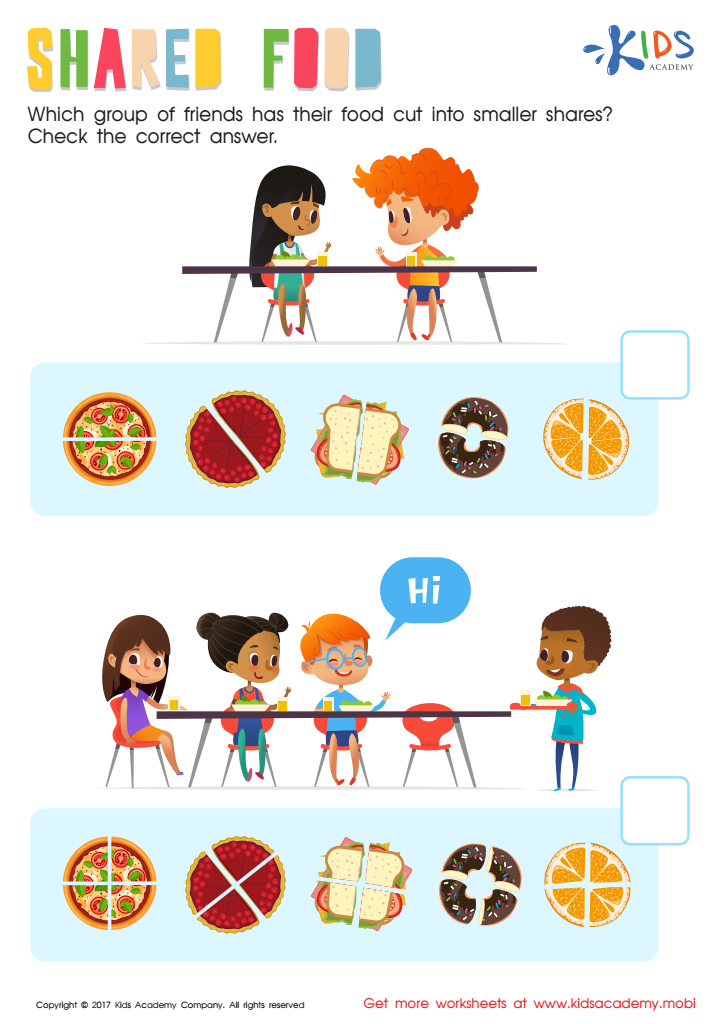
Shared Food Worksheet
 Assign to My Students











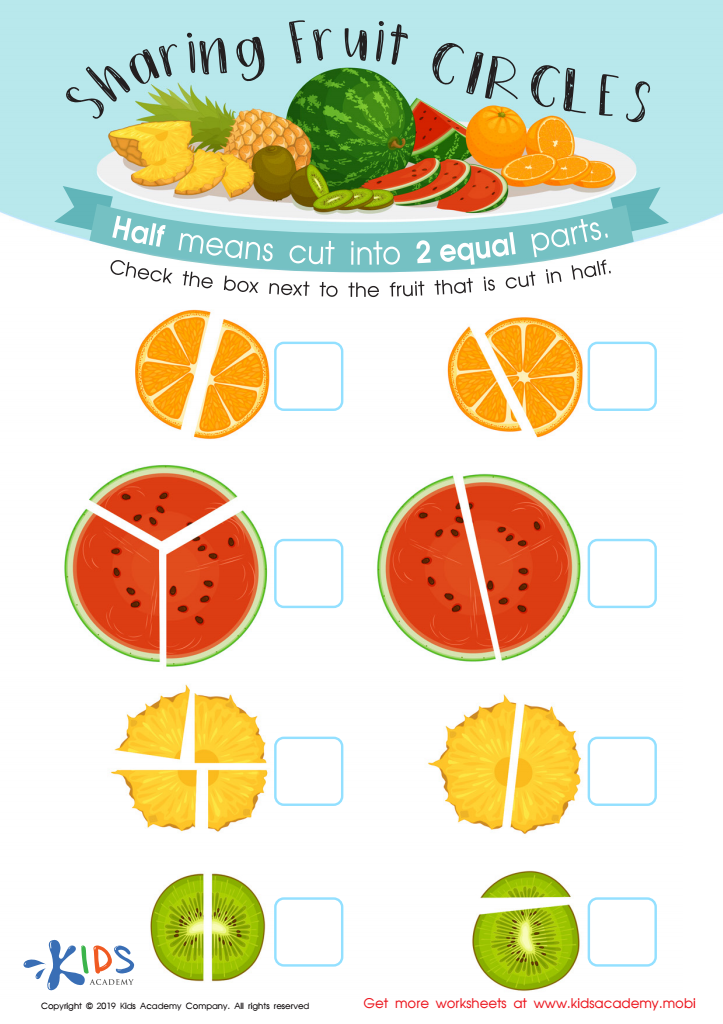
Sharing Fruit Circles Worksheet
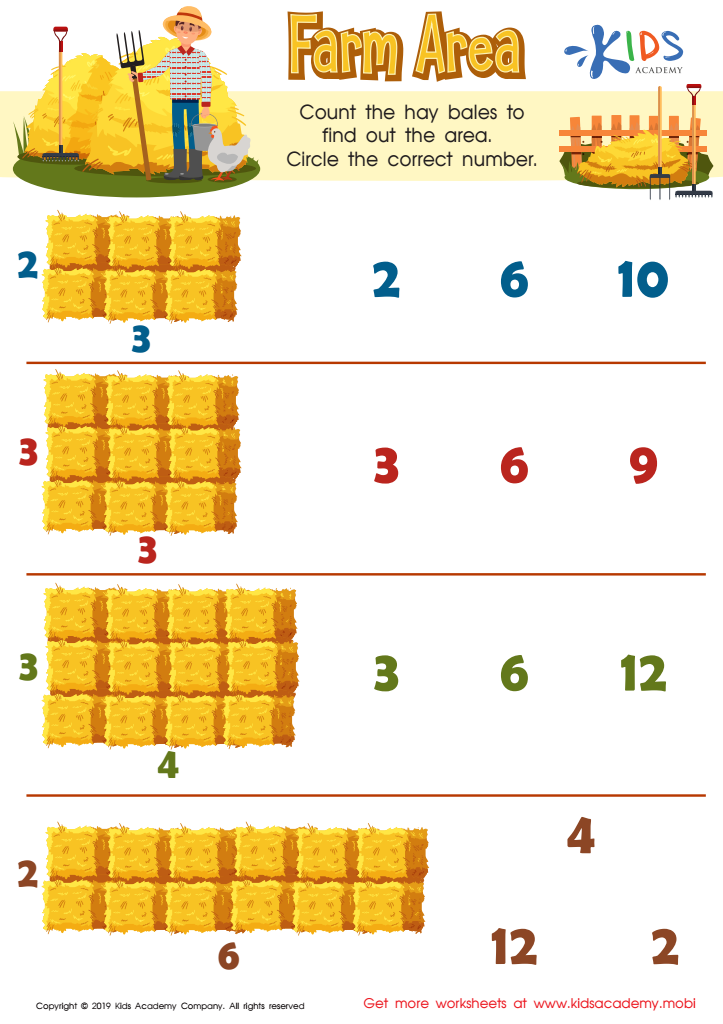
Farm Area Worksheet
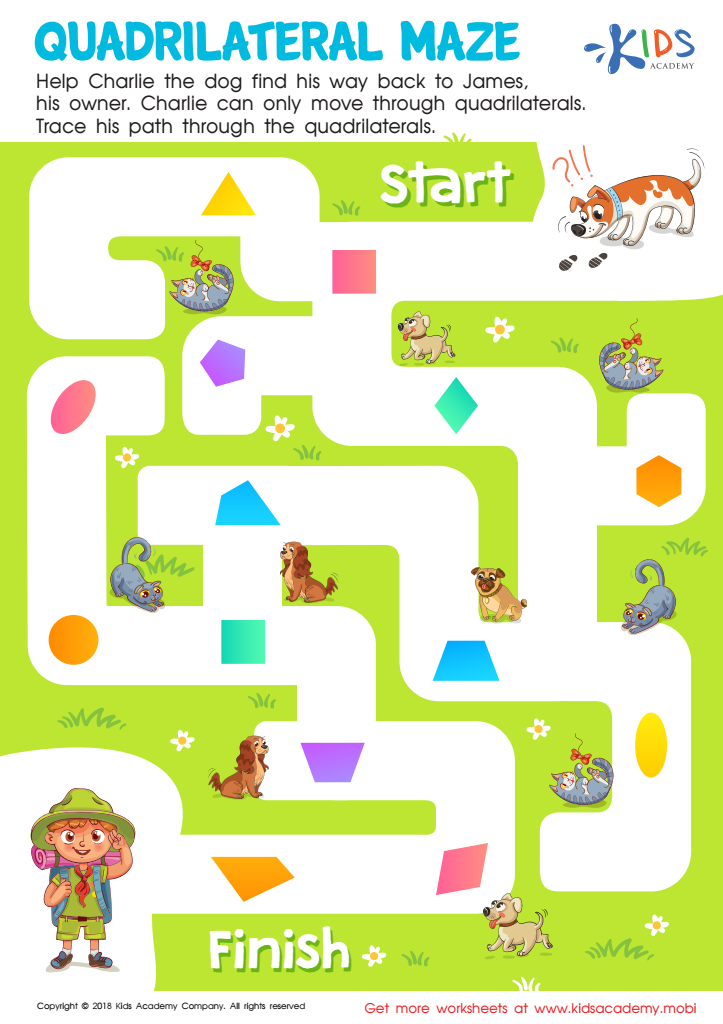
Quadrilateral Maze Worksheet
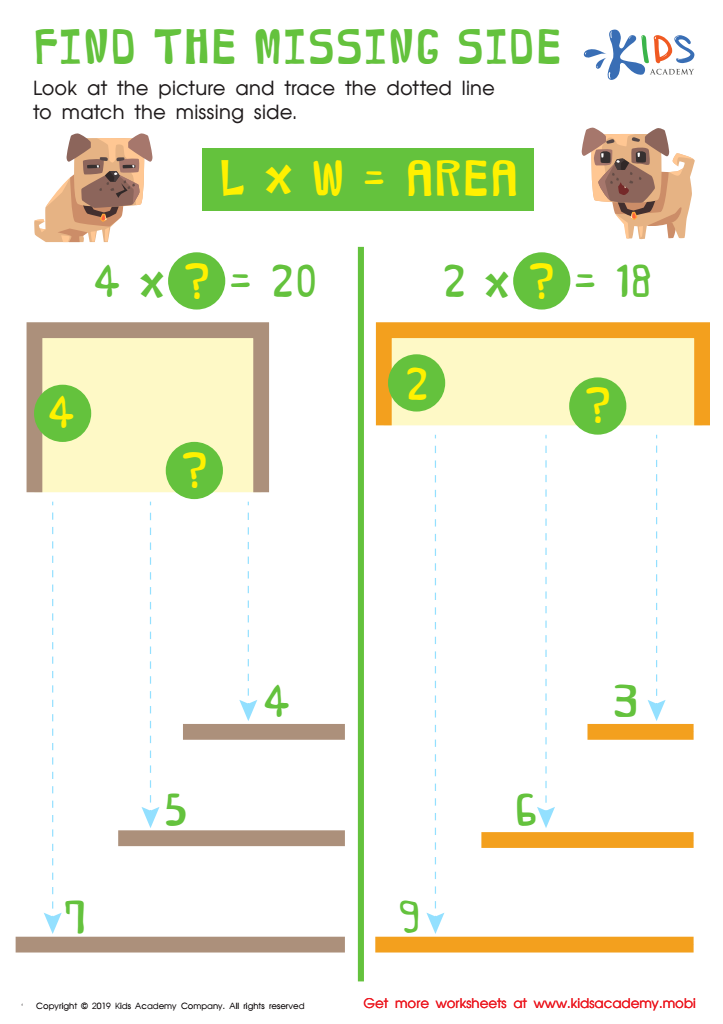
Find the Missing Side Worksheet
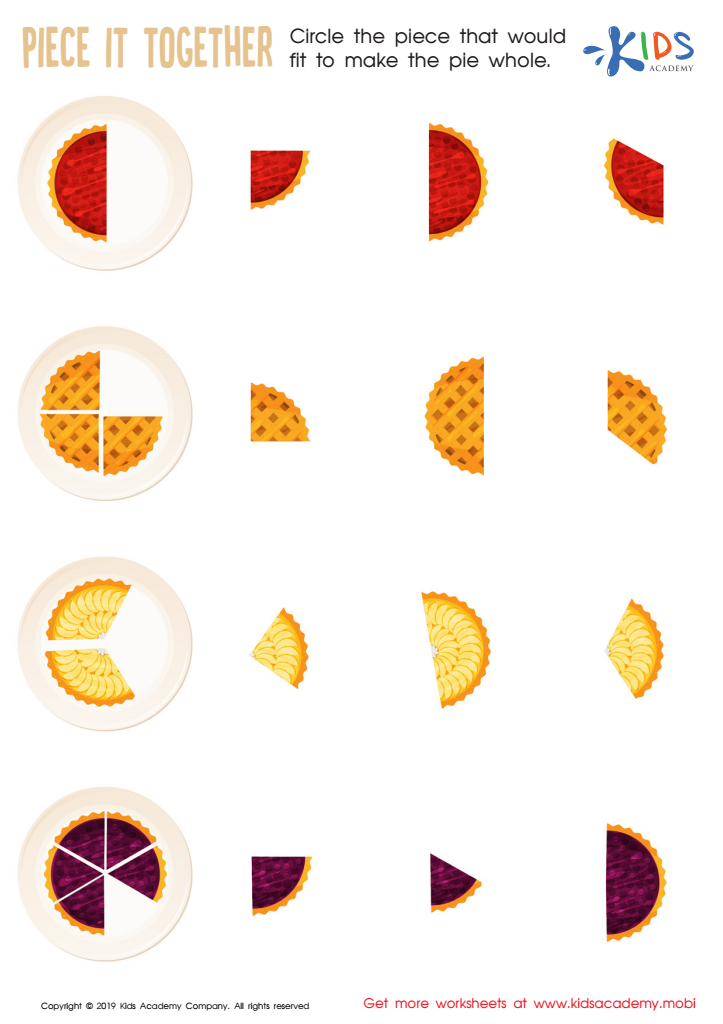
Piece it together Worksheet








Problem-solving skills are fundamental building blocks for cognitive development in children, and introducing easy geometry to ages 4-8 helps foster these abilities in a fun, engaging manner. At this critical stage, children are highly receptive and malleable, laying the groundwork for future learning. Geometry, through shapes, patterns, and spatial reasoning, teaches kids to observe, analyze, and make sense of the world around them. Engaging with these concepts enhances their ability to strategize and find solutions to various problems, thereby boosting their cognitive flexibility and creativity.
When young learners tackle easy geometry problems, they are not only learning mathematical concepts but also improving their logical reasoning. This dual benefit supports academic growth across various subjects. Moreover, problem-solving in geometry encourages children to experiment and explore different solutions, promoting perseverance and resilient thinking. These softer skills are critical for personal development and success later in life.
For parents and teachers, facilitating such learning experiences guarantees that children develop a solid foundation in both critical thinking and mathematics. This can lead to a smoother transition into more advanced studies, enhance in-school performance, and spark a lifelong interest in learning and problem-solving. Cultivating these skills early on sets the stage for intellectual curiosity and academic excellence in later years.








