Following instructions Easy Numbers Worksheets for Ages 4-8
5 filtered results
-
From - To
Discover our engaging "Following Instructions Easy Numbers Worksheets" designed specifically for children aged 4-8. These worksheets combine fun and learning, helping kids master number concepts while enhancing their ability to follow directions. Each activity encourages critical thinking and fine motor skills as young learners complete tasks that involve counting, matching, and identifying numbers. With colorful illustrations and age-appropriate challenges, your child will build confidence and improve their math skills in an enjoyable way. Perfect for at-home practice or classroom use, our worksheets promote an interactive learning experience, setting a strong foundation for future academic success. Explore today for enriching activities!
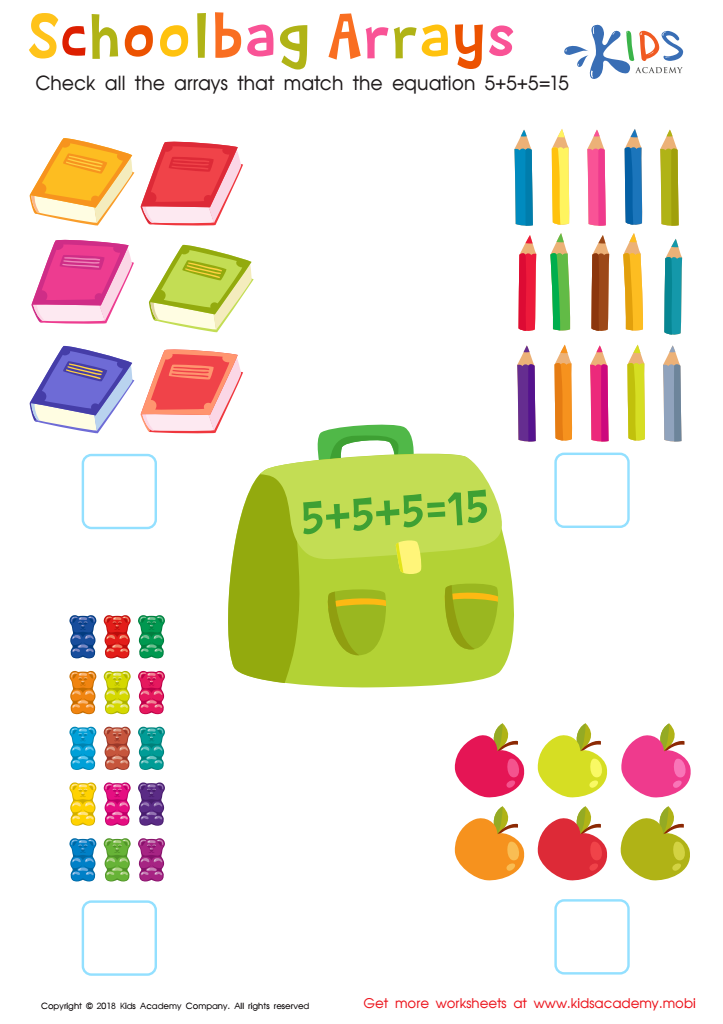
Schoolbag Arrays Worksheet
 Assign to My Students
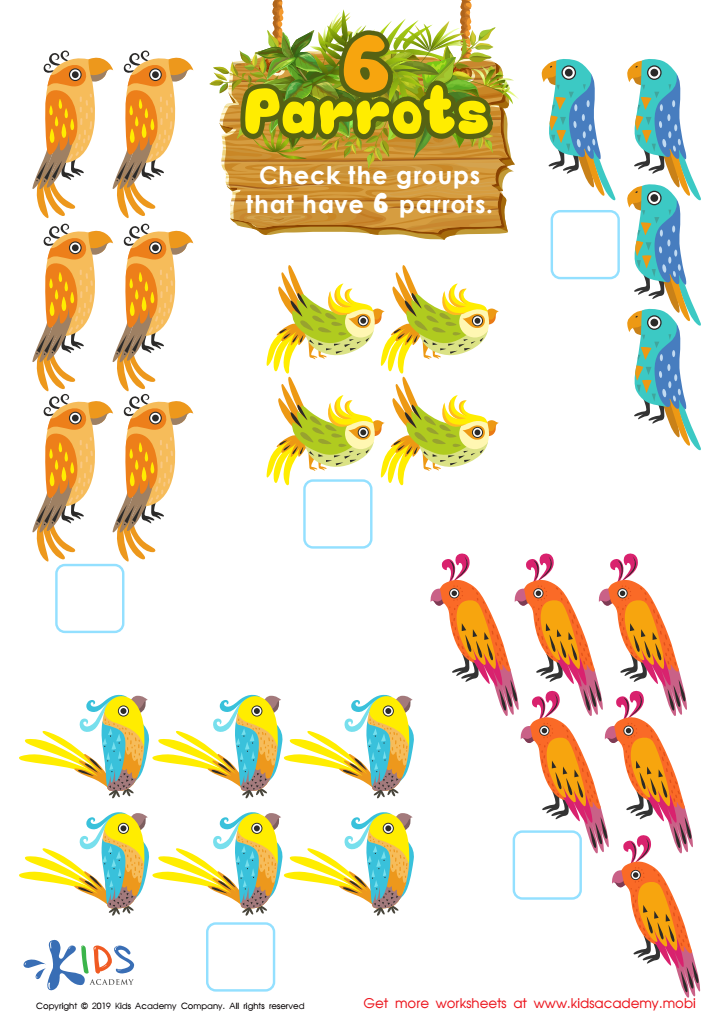
6 Parrots Worksheet
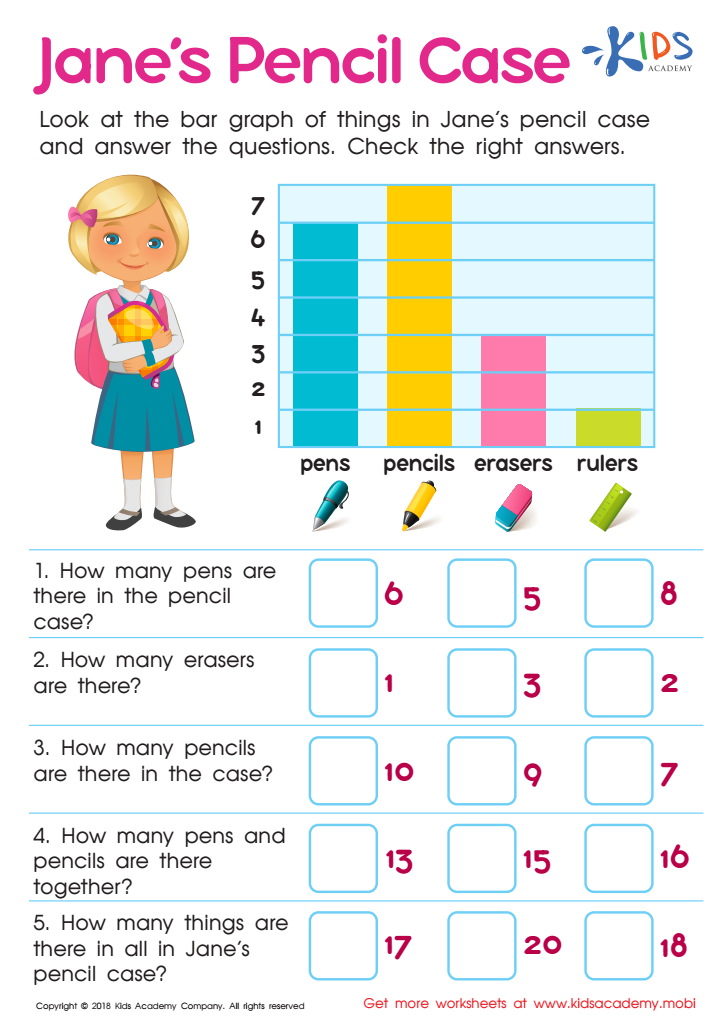
Jane's Pencil Case Worksheet
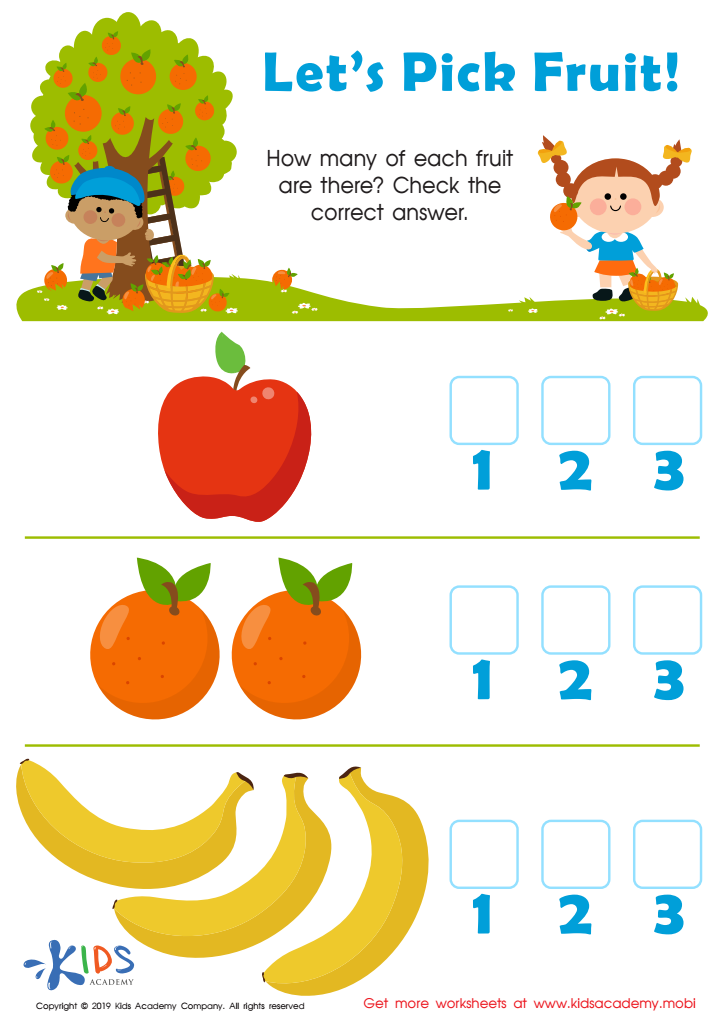
Let's Pick Fruit Worksheet
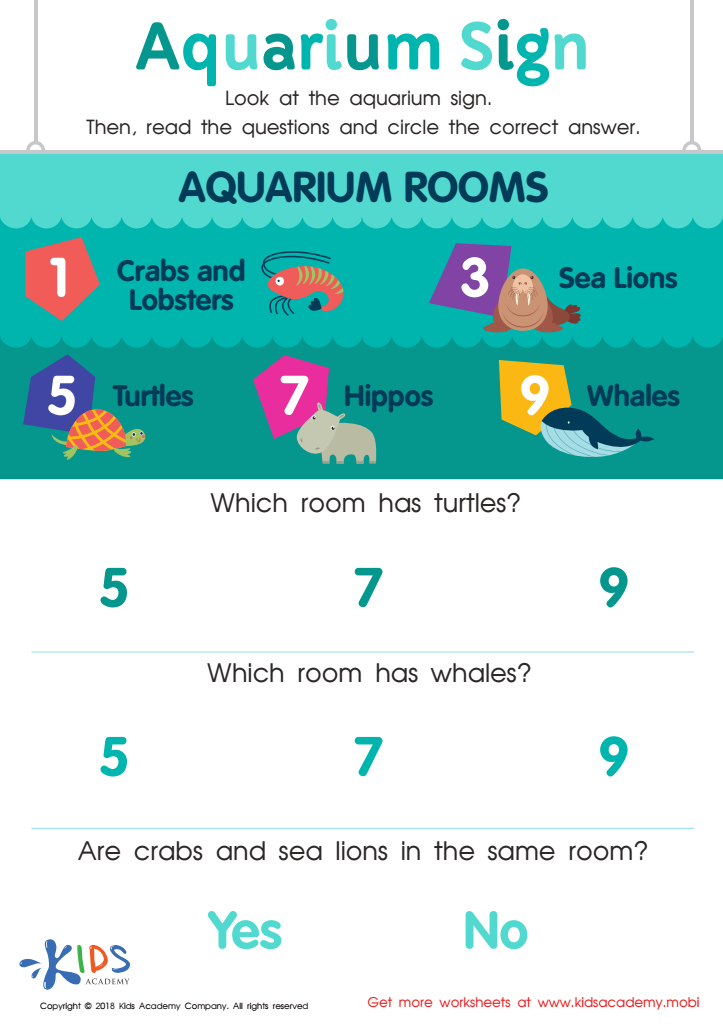
Assessment: Aquarium Sign Worksheet





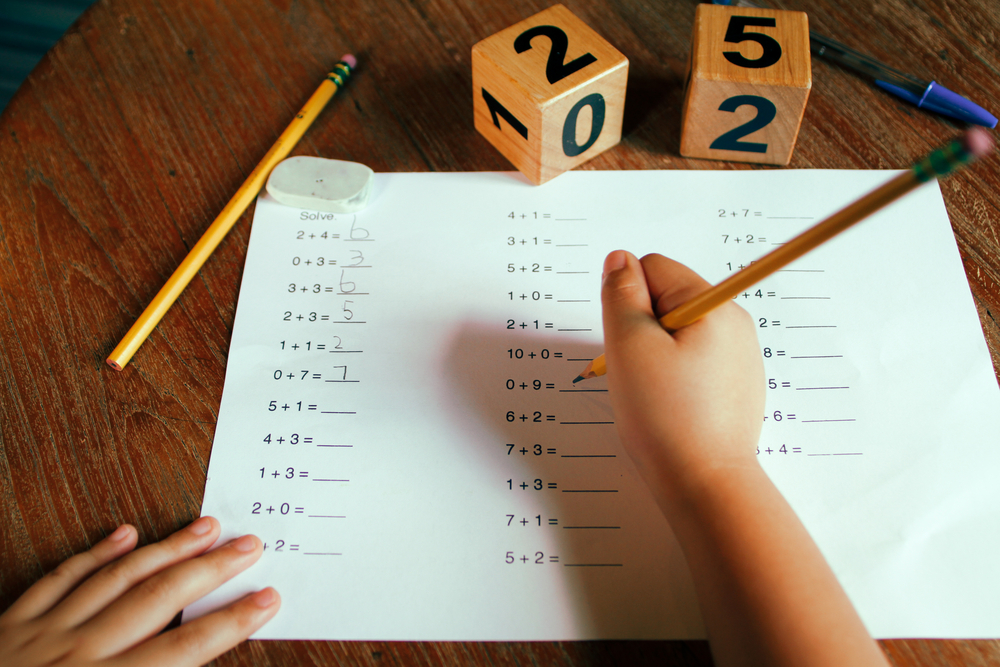


Following instructions is a crucial skill for children aged 4-8 as it lays the foundation for their cognitive and social development. For educators and parents, understanding how to teach this skill through "Easy Numbers" or similar programs offers several benefits.
When children learn to follow instructions, they enhance their comprehension and problem-solving abilities, as they practice interpreting and acting on verbal and written cues. This proficiency not only aids in academic settings but also fosters independence, as children become adept at managing tasks on their own. Moreover, the ability to follow directions is linked to better classroom behavior, as children learn to listen attentively and respond appropriately to guidance.
Incorporating games and activities that focus on easy numbers can make learning enjoyable and engaging for young learners. These experiences promote critical thinking and encourage collaboration and communication among peers. Parents and teachers can also use these opportunities to reinforce the importance of patience and perseverance, valuable traits that will serve children in all areas of life.
By prioritizing instruction-following techniques, we equip children with essential life skills that not only enhance their educational experiences but also prepare them for future challenges in social, academic, and personal domains.








