Enhancing Counting Skills Easy Math Worksheets for Ages 4-8
5 filtered results
-
From - To
Enhance your child's counting skills with our engaging Easy Math Worksheets designed for ages 4-8! These worksheets are perfect for young learners, fostering foundational math abilities through fun and interactive activities. Our resources aim to build number recognition, one-to-one correspondence, and simple addition concepts. Each worksheet features vibrant illustrations to captivate your child's attention while promoting effective learning. Whether at home or in the classroom, these easy-to-follow worksheets provide an ideal way for children to practice counting in a playful manner. Equip your kids with the essential skills they'll need for a successful math journey with these carefully crafted resources!
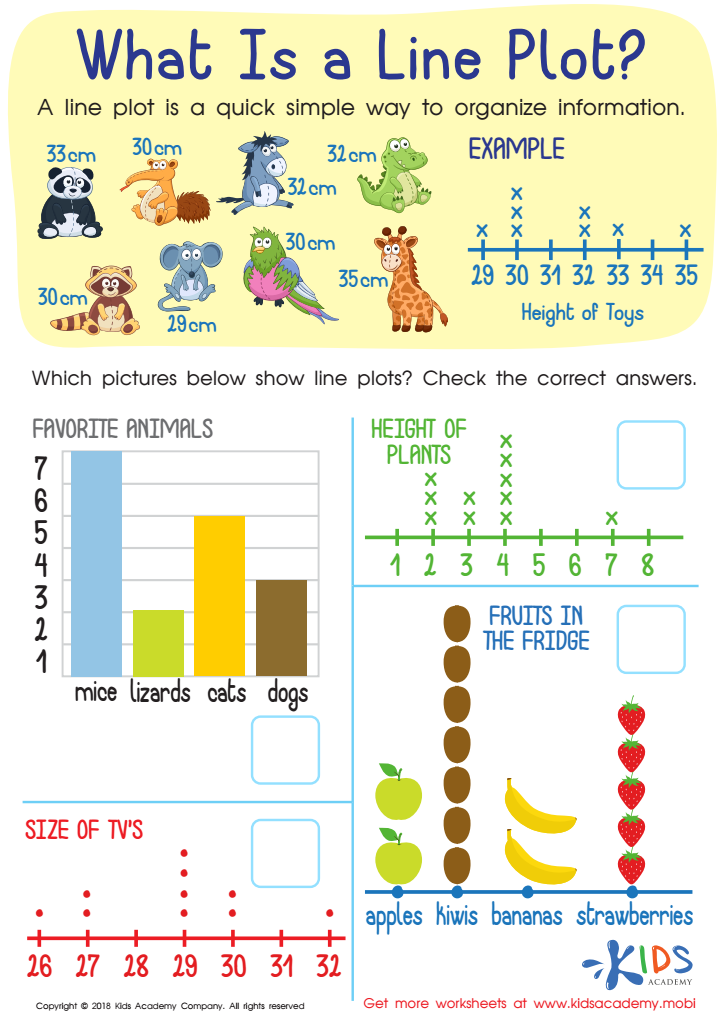
What Is a Line Plot? Worksheet
 Assign to My Students
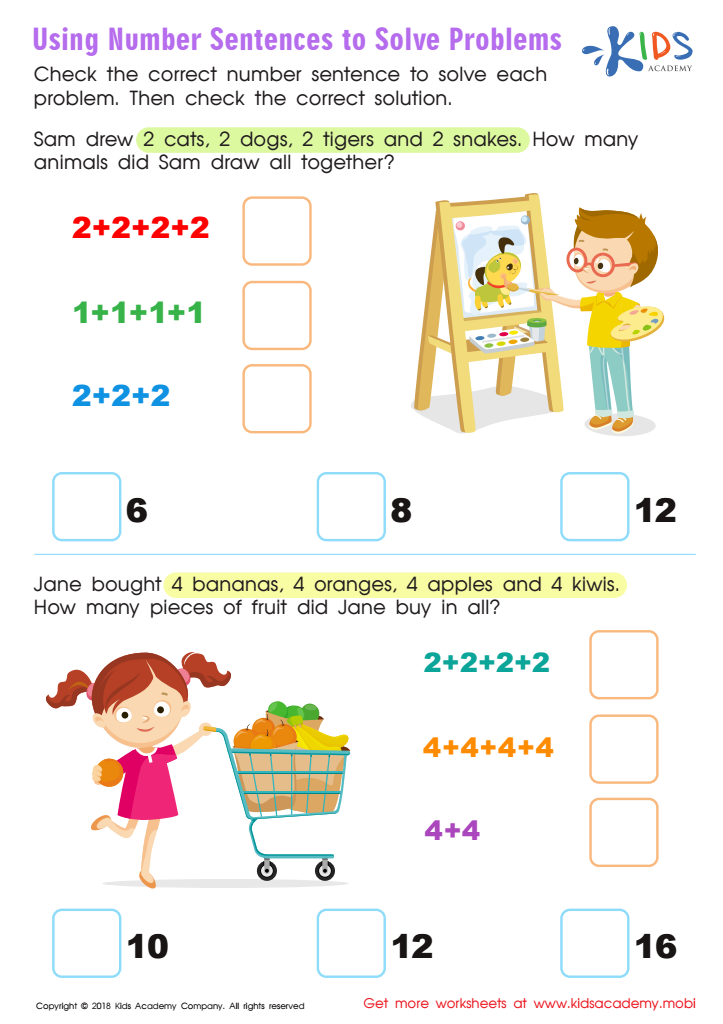
Using Number Sentences to Solve Problems Worksheet
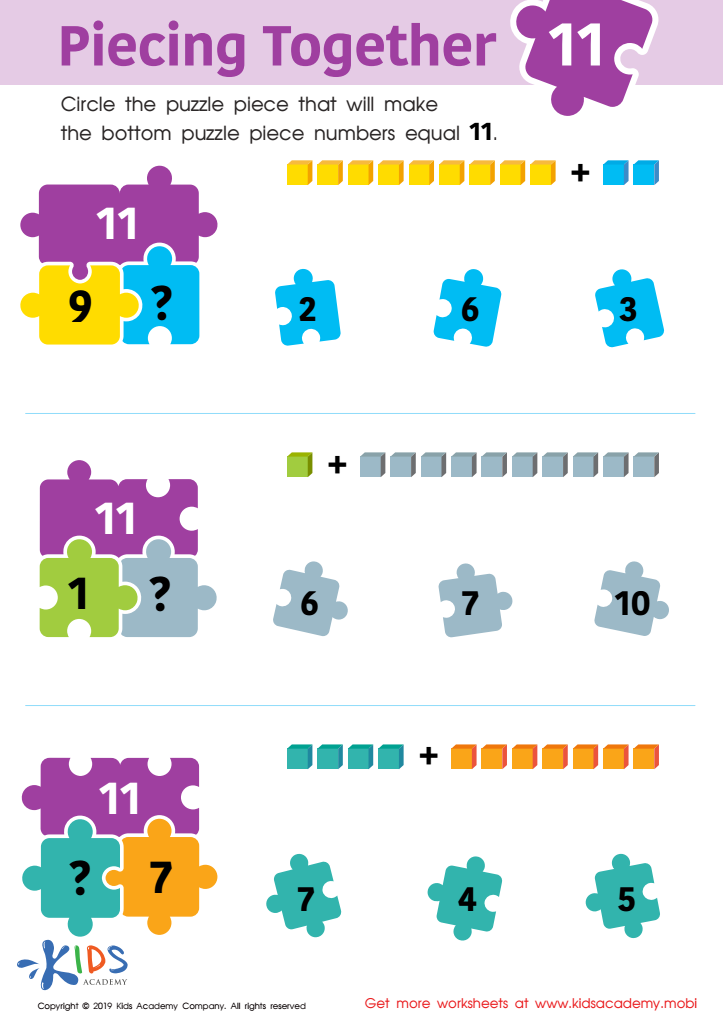
Piecing Together 11 Worksheet
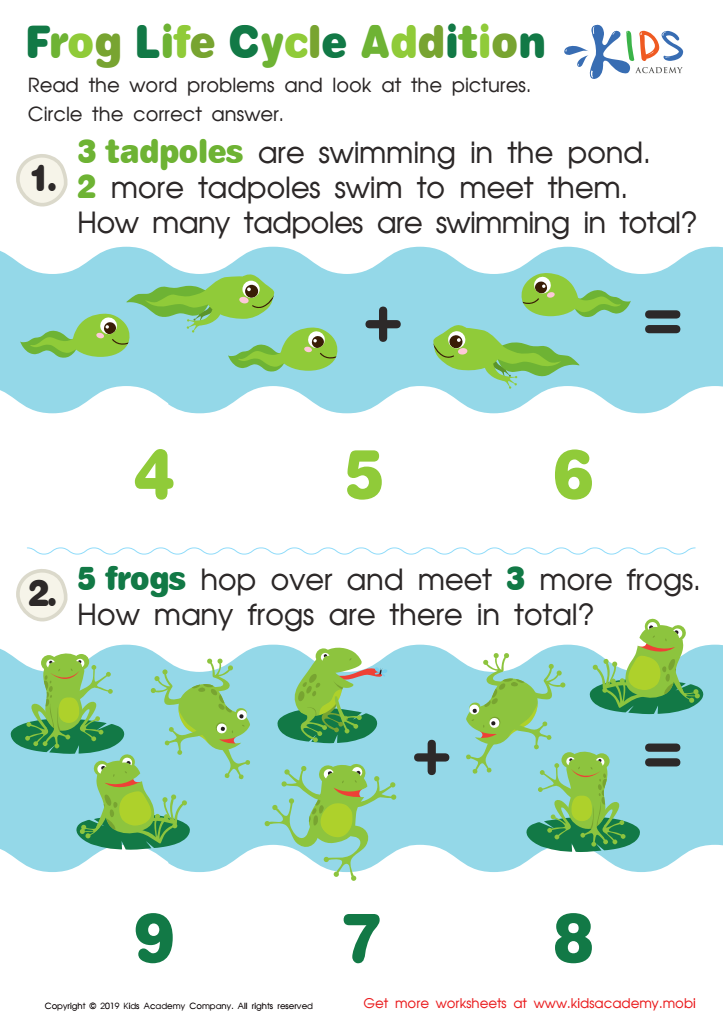
Frog Life Cycle Addition Worksheet
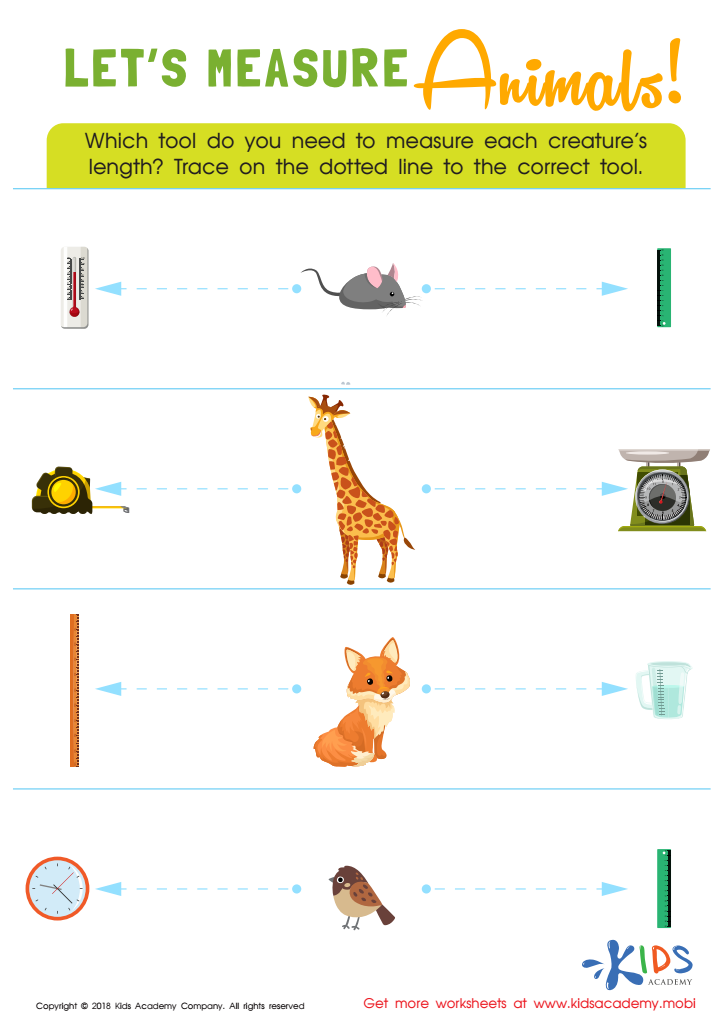
Let's Measure Animals! Worksheet








Enhancing counting skills through easy math activities for children aged 4-8 is vital for their cognitive, emotional, and academic development. During this critical developmental window, young learners are highly receptive to new concepts, making it an ideal time to build a strong mathematical foundation. Counting is not only fundamental for math but also enhances problem-solving skills and logical thinking.
For parents and teachers, investing time in enhancing these counting skills can have lasting benefits. Children who develop solid counting abilities early are more likely to thrive in later math-related tasks, improving their overall academic performance. Furthermore, counting fosters a sense of order and categorization, which helps children make sense of the world around them.
Activities that focus on counting can be both engaging and educational, often incorporating play-based and hands-on learning strategies that capture a child's interest. Additionally, strengthening counting skills can boost a child's confidence and motivation in math, contributing to a positive attitude toward learning.
Ultimately, nurturing these foundational skills cultivates a love for learning and prepares children for future mathematical challenges, making early math education a priority for both parents and educators.








