Fruit identification Easy Math Worksheets for Ages 4-8
3 filtered results
-
From - To
Discover engaging "Fruit Identification Easy Math Worksheets" designed specifically for children aged 4-8! Our fun, interactive worksheets blend learning and play, helping young learners master fruit recognition while practicing essential math skills. With colorful illustrations and age-appropriate activities, children will enjoy identifying various fruits and solving simple math problems related to counting, sorting, and comparing. These worksheets foster critical thinking and enhance cognitive development, making learning a delightful experience. Perfect for classroom use or at-home practice, our resources are ideal for young scholars eager to explore the world of fruits while honing their mathematical abilities. Start nurturing their love for learning today!
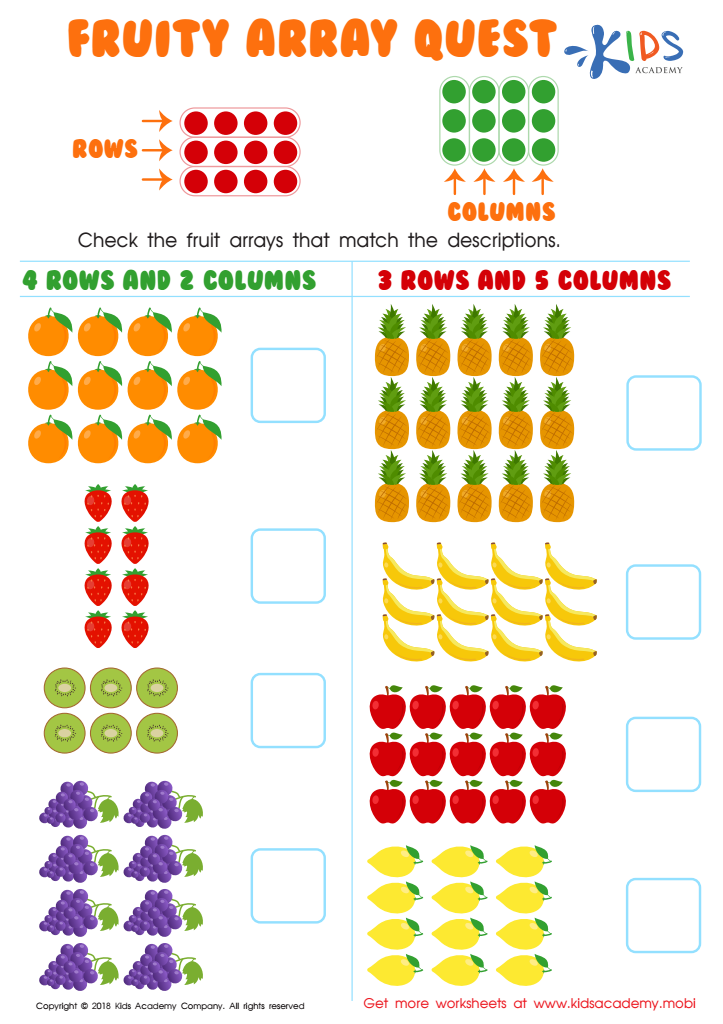
Fruity Array Quest Worksheet
 Assign to My Students
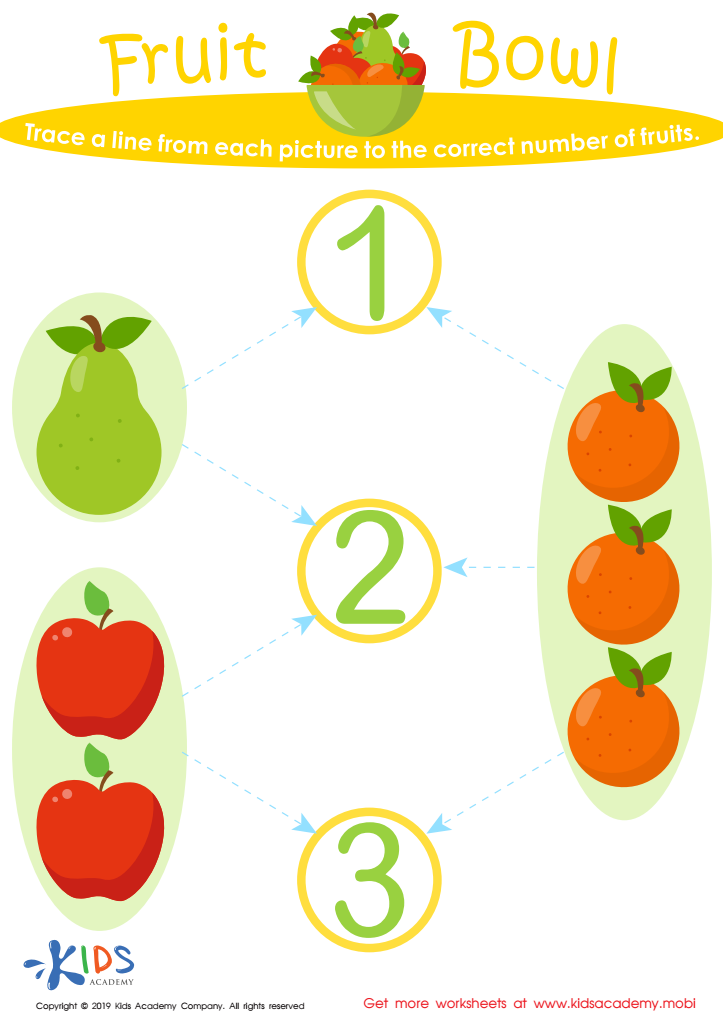
Fruit Bowl Worksheet
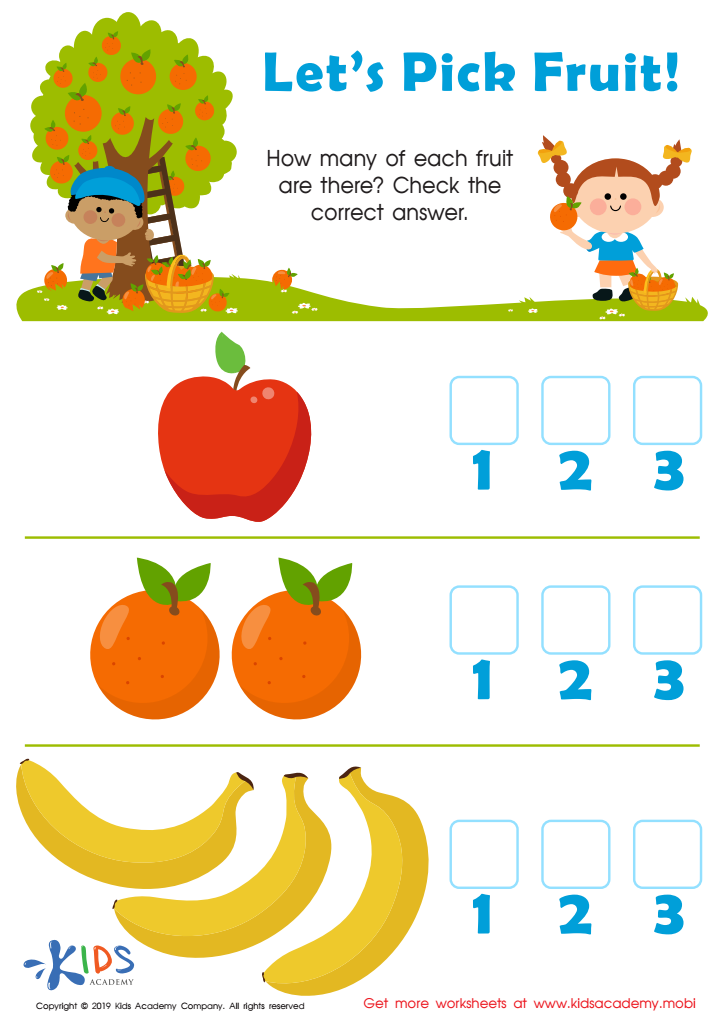
Let's Pick Fruit Worksheet


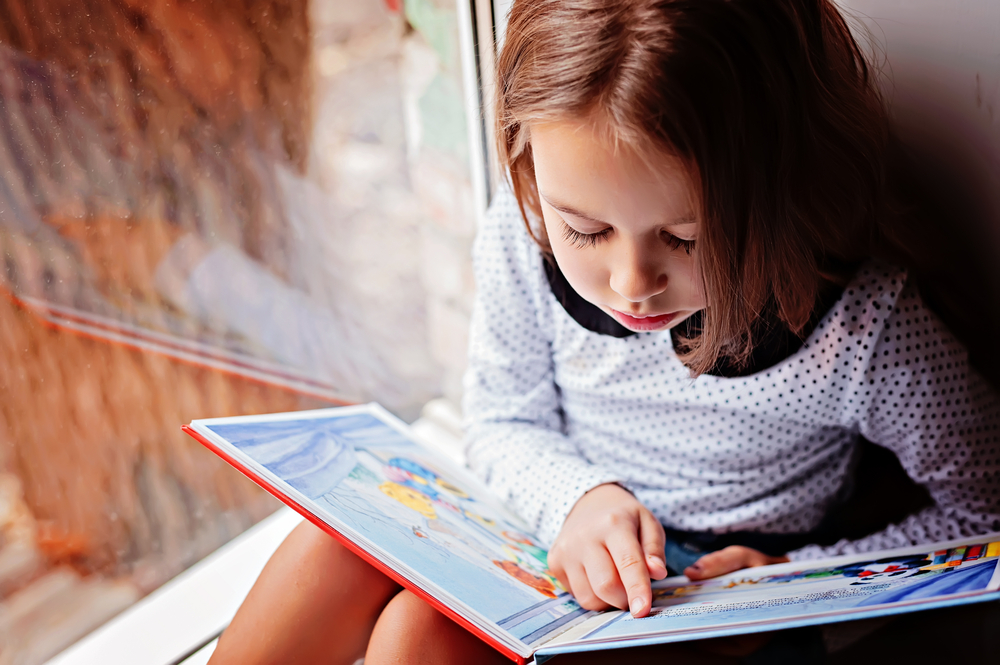



Parents and teachers should care about "Fruit Identification Easy Math" for ages 4-8 because it serves as a vital educational tool that combines nutrition awareness with early math skills. At this age, children are naturally curious about the world around them, and engaging them in fruit identification not only enhances their knowledge of healthy foods but also promotes better eating habits.
Incorporating math into fruit identification activities helps children develop essential cognitive skills. For example, counting pieces of fruit, measuring quantities, or sorting them by size or color introduces foundational math concepts in a fun, interactive way. This multi-sensory approach caters to various learning styles, making it easier for children to grasp abstract mathematical ideas.
Moreover, such activities foster critical thinking and observation skills, encouraging kids to explore their environment. When parents and teachers participate in these educational experiences, they can also strengthen their bond with the children, making learning enjoyable. Ultimately, by valuing fruit identification and easy math, adults can guide children toward making healthier choices and instilling a lifelong love of learning that bridges nutrition, mathematics, and science. Engaging children in these practical, hands-on experiences lays the groundwork for their future academic success and well-being.








