Color recognition Easy Building Vocabulary Worksheets for Ages 4-8
6 filtered results
-
From - To
Help your child develop essential vocabulary and color recognition skills with our engaging and educational Color Recognition Easy Building Vocabulary Worksheets, perfect for ages 4-8. Designed to make learning fun, these worksheets combine vibrant images with exciting activities that encourage young learners to identify and name various colors. Each worksheet is tailored to strengthen reading skills, boost vocabulary, and enhance cognitive development. Ideal for early grade teachers and parents, our worksheets offer a hands-on approach to learning that prepares children for future academic success. Download and print these educational tools to give your child a head start in their learning journey.
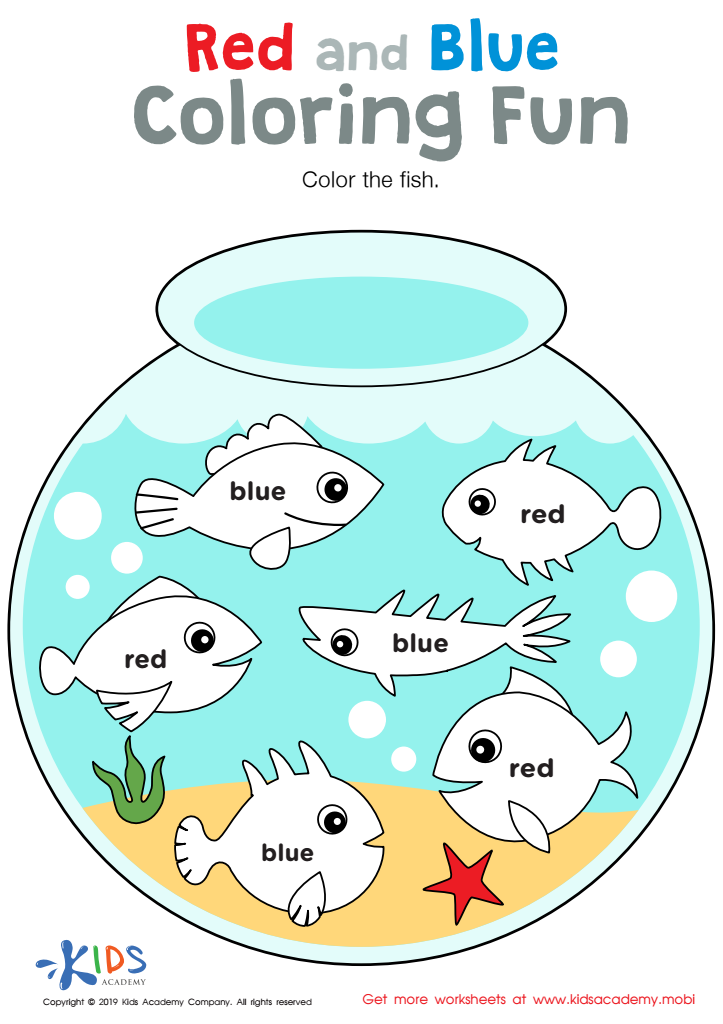
Red and Blue Coloring Fun Worksheet
 Assign to My Students











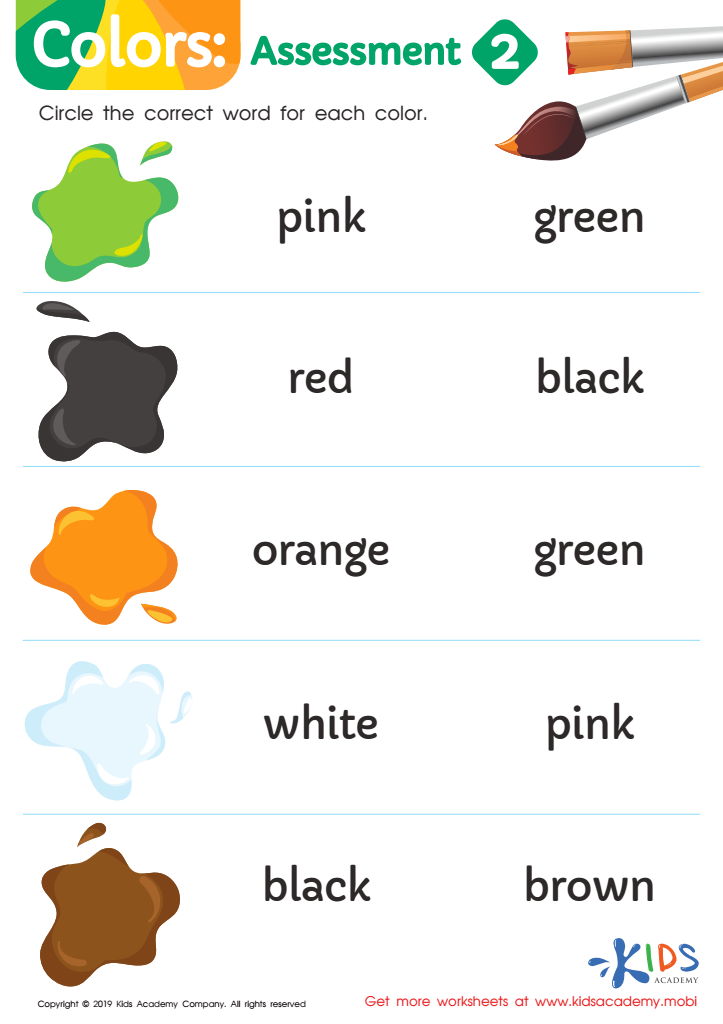
Colors: Assessment 2 Worksheet
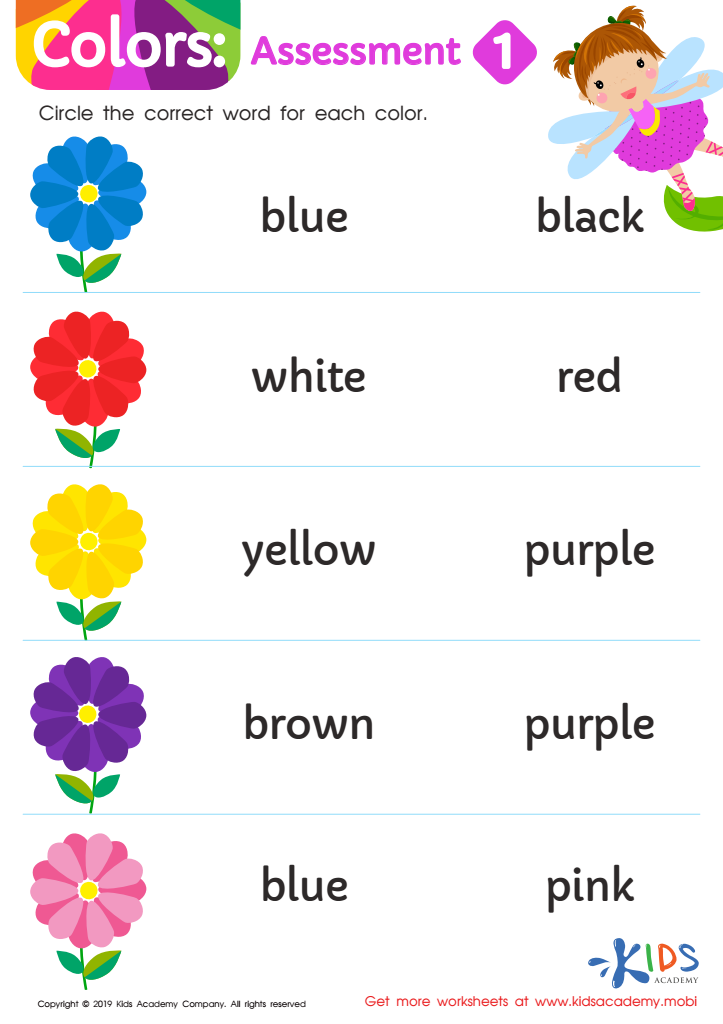
Colors: Assessment 1 Worksheet
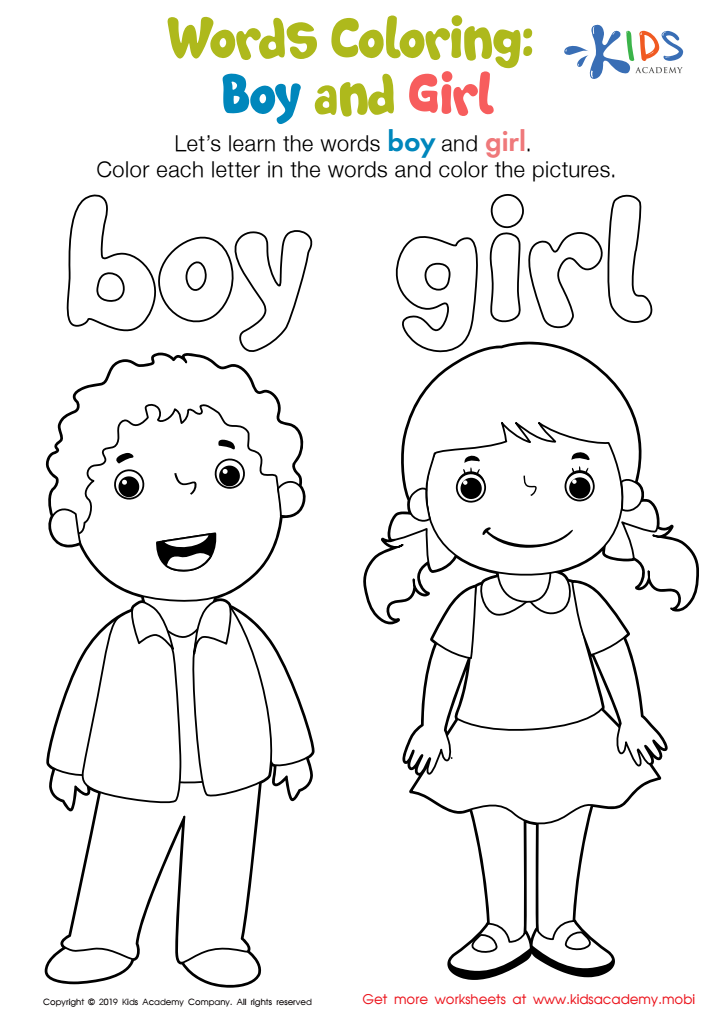
Boy and Girl Words Coloring Worksheet
Assign to My Students
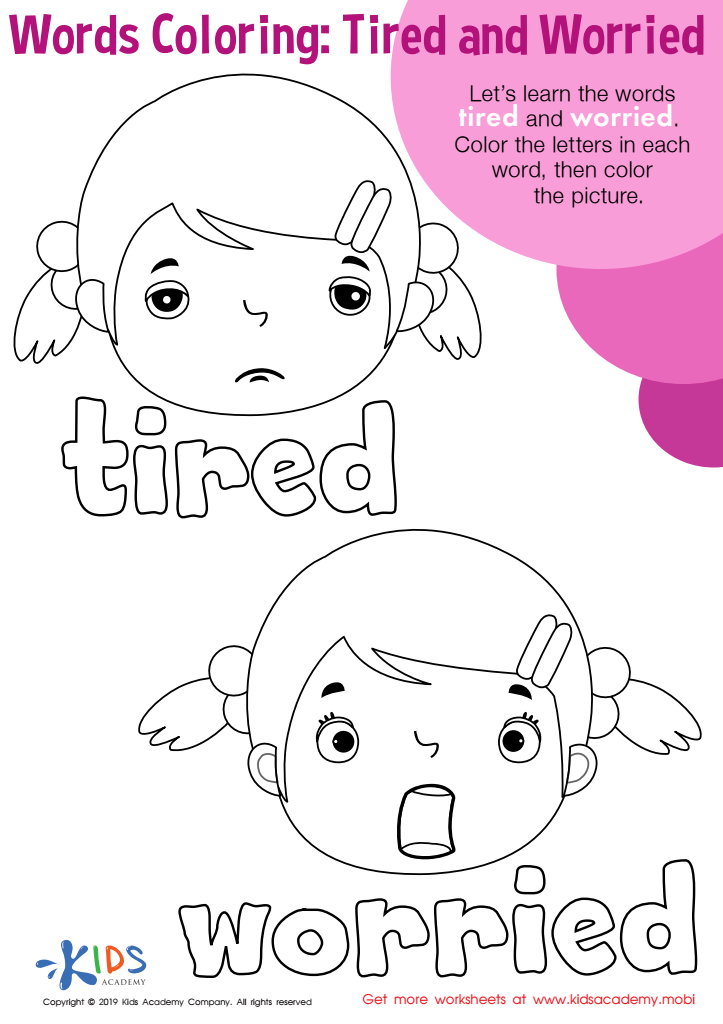
Tired and Worried Words Coloring Worksheet
Assign to My Students
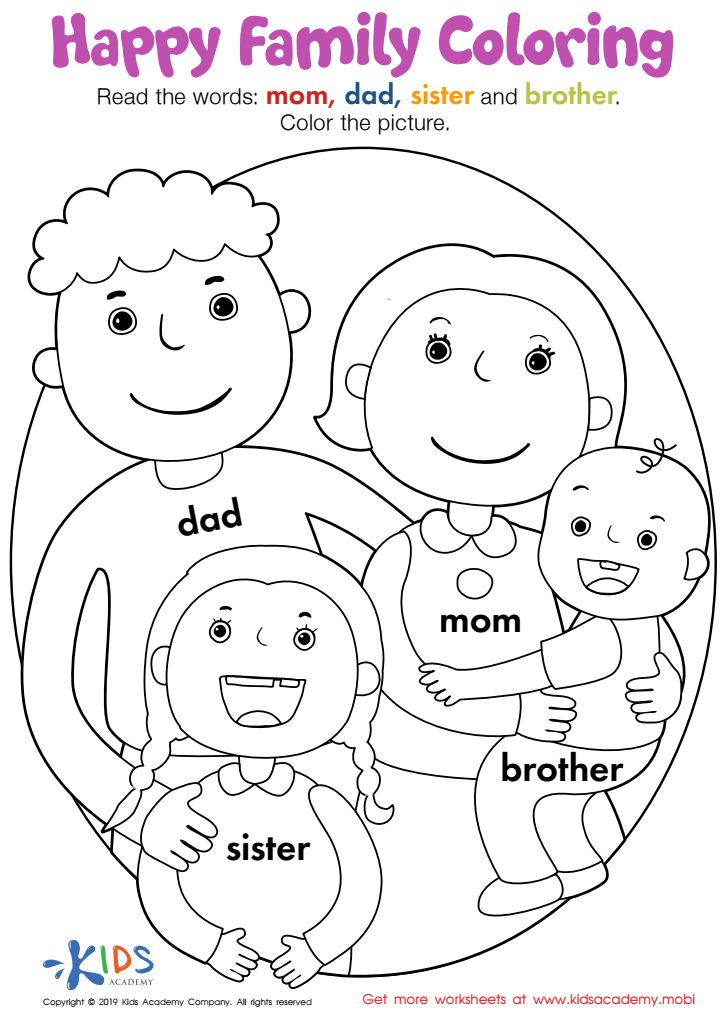
Happy Family Coloring Worksheet
Assign to My Students






.jpg)

Color recognition is a fundamental skill for children ages 4-8 that significantly impacts their overall development, making it essential for parents and teachers to prioritize building this knowledge. First and foremost, recognizing colors is a crucial aspect of cognitive development. It aids children in organizing and categorizing information, enhancing memory and problem-solving skills. For young learners, being able to identify and name colors also strengthens language development, expanding their vocabulary and forming a foundation for future literacy skills.
In addition, color recognition is intrinsically linked to a child's ability to follow instructions and complete tasks, which is particularly important in structured environments like classrooms. Teachers often use colors to explain concepts, organize activities, and assign tasks. For example, sorting objects by color can teach early math skills, such as grouping and sequencing. Moreover, colors are everywhere in the world around us, and discussing them helps children connect with their environment, encouraging observational skills and boosting their ability to express themselves more clearly and creatively.
Furthermore, social-emotional skills are also enhanced through color recognition. It can be an avenue for children to identify and communicate their emotions, as colors are often associated with feelings—like feeling "blue" or being "red with anger." In conclusion, ensuring that preschoolers and early-grade students are proficient in color recognition is vital for their holistic development, supporting their cognitive, language, social, and emotional growth.