Color recognition Easy Reading Worksheets for Ages 4-8
12 filtered results
-
From - To
Unlock the world of colors with our "Color Recognition Easy Reading Worksheets for Ages 4-8." Designed to engage and educate young learners, these printable worksheets help children recognize and identify colors while enhancing their reading and cognitive skills. Our fun and interactive activities include coloring exercises, matching games, and simple reading tasks, perfect for developing early learners' foundational skills. Created by educators, these worksheets cater to children from ages 4 to 8, ensuring each activity is age-appropriate and enjoyable. Discover a vibrant learning journey with our easy and effective color recognition worksheets at Kids Academy.
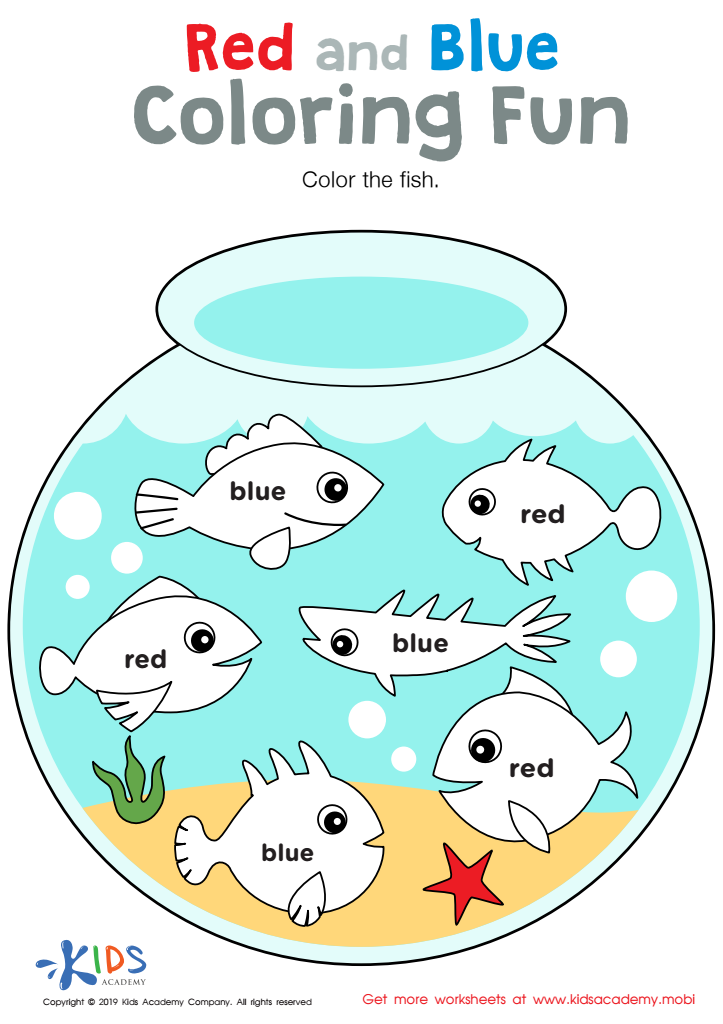
Red and Blue Coloring Fun Worksheet
 Assign to My Students
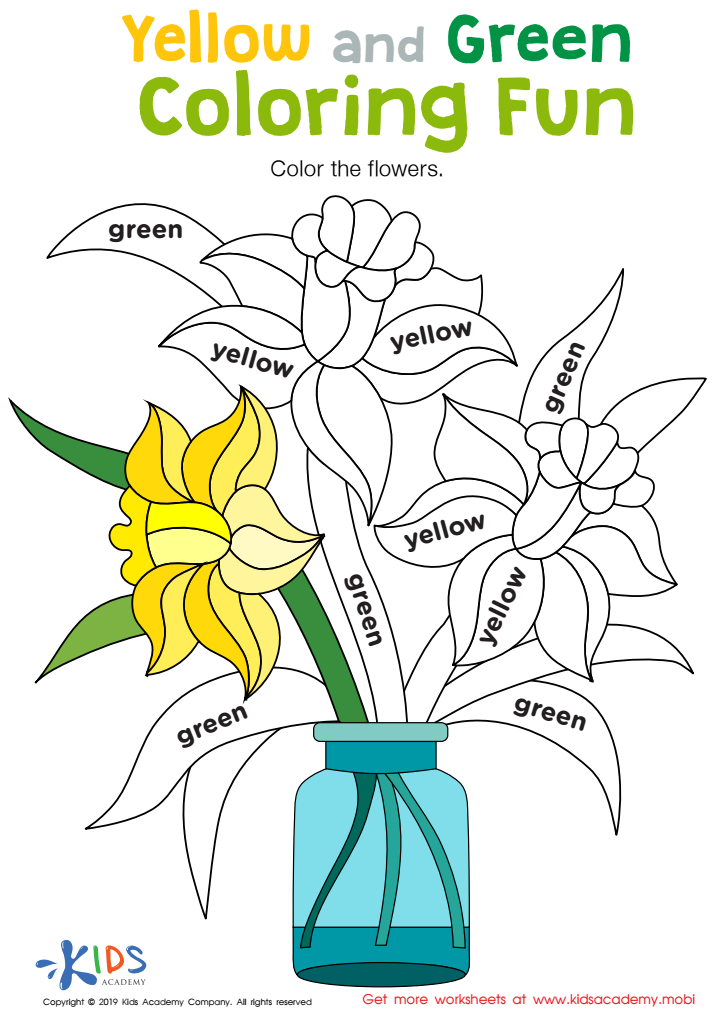
Yellow and Green Coloring Fun Worksheet
Assign to My Students
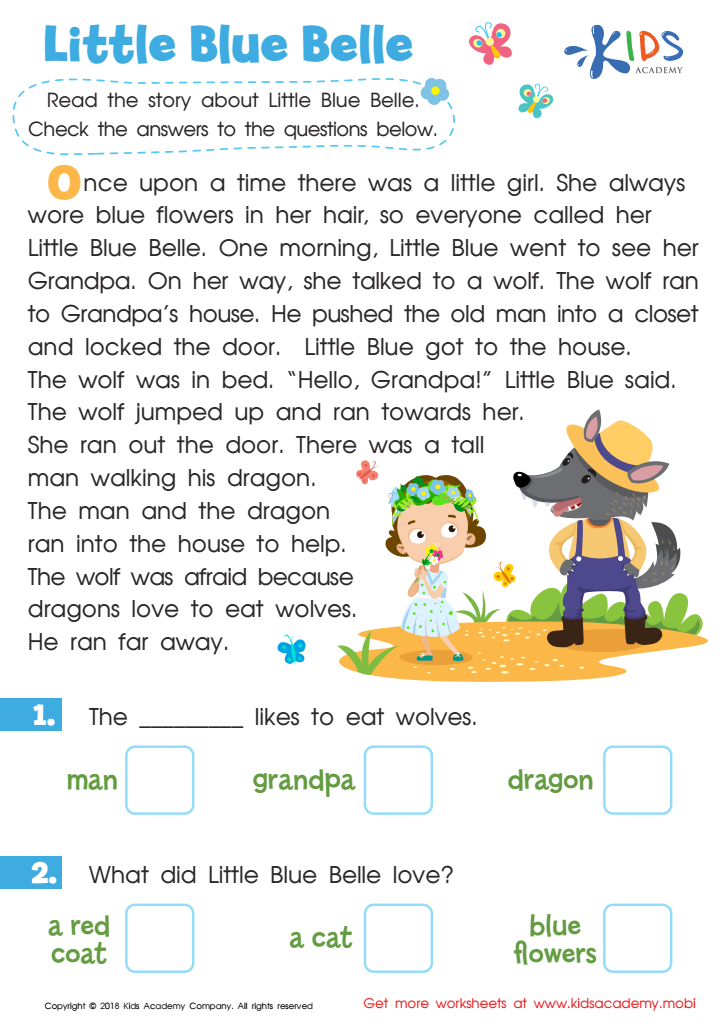
Little Blue Belle Worksheet
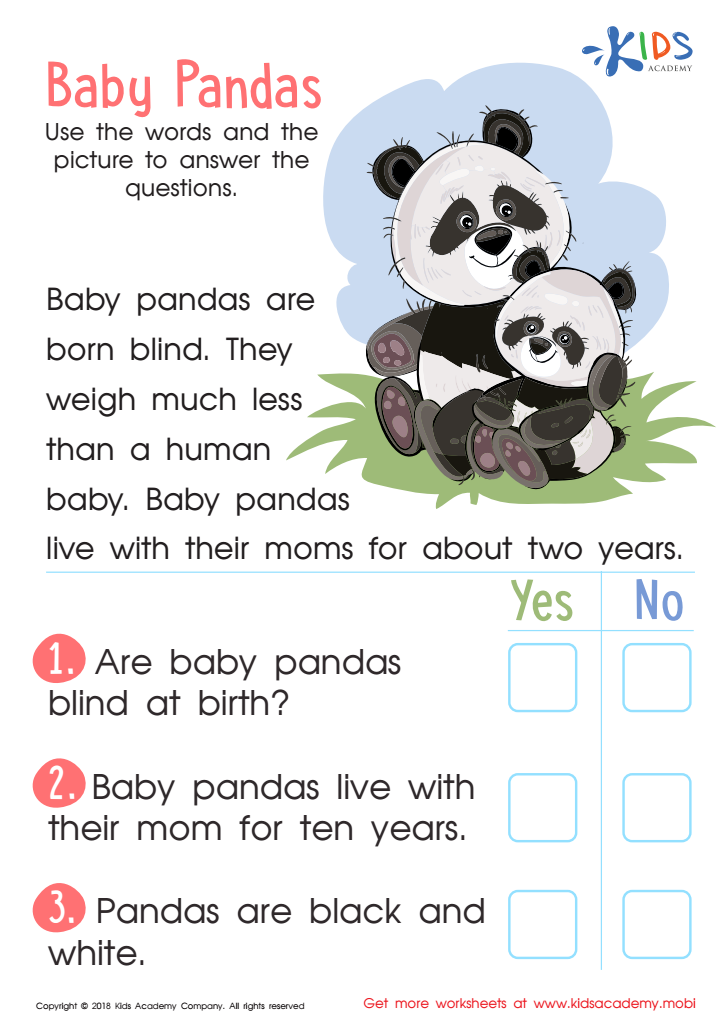
Baby Pandas Worksheet
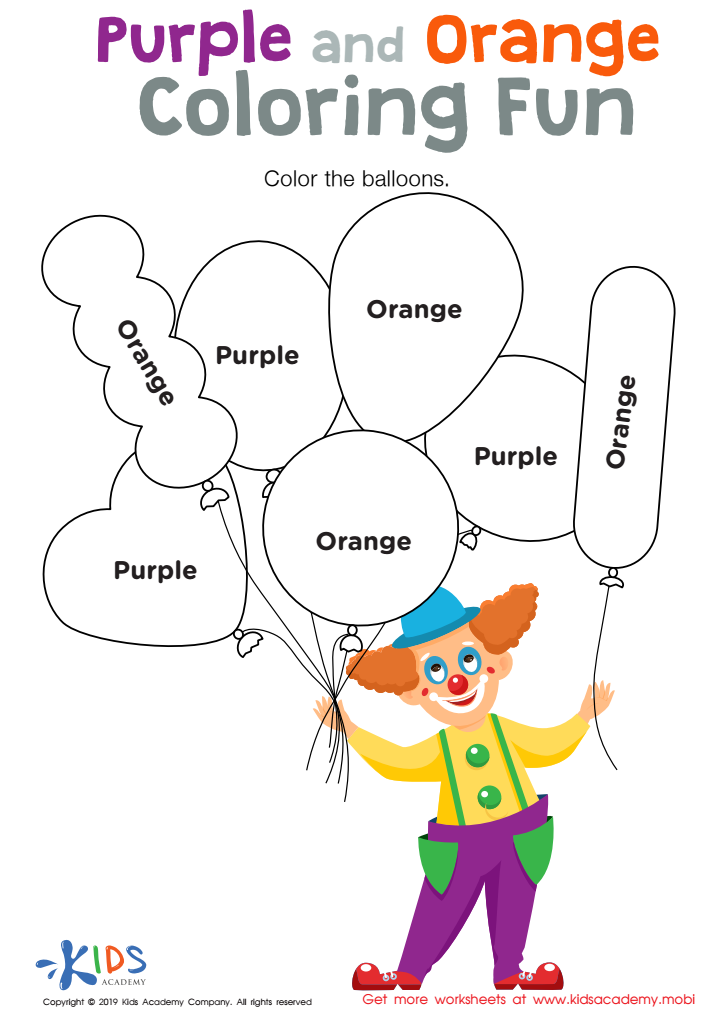
Purple and Orange Coloring Fun Worksheet
Assign to My Students
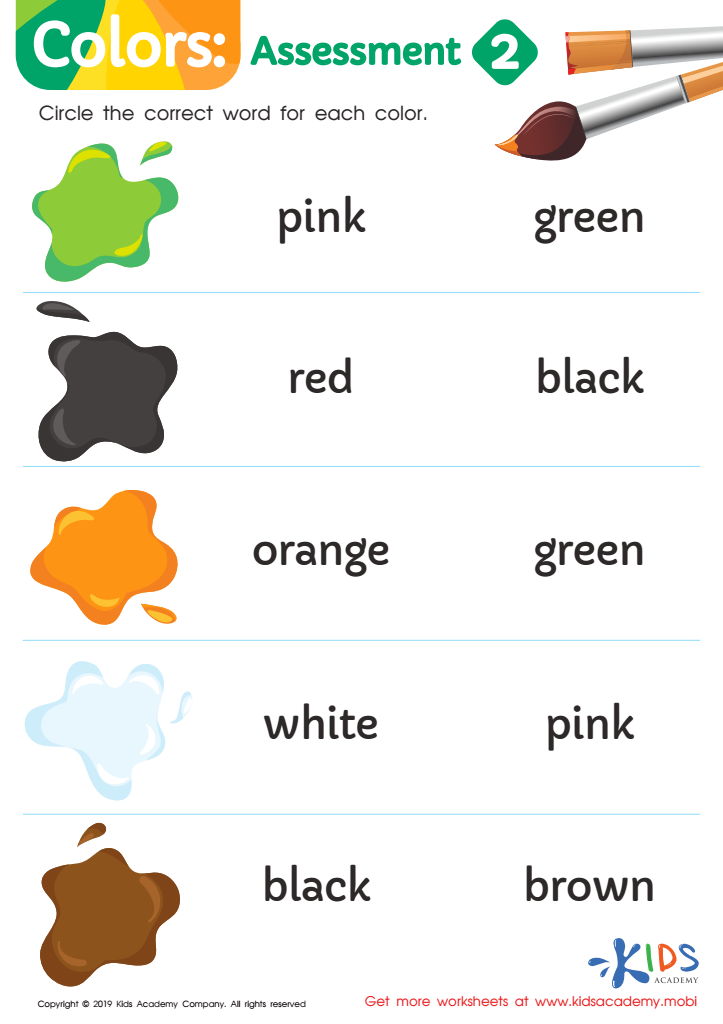
Colors: Assessment 2 Worksheet
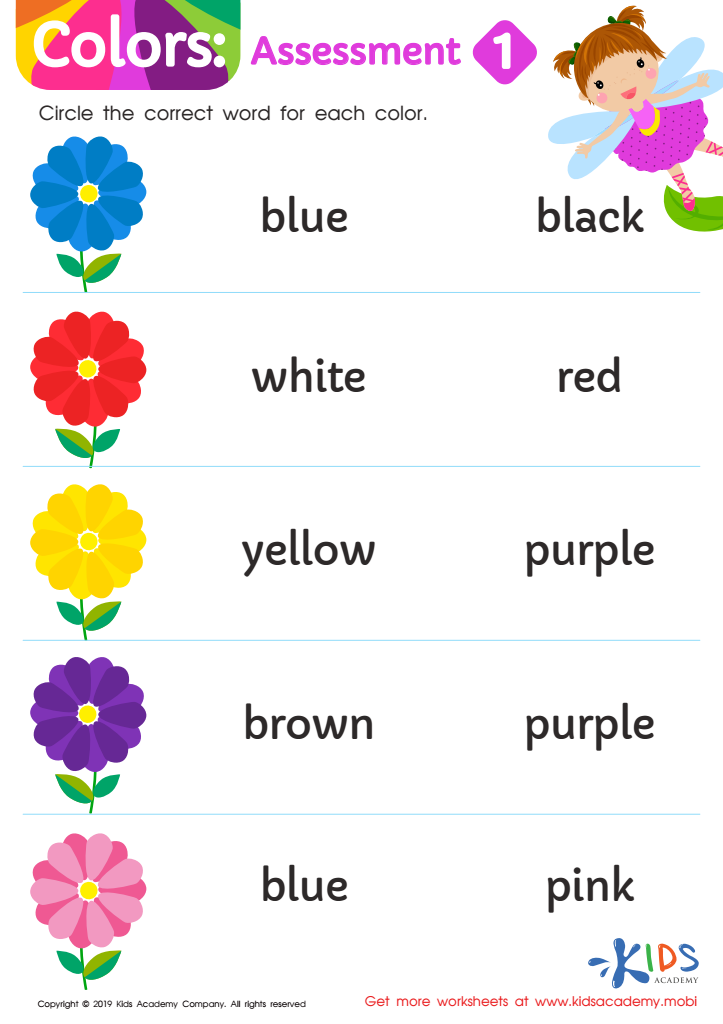
Colors: Assessment 1 Worksheet
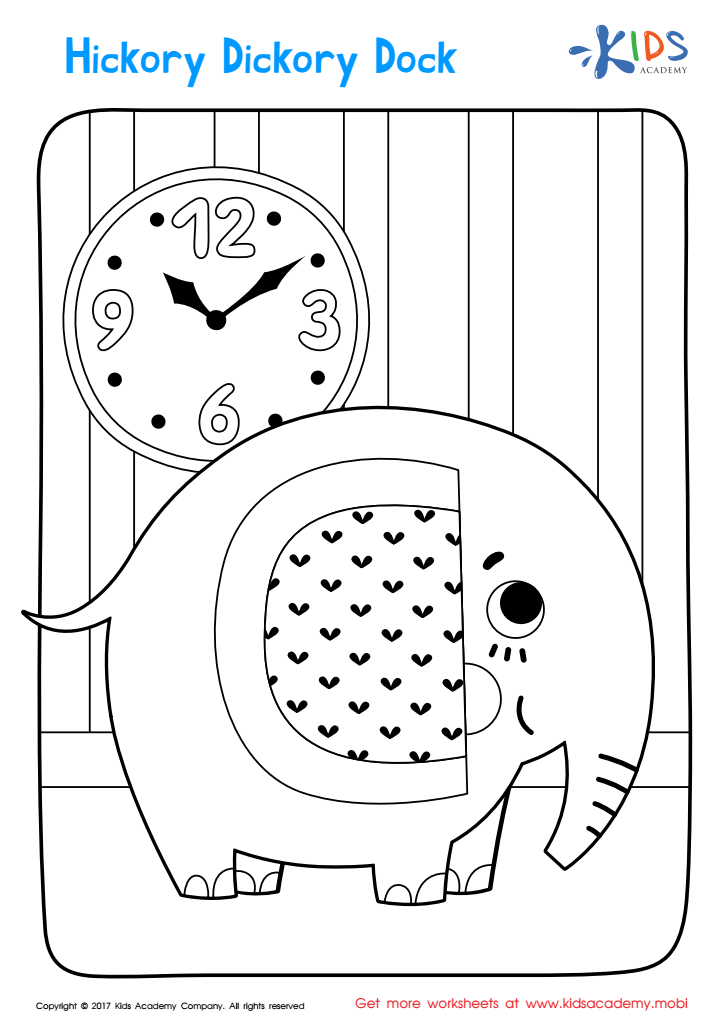
Hickory Dickory Dock Coloring Page
Assign to My Students
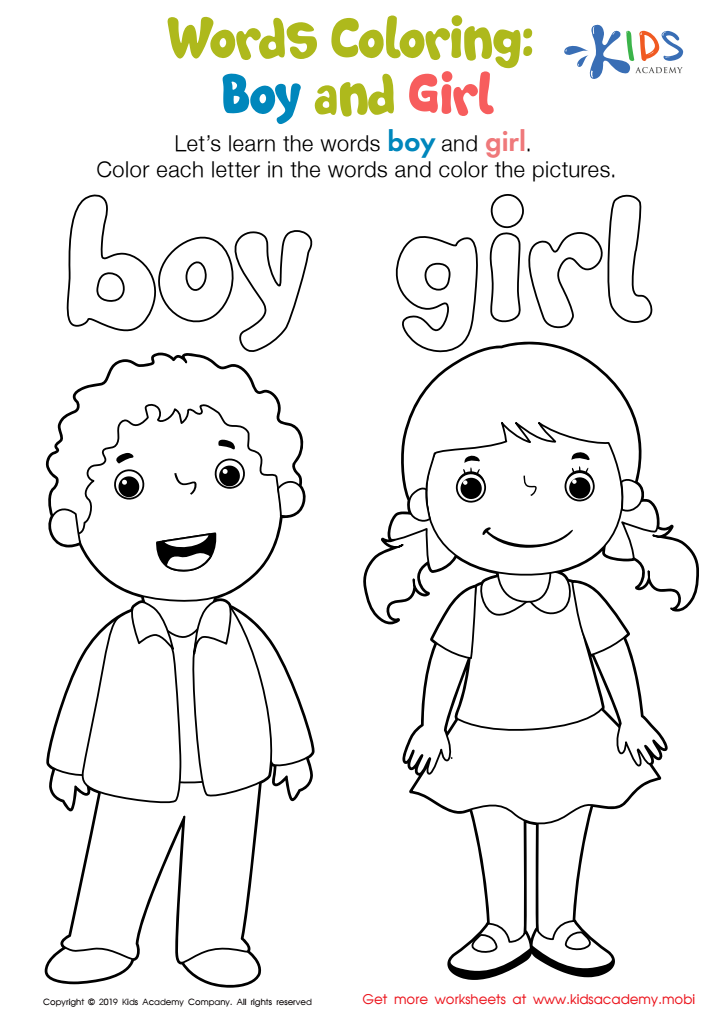
Boy and Girl Words Coloring Worksheet
Assign to My Students
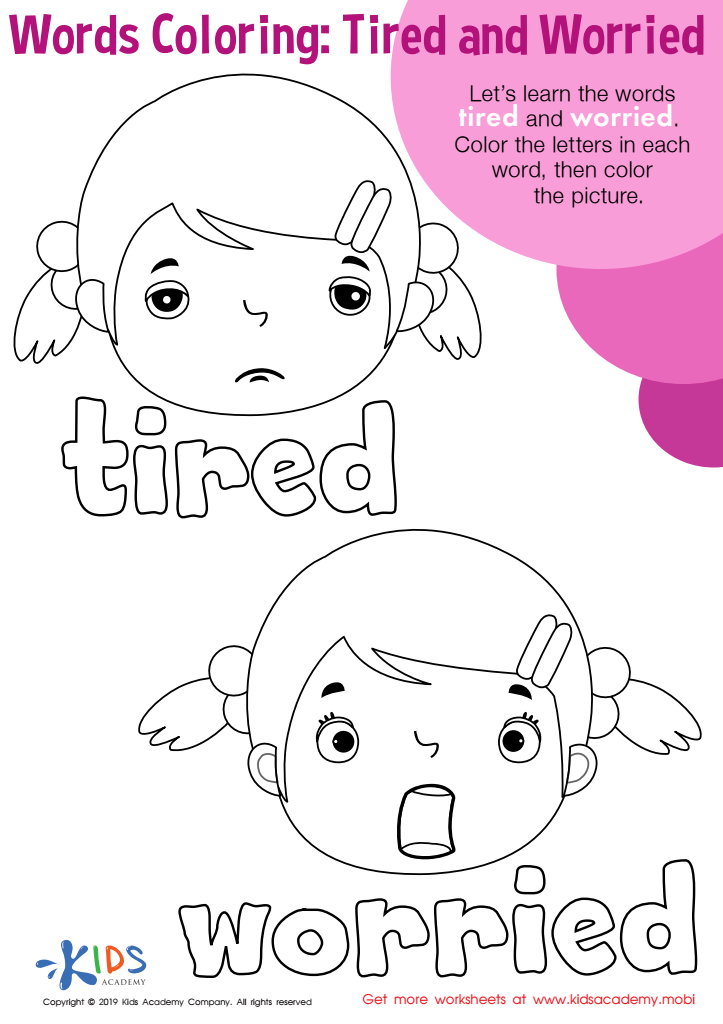
Tired and Worried Words Coloring Worksheet
Assign to My Students
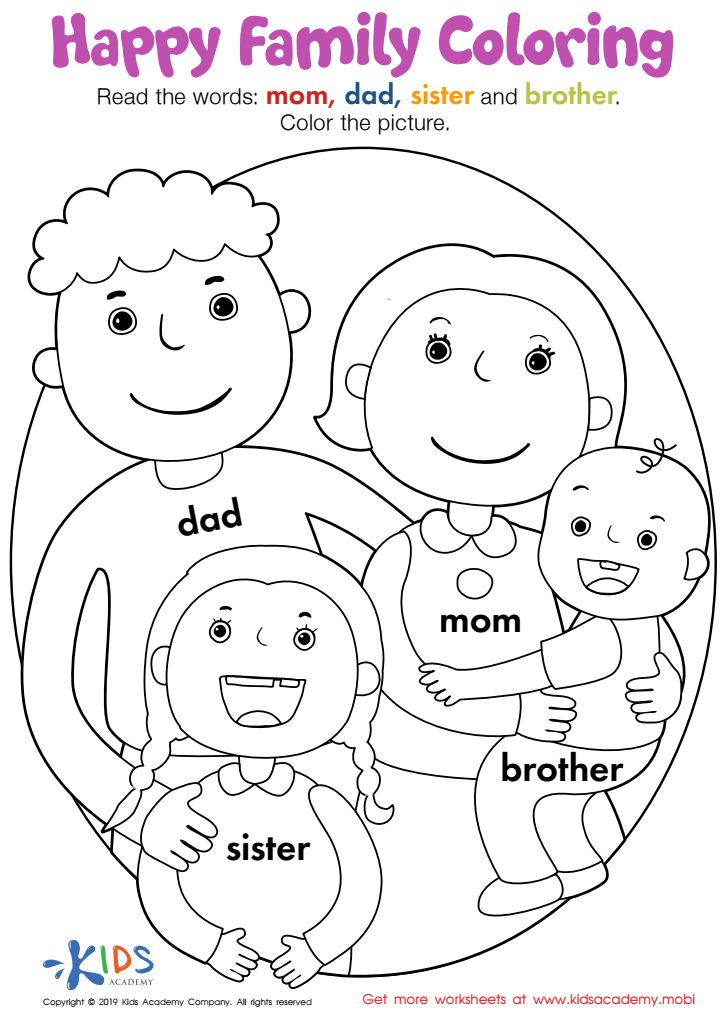
Happy Family Coloring Worksheet
Assign to My Students
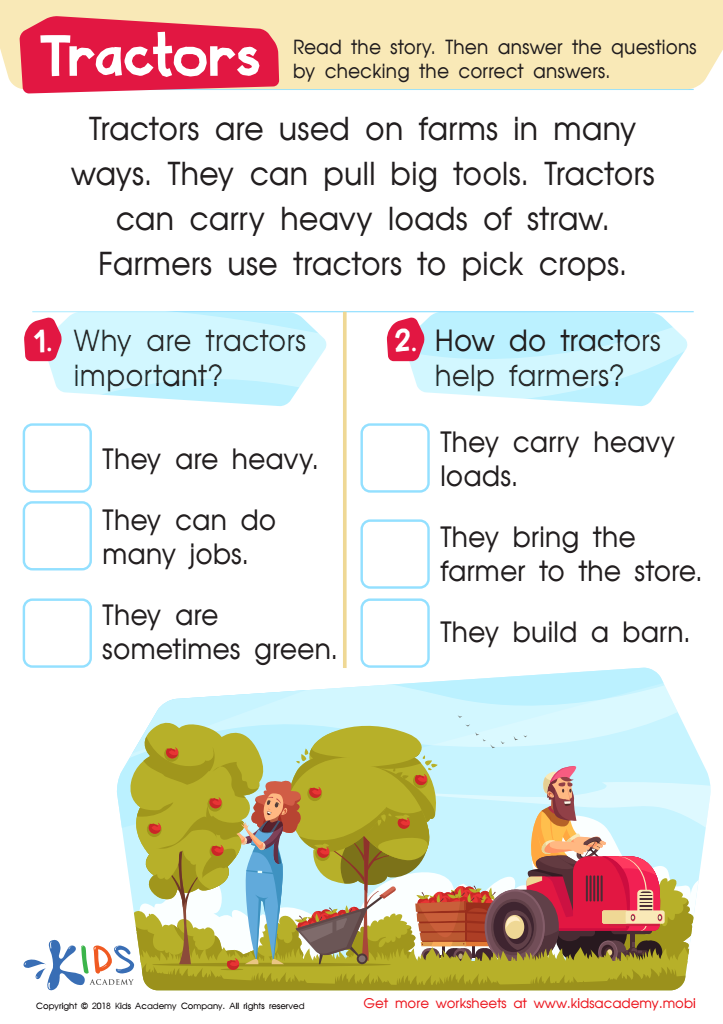
Tractors Worksheet





.jpg)


Color recognition and easy reading skills are fundamental building blocks in early childhood education, especially for children aged 4-8. Parents and teachers should prioritize these because they powerfully influence a child's cognitive and academic development. Recognizing colors enhances a child's visual processing abilities and sharpens attention to detail, which are critical for overall learning and comprehension. Understanding colors also enriches their vocabulary, enabling them to describe the world around them more vividly and accurately.
Easy reading materials are tailored to match the developmental level of young children, gradually introducing them to the rhythms and patterns of written language. This not only builds phonemic awareness but also instills a love for reading at an early age. When children find joy and satisfaction in reading, it fosters a lifelong habit that benefits all areas of their education. By focusing on easy reading, children improve their literacy rate, which directly impacts their future academic performance and self-confidence.
Furthermore, combining color recognition with reading activities can make learning more engaging and interactive. It enhances retention and recall by linking visual stimuli (colors) with new information (words). Engaged and interactive learning helps every child retain interest and facilitates a smoother transition to more advanced literacy and cognitive skills as they grow. In short, investing in these areas equips children with essential tools for future learning success.