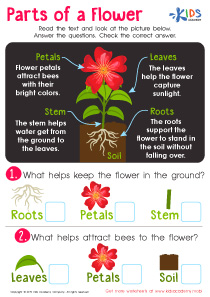
Cognitive Development Easy Reading Fiction Worksheets for Ages 4-8
2 filtered results
-
From - To
Enhance your child's cognitive development with our engaging Easy Reading Fiction Worksheets, specially designed for ages 4-8! These interactive resources promote critical thinking, comprehension, and creativity through captivating stories and activities. Each worksheet encourages young learners to explore characters, understand plots, and make predictions, fostering a deeper connection to reading. Our fun and colorful materials cater to various learning styles, ensuring every child can benefit. Perfect for home or classroom use, these worksheets help build essential reading skills while sparking imagination. Ignite a lifelong love for reading and strengthen cognitive abilities with Kids Academy's enriching worksheets today!
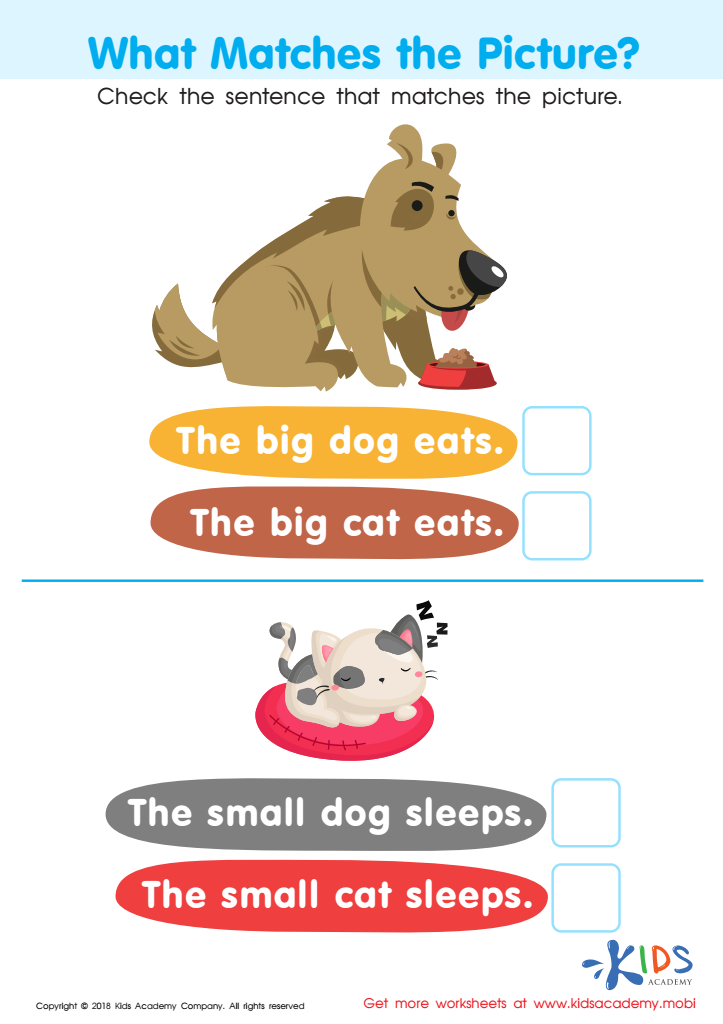
What Matches the Picture? Worksheet
 Assign to My Students
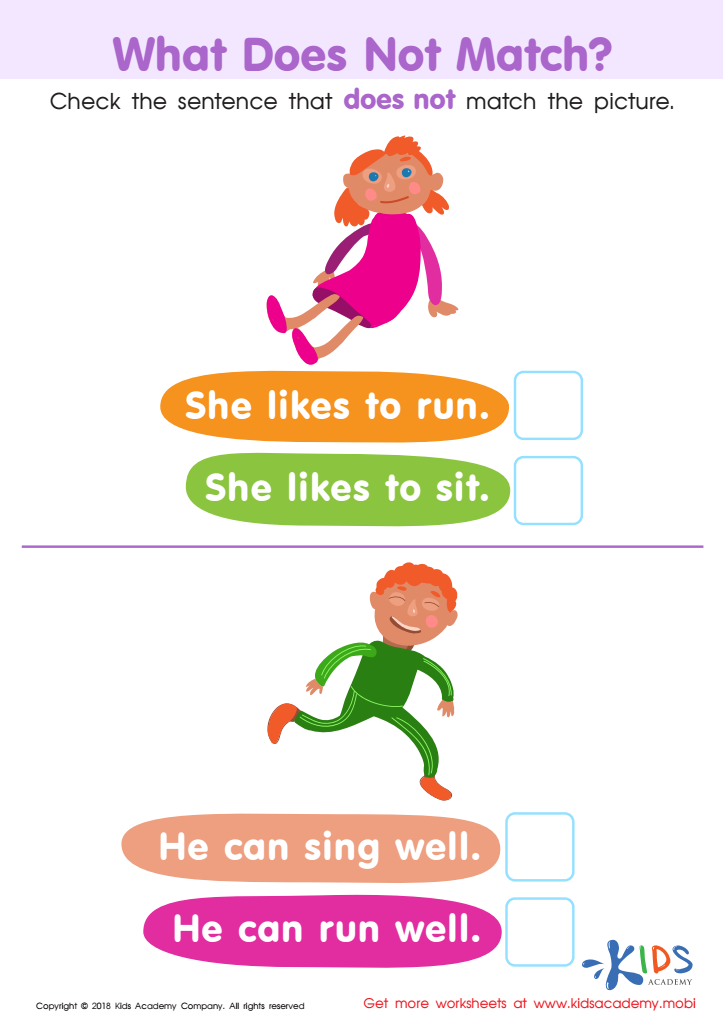
What Does Not Match? Worksheet






.jpg)

Cognitive development is crucial for children aged 4-8 as it forms the foundation for their critical thinking, problem-solving, and comprehension skills. Easy reading fiction plays a significant role in this phase of development. Engaging stories capture children's imaginations, helping them understand complex ideas and emotions. As they follow characters on their adventures, they practice empathy, improving their ability to connect with others.
Reading easy fiction also enhances language skills. Clear, accessible stories introduce new vocabulary in context, making it easier for children to grasp meaning. Frequent exposure to stories improves their listening skills and encourages them to think critically about plot, characters, and moral lessons.
Moreover, parental and teacher involvement in reading does more than foster cognitive growth; it cultivates a love for learning. When adults share stories with enthusiasm, children are more likely to develop positive associations with reading.
In summary, parents and teachers should prioritize easy reading fiction for young children as it nurtures cognitive development, enhances literacy skills, and promotes a lifelong love for reading. This foundational stage prepares children for future academic success and social interactions, equipping them with essential tools for navigating the world.