Hand-eye Coordination Easy Alphabet Worksheets for Ages 4-9
3 filtered results
Difficulty Level
Grade
Age
-
From - To
Subject
Activity
Standards
Discover our "Hand-eye Coordination Easy Alphabet Worksheets," designed specifically for children ages 4-9! These engaging and interactive worksheets help young learners develop essential motor skills while mastering their ABCs. Our fun activities foster hand-eye coordination through tracing, matching, and creative visual tasks. Ideal for homeschooling, classroom settings, or supplementing your child's learning at home, these worksheets promote not just literacy but also fine motor skills essential for writing. With vibrant designs and age-appropriate challenges, children will enjoy practicing their letters while enhancing their coordination. Start nurturing your child's learning journey today with our delightful alphabet worksheets!
Favorites
With answer key
Interactive
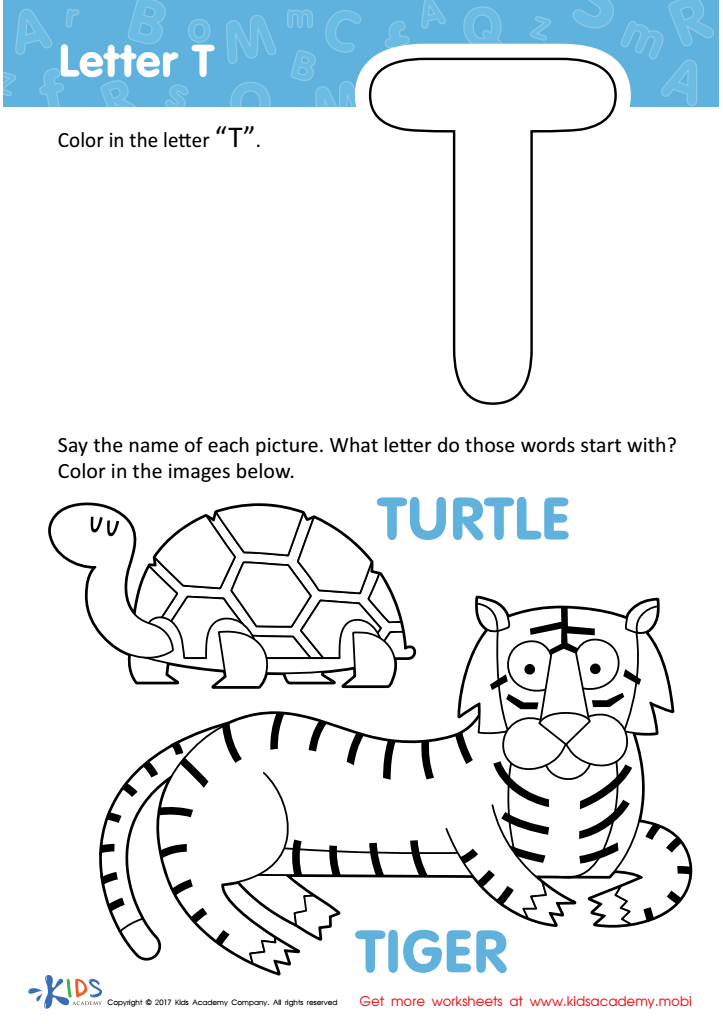
Letter T Coloring Sheet
Introduce your child to the letter "T" and its animals – turtles and tigers! With this coloring page, you can stimulate your child's imagination and creativity, while helping them recognize the letter "T". Have fun with your child and get coloring!
Download (PDF)
 Assign to My Students
Assign to My Students
Letter T Coloring Sheet
Worksheet
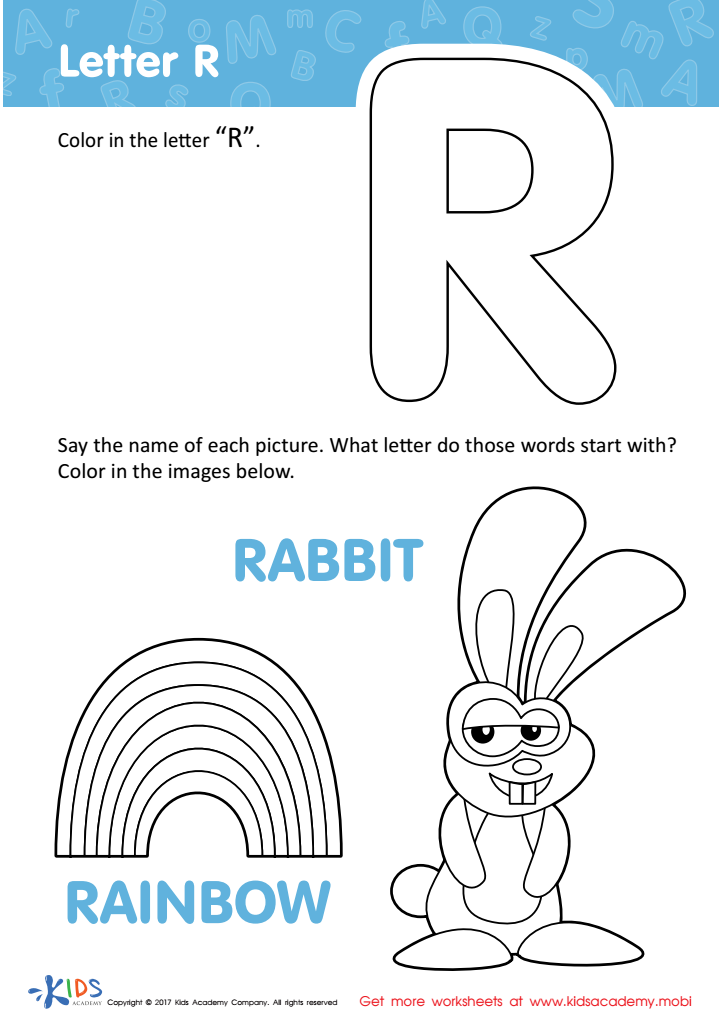
Letter R Coloring Sheet
Let your child explore the rainbow with this fun letter "R" coloring page! They can learn to recognize the letter and make connections to words, all while having fun! Make alphabet learning enjoyable with joyful coloring pages.
Download (PDF)
Assign to My Students
Assign to My Students
Letter R Coloring Sheet
Worksheet
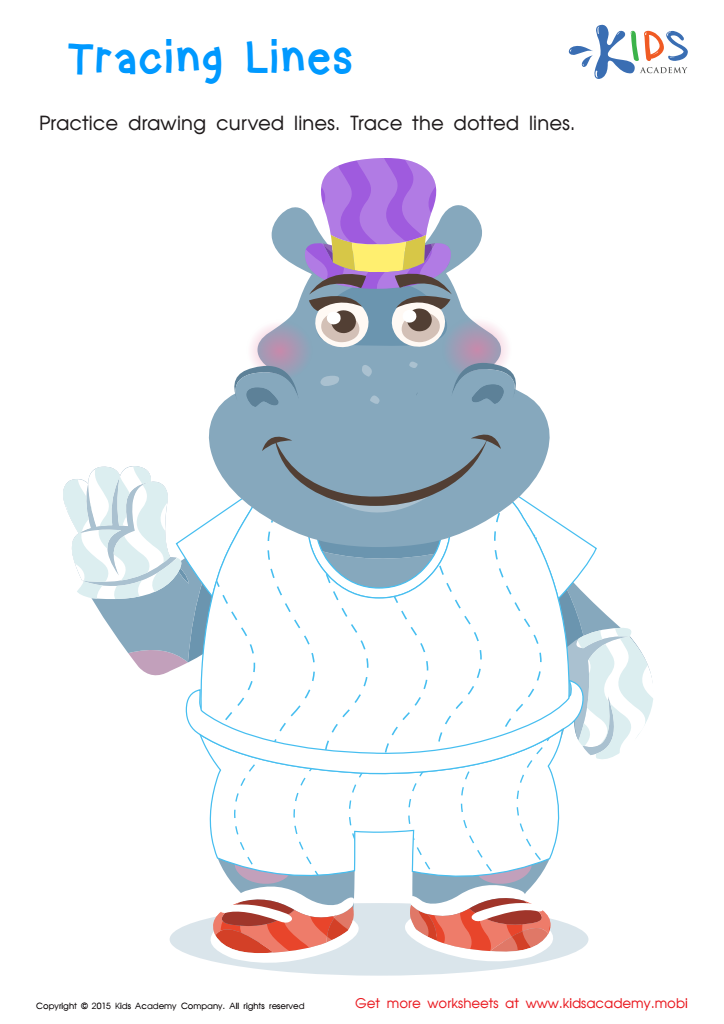
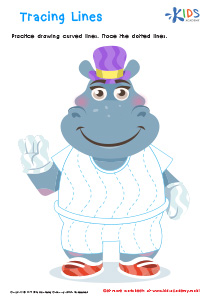
Tracing Lines Worksheet
Help your child nurture their writing and drawing skills with this cute tracing lines PDF worksheet. It improves pencil grip and hand-to-eye coordination, a key step in learning to write. Have fun and watch your child's confidence grow!
Tracing Lines Worksheet
Worksheet
Join Kids Academy for Free
Who is primarily going to use this learning content?






Hand-eye coordination is a crucial skill that significantly impacts children's overall development, especially for ages 4-9, where foundational skills are formed. Activities that promote hand-eye coordination, such as those included in the Hand-eye Coordination Easy Alphabet program, help children refine their motor skills, improve focus, and enhance cognitive abilities.
For parents and teachers, fostering hand-eye coordination facilitates better engagement in various tasks involving writing, drawing, and sports. As children learn to coordinate their movements, they gain confidence that translates into greater success in academics and social interactions. Additionally, improving these skills can counteract difficulties associated with learning disabilities or developmental delays.
Moreover, fun and interactive methods, such as letter formation games and activities, can make learning enjoyable, reducing frustration and increasing motivation among children. Engaging in these activities also encourages teamwork and social skills, allowing children to connect with peers effectively.
By prioritizing activities that support hand-eye coordination, parents and teachers play an essential role in equipping children with the tools they need for lifelong learning, physical dexterity, and emotional resilience, setting the stage for a successful transition to more complex tasks and challenges as they grow.