Phonics recognition Easy Alphabet Worksheets for Ages 4-9
5 filtered results
-
From - To
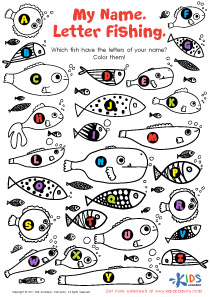
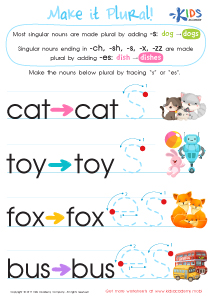
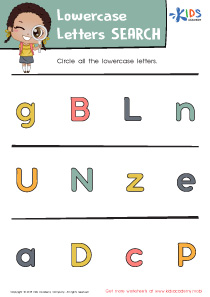
Welcome to our "Phonics Recognition Easy Alphabet Worksheets" designed for ages 4-9! These engaging worksheets provide a fun, interactive way for young learners to enhance their phonics skills. Each worksheet features colorful visuals and easy-to-follow activities that help children recognize letters and sounds, fostering early literacy development. With a variety of exercises, including matching, tracing, and identifying letters, these worksheets make learning enjoyable and effective. Ideal for parents and teachers, our resources support phonics mastery and encourage self-confidence in reading. Dive into a world of fun learning and watch your child’s reading skills flourish with our easy-to-use printable worksheets!
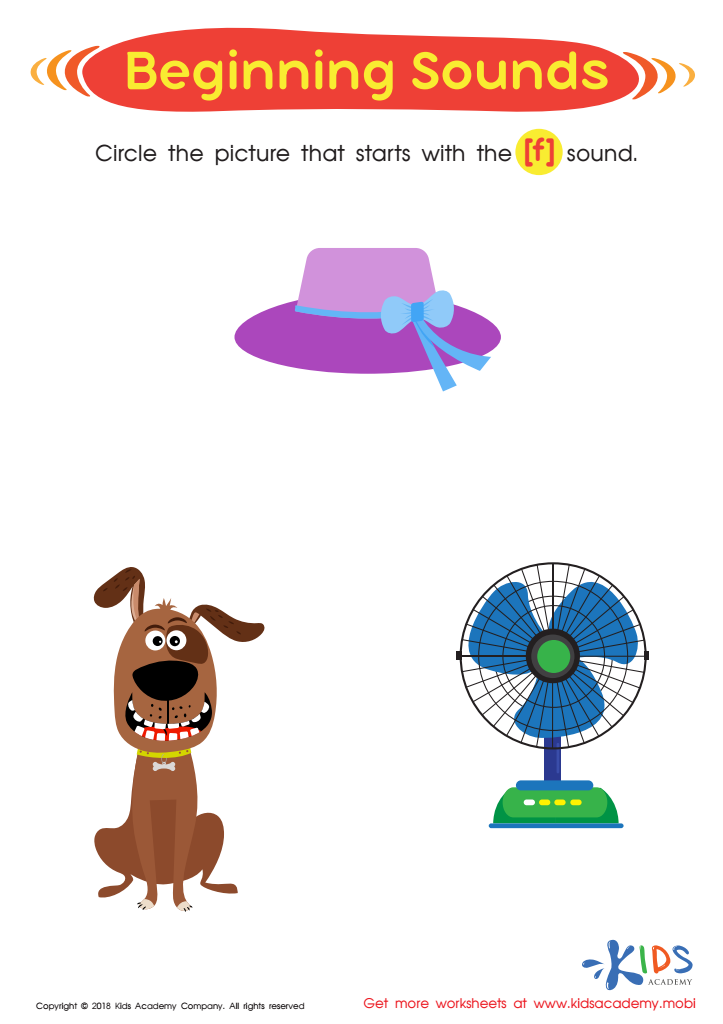
Beginning Sounds Assessment Printable
 Assign to My Students
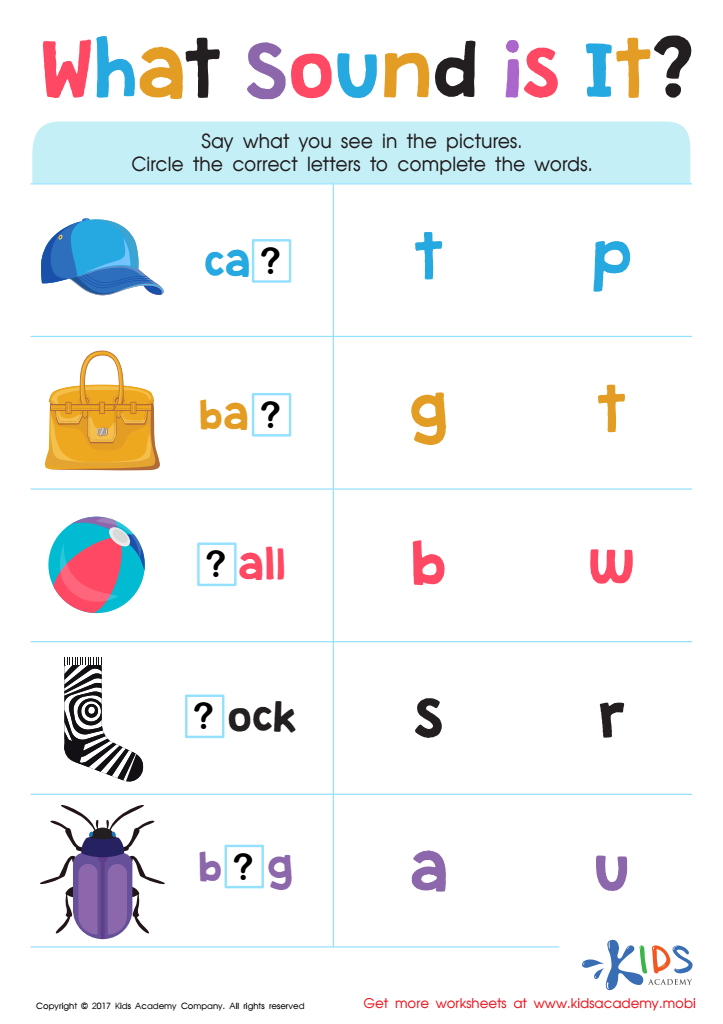
What Sound Is it? Worksheet
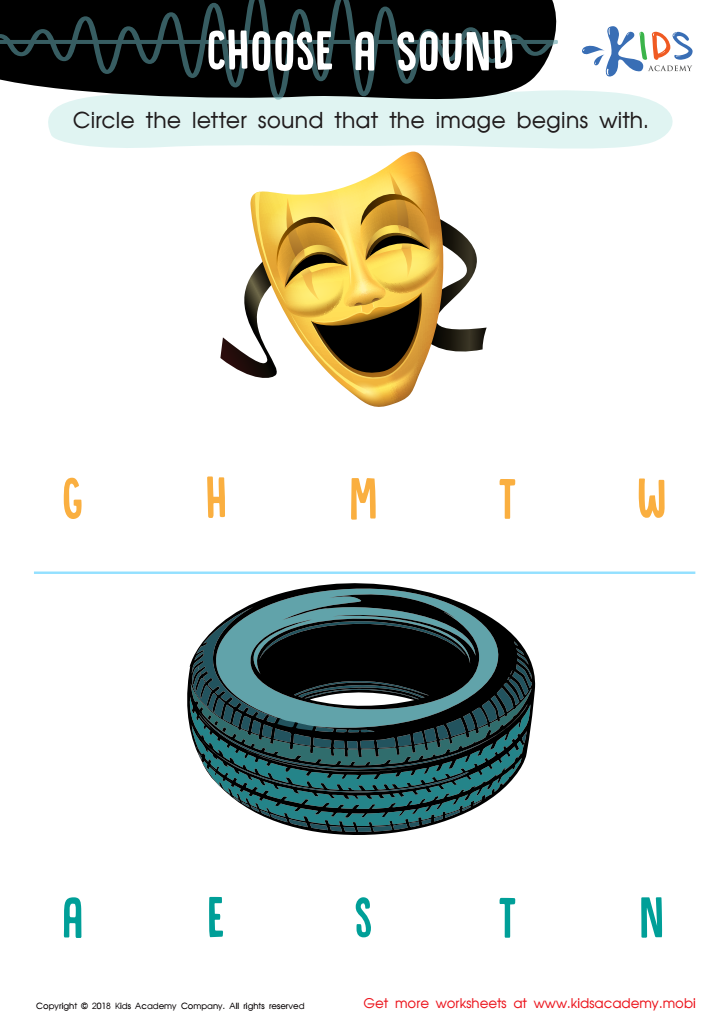
Choose a Sound Worksheet
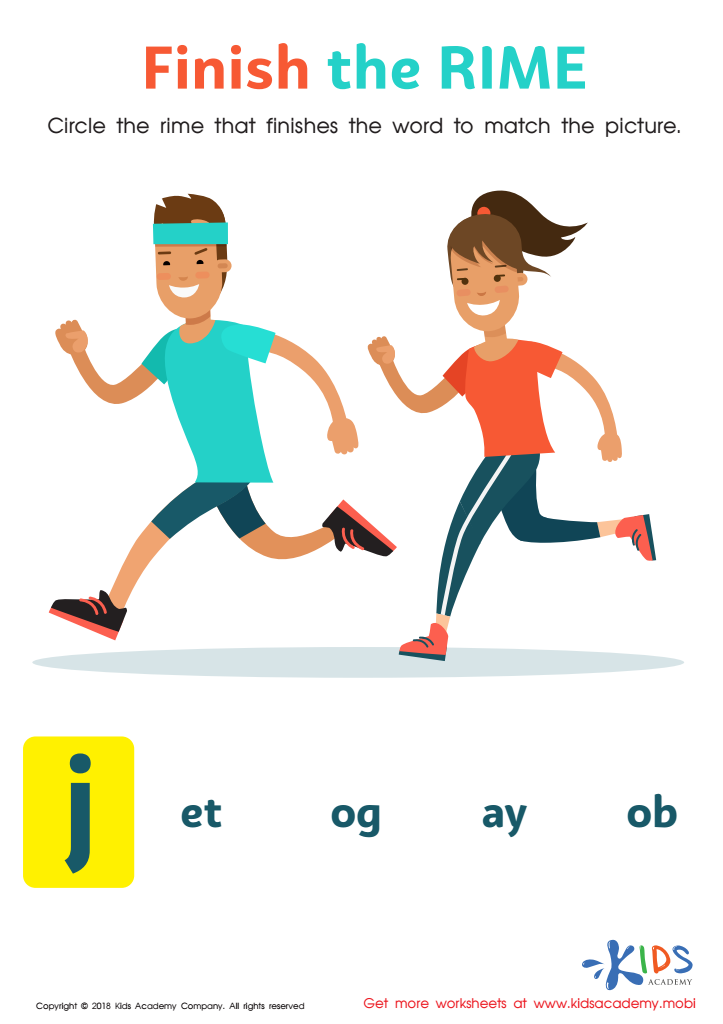
Finish the Rime Worksheet
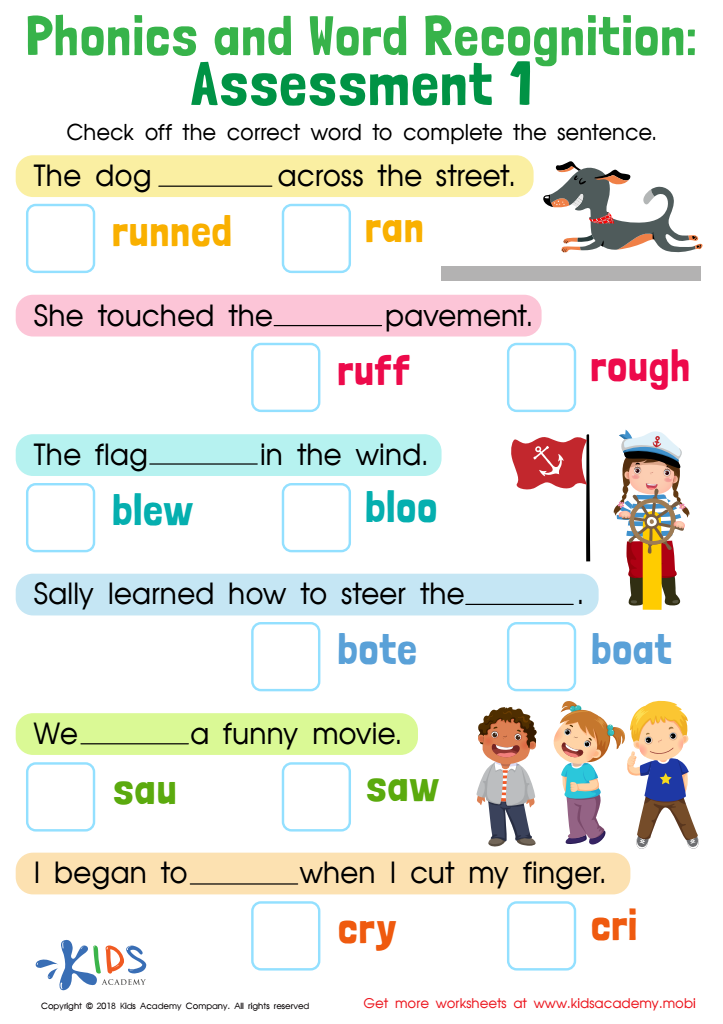
Phonics and Word Recognition: Assessment 1 Worksheet







Phonics recognition is crucial for early literacy development, especially in children aged 4-9. This essential skill involves understanding how letters correspond to sounds, enabling children to decode words independently. By integrating programs like Easy Alphabet, parents and teachers can foster a solid foundation for reading.
First, phonics recognition enhances a child's reading fluency. When children grasp the relationship between sounds and letters, they can sound out unfamiliar words, boosting their confidence and encouraging them to read more often. Additionally, proficient reading skills are directly linked to academic success across all subjects, making phonics recognition a key factor in a child’s overall achievement.
Moreover, engaging with phonics programs can make learning enjoyable. Playful activities and interactive lessons can captivate young learners, fostering a love for reading from an early age. By emphasizing phonics through at-home or classroom activities, both parents and teachers can collaborate to create a supportive learning environment.
Ultimately, advocating for phonics recognition means investing in a lifelong skill that enriches children's communication abilities, nurtures critical thinking, and lays the groundwork for future learning. It is an essential practice that can make a lasting impact on students’ educational journeys.