Reading comprehension Easy English for Beginners Worksheets for Ages 4-9
6 filtered results
Difficulty Level
Grade
Age
-
From - To
Subject
Activity
Standards
Discover our "Reading Comprehension Easy English for Beginners Worksheets" designed specifically for children ages 4-9. These engaging and interactive worksheets help young learners develop essential reading skills in a fun and accessible way. With bright illustrations and simple texts, our resources encourage exploration and understanding, making reading an enjoyable experience. Each worksheet includes varied activities that promote retention and comprehension, tailored for early English language learners. Perfect for home or classroom use, these worksheets foster a love for reading while building confidence in English language skills. Start your child's reading journey today with our thoughtfully crafted materials!
Favorites
With answer key
Interactive
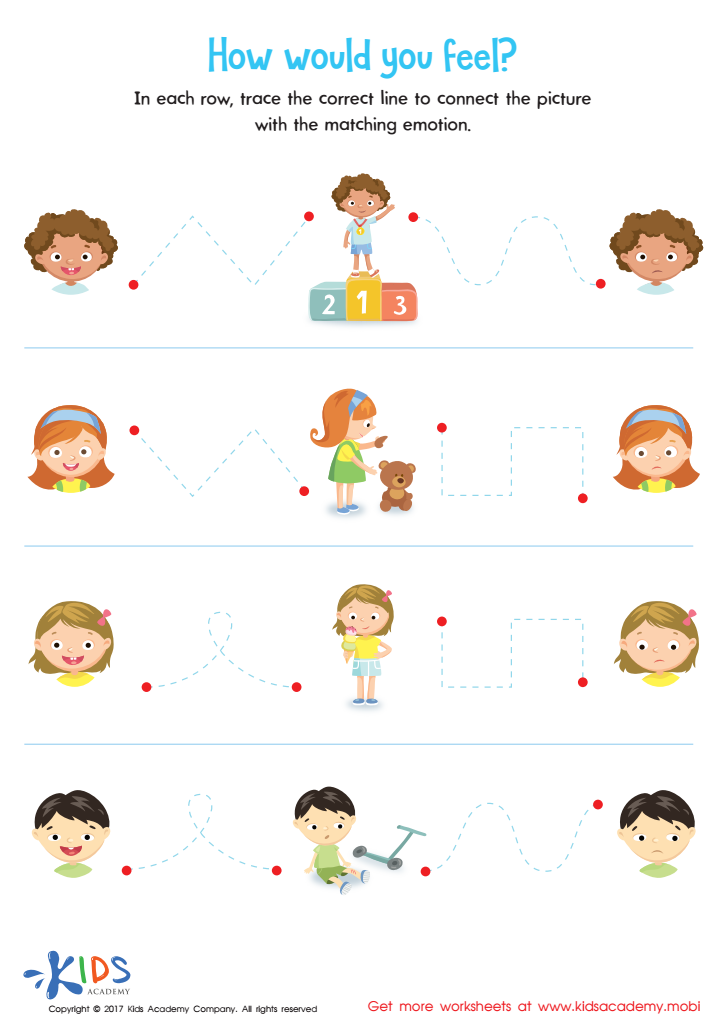
Feelings and Emotions Worksheet
Kids must learn how to deal with situations and handle their own emotions. This worksheet helps them practice empathy and resilience, making them more self-aware and confident. It also helps them to relate their life experiences to common disappointments and develop coping mechanisms.
Feelings and Emotions Worksheet
Worksheet
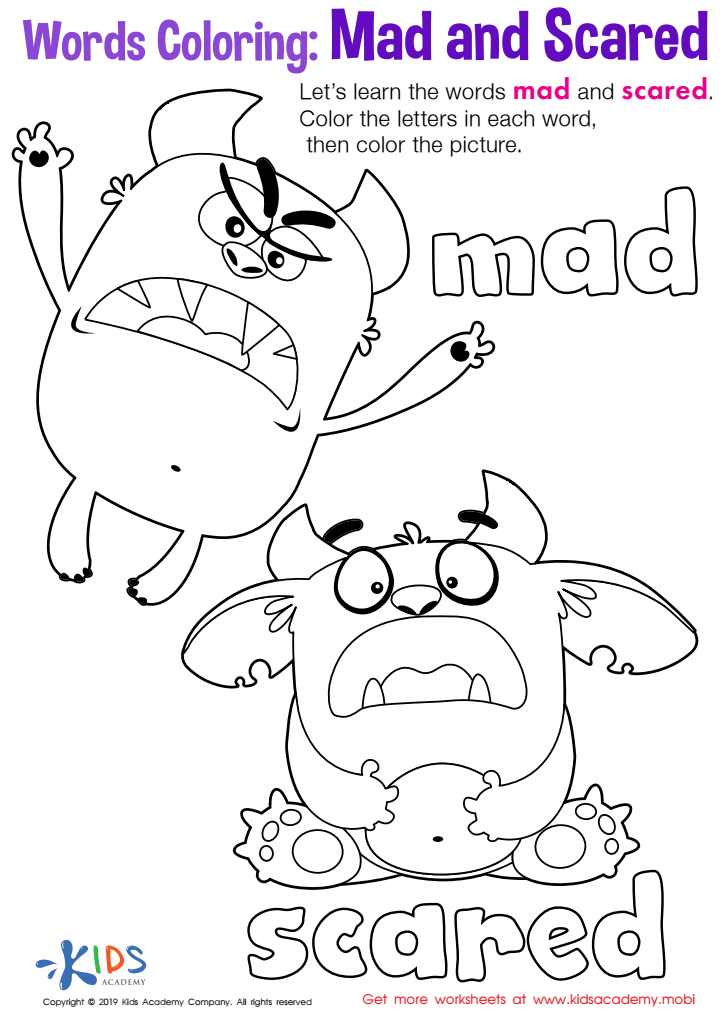
Mad and Scared Words Coloring Worksheet
This worksheet teaches "mad" and "scared" with fun monster pictures to color. Helping students learn by sight, it encourages sharing what makes them feel those strong emotions. Perfect for social studies, it expands student's vocabulary in an entertaining way.
Download (PDF)
 Assign to My Students
Assign to My Students
Mad and Scared Words Coloring Worksheet
Worksheet
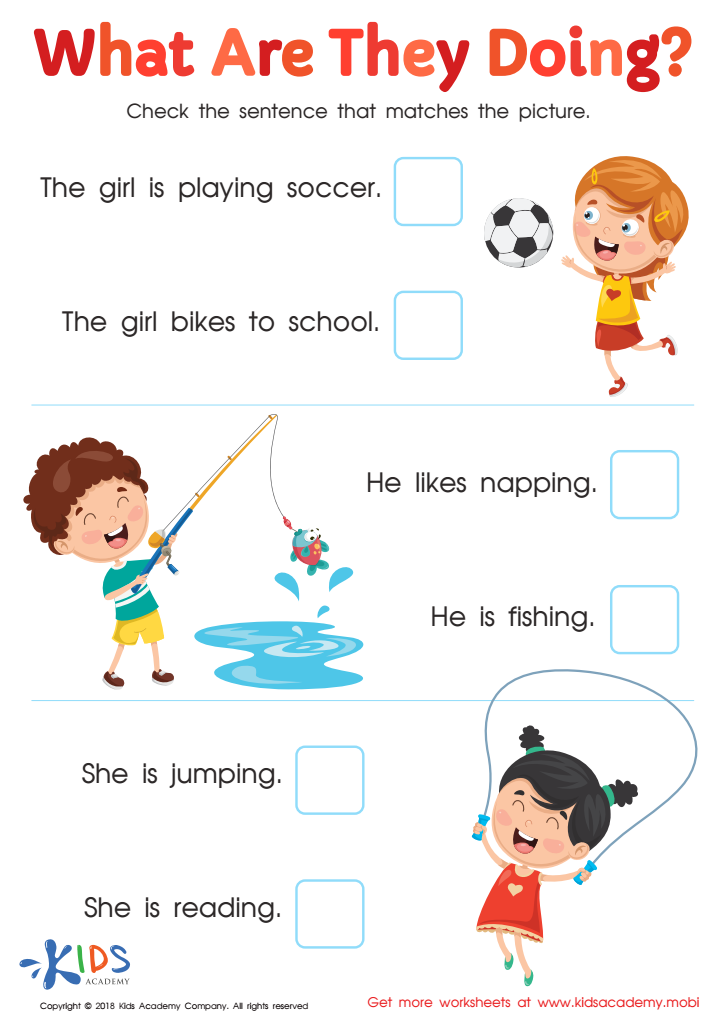
What Are They Doing? Worksheet
Look at the pdf with your child and ask which activities they like. Ask them to match the pictures with the sentences. Read the sentences aloud and help them check the right answers. Encourage them to talk about what they see in the pictures. It's a great way to help them learn.
What Are They Doing? Worksheet
Worksheet
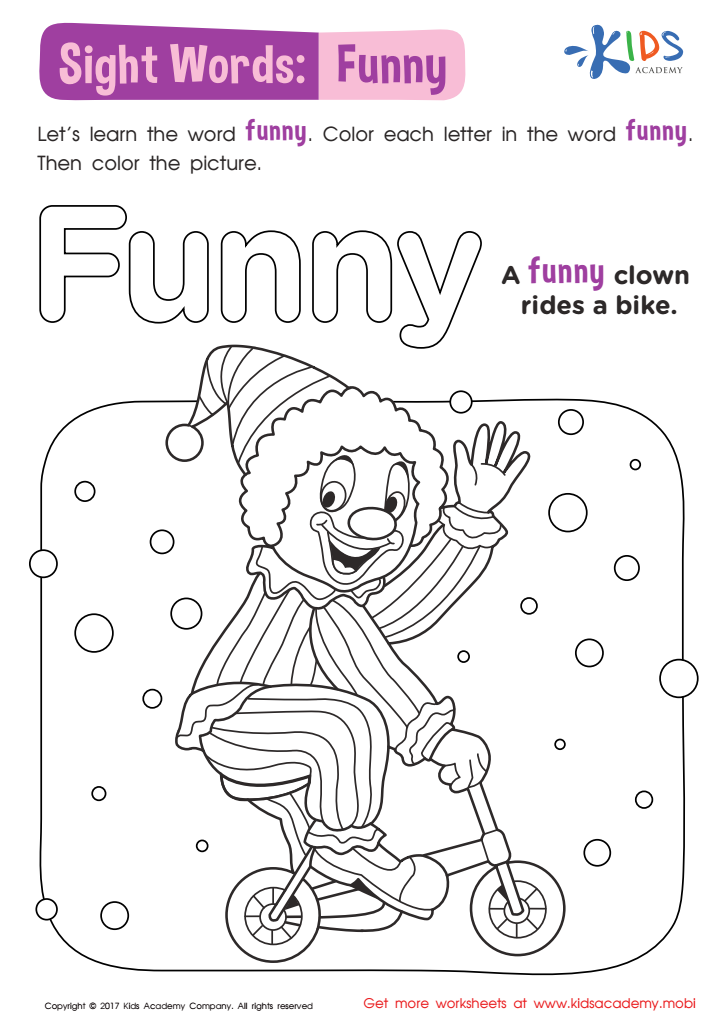
Funny Worksheet Sight Words Worksheet
Love humor? Introduce "funny" as a sight word with this fun worksheet! Have your child read the sentence then color the word in the center. Let them use their imagination to color the silly clown in any way they like!
Download (PDF)
Assign to My Students
Assign to My Students
Funny Worksheet Sight Words Worksheet
Worksheet
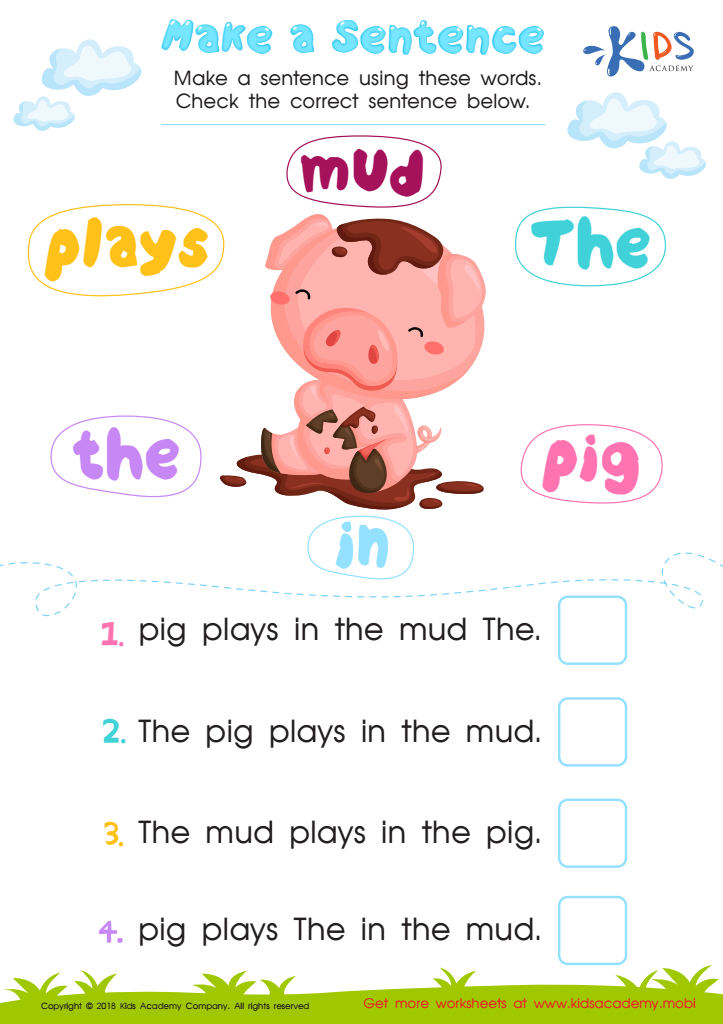
Assessment: Make a Sentence Worksheet
Help your kids identify the animal in the printout. Read the words in the bubbles and then read the four sentences in the options 1 – 4. Ask them to check the box with the correct sentence.
Assessment: Make a Sentence Worksheet
Worksheet
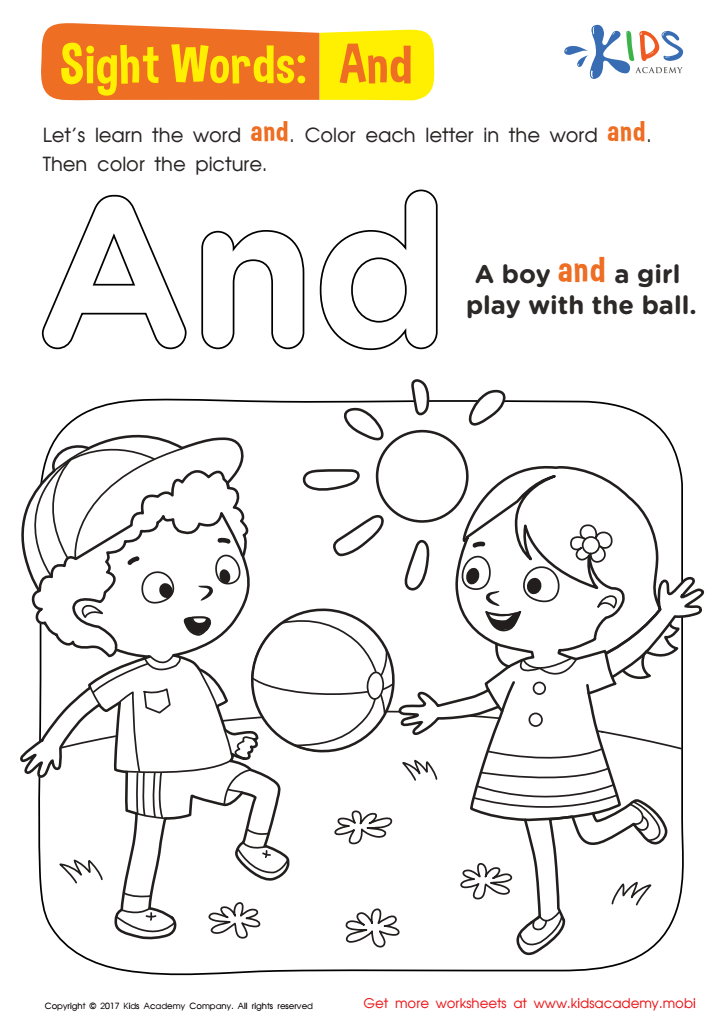
And Worksheet Sight Words Worksheet
Help your child get a jumpstart on reading with sight words! Print out this fun worksheet and get your child to read the sentence. Point out the word "and", then color the word and enjoy the rest of the scene! It's a great way to introduce sight words and get their early reading skills going!
Download (PDF)
Assign to My Students
Assign to My Students
And Worksheet Sight Words Worksheet
Worksheet
Join Kids Academy for Free
Who is primarily going to use this learning content?




Reading comprehension is a fundamental skill for children aged 4 to 9, impacting their overall academic development and future learning. For parents and teachers, fostering this ability is essential because it helps children understand and engage with the material they read, laying the groundwork for critical thinking and communication skills.
At this age, kids are naturally curious and eager to learn. By introducing reading materials that are age-appropriate and easy to understand, we can boost their confidence and enthusiasm for reading. This builds a strong foundation for literacy, empowering children to express their ideas and emotions effectively.
Early reading comprehension supports not just language skills but also cognitive development. It encourages children to ask questions, make connections, and think independently. When parents and teachers participate in reading activities—by discussing stories, asking open-ended questions, or exploring new vocabulary—children develop a love for books and a clearer understanding of the world.
Moreover, proficiency in reading comprehension can lead to better performance in all academic subjects. Ultimately, investing time and effort in enhancing reading comprehension during these crucial years promotes lifelong learning and success. Parents and teachers have the power to shape confident, literate individuals ready to explore new ideas.