Sorting skills Easy Worksheets for Ages 4-9
6 filtered results
-
From - To
Discover engaging Sorting Skills Easy Worksheets tailored for children ages 4-9 at Kids Academy. Our printable worksheets promote essential developmental skills through interactive sorting activities designed to be both fun and educational. Young learners will enhance critical thinking, categorization, and problem-solving abilities as they sort objects by shapes, colors, sizes, and more. These expertly crafted worksheets cater to early grade levels, offering a perfect blend of challenge and enjoyment to keep young minds active and curious. Visit us today to ensure your child builds a strong foundation in sorting skills, paving the way for future academic success.
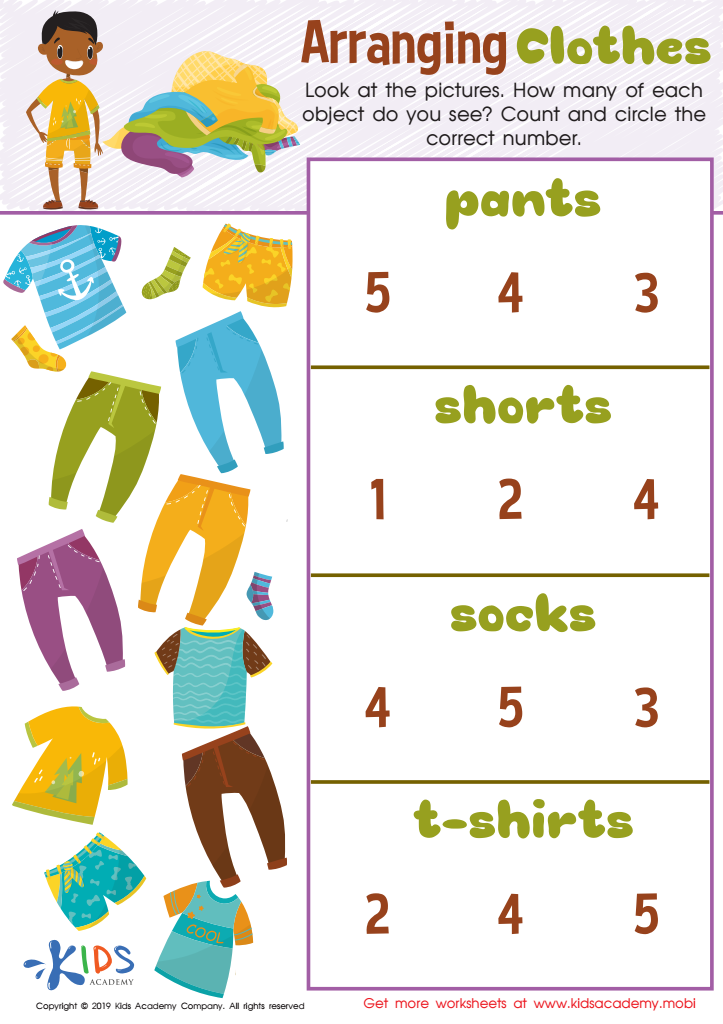
Arranging Clothes Worksheet
 Assign to My Students
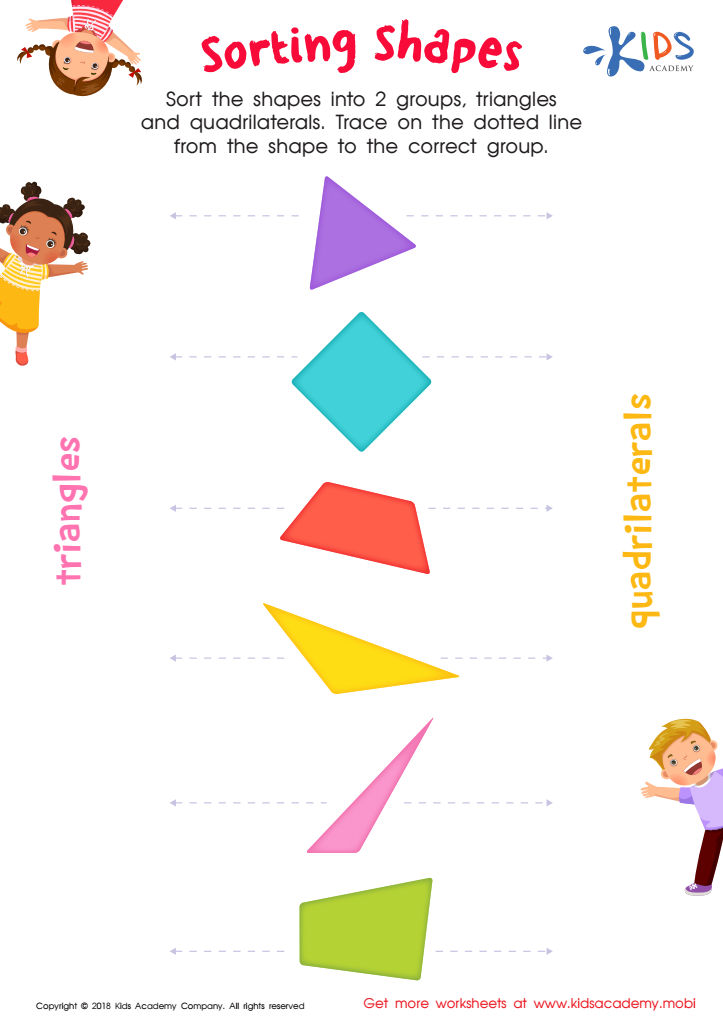
Sorting Shapes Worksheet
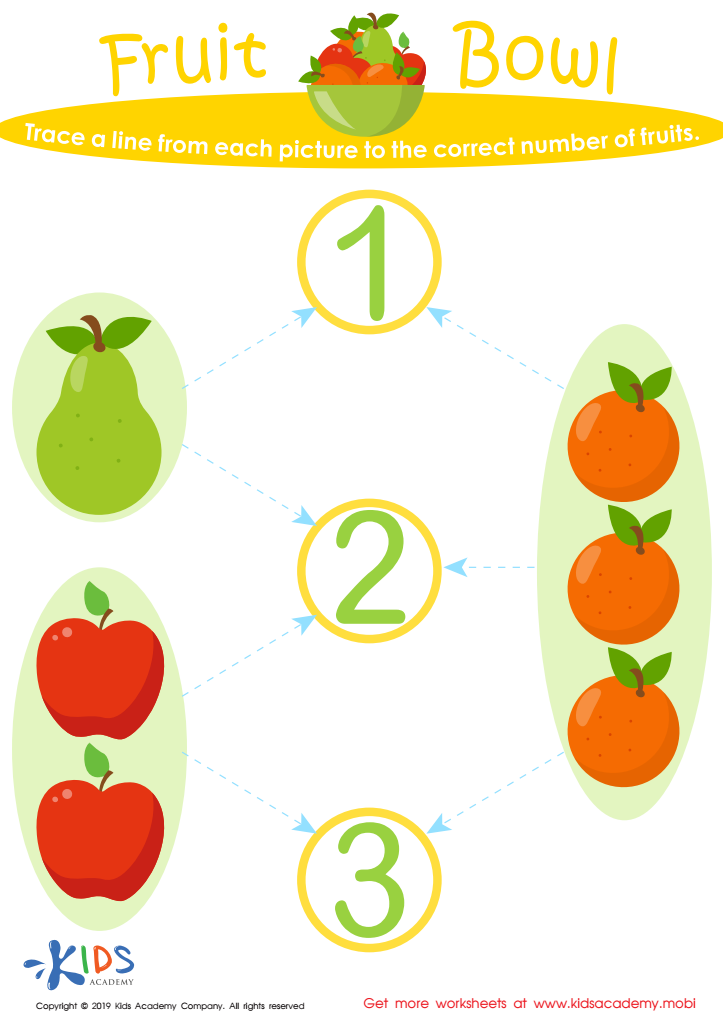
Fruit Bowl Worksheet
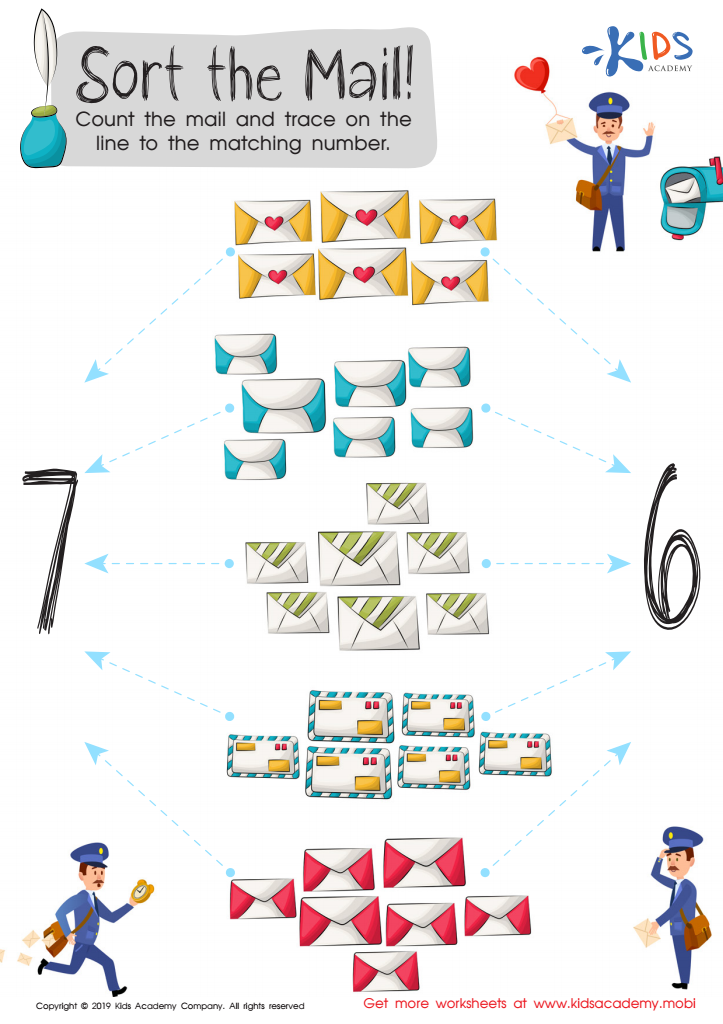
Sort the Mail Worksheet
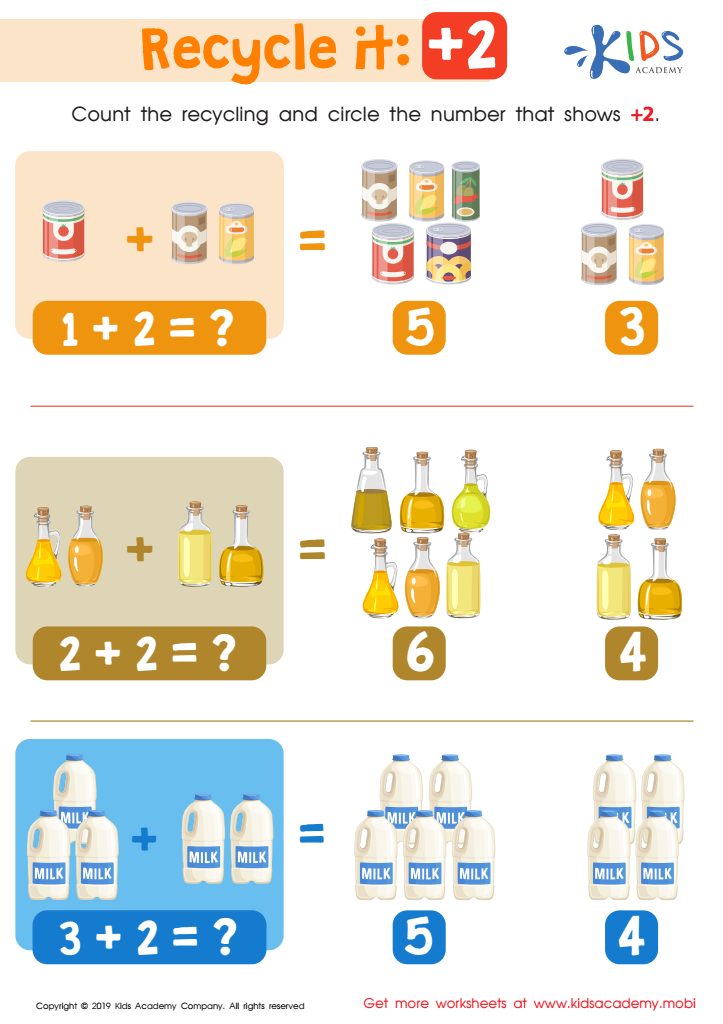
Recycle It: +2 Worksheet
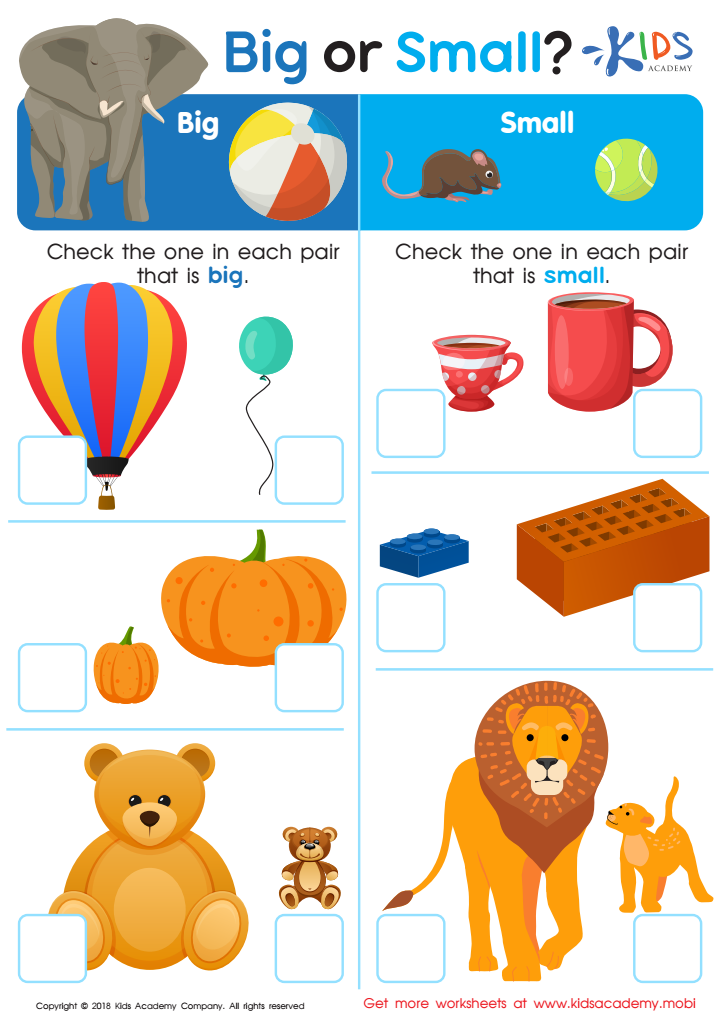
Big or Small? Worksheet








Sorting is an essential life skill that forms the foundation for mathematical thinking, problem-solving, and organization. For children aged 4-9, engaging in sorting activities helps develop their cognitive abilities in several vital ways. When children sort objects, they learn to recognize patterns, categorize items based on different attributes (like color, size, shape, or type), and make decisions based on observations.
Sorting enhances fine motor skills when children pick up, move, and arrange items. It also improves their vocabulary as they learn to describe the characteristics of objects and the rationale behind their choices. More importantly, sorting builds critical thinking and decision-making skills by fostering an understanding of similarities and differences, laying the groundwork for more complex mathematical concepts like sets, graphs, and eventually, algebra.
In a world that values organization and efficiency, the ability to sort and categorize objects aids in a child's overall sense of structure. These skills are transferrable to everyday tasks such as tidying up, planning studies, or even grocery shopping. By nurturing sorting skills at an early age, parents and teachers can contribute to developing a child's logical reasoning, attention to detail, and sense of order, which are invaluable throughout their academic journey and beyond.








