Number Recognition Easy Counting Worksheets for Ages 4-9
6 filtered results
-
From - To
Discover our "Number Recognition Easy Counting Worksheets" designed for children aged 4-9! Perfect for early learners, these printable worksheets make learning numbers a fun, engaging experience. Through diverse activities and vivid illustrations, kids will enhance their counting skills and confidently recognize numbers. Whether at home or in the classroom, these resources support hands-on practice and reinforce essential math lessons. Ideal for embarking on the journey of numerical discovery, our worksheets cater to different learning styles and ensure that young mathematicians build a solid foundation. Unleash the joy of learning numbers with our easy and effective tools!
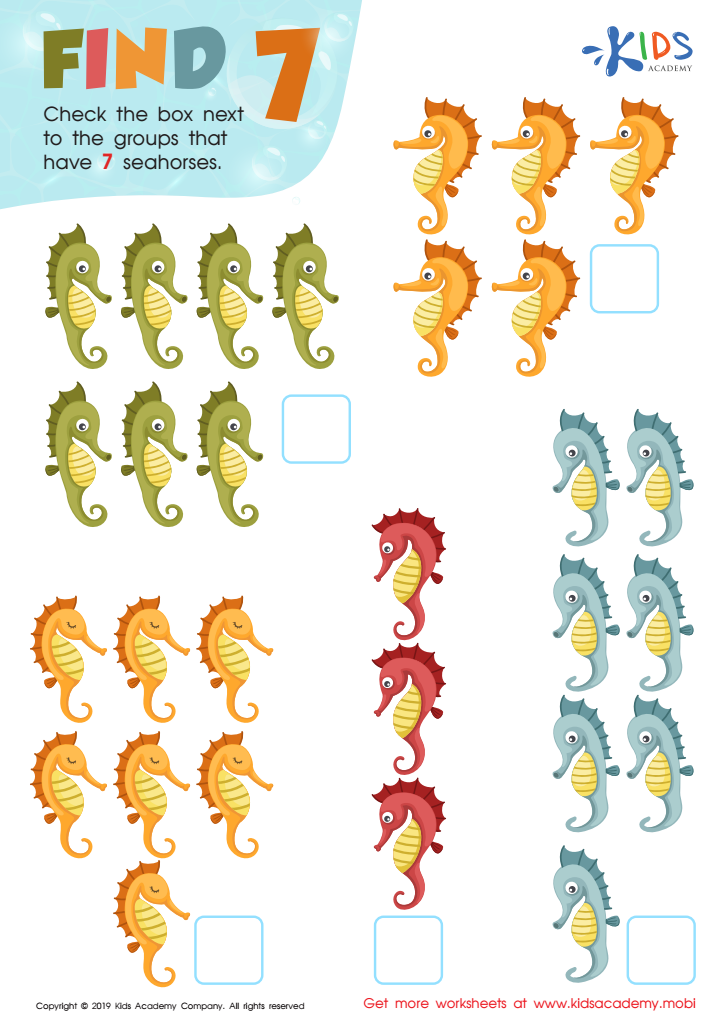
Find 7 Worksheet
 Assign to My Students


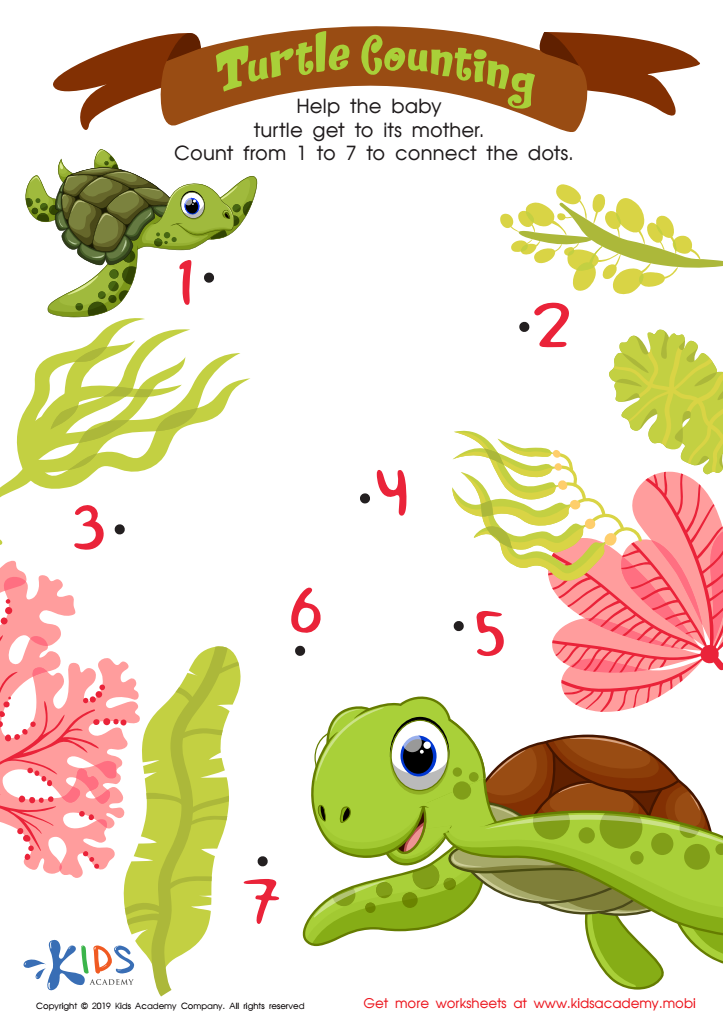
Turtle Counting Worksheet
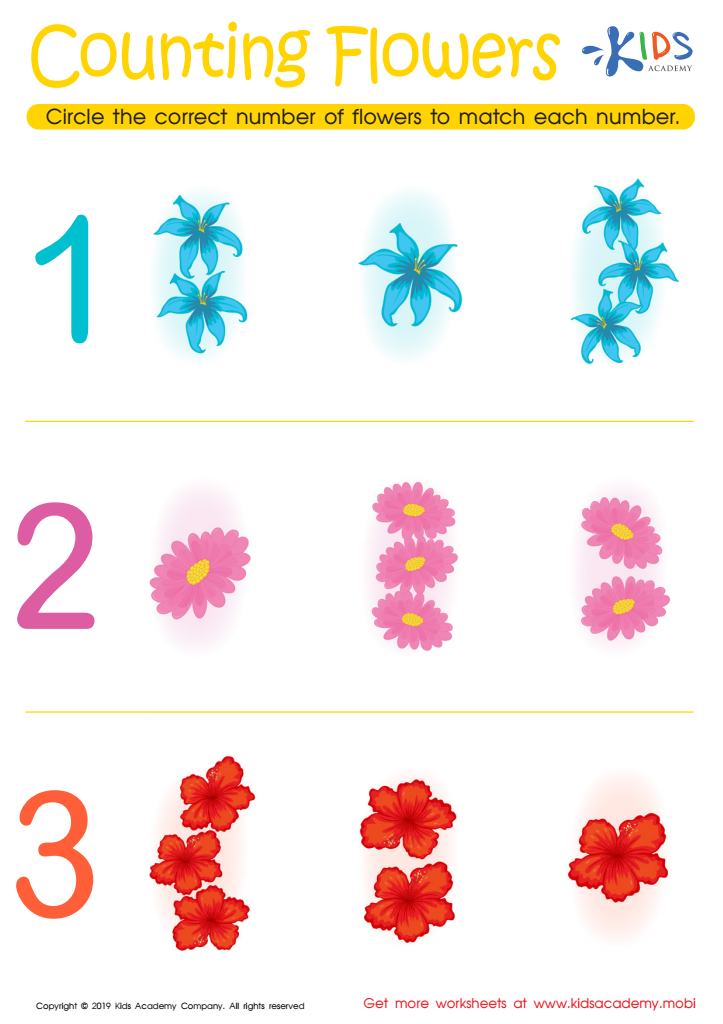
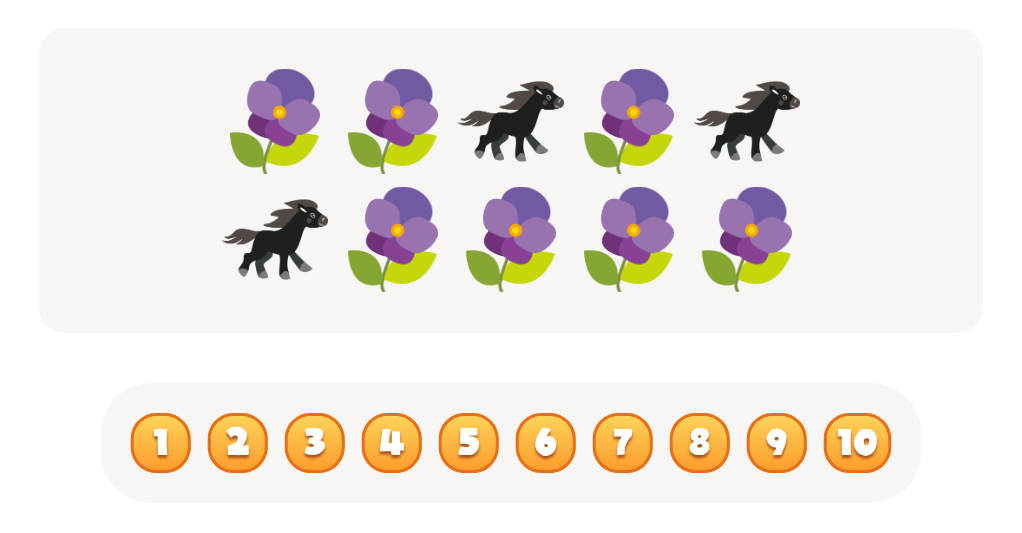
Counting Flowers Worksheet
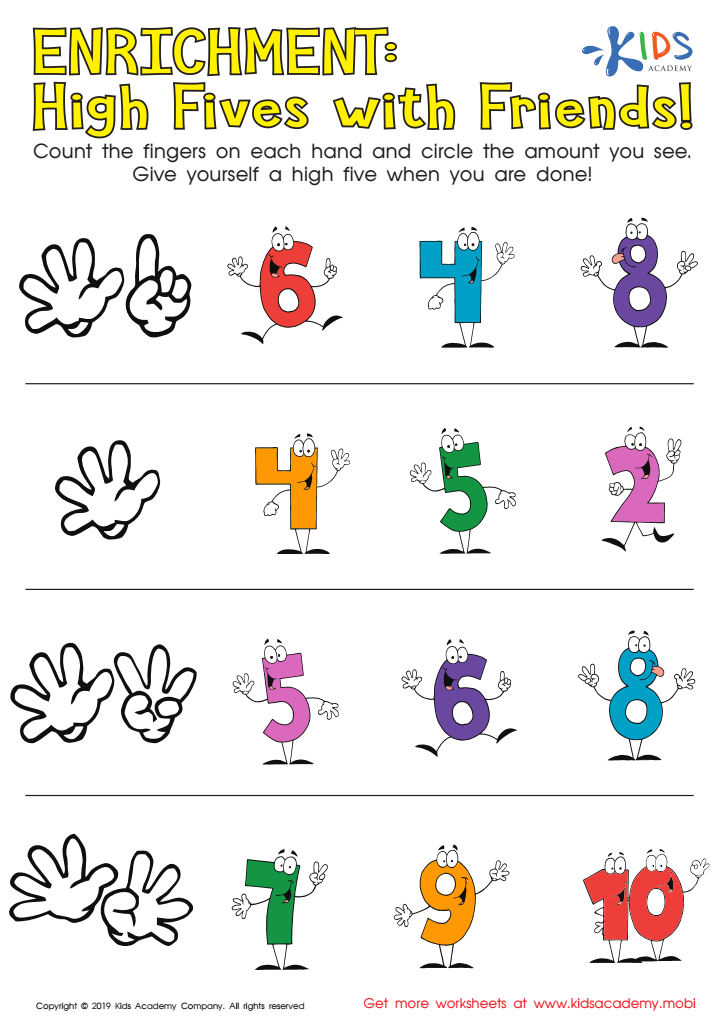
Enrichment: High Fives with Friends! Worksheet
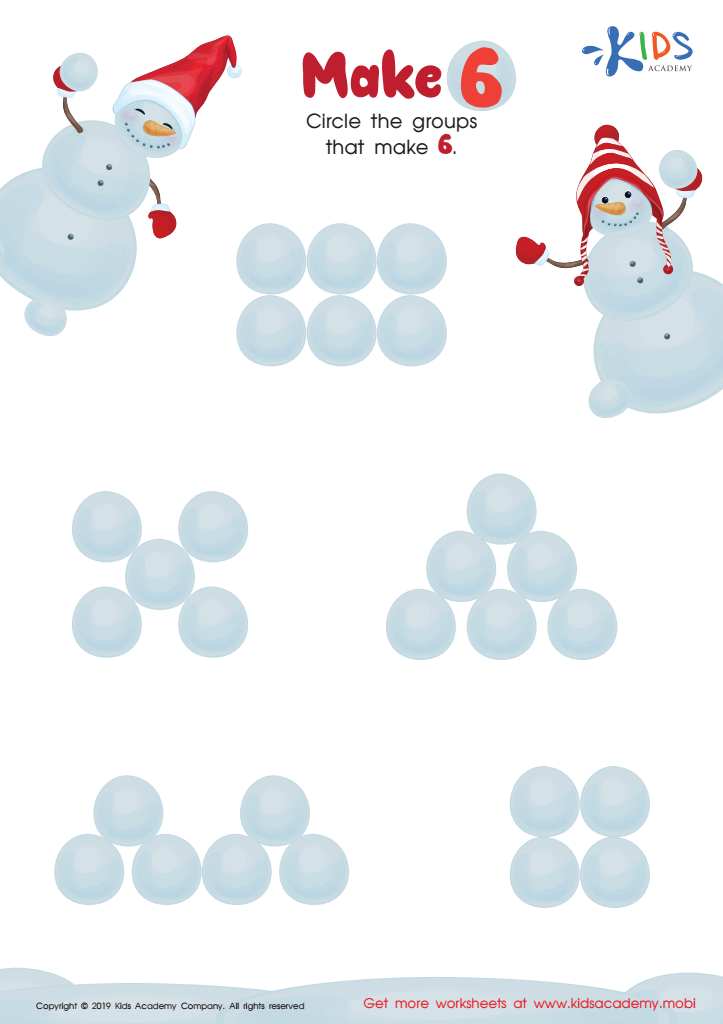
Make 6 Worksheet
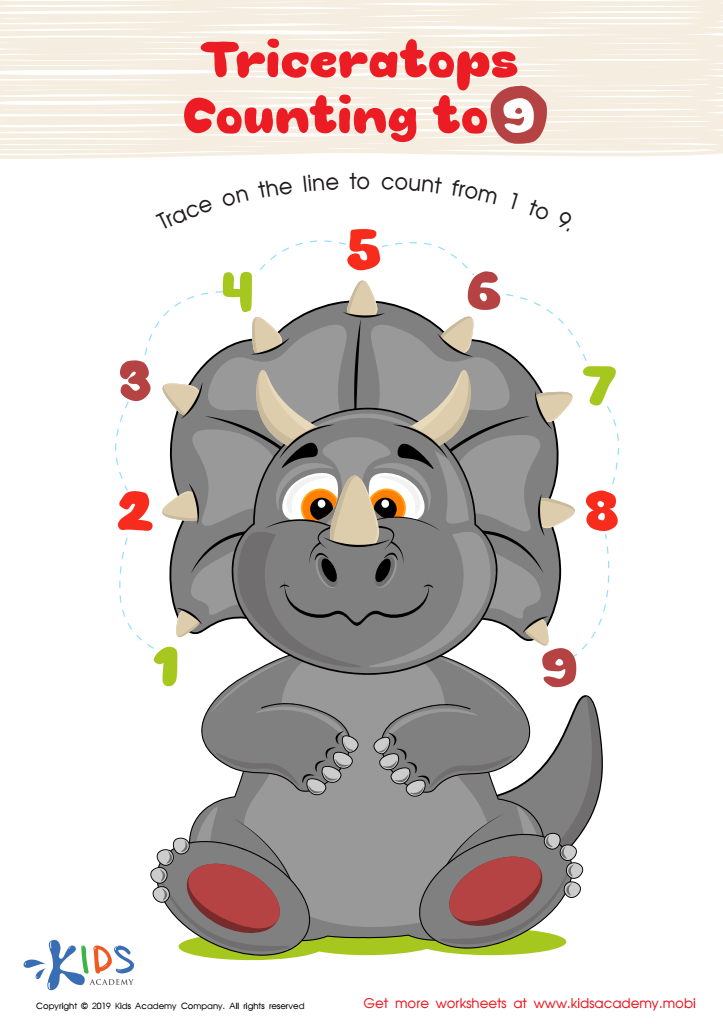
Triceratops Counting to 9 Worksheet







Number recognition and easy counting skills are foundational for young children aged 4-9, setting the stage for all future mathematical learning and everyday life skills. Parents and teachers should prioritize these skills as they help build a strong numerical foundation.
First and foremost, mastering number recognition allows children to read numbers accurately across contexts, such as on clocks, in addresses, or within classroom activities, creating ease in daily routines. When young learners recognize and associate numbers confidently, they start understanding quantity, which is vital for more complex mathematical concepts like addition, subtraction, and eventually multiplication and division.
Developing counting skills nurtures a child’s ability to sequence, group, and quantify objects, integral for problem-solving and logical thinking. These skills also reinforce the concept of one-to-one correspondence, ensuring that children understand the relationship between numbers and actual items in the world. For example, when counting fishes in a picture book or objects in a toy bin, children internalize essential foundational mathematics.
Moreover, reinforcing these skills early contributes to building a positive attitude toward math. Early success and confidence in number recognition and counting can reduce anxiety about mathematics as children progress through their education. This creates more robust academic outcomes in later years, emphasizing the importance of nurturing these crucial early math skills from a young age.








