Fine motor skills (writing) Easy Math Worksheets for Ages 4-9
3 filtered results
-
From - To
Discover our engaging Fine Motor Skills (Writing) Easy Math Worksheets designed for ages 4-9! These printable resources stimulate essential fine motor development while introducing young learners to basic math concepts. Each worksheet features fun activities that encourage children to practice their writing, enhance hand-eye coordination, and build confidence in their math skills. With colorful illustrations and interactive exercises, kids will enjoy honing their grip and control as they trace numbers, shapes, and simple sentences. Perfect for use at home or in the classroom, our worksheets provide a comprehensive way to nurture essential skills for early learners. Start your child's learning journey today!
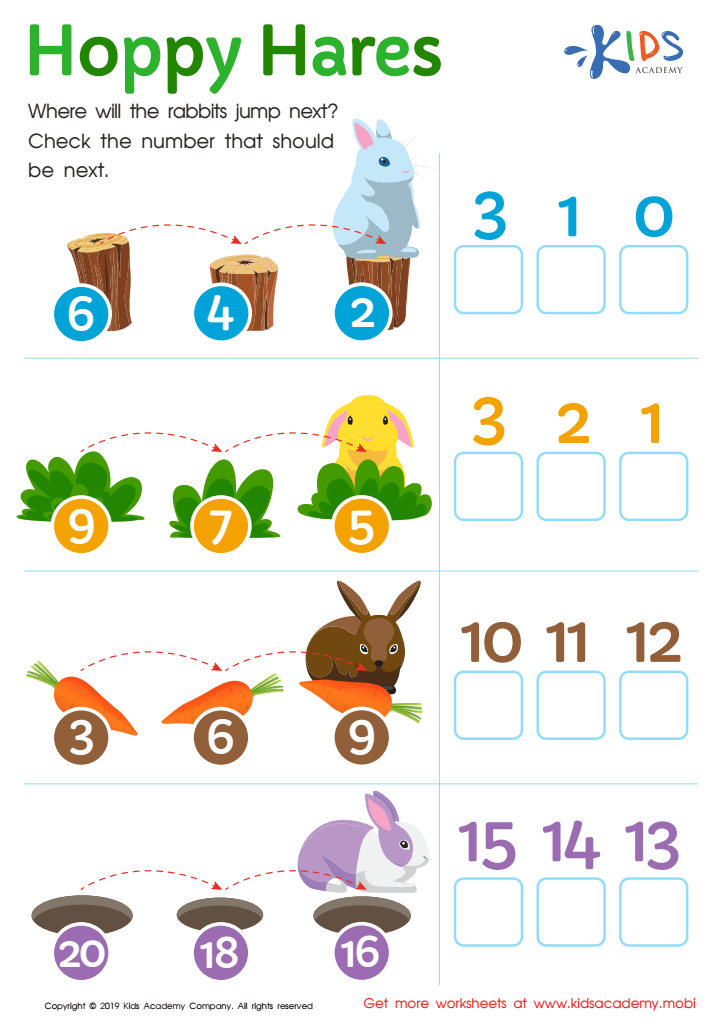
Hoppy Hares Worksheet
 Assign to My Students
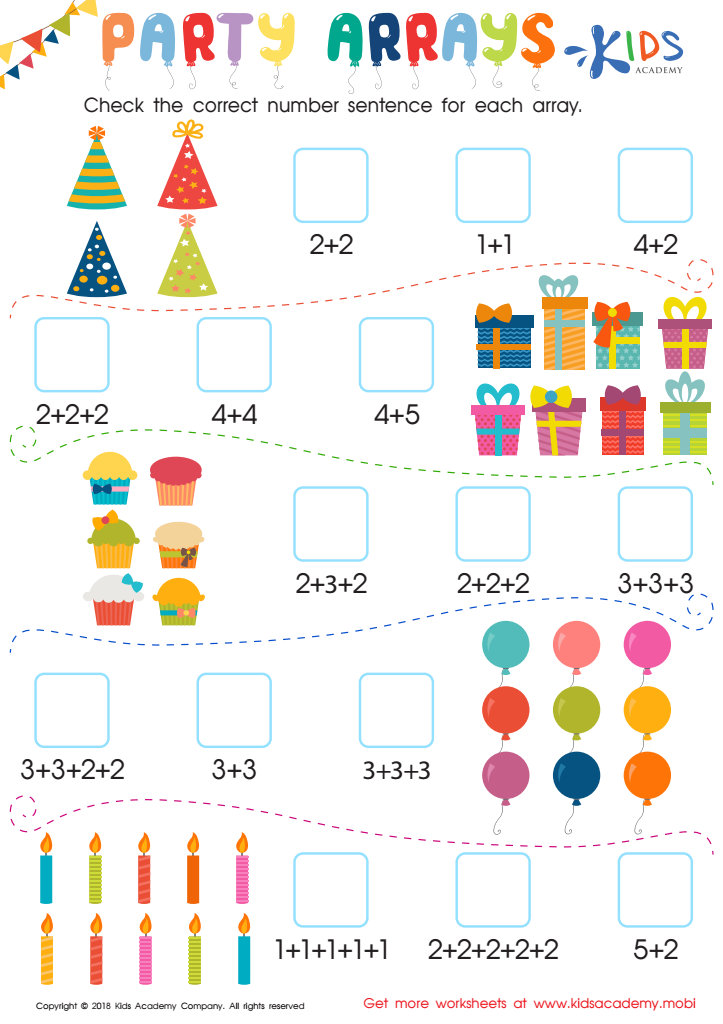
Party Arrays Worksheet
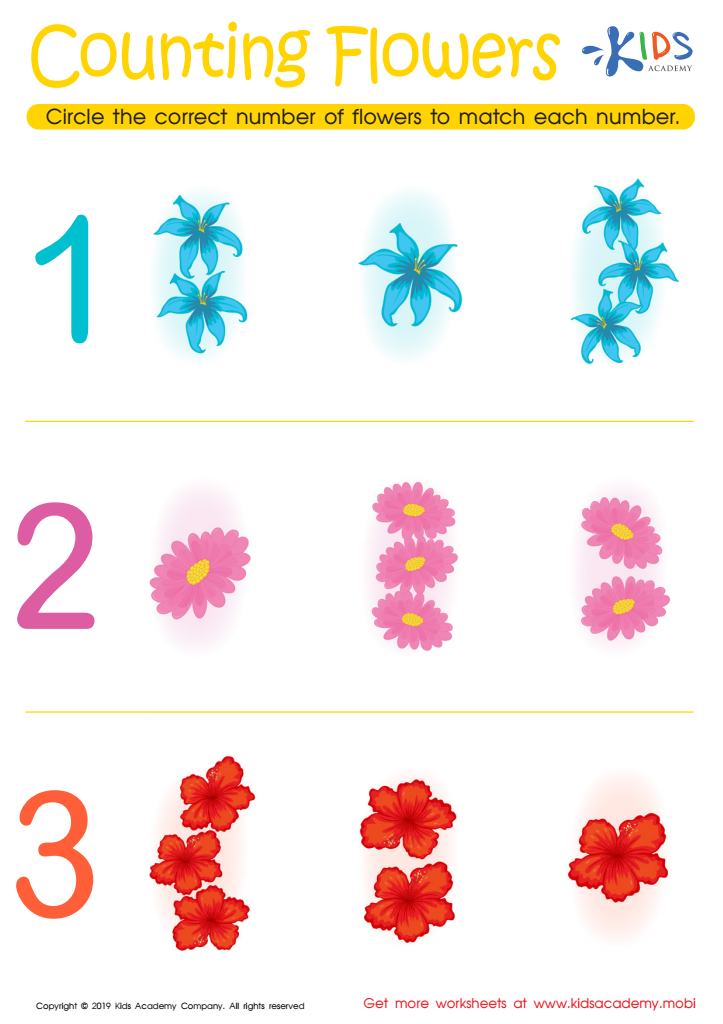
Counting Flowers Worksheet








Fine motor skills and early math concepts are crucial for children aged 4-9, as they form the foundation for future academic success and daily living skills. Parents and teachers should prioritize these developmental areas for several reasons.
Firstly, fine motor skills, such as writing, are essential for successful communication and self-expression. Children learn to control their hand movements, which not only aids in writing but also in tasks like fastening clothing and using scissors. Improving these skills boosts their confidence and encourages autonomy.
Additionally, math skills foundational to this age group teach children to recognize numbers, understand simple operations, and develop problem-solving strategies. These early concepts help children make sense of the world around them, fostering logical thinking and analytical skills.
Moreover, integrating fine motor activities and easy math in learning ensures engagement through hands-on, meaningful experiences. Activities like tracing, counting with manipulatives, and playing number games make math fun, reinforcing a positive attitude toward learning.
Ultimately, parents and teachers who emphasize fine motor skills and early math help children build essential skills that promote readiness for subsequent education, empower them in their personal development, and support a lifelong love for learning.








