Understanding patterns Easy Math Worksheets for Ages 4-9
6 filtered results
-
From - To
Discover engaging "Understanding Patterns" math worksheets designed for children ages 4-9! Our easy math worksheets provide a fun and interactive way for young learners to recognize and create patterns. Perfect for classroom or home use, these resources help enhance critical thinking and problem-solving skills while making learning enjoyable. Featuring colorful visuals and varied exercises, the worksheets cater to different learning styles and promote essential math foundations. Ideal for parents and educators alike, explore our collection to make pattern education effortless and inspiring. Watch your child's confidence soar as they master these foundational math concepts with ease and joy!
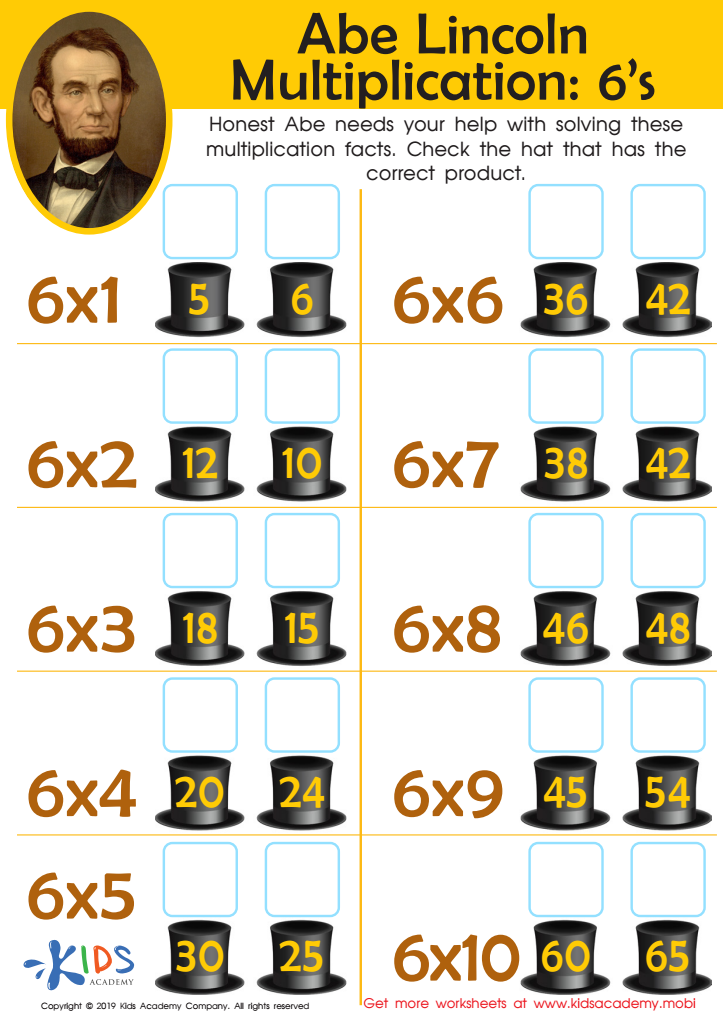
Abe Lincoln Multiplication: 6’s Worksheet
 Assign to My Students
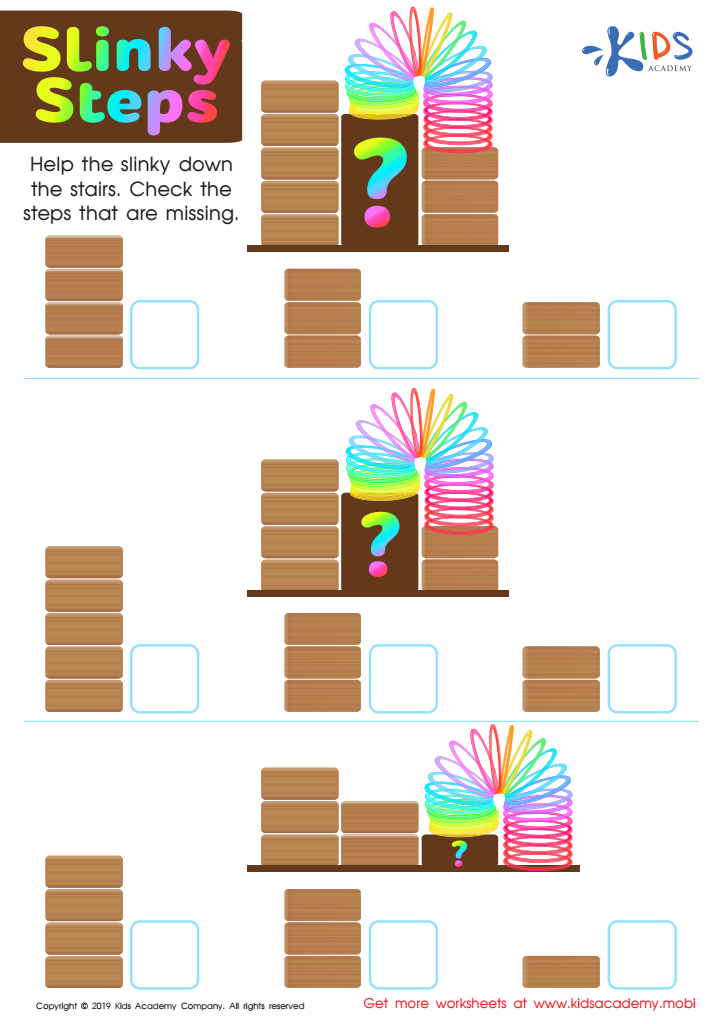
Slinky Steps Worksheet
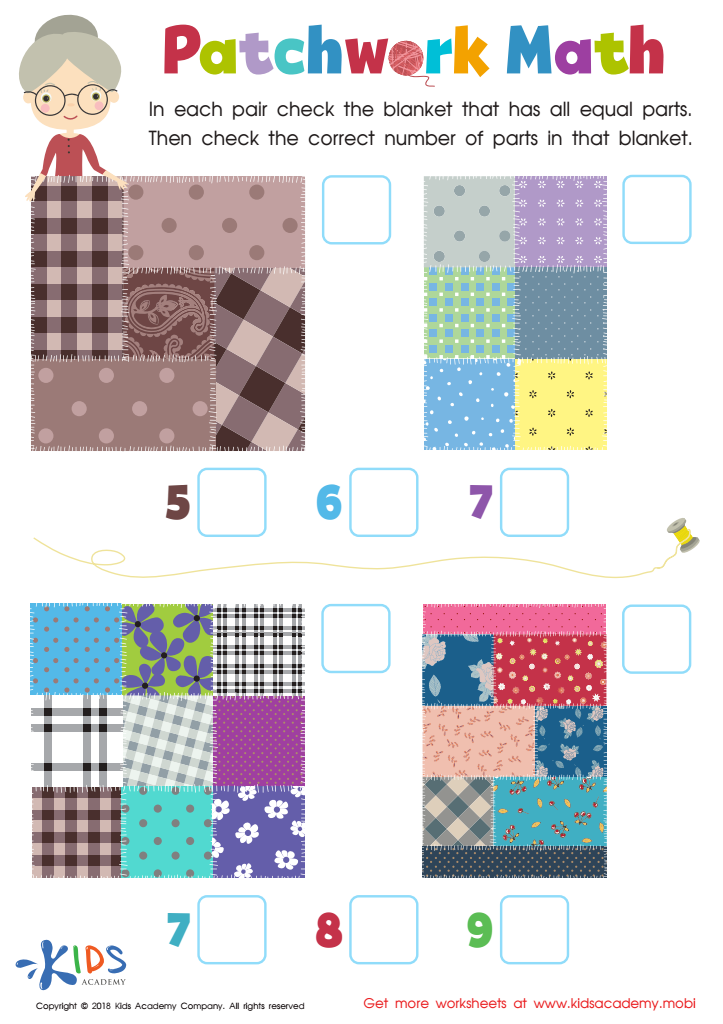
Patchwork Math Worksheet
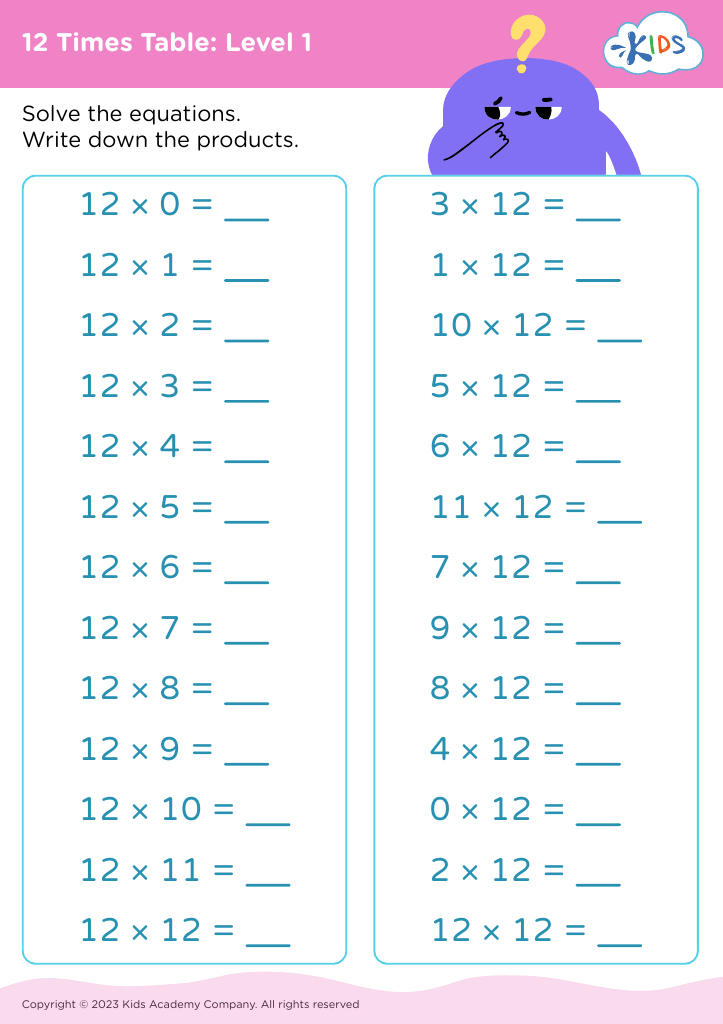
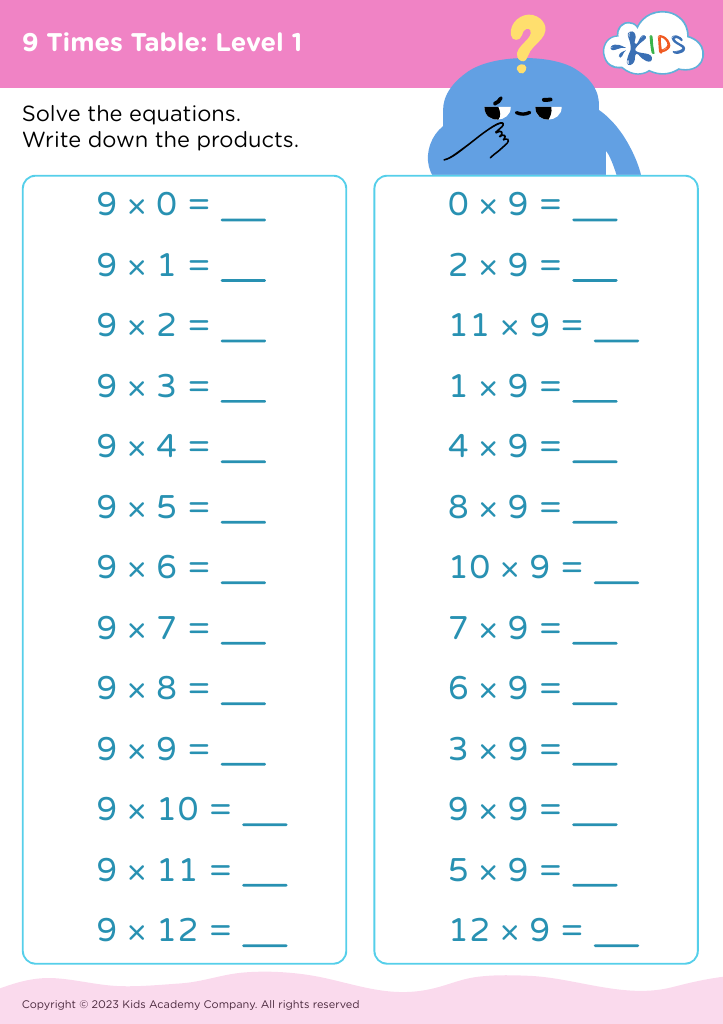








Understanding patterns in mathematics is fundamental for young learners aged 4-9, and both parents and teachers play a crucial role in fostering this skill. Recognizing and creating patterns not only enhances a child's mathematical abilities but also develops critical thinking and problem-solving skills. Patterns are the building blocks of more complex mathematical concepts, including addition, subtraction, and even algebra in later grades. When children learn to identify patterns, they can predict outcomes, enhance their comprehension of number relationships, and improve their overall mathematical fluency.
Engaging with patterns also promotes cognitive development, as it encourages children to observe, analyze, and generalize concepts. Furthermore, discovering patterns can enhance creativity by allowing youngsters to experiment with different sequences and arrangements. Parents and teachers can integrate fun, patterned activities into everyday life, making learning interactive and enjoyable.
Ultimately, fostering an understanding of patterns equips children with the foundational skills essential for future success in math and STEM fields. By recognizing the significance of this concept, both parents and teachers can provide a supportive environment that prepares children for a lifetime of analytical thinking and problem-solving.








