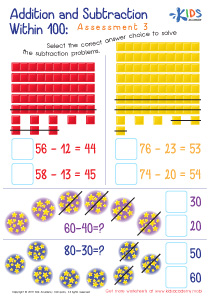
Sorting skills Easy Numbers 0–10 Worksheets for Ages 4-9
3 filtered results
-
From - To
Welcome to our "Sorting Skills Easy Numbers 0–10 Worksheets" designed for children ages 4-9. These engaging worksheets help young learners develop essential sorting and categorization skills through fun, interactive activities. Kids will explore numbers 0 to 10 while sorting items by various attributes, enhancing their understanding of number concepts in a hands-on manner. Perfect for classroom use or at-home learning, these worksheets promote critical thinking and fine motor skills. With colorful designs and age-appropriate challenges, your child will enjoy mastering sorting skills while gaining confidence in their mathematical abilities. Try our worksheets today for a fun learning experience!
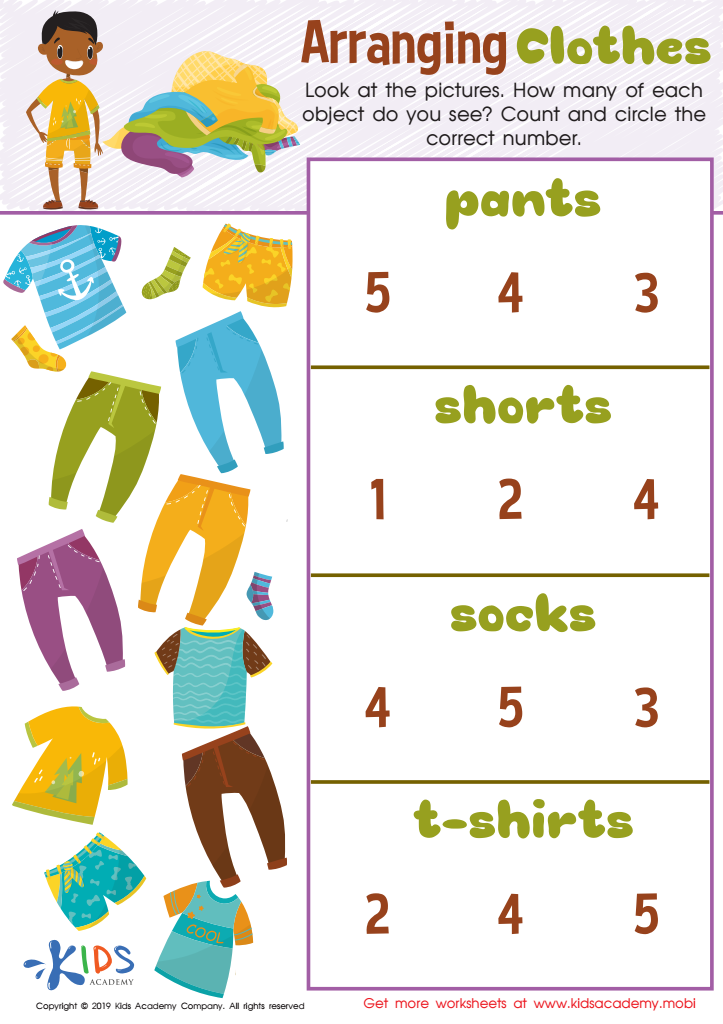
Arranging Clothes Worksheet
 Assign to My Students
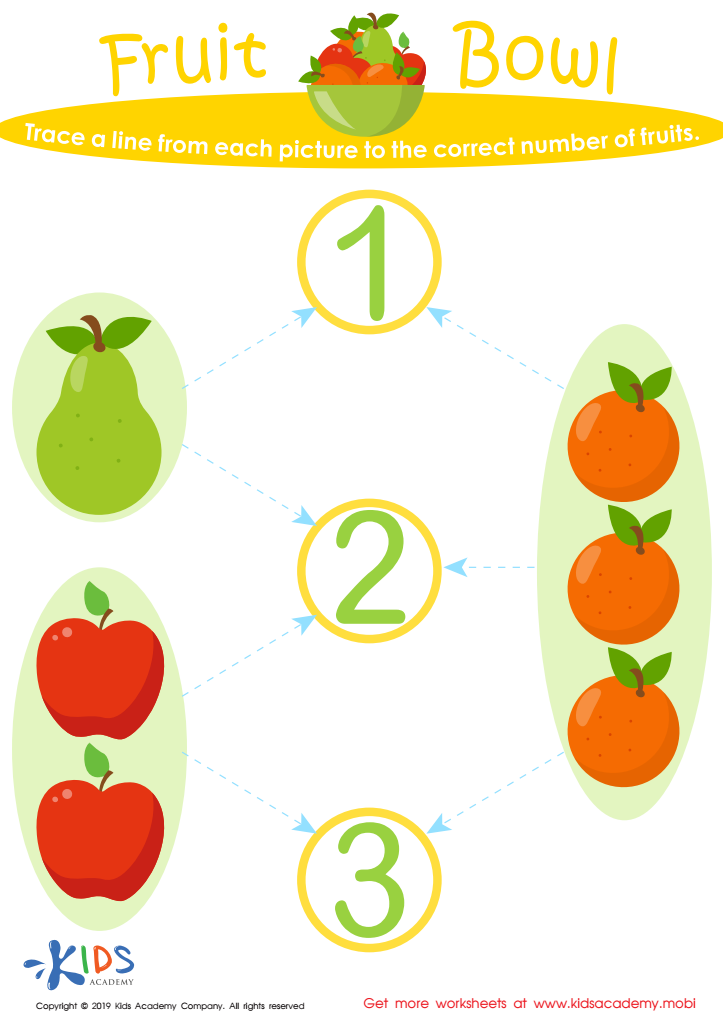
Fruit Bowl Worksheet
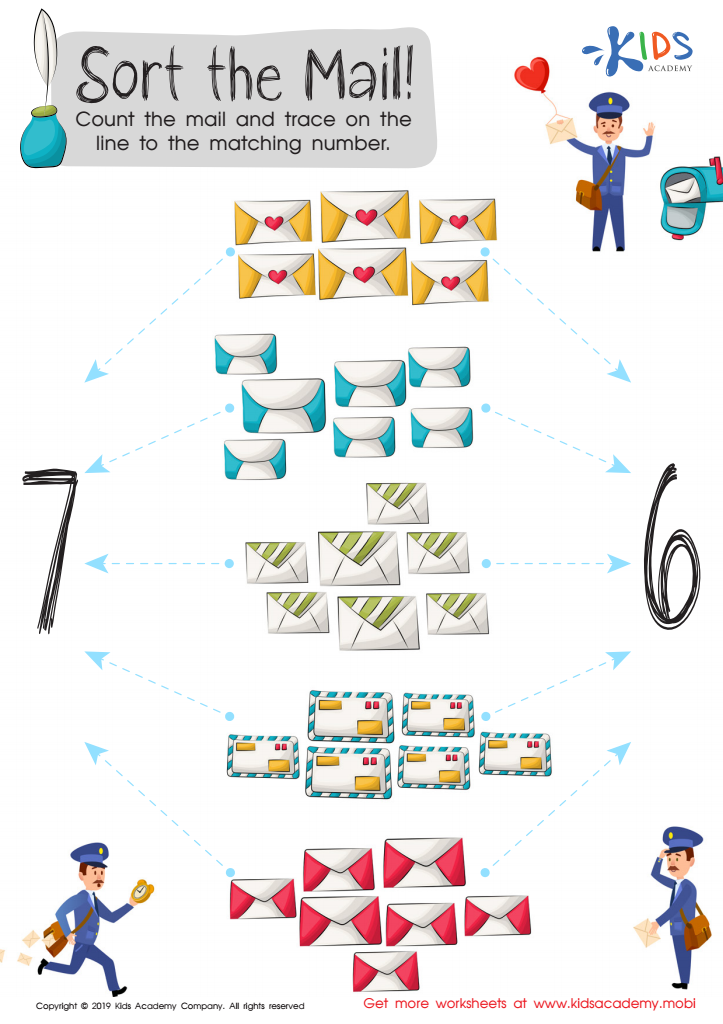
Sort the Mail Worksheet








Sorting skills, particularly for easy numbers 0–10, are foundational for children aged 4-9 as they underpin essential cognitive development and mathematical understanding. Firstly, sorting helps children learn how to categorize and organize information, which is crucial in developing critical thinking skills. By sorting numbers, they begin to understand their relationships and values, laying the groundwork for more complex mathematical concepts.
Moreover, sorting activities promote early numeracy skills. When children engage in sorting tasks, they practice counting, comparing, and finding patterns. These skills not only aid in their understanding of basic arithmetic but also enhance their ability to tackle more advanced mathematical problems later in life.
Additionally, sorting fosters fine motor skills and hand-eye coordination, as children manipulate objects and group them accordingly. In a broader context, these activities could promote social skills as well, encouraging teamwork and discussion about reasoning.
Lastly, a focus on sorting helps develop a child’s attention to detail and promotes persistence, traits that are essential for lifelong learning. Therefore, it's essential for parents and teachers to integrate sorting skills in early childhood education, providing a strong foundation for academic success and personal growth.