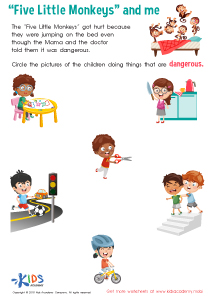
Following instructions Easy Building Vocabulary Worksheets for Ages 4-9
4 filtered results
-
From - To
Enhance your child's learning with our "Following Instructions Easy Building Vocabulary Worksheets" designed for ages 4-9. These engaging worksheets provide fun and interactive activities to help young learners grasp essential vocabulary concepts while practicing their listening and comprehension skills. Each worksheet encourages children to follow simple instructions, boosting their critical thinking and cognitive abilities. With vibrant illustrations and age-appropriate language, these resources make learning enjoyable and effective. Perfect for home or classroom use, our worksheets cater to various learning styles, ensuring every child can expand their vocabulary while developing essential skills. Start your child’s journey to mastering language today!
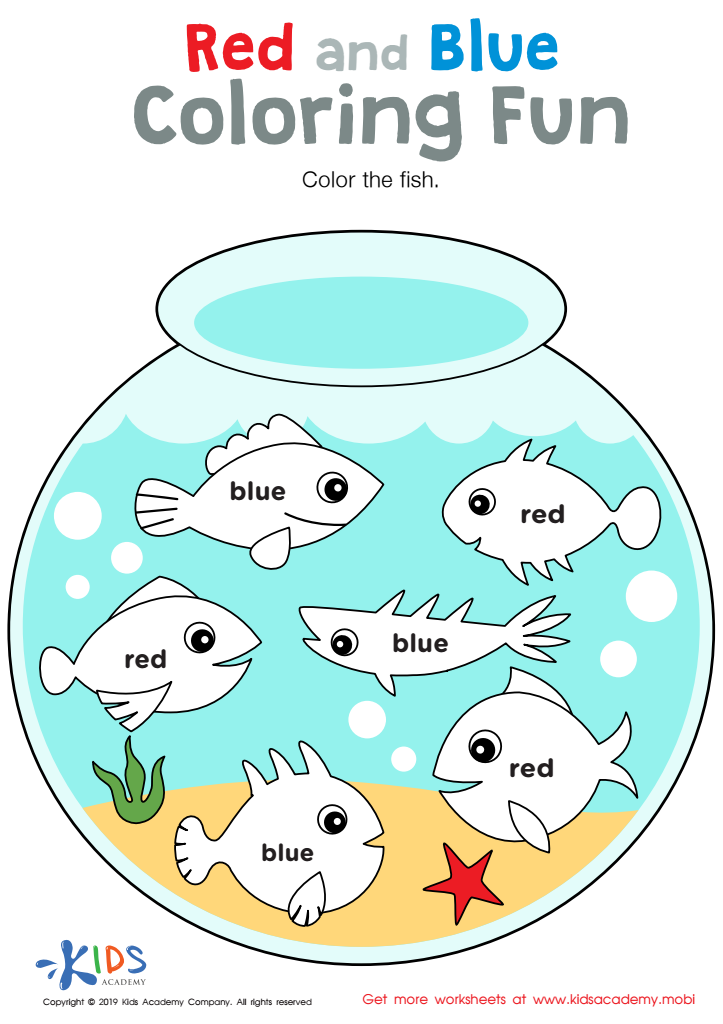
Red and Blue Coloring Fun Worksheet
 Assign to My Students











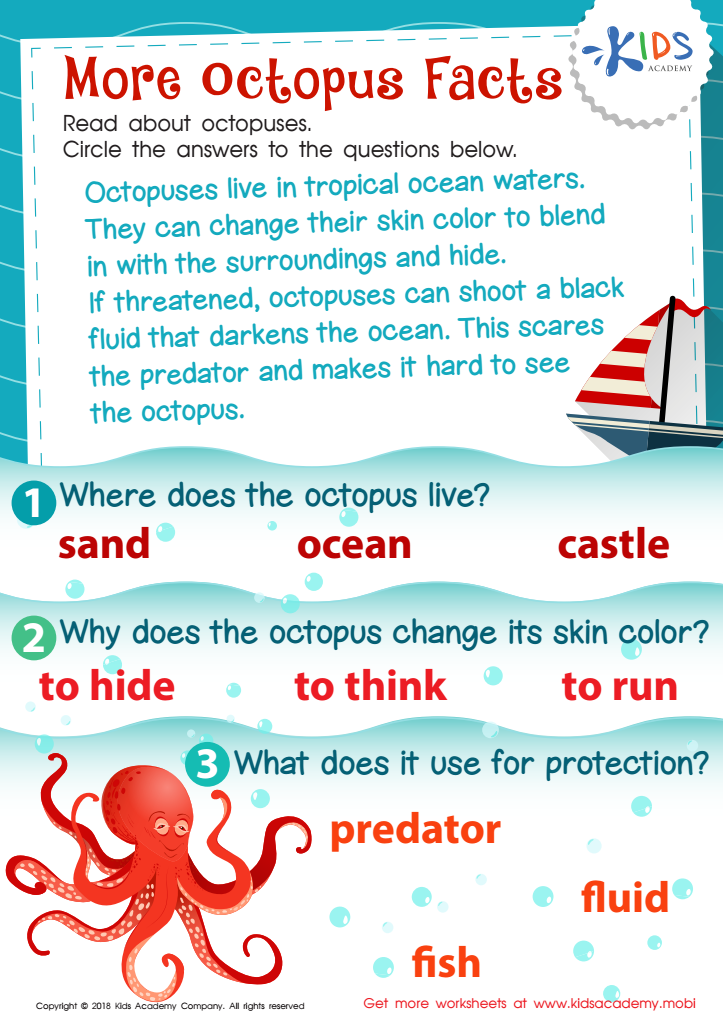
More Octopus Facts Worksheet
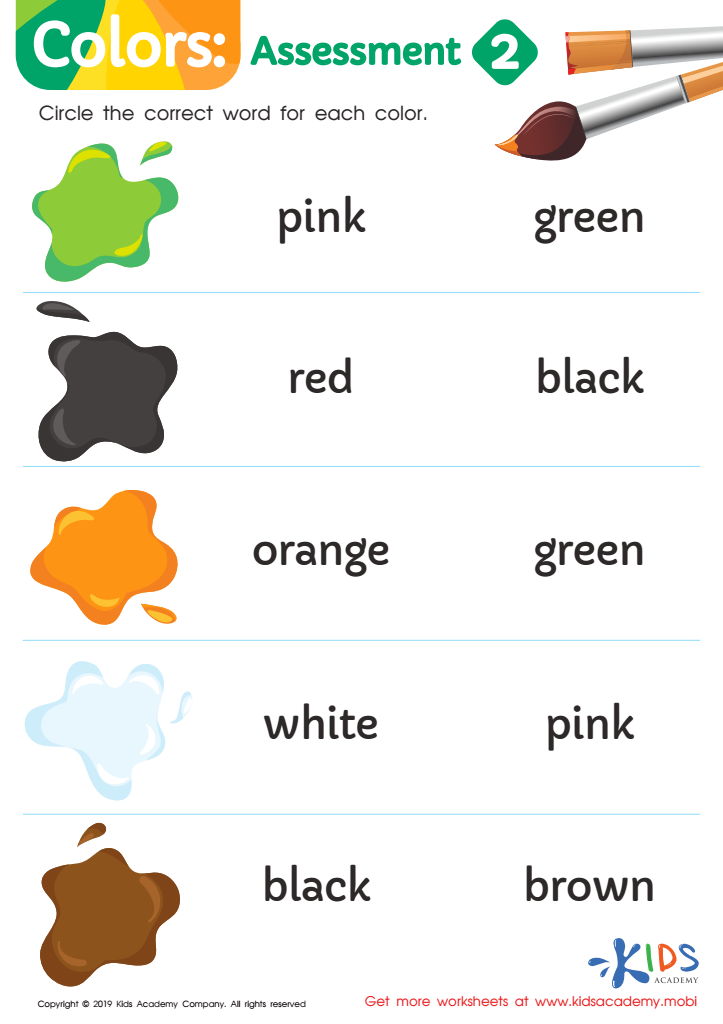
Colors: Assessment 2 Worksheet
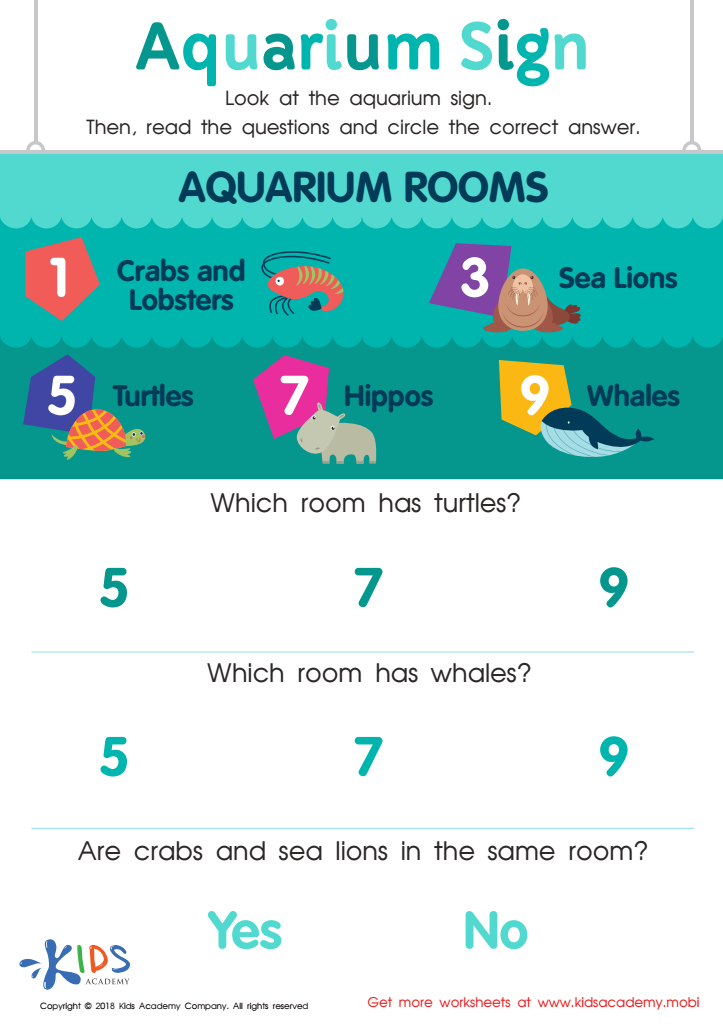
Assessment: Aquarium Sign Worksheet








Following instructions and building vocabulary are critical developmental skills for children aged 4-9, relevant not only in academic settings but also in everyday life. For parents and teachers, nurturing these abilities lays a strong foundation for effective communication and learning.
When children learn to follow instructions, they enhance their ability to focus and complete tasks—skills that are essential in school and later in life. Navigating classroom rules, participating in group activities, and understanding daily routines become easier, fostering a sense of responsibility and self-discipline. This skill also promotes critical thinking, as children learn how to analyze and evaluate information.
Moreover, vocabulary development is equally paramount during these formative years. A rich vocabulary empowers children to express themselves clearly and confidently, improving their reading and comprehension abilities. Engaging with diverse words enhances their cognitive development, promoting better listening and speaking skills, which are essential for relationships and teamwork.
Teachers and parents should prioritize instruction-following and vocabulary-building activities, as they directly impact a child's academic trajectory, social integration, and overall confidence. By doing so, they set children on a path to become effective communicators and lifelong learners. Ultimately, these skills shape their academic success and personal growth.