Story sequencing Easy Reading Worksheets for Ages 4-9
3 filtered results
-
From - To
Discover our engaging Story Sequencing Easy Reading Worksheets designed for ages 4-9. These printable worksheets enhance reading and comprehension by helping young learners sequence stories logically. Each activity is crafted to build foundational skills as kids arrange pictures or sentences in the correct order. Perfect for classroom use or at-home practice, these resources make learning fun and interactive while boosting critical thinking and narrative skills. Simple yet effective, our worksheets foster a love for reading and storytelling in every child. Unlock your child’s potential with our expertly designed story sequencing activities today!
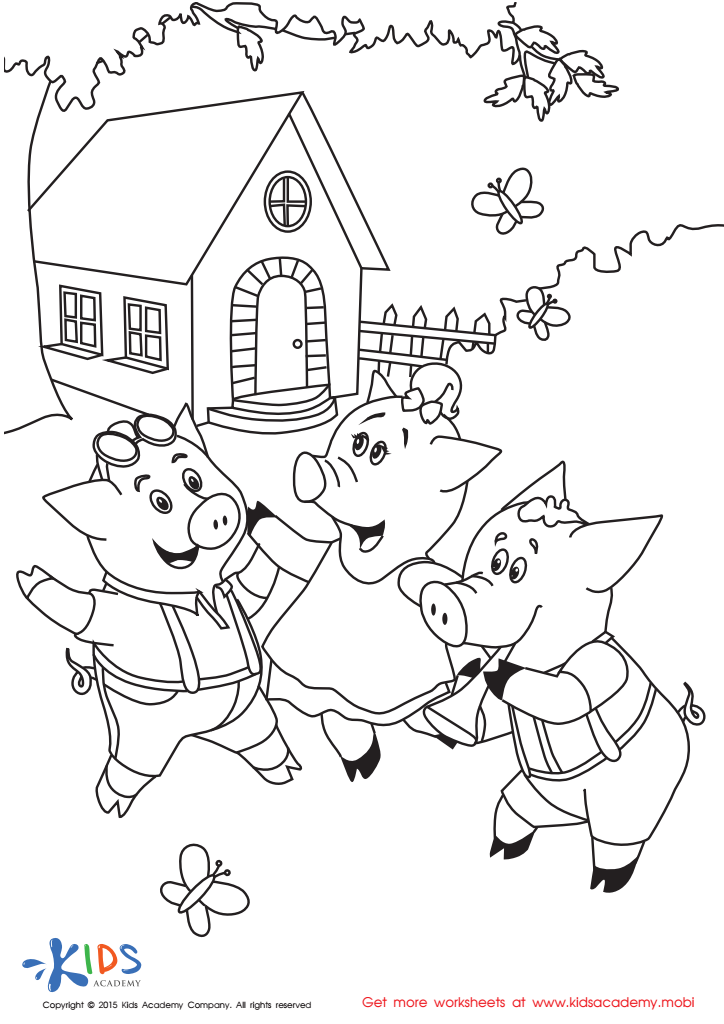
Folktales Printable PDF Worksheet: The 3 Little Pigs
 Assign to My Students
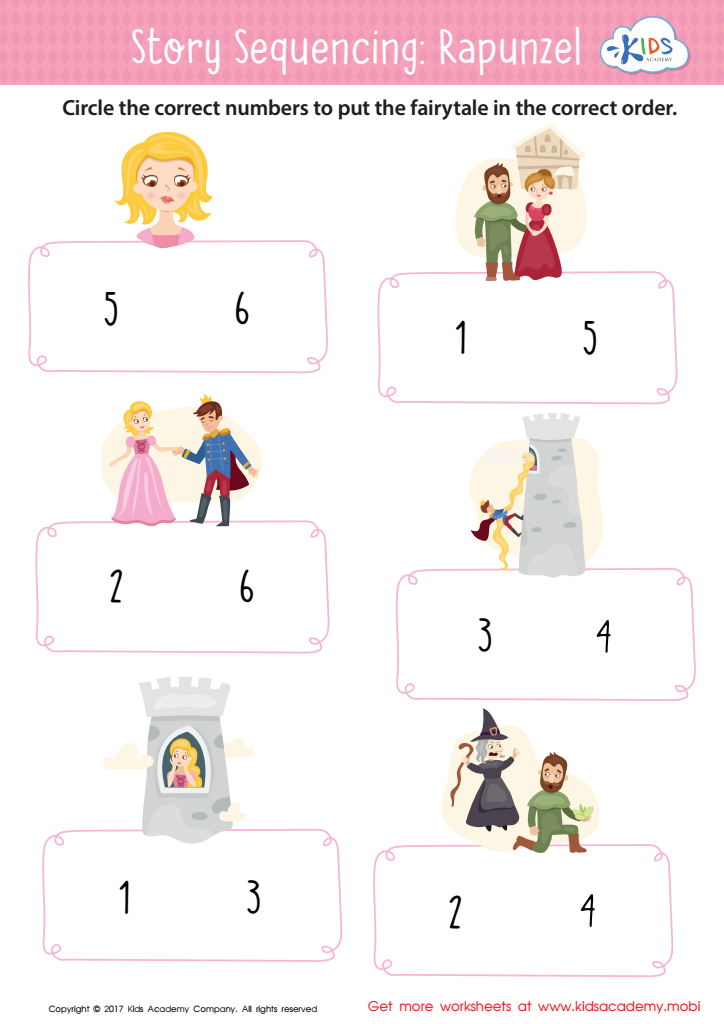
Rapunzel Story Sequencing Worksheet
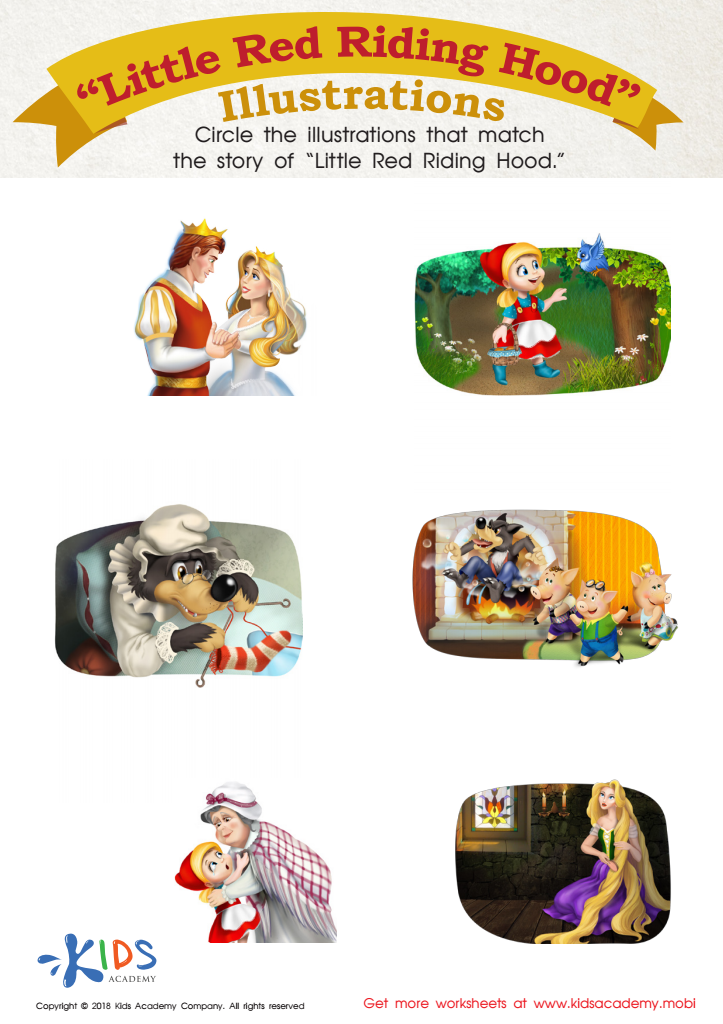
Little Red Riding Hood: Illustrations Worksheet








Story sequencing is an essential skill that plays a crucial role in the cognitive and linguistic development of young children, particularly those between the ages of 4-9. Parents and teachers should prioritize this skill because it helps children understand the logical order of events, which is fundamental for both reading comprehension and critical thinking.
When children learn to sequence stories, they start to grasp the concepts of beginning, middle, and end, which makes it easier for them to follow and retell stories accurately. This understanding supports their ability to predict events in stories and everyday situations, enhancing their problem-solving skills. Story sequencing also fosters memory retention and reinforces the structure of narratives, aiding children in organizing their thoughts coherently.
Furthermore, engaging in story sequencing activities allows children to improve their language skills. As they practice narrating sequences, they expand their vocabulary, learn to form complete sentences, and understand the use of transitional words such as "first," "next," and "finally." This linguistic development is closely linked to academic success because it influences their ability to write clearly and effectively in later years.
By caring about story sequencing, parents and teachers also nurture a child's imagination and creativity. When children understand story structure, they can craft their own tales, enhancing both creativity and expressive confidence. Thus, emphasizing story sequencing helps build a strong foundation for comprehensive literacy and overall cognitive growth.