Color recognition Easy Social Studies Worksheets for Ages 4-9
3 filtered results
Difficulty Level
Grade
Age
-
From - To
Subject
Activity
Standards
Discover engaging and educational Color Recognition worksheets designed for children aged 4-9 on our website. These easy-to-use social studies worksheets enhance foundational skills by integrating colorful activities that make learning fun. Kids will explore colors through interactive tasks, helping them identify and differentiate various shades while discovering the world around them. Whether in the classroom or at home, these worksheets promote cognitive development, creativity, and critical thinking. Ideal for preschoolers and early elementary students, our resources are tailored to foster a love for learning. Download now and inspire young learners to master color recognition effortlessly!
Favorites
With answer key
Interactive

Happy Diwali Printable
Explore India this Diwali! Learn about India's most significant holiday, Diwali, with this fun-filled printable activity for kids. Your child can gain an appreciation for Indian culture with this Diwali dot to dot worksheet.
Happy Diwali Printable
Worksheet

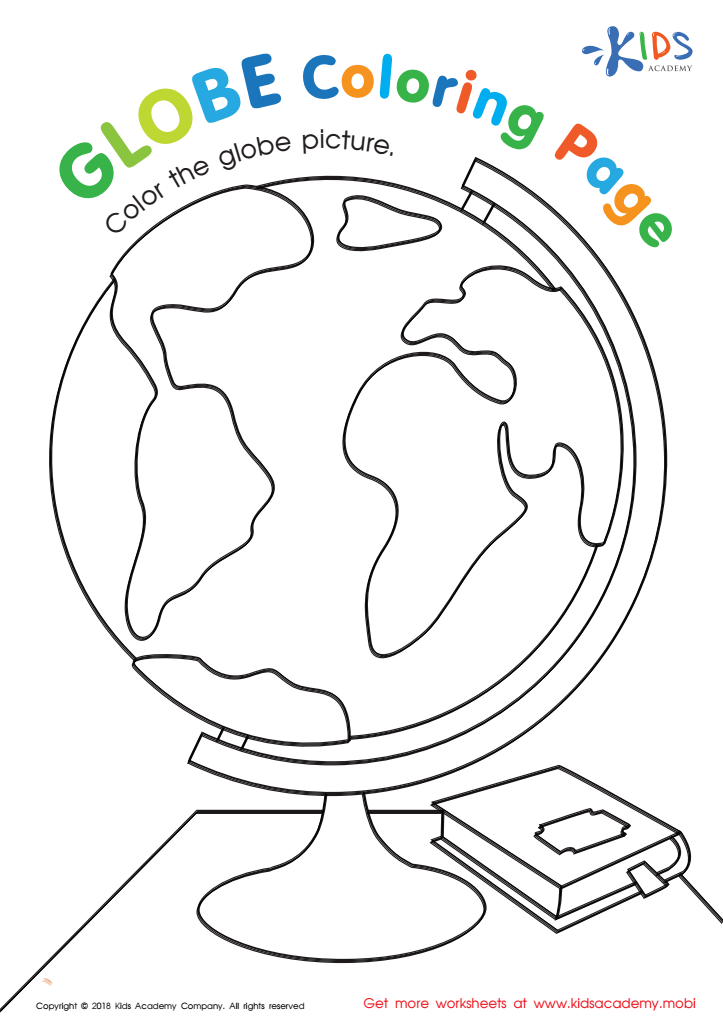
Globe Coloring Page Worksheet
Kids love coloring! Save yourself stress by giving them coloring sheets instead of letting them color on furniture and walls. This worksheet has a fun activity that engages their hands and mind - ask them to color the globe picture, and help them pick the colors.
Download (PDF)
 Assign to My Students
Assign to My Students
Globe Coloring Page Worksheet
Worksheet
Join Kids Academy for Free
Who is primarily going to use this learning content?








Color recognition is a fundamental skill that plays a vital role in a child's development, especially in social studies for ages 4-9. Understanding colors aids in the development of cognitive skills, language acquisition, and social interaction. Parents and teachers should care about this because color programs help children categorize their environment, enhancing their observational skills as they engage with the world around them.
In social studies, recognizing colors allows children to connect important concepts, such as cultural identities, flags, and meaningful symbols related to different communities. For example, teaching about global citizenship can be made more relatable through color representation in flags, helping kids understand diversity and inclusion.
Moreover, games and activities centered on color can enhance critical thinking, cooperative play, and communication among peers. Children learn to describe and articulate their feelings using colors, fostering emotional intelligence.
By integrating color recognition into social studies, parents and teachers nurture well-rounded learners who not only grasp academic content but must also embrace community engagement and cultural awareness. Ultimately, grasping color recognition sets the stage for comprehensive learning experiences, meaningful discussions, and joyful exploration during these crucial developmental years.