Reading Skills Easy Alphabet Worksheets for 4-Year-Olds
4 filtered results
-
From - To
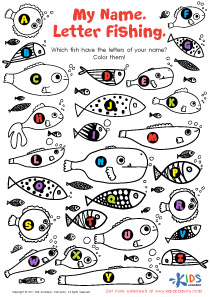
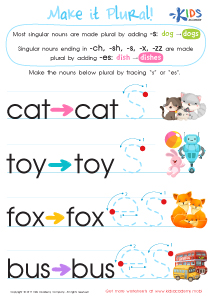
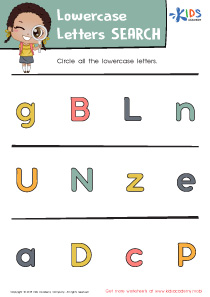
Our "Reading Skills Easy Alphabet Worksheets for 4-Year-Olds" are designed to introduce your child to the fundamentals of reading in a fun and engaging way! These worksheets focus on teaching letter recognition, phonics, and early literacy skills through a variety of activities and exercises. Each sheet is crafted to cater to the learning style of young children, making it easier for them to grasp the alphabet and develop essential reading skills. Perfect as a supplement to preschool education, these printables are both educational and enjoyable, ensuring your child has a head start in their reading journey.
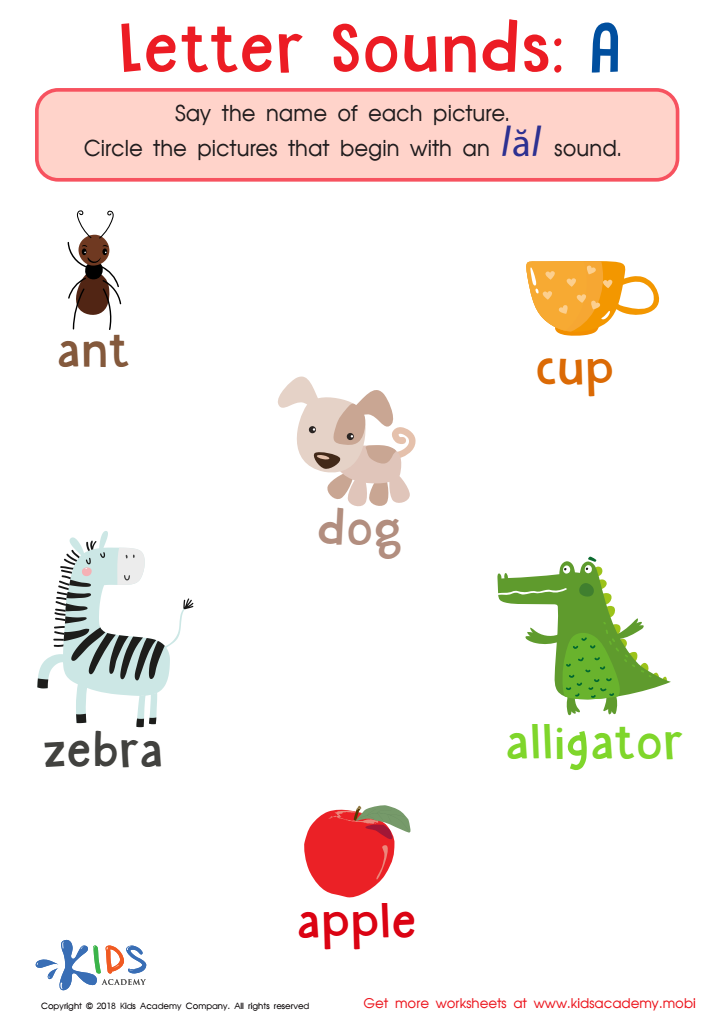
Letter A Sounds Worksheet
 Assign to My Students
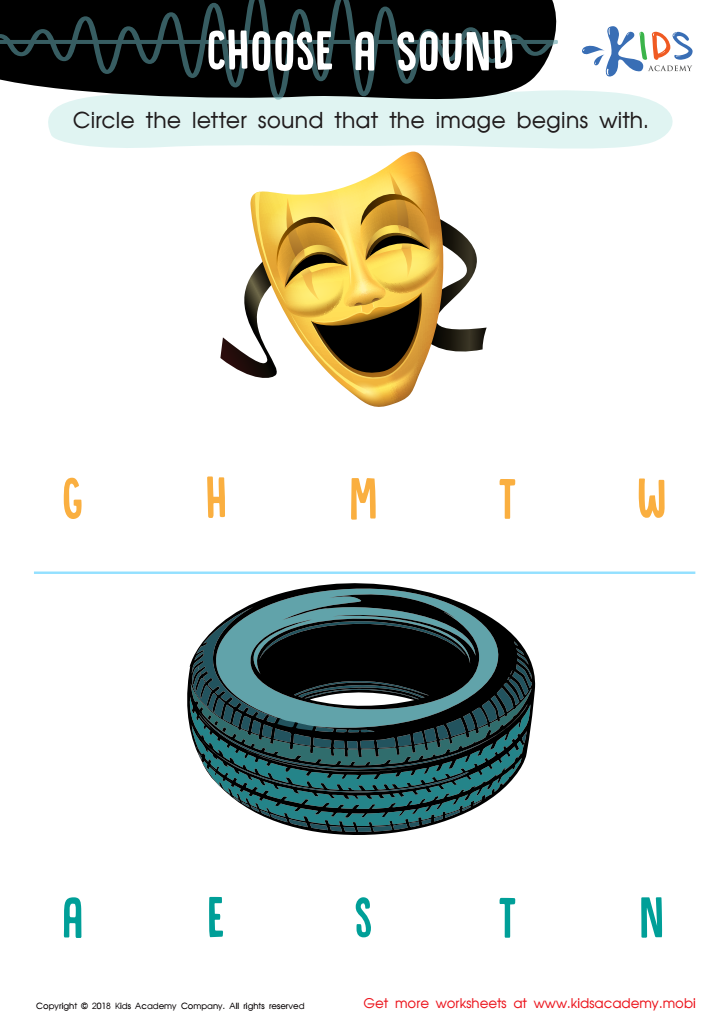
Choose a Sound Worksheet
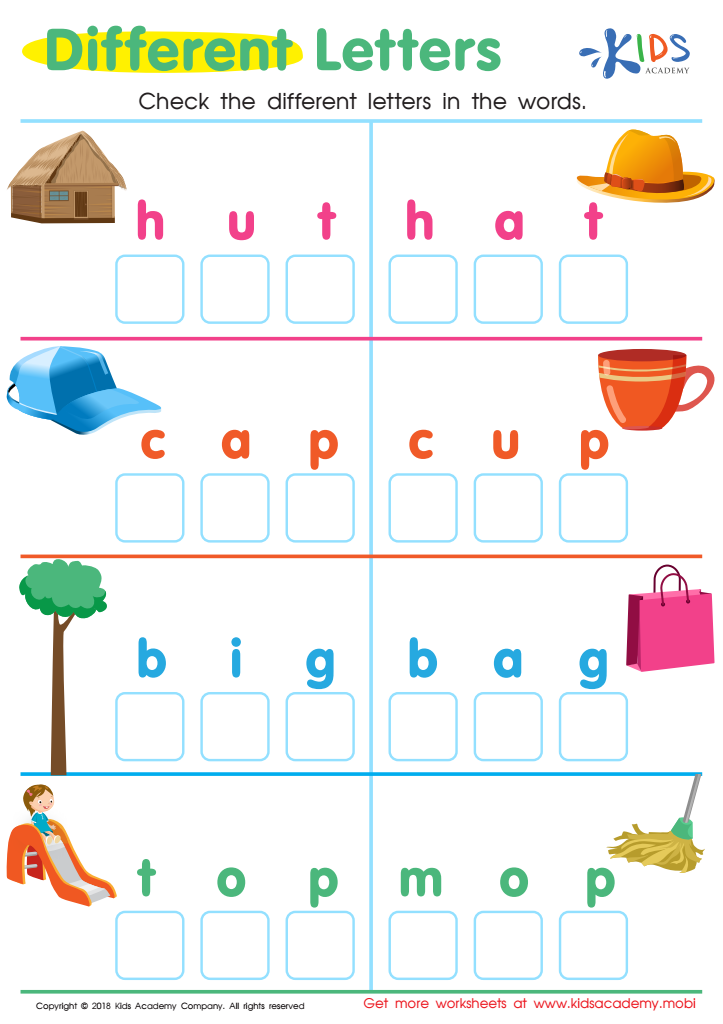
Different Letters Reading Worksheet
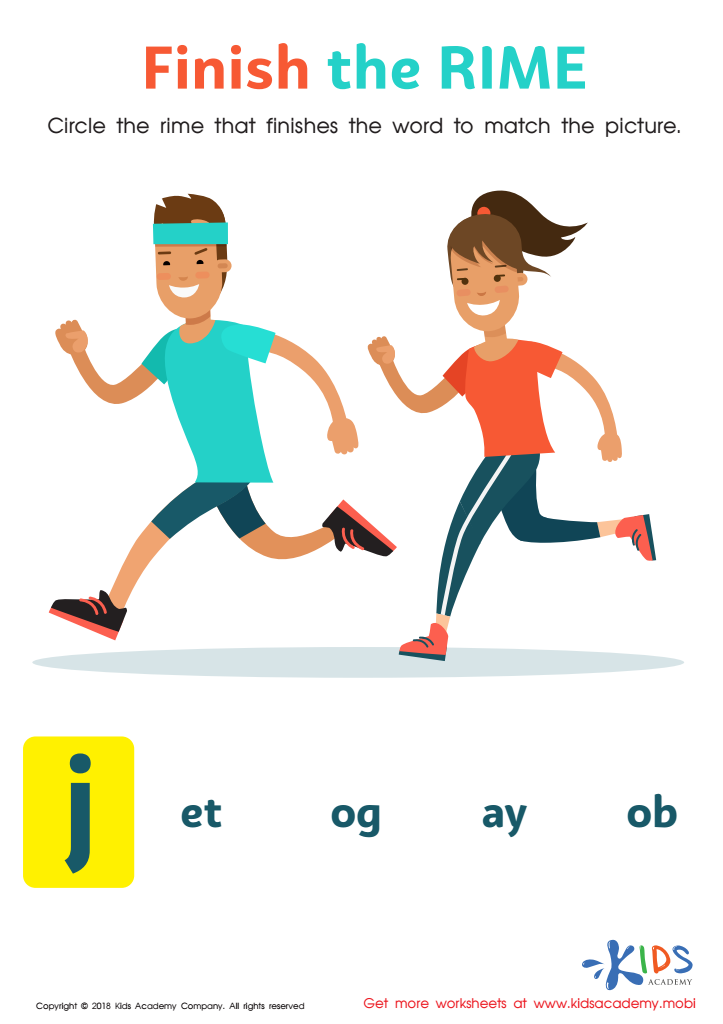
Finish the Rime Worksheet





.jpg)


Parents and teachers should place significant importance on Reading Skills Easy Alphabet for 4-year-olds because it lays the foundation for their future academic success. At this tender age, children's brains are like sponges, absorbing information rapidly and forming critical neural connections. Learning the alphabet is a crucial step in developing pre-reading skills, which are the building blocks for literacy.
When children become familiar with letters and their associated sounds, they are better prepared to understand word formation, phonics, and spelling. This early engagement boosts their vocabulary, comprehension, and listening skills—vital components for effective communication. Moreover, mastering the alphabet enhances cognitive skills such as memory, attention, and recognition patterns.
From a developmental perspective, early proficiency in reading skills fosters a love for learning and exploration. This enthusiasm propels children towards academic achievements and cultivates a positive attitude towards school. Additionally, being able to recognize the alphabet instills a sense of accomplishment and confidence in young learners.
In essence, equipping 4-year-olds with easy alphabets engages them interactively and regularly in learning activities. This engagement is essential for early childhood educators and parents who aim to offer a supportive and enriched learning environment, ensuring children are adequately prepared for more complex literacy concepts and fostering lifelong learning habits.