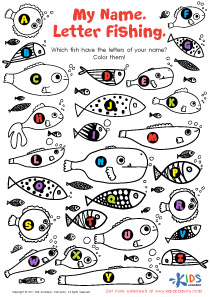
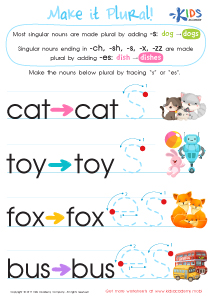
Writing practice Easy Letter Recognition Worksheets for 4-Year-Olds
3 filtered results
-
From - To
Introducing our "Easy Letter Recognition Worksheets" designed specifically for 4-year-olds! These engaging and interactive activities are perfect for early learning, helping young children develop crucial writing skills while recognizing the alphabet. Our worksheets feature fun, age-appropriate exercises that encourage children to practice letter formation and identify uppercase and lowercase letters. With colorful visuals and playful designs, your child will enjoy mastering essential literacy skills at their own pace. Ideal for homeschool settings or classroom use, these worksheets make writing practice enjoyable and effective, laying a strong foundation for future reading and writing success. Explore our collection, and watch your child's confidence grow!
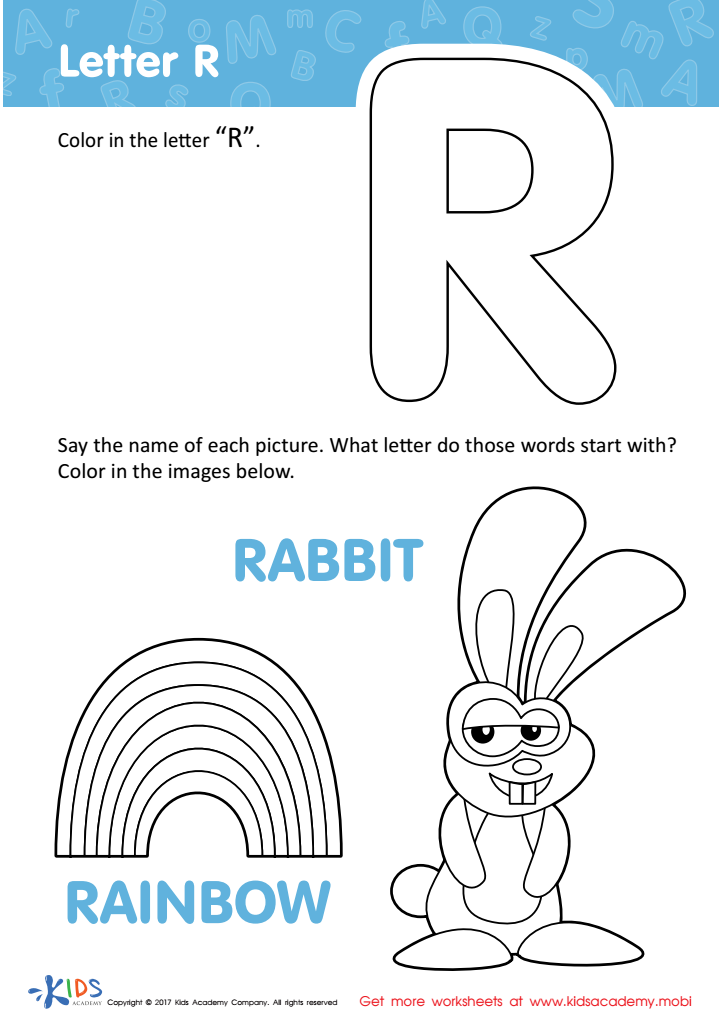
Letter R Coloring Sheet
 Assign to My Students
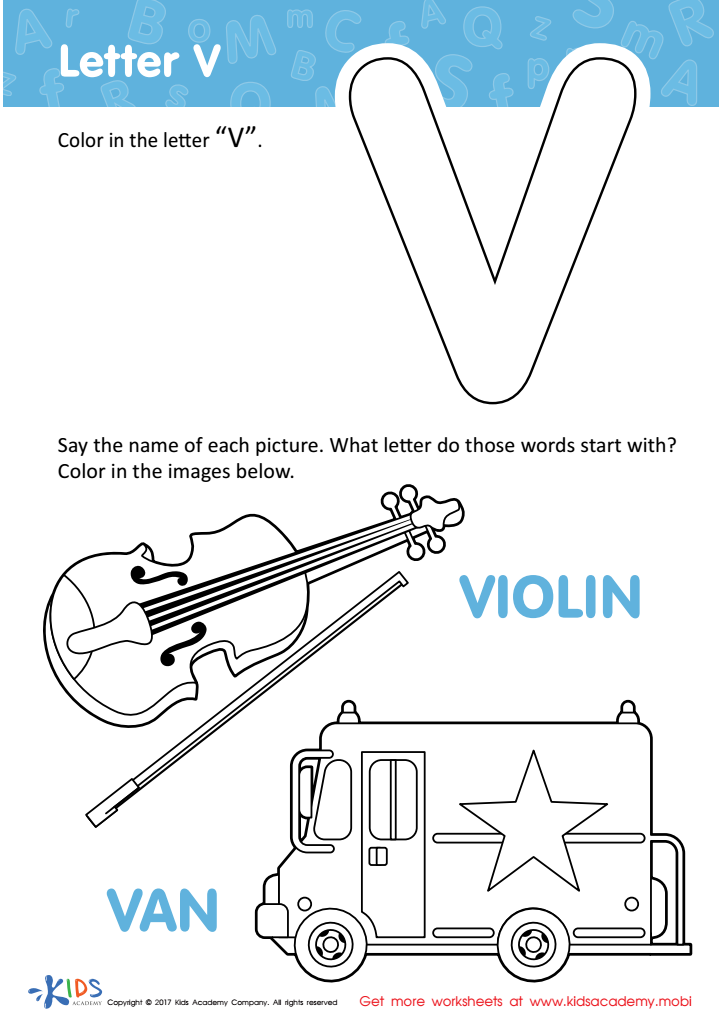
Letter V Coloring Sheet
Assign to My Students
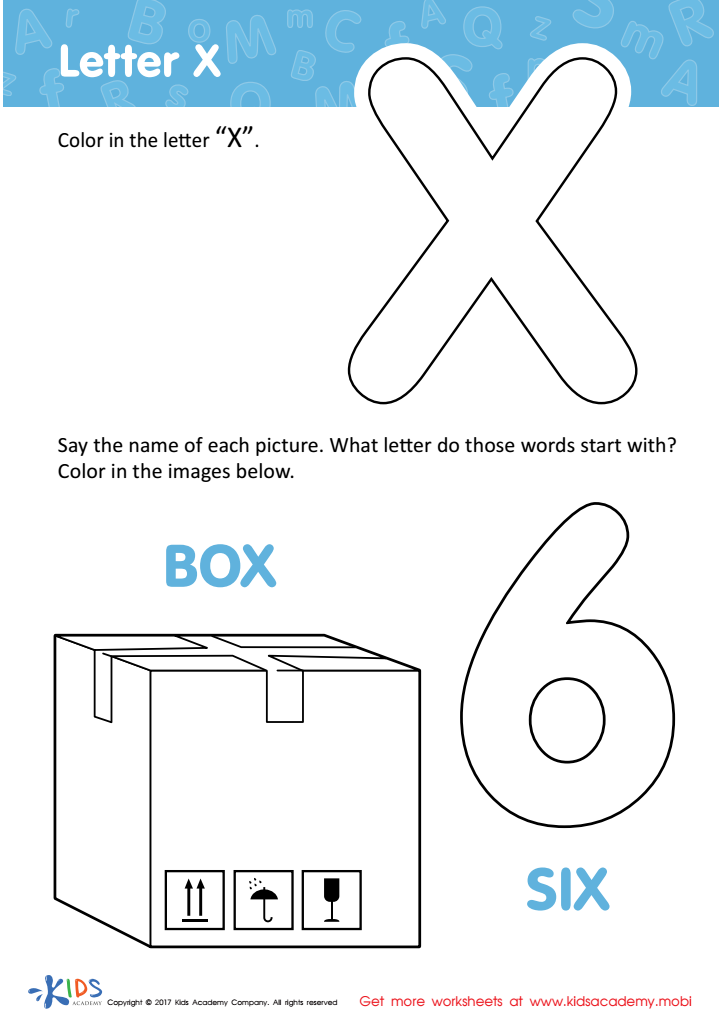
Letter X Coloring Sheet
Assign to My Students








Writing practice and easy letter recognition for 4-year-olds are crucial building blocks in early childhood education. At this age, children are developing fine motor skills, cognitive abilities, and language foundations. Learning to recognize letters and engage in writing helps enhance these skills, setting a strong precedent for future learning.
When parents and teachers focus on letter recognition, they equip children with the ability to identify the sounds that letters represent. This understanding is essential when they begin to read and write. Writing practice, on the other hand, strengthens hand-eye coordination and control over writing instruments, helping them form letters and words appropriately.
Moreover, these activities cultivate a child's confidence. As they see their progress, whether through recognizing letters or successfully writing their names, they develop a love for learning. Early literacy skills have long-term implications, with studies indicating that children who master these foundational skills are more inclined to succeed academically.
By prioritizing writing practice and letter recognition, parents and educators lay a strong educational and emotional foundation. This not only nurtures early literacy development but also encourages a more holistic growth experience that boosts children’s self-esteem and readiness for future school challenges.