Spelling practice Easy Alphabet Worksheets for Ages 5-6
6 filtered results
-
From - To
Introduce your young learners to the world of letters and words with our "Spelling Practice Easy Alphabet Worksheets for Ages 5-6". These engaging and interactive worksheets are designed to build foundational spelling skills through fun and easy-to-follow exercises. Perfect for early education, our worksheets help children recognize, write, and spell each letter, boosting their confidence and readiness for more advanced learning. Each activity focuses on familiarizing kids with the alphabet while integrating playful tasks that capture their interest. Simple and effective, our resources support a smooth start in literacy, making learning effortless and enjoyable for young minds.
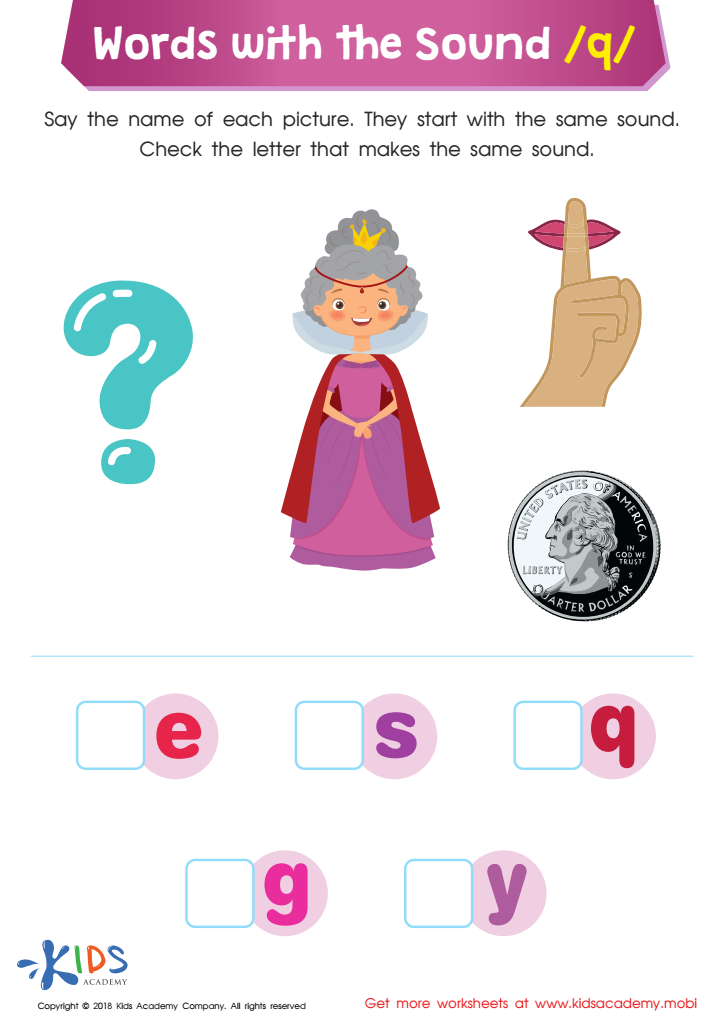
Words with Sound Q Reading Worksheet
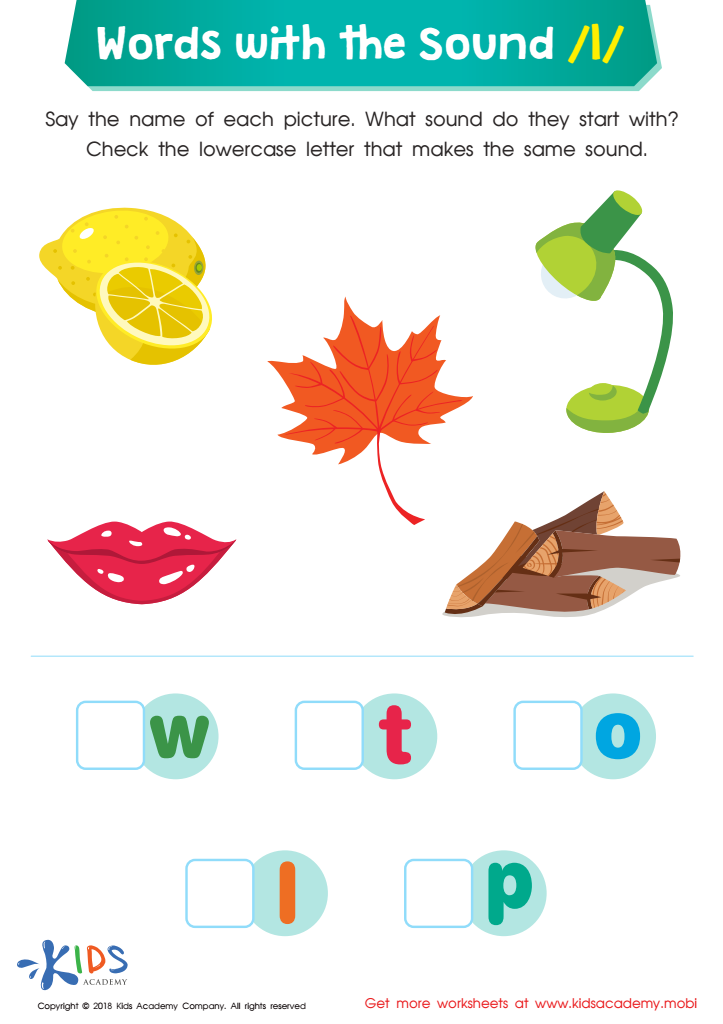
Words with Sound L Reading Worksheet
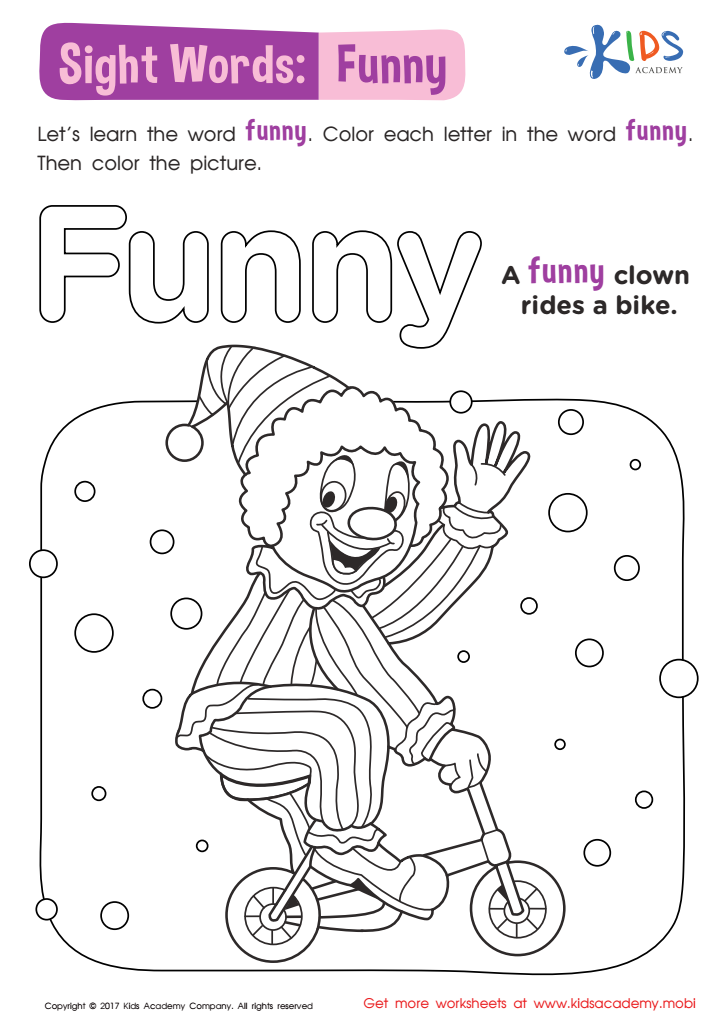
Funny Worksheet Sight Words Worksheet
 Assign to My Students
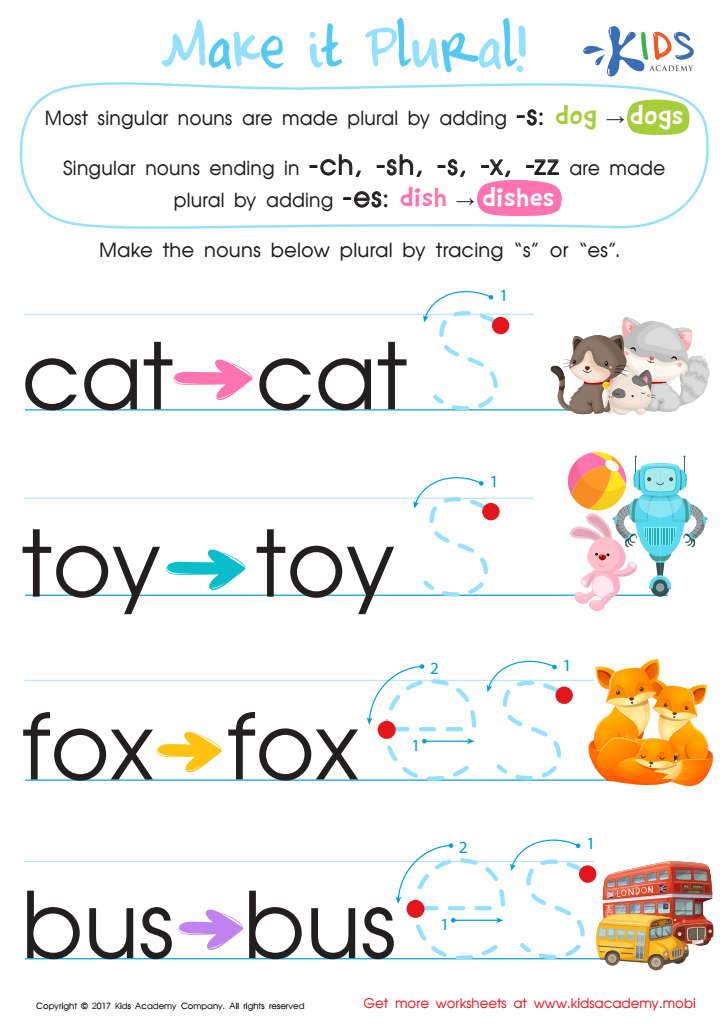
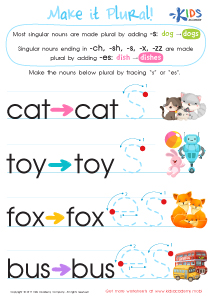
Make it Plural Worksheet
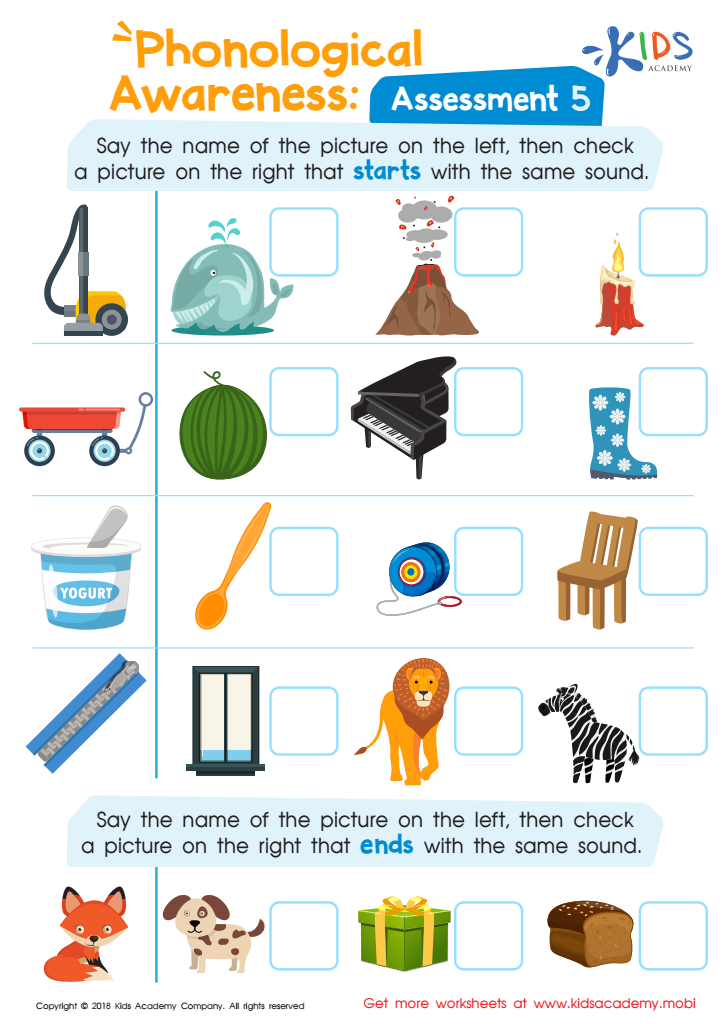
Phonological Awareness: Assessment 5 Worksheet
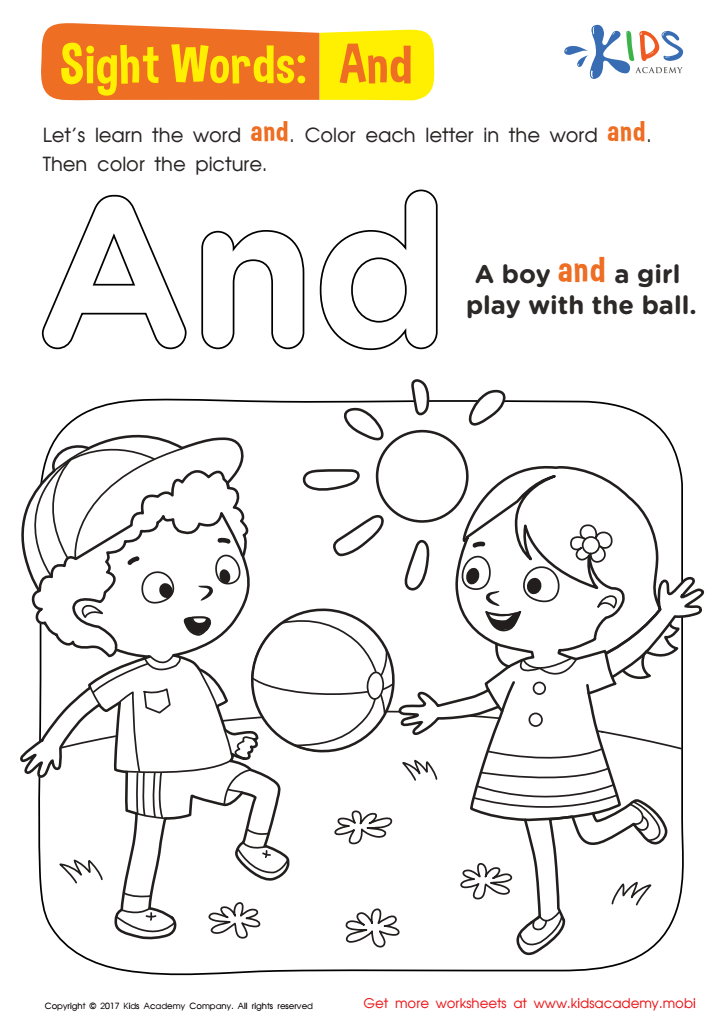
And Worksheet Sight Words Worksheet
Assign to My Students








Spelling practice and easy alphabet activities for children aged 5-6 are fundamental building blocks for literacy development, making it critical for parents and teachers to focus on this aspect. At this age, children are in a vital stage of learning foundational language skills that will support all future reading and writing endeavors. Engaging in spelling practice helps children recognize and memorize common words, which is critical for their ability to read fluently.
Additionally, familiarity with the alphabet and corresponding sounds (phonics) enables children to decode new words more efficiently. This emergent literacy not only boosts their reading ability but also fosters greater self-confidence when expressing themselves both orally and in written form.
Parents and teachers play a pivotal role in providing consistent practice, using fun and interactive methods such as games and puzzles to keep the experience enjoyable and stress-free. Regular spelling activities support cognitive development, including attention to detail, memory, and problem-solving skills.
Furthermore, proficiency in spelling and the alphabet paves the way for better communication skills, critical thinking, and academic success in all subjects. Early attention to these skills generates long-term literacy benefits, making it paramount for adults to invest time and resources into this crucial aspect of early education.