Writing practice Easy Letter Recognition Worksheets for Ages 5-6
3 filtered results
-
From - To
Enhance your child's literacy journey with our "Writing Practice Easy Letter Recognition Worksheets" designed for ages 5-6. These engaging worksheets provide young learners with interactive activities that help develop letter recognition skills while practicing their writing. Each worksheet encourages children to trace and write uppercase and lowercase letters, fostering fine motor skills and confidence in letter formation. With colorful illustrations and age-appropriate challenges, these resources make learning fun and effective. Perfect for at-home or classroom use, our worksheets are an essential tool for nurturing a strong foundation in early literacy. Download today to inspire your child's love for letters!
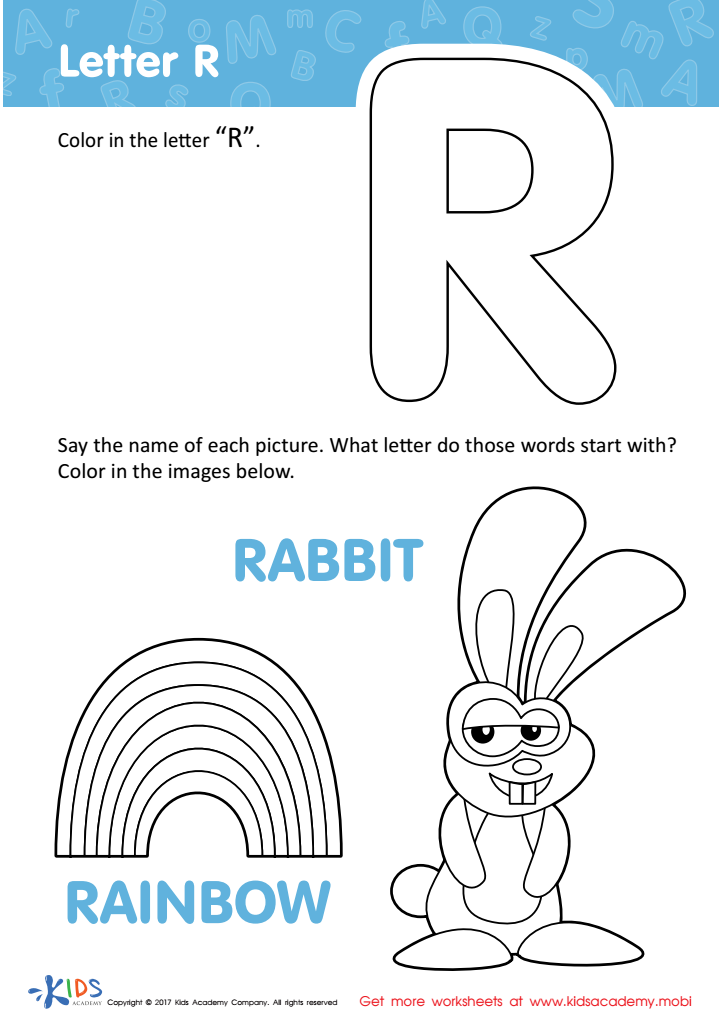
Letter R Coloring Sheet
 Assign to My Students
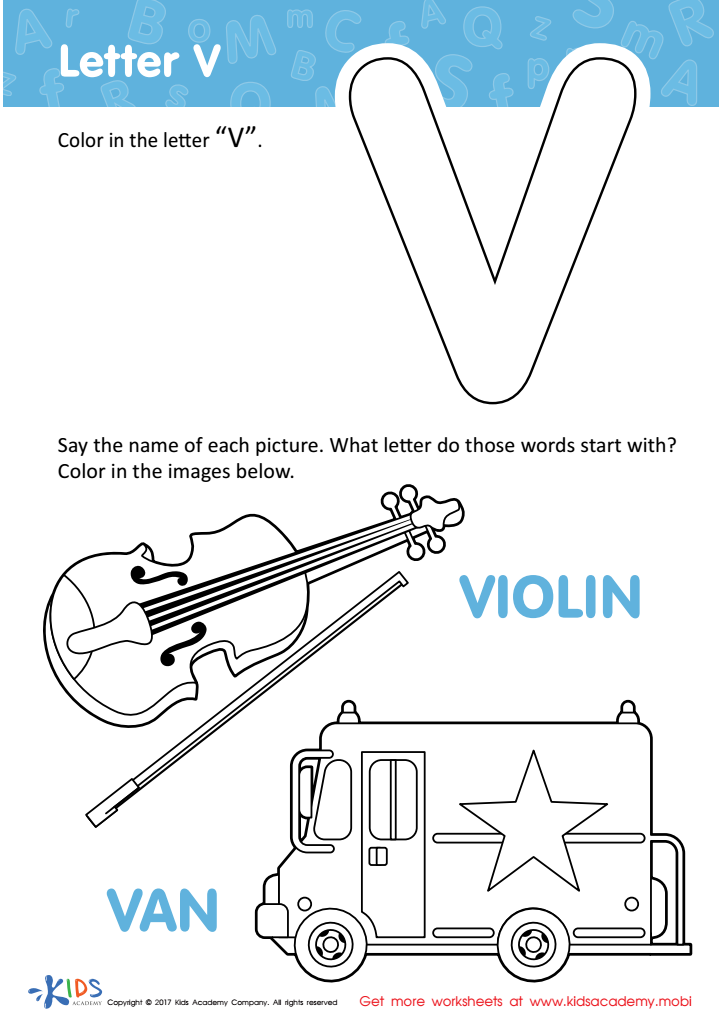
Letter V Coloring Sheet
Assign to My Students
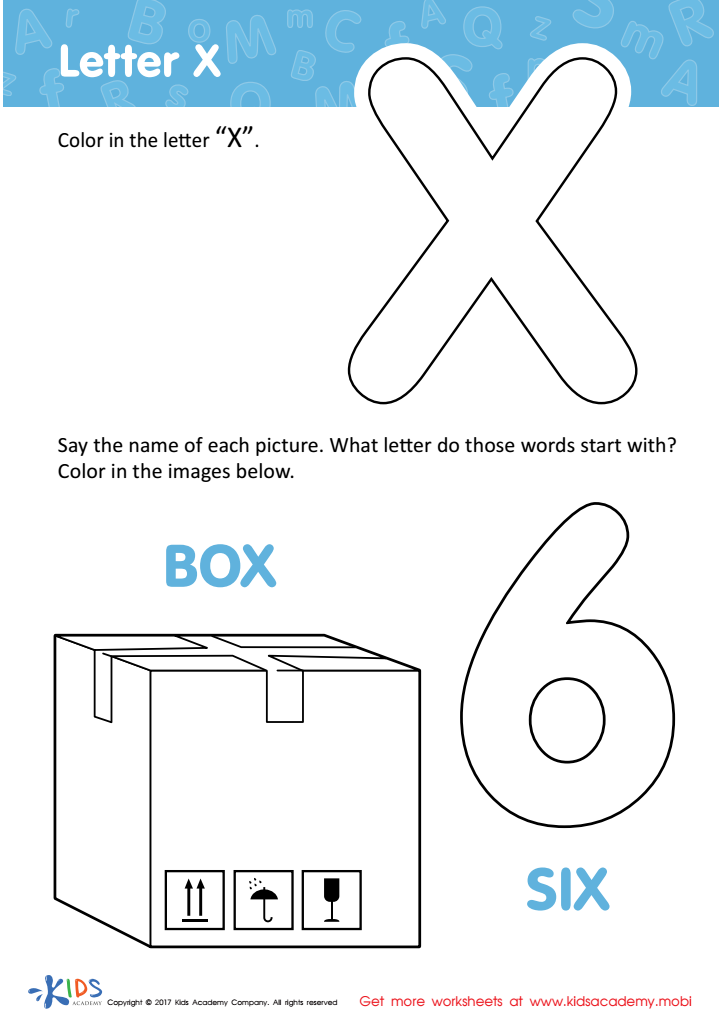
Letter X Coloring Sheet
Assign to My Students








Writing practice, particularly in the area of easy letter recognition for children aged 5-6, is vital for several reasons. At this age, children are at a crucial stage of language development, where they transition from recognizing letters to understanding their sounds and shapes. Engaging in writing practice helps solidify this foundational knowledge, enabling children to identify and produce letters confidently.
Moreover, facilitating letter recognition writing activities fosters fine motor skills as children learn how to hold pencils, control movements, and develop coordination. These skills are essential for their overall handwriting ability and later academic success. Furthermore, as they practice writing, children cultivate a sense of achievement which boosts their self-esteem and motivation to learn.
Parents and teachers play a crucial role in creating an encouraging and rich writing environment. By incorporating playful activities like tracing letters, drawing, and using multimedia resources, they can increase engagement and enjoyment in the learning process. Additionally, consistent writing practice introduces children to basic phonetics and vocabulary, laying the groundwork for effective communication skills. Overall, supporting early writing practice benefits children in literacy development, fosters creativity, and sets the stage for lifelong learning.